Endoscopy Sink: Complete Guide to Cleaning, Reprocessing, and Selection

Endoscopy Sink: Complete Guide to Cleaning, Reprocessing, and Selection

Endoscopy Sink: Complete Guide to Cleaning, Reprocessing, and Selection

Endoscopy Sink

Introduction

In healthcare environments, maintaining strict hygiene standards is essential, especially when dealing with delicate medical equipment such as endoscopes. An endoscopy sink plays a critical role in the cleaning, washing, and reprocessing of endoscopes before they are sterilized and prepared for the next procedure.

Improper cleaning can lead to contamination risks, equipment damage, and non-compliance with healthcare regulations. This is why healthcare facilities are increasingly investing in specialized endoscopy cleaning sinks designed to improve workflow, safety, and infection control.

In this guide, we’ll explore everything you need to know about endoscopy sinks, including their types, features, benefits, and how to choose the right solution for your facility.

Common Problems Healthcare Facilities Face

Healthcare professionals often encounter several challenges during endoscope cleaning and reprocessing:

  • Inadequate sink dimensions for long endoscopes
  • Risk of cross-contamination during manual cleaning
  • Staff fatigue due to poor ergonomic design
  • Difficulty maintaining proper workflow
  • Compliance issues with infection control standards
  • Damage to expensive endoscopes from improper handling

These challenges highlight the importance of using purpose-built endoscopy cleaning sinks instead of standard utility sinks.

Why an Endoscopy Sink Is Important

An endoscopy sink is specifically designed to support the cleaning and reprocessing workflow of flexible and rigid endoscopes.

Unlike conventional sinks, these systems provide:

  • Dedicated washing compartments
  • Ergonomic working height
  • Chemical-resistant construction
  • Improved infection control
  • Enhanced workflow efficiency

A properly designed endoscopy reprocessing sink helps healthcare facilities meet regulatory standards while protecting both staff and patients.

Types of Endoscopy Sinks

1. Single Basin Endoscopy Sink

Suitable for:

  • Small clinics
  • Outpatient centers
  • Low-volume procedures

Benefits:

  • Compact footprint
  • Cost-effective
  • Easy installation

2. Double Basin Endoscopy Cleaning Sink

Suitable for:

  • Medium-sized hospitals
  • Gastroenterology departments

Benefits:

  • Separate washing and rinsing areas
  • Improved workflow
  • Reduced contamination risk

3. Triple Basin Endoscopy Reprocessing Sink

Suitable for:

  • High-volume endoscopy units
  • Large healthcare facilities

Benefits:

  • Cleaning compartment
  • Rinsing compartment
  • Final disinfection compartment

This configuration supports a complete endoscope reprocessing cycle.

4. Height Adjustable Endoscopy Sinks

Modern facilities increasingly prefer height adjustable endoscopy sinks because they improve staff comfort and productivity.

Advantages include:

  • Reduced back strain
  • Better ergonomics
  • Suitable for multiple users
  • Improved workplace safety

5. Wide Sinks Endoscopy Systems

Some facilities use large-diameter or extra-long endoscopes that require additional workspace.

Wide sinks endoscopy solutions provide:

  • Larger basin dimensions
  • Easier instrument handling
  • Reduced equipment damage risk
  • Better cleaning accessibility

Key Features to Look For

Stainless Steel Construction

  • Corrosion resistance
  • Easy cleaning
  • Long service life
  • Hygienic surfaces

Deep and Spacious Basins

Deep basins help prevent:

  • Water splashing
  • Chemical exposure
  • Instrument damage

Integrated Spray Systems

  • Faster cleaning
  • Better debris removal
  • Improved efficiency

Endoscope Holders

  • Protect instruments
  • Maintain organization
  • Improve workflow

Seamless Design

  • Minimizes bacterial growth
  • Prevents dirt accumulation
  • Simplifies cleaning

Features and Benefits of Endoscopy Cleaning Sinks

Enhanced Infection Control

Proper sink design reduces contamination risks and supports healthcare compliance.

Better Workflow Efficiency

Dedicated compartments allow staff to perform cleaning tasks more effectively.

Improved Staff Ergonomics

Especially with height adjustable endoscopy sinks, users experience less physical strain.

Longer Equipment Lifespan

Proper handling and support reduce accidental damage to expensive endoscopes.

Regulatory Compliance

Specialized sink systems help facilities align with healthcare guidelines and best practices.

Comparison: Standard Sink vs Endoscopy Sink

Feature Standard Utility Sink Endoscopy Sink
Designed for Endoscopes No Yes
Multiple Cleaning Stages Limited Yes
Ergonomic Design Basic Advanced
Infection Control Moderate High
Instrument Protection Low High
Healthcare Compliance Limited Excellent
Workflow Optimization Minimal Significant

Step-by-Step Buying Guide

Step 1: Assess Procedure Volume

Determine how many endoscopes are processed daily.

  • Low volume: Single basin
  • Medium volume: Double basin
  • High volume: Triple basin

Step 2: Evaluate Available Space

Measure installation space and workflow pathways.

Step 3: Consider Ergonomics

If multiple technicians use the station, invest in height adjustable endoscopy sinks.

Step 4: Verify Material Quality

Choose medical-grade stainless steel construction for durability and hygiene.

Step 5: Check Basin Size

Ensure the sink can accommodate your longest endoscope.

Step 6: Review Compliance Requirements

Confirm the sink meets local healthcare and infection-control standards.

Step 7: Plan Future Growth

Select a system that can accommodate increasing procedure volumes.

Common Mistakes to Avoid

  • Choosing a standard utility sink instead of an endoscopy sink
  • Ignoring ergonomic requirements
  • Selecting insufficient basin size
  • Overlooking workflow design
  • Focusing only on initial cost

Expert Tips

  • Use dedicated endoscopy cleaning sinks for reprocessing.
  • Separate dirty and clean workflow areas.
  • Inspect sink surfaces and drainage systems regularly.
  • Train staff on proper cleaning procedures.
  • Invest in ergonomic workstations.
  • Schedule preventive maintenance.
  • Follow manufacturer cleaning guidelines.

Conclusion

An endoscopy sink is a critical component of infection prevention and endoscope reprocessing. Whether you require an endoscopy cleaning sink, an endoscopy reprocessing sink, or advanced height adjustable endoscopy sinks, choosing the right system improves efficiency, compliance, staff comfort, and patient safety.

Understanding basin configurations, material quality, ergonomic features, and workflow requirements helps healthcare facilities make informed long-term investments.

Frequently Asked Questions (FAQs)

What is an endoscopy sink?

An endoscopy sink is a specialized cleaning station designed for washing, rinsing, and reprocessing medical endoscopes.

Why are endoscopy cleaning sinks different from regular sinks?

They offer larger basins, ergonomic features, and dedicated compartments designed specifically for endoscope cleaning.

What is an endoscopy reprocessing sink?

It supports multiple stages of cleaning and rinsing before high-level disinfection or sterilization.

Are height adjustable endoscopy sinks worth it?

Yes. They improve ergonomics, reduce staff fatigue, and support safer working conditions.

What material is best for an endoscopy washing sink?

Medical-grade stainless steel is preferred due to its durability, corrosion resistance, and hygienic properties.

How many basins should an endoscopy sink have?

The required number depends on workflow needs, with high-volume facilities often preferring double or triple basin systems.

What are wide sinks endoscopy systems used for?

They provide additional workspace for larger or longer endoscopes, reducing handling risks and improving cleaning efficiency.

MRI Trolley: Complete Guide to Safe Patient Transport in MRI Facilities

MRI Trolley: Complete Guide to Safe Patient Transport in MRI Facilities

MRI Trolley: Complete Guide to Safe Patient Transport in MRI Facilities

MRI Trolley - MRI Compatible Patient Trolley

Introduction

In modern healthcare facilities, patient safety is a top priority, especially in specialized imaging environments such as MRI suites. A standard hospital trolley may contain ferromagnetic materials that can become dangerous when exposed to the powerful magnetic field of an MRI machine.

This is where an MRI trolley becomes essential. Designed specifically for magnetic resonance imaging environments, these trolleys help transport patients safely without interfering with imaging equipment or creating safety risks.

Whether you manage a hospital, diagnostic center, or imaging facility, understanding the importance of an MRI trolley can help improve patient care, workflow efficiency, and compliance with MRI safety standards.

Common Problems and Pain Points in MRI Patient Transport

Transporting patients in and around MRI rooms presents unique challenges.

  • Risk of magnetic attraction from conventional metal trolleys
  • Patient safety concerns during transfer procedures
  • Equipment damage caused by incompatible transport devices
  • Delays in imaging workflows
  • Difficulty moving critical-care patients safely
  • Compliance issues with MRI safety regulations

Since MRI systems generate extremely strong magnetic fields, even small metallic objects can become hazardous projectiles. Using MRI-compatible transport solutions helps eliminate these risks.

What Is an MRI Trolley?

An MRI trolley is a specialized patient transport system designed for use inside MRI environments. These trolleys are manufactured using non-magnetic materials such as:

  • Aluminum
  • Non-magnetic stainless steel
  • High-strength polymers
  • Composite materials

An MRI compatible patient trolley allows healthcare professionals to transport patients safely into and out of MRI rooms while maintaining safety standards.

Why MRI-Compatible Transport Equipment Matters

MRI facilities operate differently from other hospital departments because of the continuous magnetic field present around the scanner.

Using dedicated transport wheel trolleys for MRI shifting provides several advantages:

  • Enhanced patient safety
  • Reduced risk of equipment accidents
  • Smooth patient transfer
  • Better workflow efficiency
  • Compliance with MRI safety protocols
  • Reduced operational disruptions

Types of MRI Trolleys

1. Manual MRI Trolley

These trolleys are manually operated and commonly used in diagnostic imaging centers, small hospitals, and outpatient facilities.

2. Hydraulic MRI Trolley

Hydraulic systems allow height adjustment and smoother patient handling, making them ideal for high-volume imaging departments and critical-care units.

3. MRI Compatible Patient Trolley

These trolleys are specifically certified for MRI zones and manufactured using non-magnetic components for maximum safety.

4. Trolley for Moving MRI Magnets

A specialized trolley for moving MRI magnets is designed to transport heavy magnetic components during MRI installation and maintenance projects.

5. Trolley for Moving MRI Equipment

A trolley for moving MRI equipment helps technicians relocate and service MRI systems safely and efficiently.

Key Features of a High-Quality MRI Trolley

  • Non-Magnetic Construction: Ensures complete MRI compatibility.
  • Smooth Mobility: Easy transportation across hospital floors.
  • Locking Mechanism: Improves patient stability during transfers.
  • Adjustable Height: Supports ergonomic patient handling.
  • Comfortable Patient Surface: Enhances patient comfort.
  • Easy Cleaning: Supports infection-control protocols.
  • High Load Capacity: Suitable for various patient needs.

Benefits of Using an MRI Trolley

Improved Patient Safety

The primary advantage is eliminating magnetic hazards and ensuring secure patient transportation.

Better Workflow Efficiency

Faster patient transfers reduce delays and improve MRI department productivity.

Enhanced Staff Safety

Medical staff can move patients with greater confidence and reduced physical strain.

Regulatory Compliance

MRI-compatible equipment helps facilities meet healthcare safety standards.

Reduced Equipment Risk

Protects expensive MRI systems from accidental damage caused by incompatible transport devices.

MRI Trolley vs Standard Hospital Trolley

Feature MRI Trolley Standard Hospital Trolley
MRI Compatibility Yes No
Non-Magnetic Materials Yes Usually No
Safe Near MRI Scanner Yes Unsafe
MRI Safety Compliance Yes No
Specialized Design Yes General Use
Risk of Magnetic Attraction None High

Step-by-Step Buying Guide for MRI Trolleys

  1. Verify MRI Compatibility before purchasing.
  2. Check Material Specifications to ensure non-magnetic construction.
  3. Evaluate Load Capacity according to patient requirements.
  4. Assess Mobility Features such as wheel quality and brakes.
  5. Consider Ergonomics including height-adjustable options.
  6. Review Maintenance Requirements for long-term usability.
  7. Choose Reputable Manufacturers with proven healthcare expertise.

Common Mistakes to Avoid

  • Using standard trolleys in MRI zones
  • Ignoring MRI compatibility certification
  • Choosing products based only on price
  • Overlooking wheel and brake quality
  • Not checking weight capacity
  • Purchasing from unverified suppliers

Expert Tips

  • Always prioritize safety over cost.
  • Verify MRI-safe or MRI-conditional ratings.
  • Train staff on MRI transport procedures.
  • Schedule regular inspections.
  • Select equipment based on future facility needs.
  • Maintain proper cleaning and maintenance schedules.

Conclusion

An MRI trolley is a critical component of safe patient transport within MRI facilities. By using an MRI compatible patient trolley, healthcare providers can improve patient safety, streamline workflows, and comply with MRI safety standards.

Whether you need transport wheel trolleys for MRI shifting, a trolley for moving MRI, or a trolley for moving MRI magnets, choosing the right equipment helps create a safer and more efficient healthcare environment.

Frequently Asked Questions (FAQs)

1. What is an MRI trolley?

An MRI trolley is a non-magnetic patient transport trolley specifically designed for use near MRI scanners.

2. Why can’t standard hospital trolleys be used in MRI rooms?

Standard trolleys often contain ferromagnetic materials that can become dangerous around MRI magnetic fields.

3. What materials are used in MRI-compatible patient trolleys?

They are commonly manufactured using aluminum, non-magnetic stainless steel, polymers, and composite materials.

4. What are transport wheel trolleys for MRI shifting?

These specialized trolleys are used to safely transport patients to and from MRI suites.

5. Are MRI trolleys mandatory in MRI facilities?

They are highly recommended and often required to maintain MRI safety standards.

6. Can MRI trolleys be used for critical-care patients?

Yes, many MRI-compatible patient trolleys are designed for critical-care and emergency transport applications.

7. How do I choose the right MRI trolley?

Look for MRI certification, non-magnetic construction, high load capacity, ergonomic design, and reliable mobility features.

Hospital Furniture Manufacturer in Mumbai

Hospital Furniture Manufacturer in Mumbai

Hospital Furniture Manufacturer in Mumbai

Hospital Furniture Manufacturer in Mumbai

Introduction

Healthcare facilities require durable, hygienic, and functional furniture to maintain smooth operations and patient safety. From hospital beds and trolleys to CSSD equipment and stainless steel storage systems, every product plays an important role in modern healthcare infrastructure.

Choosing the right Hospital Furniture Manufacturer in Mumbai is essential because low-quality hospital furniture can create hygiene issues, increase maintenance costs, and reduce operational efficiency. Hospitals, clinics, laboratories, and healthcare centers need furniture that is durable, easy to clean, and designed for medical environments.

Mumbai is one of India’s major healthcare and industrial hubs, making it a preferred destination for hospitals looking for reliable medical furniture and equipment manufacturers.

Why Hospital Furniture Quality Matters

Hospital furniture is designed for continuous use in demanding healthcare environments. Unlike regular furniture, medical furniture must support infection control, patient comfort, and healthcare workflows.

Poor-quality furniture can lead to:

  • Rusting and corrosion
  • Difficult cleaning and sanitization
  • Short product lifespan
  • Higher maintenance costs
  • Patient discomfort
  • Operational inefficiencies

A trusted Hospital Furniture Manufacturer in Maharashtra focuses on durability, ergonomic designs, and healthcare-specific manufacturing standards.

Common Problems Buyers Face

1. Low-Quality Materials

Inferior steel and poor fabrication reduce product lifespan and reliability.

2. Poor Hygiene Design

Furniture with rough surfaces and difficult-to-clean corners can increase infection risks.

3. Limited Product Customization

Hospitals often require customized sizes and configurations for different departments.

4. Delivery Delays

Project timelines may suffer due to delayed manufacturing and installation.

5. Weak After-Sales Support

Long-term maintenance and spare part support are important for hospital operations.

Types of Hospital Furniture

Patient Room Furniture

  • Hospital beds
  • Bedside lockers
  • Overbed tables
  • Patient trolleys
  • Examination couches

Operation Theatre Furniture

  • OT tables
  • Instrument trolleys
  • Mayo tables
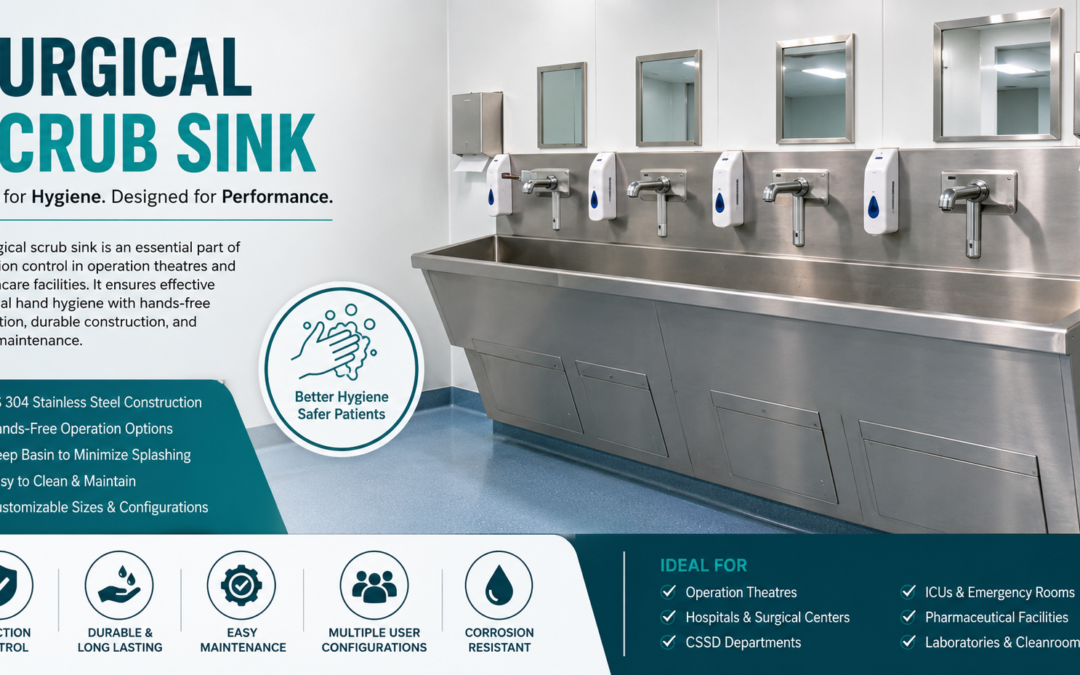
  • Scrub sinks
  • Storage cabinets

CSSD Equipment

A reliable CSSD Equipment Manufacturer provides equipment for sterilization and infection control departments.

  • Sterile storage racks
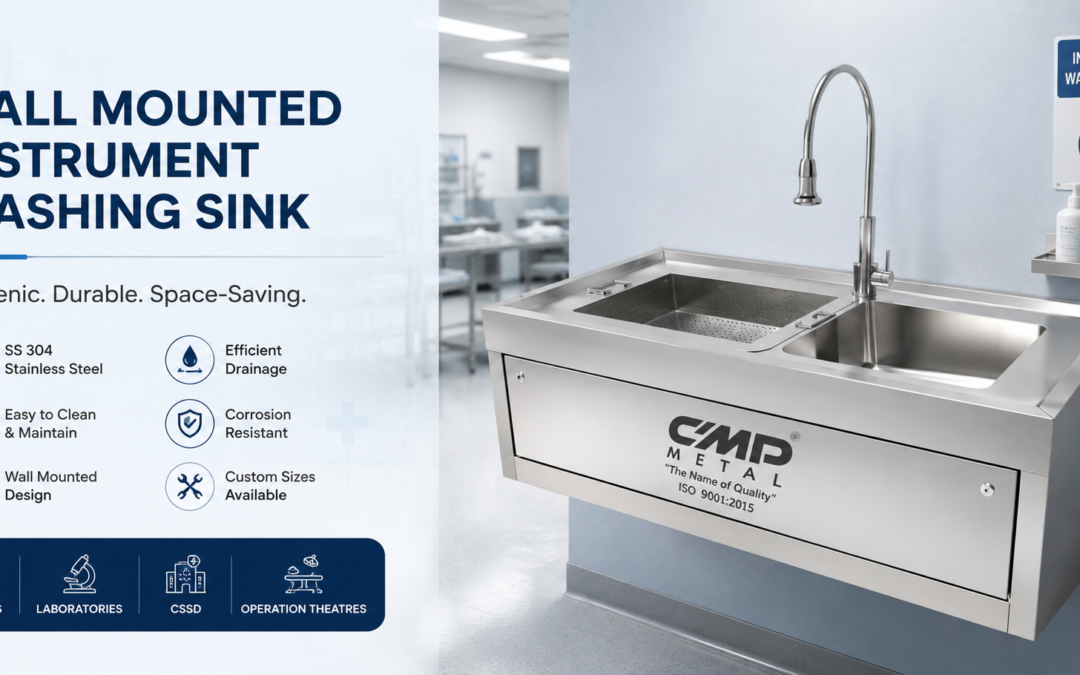
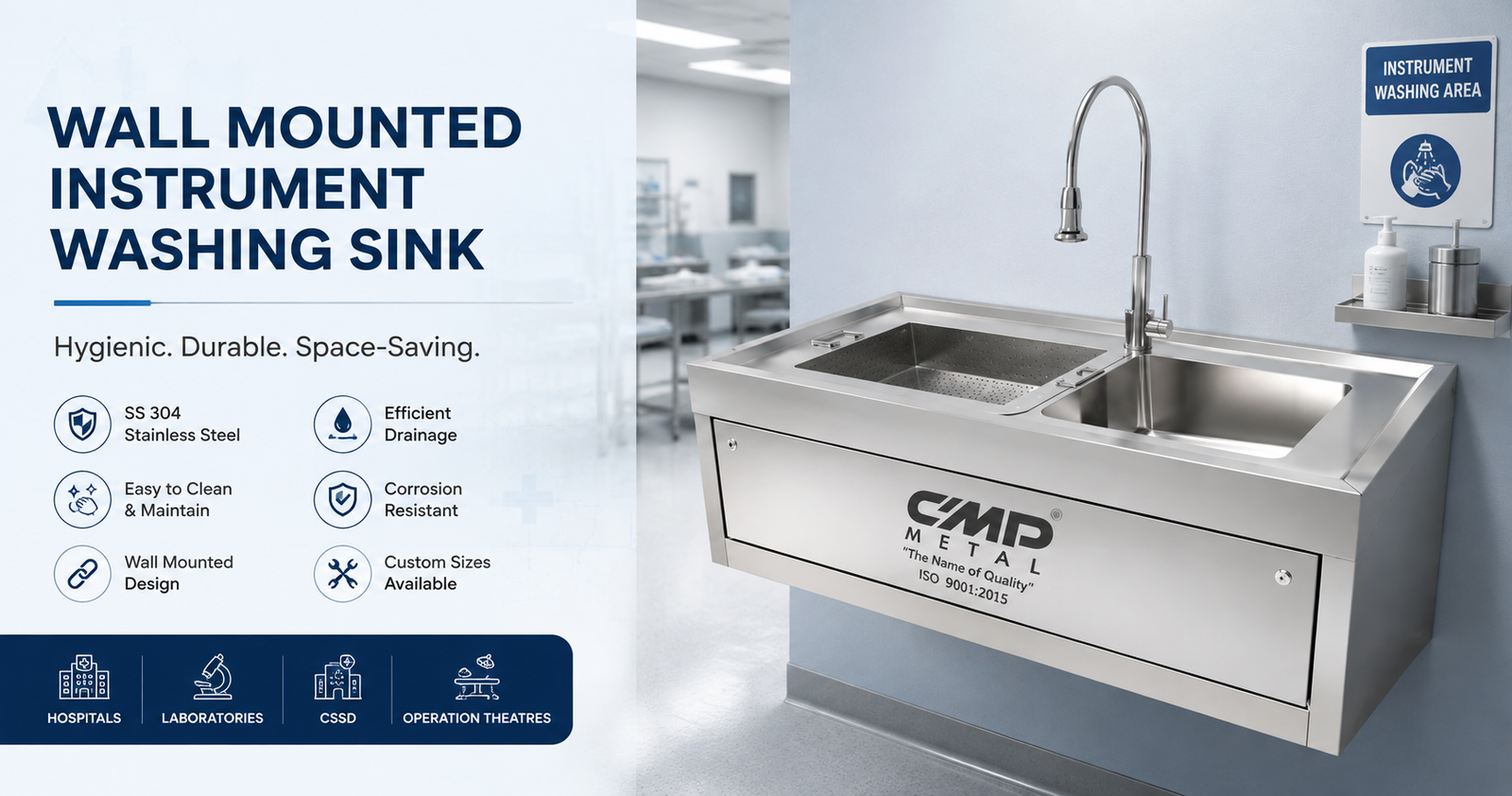
  • Instrument washing sinks
  • Transfer trolleys
  • Packing tables
  • Pass boxes

ICU & Emergency Furniture

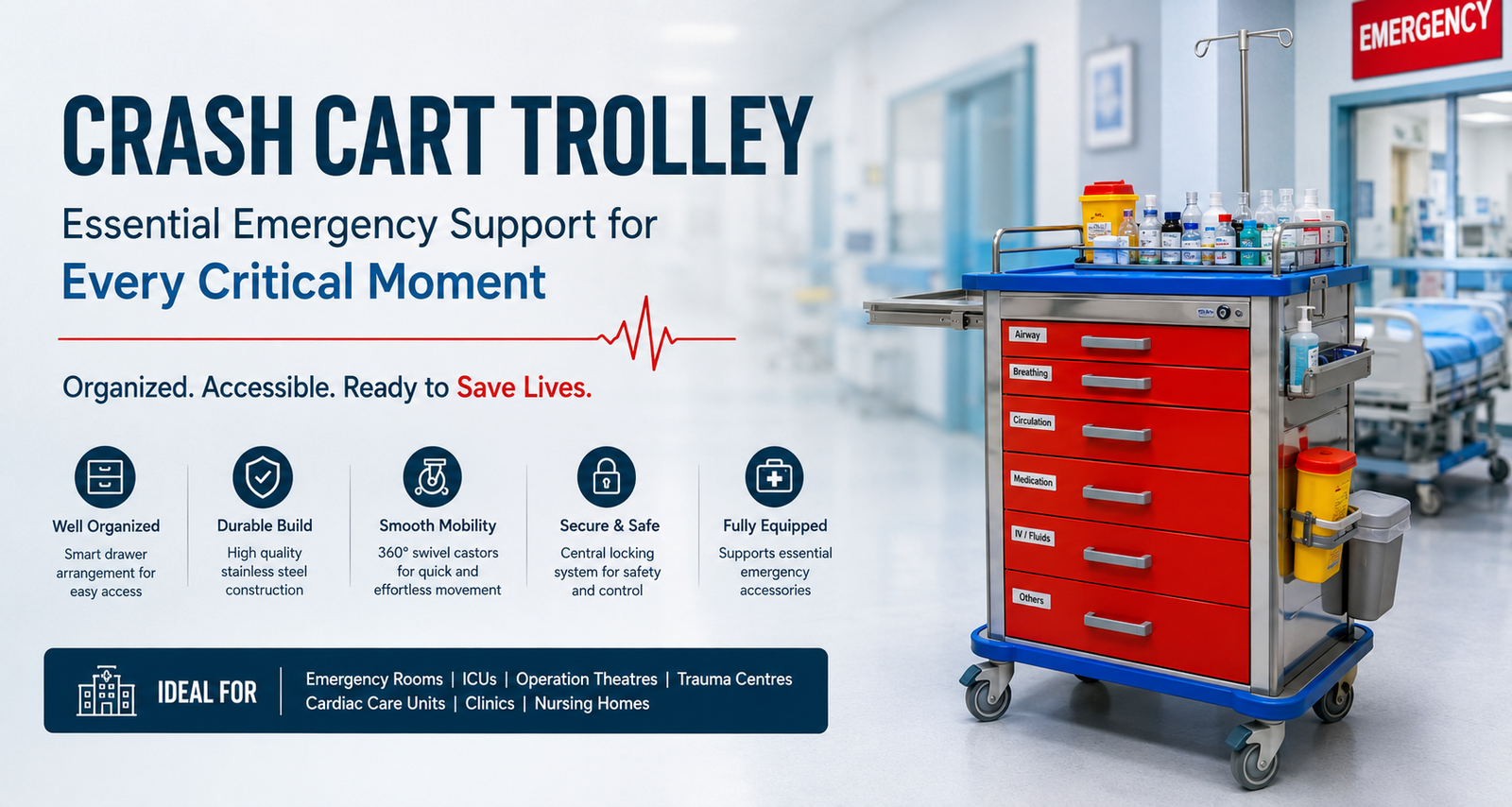
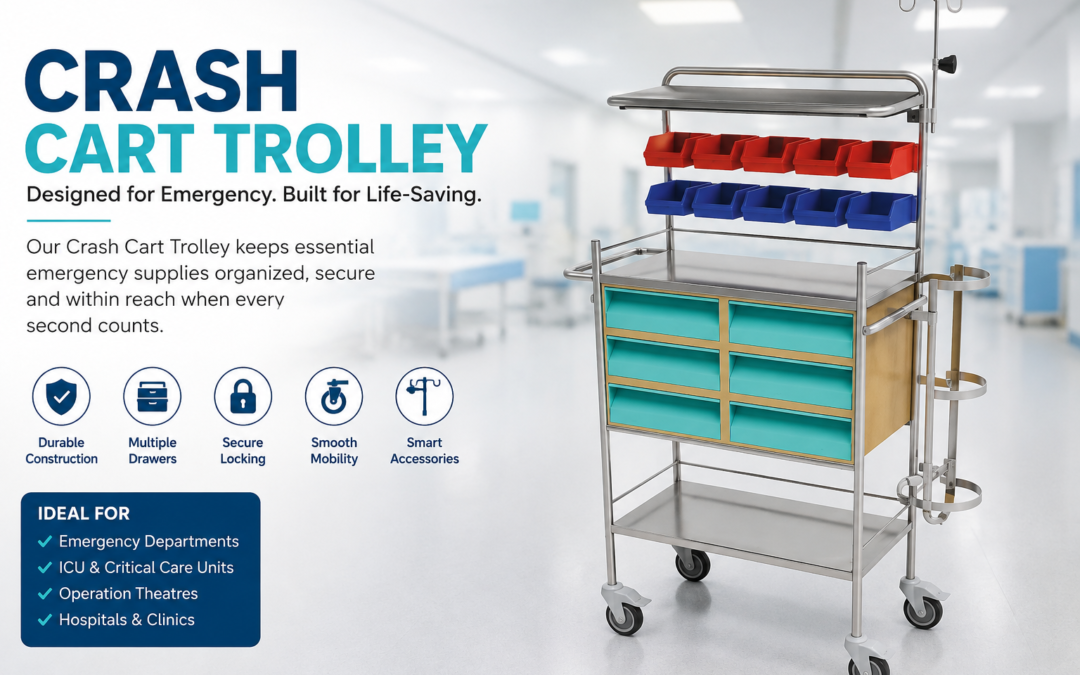
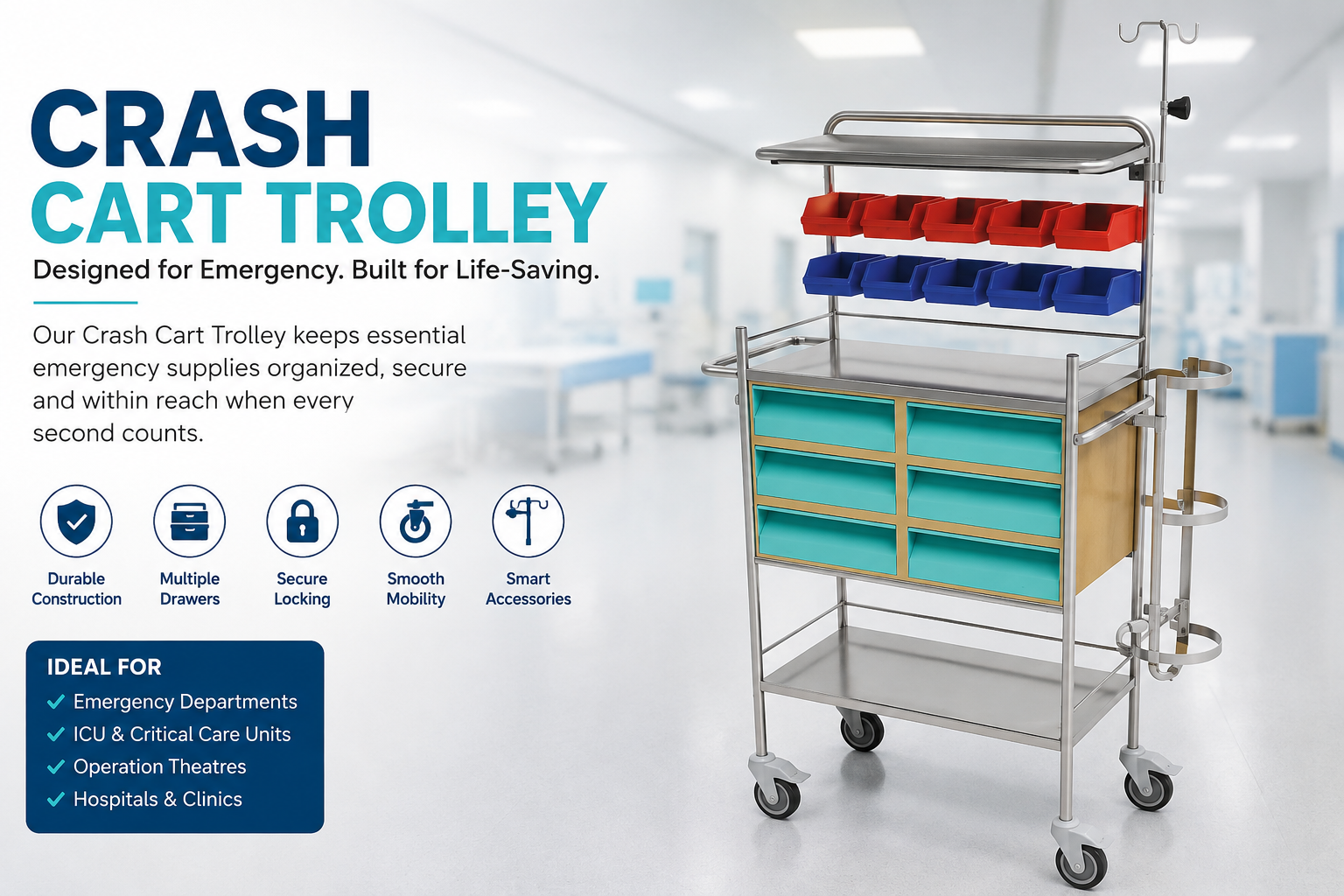
  • Crash carts
  • Monitor stands
  • Emergency trolleys
  • IV stands

Benefits of Stainless Steel Hospital Furniture

Modern healthcare facilities prefer Stainless Steel Hospital Furniture because of its durability and hygiene advantages.

  • Rust resistance
  • Easy cleaning and sanitization
  • Long service life
  • Professional appearance
  • Low maintenance
  • Better infection control

A trusted Stainless Steel Hospital Furniture Manufacturer in Mumbai provides products designed specifically for healthcare environments.

Features of High-Quality Hospital Furniture

Premium Stainless Steel

High-grade stainless steel improves durability and corrosion resistance.

Smooth Surface Finish

Seamless finishing helps maintain proper hygiene standards.

Ergonomic Design

Comfortable and functional designs improve usability for patients and healthcare staff.

Easy Mobility

Trolleys and movable equipment should have smooth wheel systems for easy handling.

Customization Options

Healthcare facilities often require customized dimensions and layouts.

Comparison: Stainless Steel vs Conventional Furniture

Feature Stainless Steel Furniture Conventional Furniture
Durability High Moderate
Rust Resistance Excellent Low
Hygiene Easy to sanitize Difficult to clean
Maintenance Low Higher
Lifespan Long-term Shorter
Appearance Modern and professional Basic

How to Choose the Right Hospital Furniture Supplier

1. Check Industry Experience

Select a manufacturer experienced in healthcare projects and hospital infrastructure.

2. Review Product Range

A complete product portfolio reflects strong manufacturing capability.

3. Verify Material Quality

Always confirm stainless steel grade and fabrication quality.

4. Ask About Customization

Hospitals often require department-specific furniture solutions.

5. Compare Long-Term Value

Focus on durability and reliability rather than only pricing.

Common Mistakes to Avoid

  • Choosing products based only on low cost
  • Ignoring material quality
  • Not checking product finishing
  • Skipping supplier verification
  • Overlooking customization requirements

Expert Tips Before Buying Hospital Furniture

  • Prioritize hygiene-friendly designs
  • Choose corrosion-resistant materials
  • Check product durability for long-term use
  • Ask for product demonstrations
  • Select experienced healthcare furniture manufacturers

An experienced Medical Equipment Manufacturer in Mumbai understands hospital workflow requirements and provides better healthcare solutions.

Why Mumbai is a Major Hub for Hospital Furniture Manufacturing

Mumbai has become a leading center for healthcare furniture manufacturing due to:

  • Strong industrial infrastructure
  • Advanced stainless steel fabrication
  • Skilled workforce
  • Growing healthcare sector
  • Better logistics and supply chain support

Conclusion

Selecting the right Hospital Furniture Manufacturer in Mumbai is important for maintaining healthcare quality, hygiene, and operational efficiency.

From patient care furniture to sterilization systems and stainless steel hospital equipment, healthcare facilities require durable and reliable products designed for long-term performance. Choosing a trusted manufacturer helps hospitals create safer, cleaner, and more efficient healthcare environments.

FAQs

1. Why is stainless steel used in hospital furniture?

Stainless steel is durable, rust-resistant, hygienic, and easy to clean.

2. What products are included in hospital furniture?

Hospital furniture includes beds, trolleys, OT equipment, cabinets, and CSSD systems.

3. How do I choose a hospital furniture supplier?

Check product quality, experience, customization options, and after-sales support.

4. What is CSSD equipment?

CSSD equipment is used for sterilization, cleaning, and safe storage of medical instruments.

5. Why is customization important in hospital furniture?

Different hospital departments require specific layouts and furniture dimensions.

6. What are the benefits of stainless steel hospital furniture?

It offers better hygiene, long lifespan, and low maintenance.

7. Does hospital furniture require maintenance?

Yes, regular cleaning and inspections improve durability and hygiene standards.

Endoscope Washing Sink Manufacturer: Complete Guide for Hospitals and Healthcare Facilities

Endoscope Washing Sink Manufacturer: Complete Guide for Hospitals and Healthcare Facilities

Endoscope Washing Sink Manufacturer: Complete Guide for Hospitals and Healthcare Facilities

Endoscope Washing Sink Manufacturer

Introduction

In modern healthcare facilities, maintaining hygiene standards is more important than ever. Medical equipment such as endoscopes requires proper cleaning and disinfection to prevent infections and ensure patient safety. This is where an advanced endoscope washing sink becomes essential.

Hospitals, diagnostic centers, and CSSD departments often struggle with safe and efficient endoscope cleaning processes. Manual cleaning errors, poor drainage systems, and contamination risks can affect both equipment lifespan and healthcare compliance.

Choosing the right endoscope washing sink manufacturer helps healthcare facilities improve workflow efficiency, infection control, and equipment handling. Whether you are setting up a new hospital, upgrading a CSSD area, or planning a modular OT project, understanding endoscope cleaning systems is crucial.

Why Endoscope Cleaning Matters in Healthcare

Endoscopes are highly sensitive medical instruments used for internal examinations and minimally invasive procedures. Because these devices come into contact with body fluids and internal tissues, they require thorough cleaning after every use.

Improper cleaning can lead to:

  • Cross-contamination
  • Hospital-acquired infections (HAIs)
  • Damage to expensive medical instruments
  • Compliance issues with NABH and healthcare standards
  • Increased maintenance costs

An efficient endoscope cleaning sink helps reduce these risks by supporting proper washing, rinsing, and drying procedures.

Common Problems Healthcare Facilities Face

1. Manual Cleaning Errors

Traditional washing methods may not provide consistent cleaning results. Human errors can increase contamination risks.

2. Lack of Proper Drainage

Improper drainage systems cause water stagnation, which affects hygiene and workflow.

3. Space Management Issues

Small cleaning areas create difficulties in handling multiple endoscopes simultaneously.

4. Equipment Damage

Using unsuitable cleaning stations can damage delicate endoscope components.

5. Compliance Challenges

Healthcare facilities must follow strict infection control protocols. Poor cleaning infrastructure can create compliance problems during inspections.

What Is an Endoscope Washing Sink?

An endoscope sink is a specially designed stainless steel washing station used for cleaning, rinsing, and disinfecting endoscopes safely.

Unlike ordinary sinks, these systems are built specifically for healthcare environments and include:

  • Multi-stage washing areas
  • Smooth hygienic surfaces
  • Chemical-resistant stainless steel
  • Proper drainage systems
  • Ergonomic workflow design

These sinks are commonly used in:

  • Hospitals
  • CSSD departments
  • Gastroenterology units
  • Diagnostic centers
  • Modular operation theatres
  • Endoscopy labs

Types of Endoscope Washing Sink Systems

Single Bowl Endoscope Washing Sink

Suitable for small clinics and diagnostic centers with limited daily procedures.

Best for:

  • Small healthcare facilities
  • Basic endoscope cleaning

Double Bowl Endoscope Cleaning Sink

Designed for washing and rinsing processes separately.

Advantages:

  • Better hygiene control
  • Improved workflow efficiency

Triple Bowl Endoscope Washing Sink

Ideal for high-volume hospitals and CSSD areas.

Used for:

  • Washing
  • Rinsing
  • Disinfection

Customized Endoscope Sink Systems

Many manufacturers provide customized sink sizes and bowl configurations according to hospital layouts and workflow needs.

Endoscope Washer vs Endoscope Washing Sink

Healthcare professionals often confuse an endoscope washer with an endoscope washing sink. Both play important roles but serve different purposes.

Feature Endoscope Washing Sink Endoscope Washer
Cleaning Type Manual or semi-manual Automated
Installation Cost Lower Higher
Workflow Flexible Fully programmed
Maintenance Easy Requires technical servicing
Suitable For Most hospitals & clinics Large healthcare facilities

An endoscope washing machine is usually part of advanced automated disinfection systems, while sinks remain essential for pre-cleaning and manual handling.

Important Features to Look for

Stainless Steel Construction

High-grade SS 304 or SS 316 stainless steel ensures:

  • Corrosion resistance
  • Long lifespan
  • Easy cleaning
  • Infection control

Seamless Hygienic Design

Smooth edges and seamless welding help prevent bacterial growth.

Ergonomic Structure

Healthcare staff use these systems continuously, so ergonomic height and workflow design reduce fatigue.

Proper Drainage System

Efficient drainage prevents water accumulation and contamination.

Chemical Resistance

Cleaning chemicals and disinfectants should not damage the sink surface.

Integrated Accessories

Advanced sinks may include:

  • Spray guns
  • Storage cabinets
  • Drip trays
  • Drying areas
  • Foot-operated controls

Benefits of Using an Advanced Endoscope Cleaning Sink

Better Infection Control

A properly designed sink supports healthcare hygiene protocols and reduces contamination risks.

Improved Workflow Efficiency

Separate washing and rinsing areas help staff work faster and more efficiently.

Equipment Protection

Sensitive endoscopes remain safer during cleaning and handling.

Easy Maintenance

Stainless steel surfaces are easy to sanitize and maintain.

Compliance Support

Modern systems help hospitals maintain NABH and infection control standards.

Step-by-Step Buying Guide

Step 1: Understand Your Daily Volume

Estimate how many endoscopes are cleaned daily.

Step 2: Check Available Space

Measure the CSSD or cleaning room properly before installation.

Step 3: Choose the Right Bowl Configuration

  • Single bowl for small clinics
  • Double or triple bowl for hospitals

Step 4: Verify Material Quality

Always select medical-grade stainless steel construction.

Step 5: Ask About Customization

A good manufacturer should provide layout-based customization options.

Step 6: Evaluate Drainage and Plumbing

Ensure the sink supports smooth water flow and waste management.

Step 7: Compare After-Sales Support

Maintenance and installation support are important for healthcare equipment.

Common Mistakes to Avoid

  • Ignoring workflow design
  • Choosing low-quality stainless steel
  • Overlooking drainage systems
  • Not considering future expansion
  • Focusing only on price

Expert Tips for Healthcare Facilities

  • Prioritize infection control standards
  • Choose experienced manufacturers
  • Consider customized sink systems
  • Train healthcare staff properly
  • Combine sinks with automated cleaning systems

FAQs

What is an endoscope washing sink used for?

An endoscope washing sink is used for cleaning, rinsing, and disinfecting endoscopes safely in hospitals and diagnostic centers.

What material is best for an endoscope cleaning sink?

SS 304 and SS 316 stainless steel are considered ideal because they are corrosion-resistant and hygienic.

What is the difference between an endoscope washer and an endoscope washing machine?

Both terms usually refer to automated systems designed for endoscope cleaning and disinfection.

Why do hospitals need dedicated endoscope sinks?

Dedicated sinks improve infection control, workflow efficiency, and healthcare compliance.

Can endoscope washing sinks be customized?

Yes, manufacturers often provide custom sizes, bowl configurations, and accessories according to hospital requirements.

Are endoscope cleaning sinks important for NABH compliance?

Yes, proper cleaning infrastructure supports infection control standards and healthcare compliance requirements.

Conclusion

A high-quality endoscope washing sink plays a major role in maintaining hygiene, improving workflow efficiency, and protecting sensitive medical equipment in healthcare facilities.

Choosing the right endoscope washing sink manufacturer helps hospitals, CSSD departments, and diagnostic centers maintain better infection control standards while improving operational efficiency.

Healthcare facilities should focus on stainless steel quality, ergonomic design, drainage systems, and customization options while selecting an endoscope cleaning solution for long-term reliability and performance.

Dynamic Pass Box Manufacturer: Complete Guide for Cleanroom & Pharma Industries

Dynamic Pass Box Manufacturer: Complete Guide for Cleanroom & Pharma Industries

Dynamic Pass Box Manufacturer: Complete Guide for Cleanroom & Pharma Industries

Dynamic Pass Box Manufacturer

Introduction

In industries like pharmaceuticals, biotechnology, hospitals, and laboratories, maintaining contamination-free environments is critical. Even a small amount of dust, bacteria, or airborne particles can affect product quality, research accuracy, and safety standards.

This is where a reliable dynamic pass box manufacturer plays an important role.

A dynamic pass box helps transfer materials between cleanroom areas without allowing contamination to enter the controlled environment. It improves hygiene, supports compliance, and increases operational efficiency.

However, many buyers struggle to choose between a dynamic and static pass box, understand cleanroom specifications, or find a trusted cleanroom pass box manufacturer that delivers quality and long-term reliability.

This guide explains everything you need to know before selecting the right pass box system for your facility.

What Problems Do Industries Face Without a Proper Pass Box?

Many industries still face contamination-related challenges due to improper material handling systems.

Common Issues Include:

  • Cross-contamination between cleanroom zones
  • Airborne particle transfer
  • Frequent manual handling errors
  • Poor hygiene compliance
  • Product rejection or quality failures
  • Increased cleanroom maintenance costs

In pharmaceutical manufacturing and laboratory environments, contamination control is not optional. A certified pharma pass box supplier helps maintain sterile transfer conditions while reducing human interference.

Why Choosing the Right Dynamic Pass Box Manufacturer Matters

Not all pass boxes are designed with the same engineering standards. A professional dynamic pass box manufacturer ensures:

  • Proper airflow management
  • HEPA filtration efficiency
  • Durable stainless steel construction
  • Reliable interlocking systems
  • GMP and ISO compliance
  • Long operational lifespan

Choosing the wrong supplier can result in maintenance problems, airflow imbalance, and non-compliance with cleanroom standards.

What is a Dynamic Pass Box?

A dynamic pass box is a cleanroom equipment system used to transfer materials between classified and non-classified areas while maintaining air cleanliness.

Unlike standard transfer chambers, dynamic models use:

  • HEPA filters
  • Motor blowers
  • Air circulation systems
  • UV sterilization (optional)

These features continuously clean the internal chamber air during material transfer.

Main Components of a Dynamic Pass Box

  • Stainless steel body
  • HEPA filter
  • Motor blower assembly
  • Differential pressure gauge
  • Electromagnetic interlocking doors
  • UV light system
  • Control panel

Types of Pass Boxes

1. Dynamic Pass Box

Used in:

  • Pharmaceutical plants
  • Sterile manufacturing units
  • Biotechnology labs
  • High-grade cleanrooms

Features active air filtration and contamination control.

2. Static Pass Box

A static pass box manufacturer provides systems designed for basic material transfer where contamination risk is lower.

Used in:

  • Packaging sections
  • Warehouses
  • Non-critical cleanroom zones

Static pass boxes do not include airflow systems or HEPA filtration.

Dynamic Pass Box vs Static Pass Box

Feature Dynamic Pass Box Static Pass Box
Air Filtration HEPA Filter No Filter
Airflow System Available Not Available
Contamination Control High Moderate
Suitable for Pharma & Sterile Areas Basic Transfer Areas
Maintenance Moderate Low
Cost Higher Lower

A trusted static pass box manufacturer can help for basic cleanroom applications, but critical environments usually require dynamic systems.

Key Features of a High-Quality Cleanroom Pass Box

When selecting a cleanroom pass box manufacturer, look for these important features:

Stainless Steel Construction

SS 304 or SS 316 material improves durability, corrosion resistance, and hygiene.

HEPA Filtration

Removes airborne particles efficiently and maintains clean airflow.

Interlocking Door System

Prevents both doors from opening simultaneously, reducing contamination risks.

UV Sterilization

Helps eliminate microbial contamination inside the chamber.

Noise-Free Operation

High-quality blowers ensure smooth and quiet operation.

Easy Cleaning Design

Rounded corners and smooth surfaces reduce particle accumulation.

Benefits of Using Dynamic Pass Boxes

Better Contamination Control

Dynamic systems reduce airborne contamination during material transfer.

Improved Cleanroom Compliance

Supports GMP, ISO, and FDA cleanroom standards.

Reduced Human Traffic

Minimizes operator movement between controlled zones.

Increased Product Safety

Protects sensitive pharmaceutical and laboratory products.

Operational Efficiency

Improves workflow speed and material handling accuracy.

Industries That Use Dynamic Pass Boxes

A professional pass box supplier generally serves multiple industries.

Common Applications Include:

  • Pharmaceutical manufacturing
  • Biotechnology facilities
  • Hospitals
  • IVF laboratories
  • Food processing units
  • Electronics manufacturing
  • Research laboratories
  • Chemical industries

Step-by-Step Buying Guide for Dynamic Pass Boxes

Choosing the right dynamic pass box manufacturer requires careful evaluation.

Step 1: Identify Cleanroom Classification

Understand whether your facility operates under ISO Class 5, 7, or 8 standards.

Step 2: Define Material Transfer Needs

Consider:

  • Product size
  • Transfer frequency
  • Sterility requirements

Step 3: Check Material Quality

Prefer stainless steel construction with proper surface finishing.

Step 4: Verify Filtration Efficiency

Ensure HEPA filters meet industry standards.

Step 5: Ask About Compliance

Look for:

  • GMP compliance
  • ISO standards
  • Validation support

Step 6: Compare Customization Options

Some industries require customized chamber sizes and airflow configurations.

Step 7: Evaluate After-Sales Support

Reliable technical support and maintenance services are important for long-term performance.

Common Mistakes to Avoid While Buying a Pass Box

Ignoring Cleanroom Requirements

Buying a static system for sterile applications can create contamination risks.

Choosing Based Only on Price

Low-cost systems may compromise filtration efficiency and durability.

Not Checking Interlocking Systems

Poor-quality door interlocks can fail during operation.

Skipping Validation Support

Pharma facilities often require IQ/OQ documentation and validation assistance.

Overlooking Maintenance Access

Choose systems designed for easy cleaning and filter replacement.

Expert Tips Before Selecting a Pharma Pass Box Supplier

Industry professionals recommend focusing on performance, compliance, and long-term reliability rather than only initial cost.

Important Expert Recommendations

  • Always verify HEPA filter specifications
  • Prefer reputed cleanroom equipment manufacturers
  • Ask for airflow testing reports
  • Confirm stainless steel grade
  • Ensure proper electrical safety standards
  • Choose suppliers with pharma industry experience

A trusted pharma pass box supplier should also provide installation guidance and technical documentation.

How Dynamic Pass Boxes Improve Cleanroom Efficiency

Dynamic pass boxes are not just transfer chambers. They directly impact operational quality.

Efficiency Advantages

  • Faster material movement
  • Lower contamination incidents
  • Reduced cleanroom downtime
  • Better workflow management
  • Lower maintenance costs over time

For pharmaceutical production lines, this can significantly improve process reliability.

Frequently Asked Questions (FAQs)

1. What is the difference between a dynamic and static pass box?

A dynamic pass box includes HEPA filtration and airflow systems for contamination control, while a static pass box is used for simple material transfer without active filtration.

2. Why is a dynamic pass box important in pharmaceutical industries?

It helps maintain sterile conditions during material transfer and reduces contamination risks in cleanroom environments.

3. What material is best for a cleanroom pass box?

Stainless steel SS 304 or SS 316 is commonly preferred due to corrosion resistance and hygiene benefits.

4. How often should HEPA filters be replaced?

It depends on usage and environment, but most facilities inspect filters regularly and replace them based on airflow performance and validation reports.

5. Can pass boxes be customized?

Yes. Many manufacturers provide customized dimensions, airflow systems, and control options based on facility requirements.

6. What industries use dynamic pass boxes?

Pharmaceuticals, biotechnology, hospitals, laboratories, food processing, and electronics manufacturing commonly use dynamic pass boxes.

7. How do I choose the right pass box supplier?

Look for industry experience, product quality, cleanroom compliance, customization capability, and after-sales support.

Conclusion

Selecting the right dynamic pass box manufacturer is essential for maintaining contamination-free operations in cleanroom environments. Whether you operate a pharmaceutical plant, laboratory, or sterile manufacturing facility, the right pass box system improves safety, compliance, and workflow efficiency.

Understanding the difference between dynamic and static systems, evaluating cleanroom requirements, and choosing an experienced cleanroom pass box manufacturer can help you make a smarter long-term investment.

A high-quality pass box is not just equipment — it is a critical part of maintaining cleanroom integrity and product quality.