Instrument Washing Sink: Complete Guide for Hospitals & Healthcare Facilities

Instrument Washing Sink: Complete Guide for Hospitals & Healthcare Facilities

Instrument Washing Sink: Complete Guide for Hospitals & Healthcare Facilities

Instrument Washing Sink with Cabinet
In hospitals, laboratories, CSSD departments, and pharmaceutical facilities, cleanliness is not optional — it is critical. Medical instruments must be cleaned properly before sterilization to reduce contamination risks and maintain patient safety. This is where an Instrument Washing Sink becomes an essential part of the workflow.

An efficient washing system improves hygiene standards, speeds up instrument cleaning, and supports infection control protocols. Whether it is a small clinic or a large hospital, choosing the right instrument cleaning sink hospital setup can directly affect operational efficiency and safety.

Today’s healthcare environments demand durable, hygienic, and easy-to-maintain Washing Sinks that can handle constant use while meeting strict sanitation requirements. From stainless steel designs to advanced sink systems with storage cabinets, modern solutions are built for functionality and long-term reliability.

Why Instrument Washing Sinks Matter in Healthcare

Healthcare professionals deal with surgical tools, medical trays, forceps, scissors, and other reusable equipment daily. These instruments often carry biological contaminants after use. Improper washing can lead to:

  • Cross-contamination
  • Infection risks
  • Reduced instrument lifespan
  • Delayed sterilization processes
  • Non-compliance with hygiene regulations

A professionally designed instrument cleaning sink helps healthcare teams maintain proper cleaning workflows before sterilization and disinfection.

In environments such as operation theatres, diagnostic labs, and CSSD units, proper washing stations are part of standard infection prevention practices.

Common Problems Users Face

Many healthcare facilities struggle with outdated or poorly designed sink systems. Some common pain points include:

1. Poor Hygiene Maintenance

Traditional sinks may develop rust, bacterial buildup, or water stagnation over time.

2. Insufficient Workspace

Small or compact sinks create difficulty while handling large surgical instruments.

3. Water Splash Issues

Improper sink depth and drainage systems often lead to water splashing around the workspace.

4. Difficult Cleaning Process

Hard-to-reach corners and poor finishing make cleaning the sink itself more challenging.

5. Lack of Storage

Facilities often need organized storage for detergents, brushes, disinfectants, and accessories.

This is why many hospitals now prefer an Instrument washing sink with cabinet for better organization and workflow management.

What Is an Instrument Washing Sink?

An Instrument Washing Sink is a specially designed stainless steel sink system used for washing, rinsing, and pre-cleaning medical or laboratory instruments before sterilization.

These sinks are commonly installed in:

  • Hospitals
  • CSSD departments
  • Pathology laboratories
  • Pharmaceutical industries
  • Research facilities
  • IVF labs
  • Dental clinics

Unlike regular utility sinks, medical-grade sinks are designed with hygienic construction, corrosion resistance, smooth finishing, and better drainage systems.

Types of Instrument Washing Sinks

1. Single Bowl Instrument Cleaning Sink

Best for:

  • Small clinics
  • Dental setups
  • Compact laboratories

Features:

  • Space-saving design
  • Easy maintenance
  • Cost-effective

2. Double Bowl Washing Sinks

Best for:

  • Hospitals
  • Medium-scale healthcare facilities

Features:

  • Separate washing and rinsing areas
  • Better workflow
  • Improved hygiene control

3. Triple Bowl Instrument Cleaning Sink Hospital Setup

Best for:

  • Large hospitals
  • CSSD departments

Features:

  • Multi-stage cleaning process
  • Segregation of dirty and clean instruments
  • High operational efficiency

4. Instrument Washing Sink with Cabinet

Best for:

  • Organized healthcare environments
  • High-volume facilities

Features:

  • Built-in storage
  • Better space utilization
  • Easy access to cleaning supplies

Important Features to Look For

Stainless Steel Construction

Medical-grade stainless steel offers:

  • Corrosion resistance
  • Long lifespan
  • Easy sanitization
  • Smooth surface finishing

304-grade stainless steel is widely preferred in healthcare applications.

Deep Bowl Design

A deeper bowl minimizes water splashing and makes it easier to clean larger instruments.

Seamless Welded Construction

Seamless joints reduce bacterial accumulation and improve hygiene standards.

Ergonomic Design

Proper height and workspace design reduce strain on healthcare workers during repetitive cleaning tasks.

Drainage Efficiency

Efficient drainage systems help prevent water stagnation and contamination.

Storage Cabinet Integration

An integrated cabinet improves organization and keeps essential cleaning materials within reach.

Benefits of Using an Instrument Washing Sink

Improved Infection Control

Proper washing stations support hospital hygiene protocols and reduce contamination risks.

Better Workflow Efficiency

Dedicated cleaning zones improve staff productivity and reduce cleaning delays.

Longer Instrument Lifespan

Proper pre-cleaning helps preserve delicate surgical instruments.

Easy Maintenance

Modern Washing Sinks are designed for quick cleaning and low maintenance.

Professional Healthcare Environment

Well-designed cleaning stations improve the overall operational setup of medical facilities.

Instrument Washing Sink vs Regular Utility Sink

Feature Instrument Washing Sink Regular Utility Sink
Material Quality Medical-grade stainless steel Standard steel or ceramic
Hygiene Design Seamless & sanitary General-purpose
Drainage Advanced drainage system Basic drainage
Durability Heavy-duty usage Moderate usage
Infection Control High priority Limited
Storage Options Cabinet integration available Usually unavailable

Step-by-Step Buying Guide

Step 1: Understand Usage Volume

Estimate how many instruments are cleaned daily.

  • Small clinics → Single bowl
  • Hospitals → Double or triple bowl

Step 2: Check Material Quality

Always choose corrosion-resistant stainless steel for long-term durability.

Step 3: Evaluate Space Availability

Measure installation space carefully before selecting dimensions.

Step 4: Consider Storage Needs

If organization is important, select an Instrument washing sink with cabinet.

Step 5: Verify Hygiene Standards

Choose sinks with:

  • Rounded corners
  • Smooth welds
  • Easy-clean surfaces

Step 6: Focus on Drainage Design

Proper drainage prevents water accumulation and improves cleanliness.

Common Mistakes to Avoid

  • Buying based only on price
  • Ignoring stainless steel grade
  • Choosing incorrect bowl size
  • Overlooking storage requirements
  • Poor installation planning

Expert Tips for Better Performance

  • Clean sinks regularly using non-corrosive cleaners
  • Avoid harsh chemicals that damage stainless steel
  • Inspect drainage systems frequently
  • Train staff on proper cleaning procedures
  • Use separate cleaning and rinsing areas whenever possible

Facilities involved in quality instruments & equipments for die sinking or precision industrial cleaning also prefer stainless steel sink systems because of their durability and resistance to chemical exposure.

Frequently Asked Questions (FAQs)

1. What is an Instrument Washing Sink used for?

An Instrument Washing Sink is used to clean medical and surgical instruments before sterilization. It helps maintain hygiene and infection control standards.

2. Why are stainless steel Washing Sinks preferred in hospitals?

Stainless steel sinks are corrosion-resistant, easy to sanitize, durable, and suitable for high-hygiene healthcare environments.

3. What is the benefit of an Instrument washing sink with cabinet?

A cabinet provides organized storage for cleaning accessories, detergents, and tools while improving workspace efficiency.

4. How many bowls should an instrument cleaning sink hospital setup have?

It depends on facility size and workflow. Small clinics may use single bowls, while hospitals often require double or triple bowl systems.

5. How often should instrument washing sinks be cleaned?

They should be cleaned daily and sanitized regularly to maintain proper hygiene standards.

6. Can these sinks be used in laboratories?

Yes, instrument cleaning sinks are commonly used in laboratories, research centers, and pharmaceutical facilities.

7. What material is best for instrument cleaning sinks?

304-grade stainless steel is widely considered the best choice because of its durability and hygienic properties.

Conclusion

An Instrument Washing Sink plays a major role in maintaining cleanliness, workflow efficiency, and infection control in healthcare facilities. From hospitals and CSSD departments to laboratories and pharmaceutical units, choosing the right sink system can improve both operational performance and hygiene standards.

Modern instrument cleaning sink hospital solutions are designed with durability, sanitation, and user convenience in mind. Whether you need a compact setup or an advanced Instrument washing sink with cabinet, investing in the right system helps create a safer and more organized healthcare environment.

Hospital Washing Sink Manufacturer: Complete Guide for Healthcare Hygiene

Hospital Washing Sink Manufacturer: Complete Guide for Healthcare Hygiene

Hospital Washing Sink Manufacturer: Complete Guide for Healthcare Hygiene

Hospital Washing Sink Manufacturer

Introduction

Maintaining hygiene in healthcare environments is not just important — it is critical. Hospitals deal with infections, contamination risks, biohazard waste, and constant patient movement every day. This is why selecting the right hospital washing sink manufacturer plays a major role in improving safety, cleanliness, and operational efficiency.

From surgical departments to CSSD units and patient care areas, hospitals require durable and hygienic washing systems that support proper sanitation practices. Poor-quality washing stations can lead to water leakage, bacterial growth, maintenance issues, and inefficient cleaning processes.

Modern healthcare facilities now invest in advanced hospital washing equipment and stainless steel cleaning systems designed specifically for medical environments. Whether it is handwashing stations, scrub sinks, sluice sinks, or disinfection units, choosing reliable equipment directly impacts infection control standards.

In this guide, we will explain everything you need to know about selecting the right manufacturer, understanding equipment types, key features, benefits, and common mistakes to avoid.

Why Hospital Washing Equipment Matters

Hospitals operate in highly sensitive environments where contamination control is essential. Standard commercial sinks are not suitable for healthcare applications because hospitals require specialized cleaning and disinfection systems.

Here are some common challenges healthcare facilities face:

  • Cross-contamination risks
  • Poor drainage systems
  • Rusting or low-quality materials
  • Difficult cleaning procedures
  • Non-compliance with healthcare hygiene standards
  • High maintenance costs
  • Inadequate washing space for medical tools

A trusted hospital washing equipment supplier helps solve these problems by providing healthcare-grade solutions designed for heavy-duty daily use.

Common Problems Hospitals Face with Cleaning Equipment

1. Infection Control Issues

Improper sink design can trap bacteria and contaminants. In hospitals, even minor hygiene failures can create serious infection risks.

2. Equipment Durability Problems

Low-grade steel or poor manufacturing quality often causes corrosion, leakage, and structural damage over time.

3. Inefficient Cleaning Workflow

Hospitals need fast and organized cleaning processes. Poor sink placement or incorrect sizing reduces productivity.

4. Water Wastage

Outdated washing systems may consume excessive water, increasing operational costs.

5. Compliance Challenges

Healthcare facilities must meet hygiene and sanitation regulations. Non-compliant equipment may lead to inspection failures.

How a Hospital Washing Sink Manufacturer Helps Healthcare Facilities

A professional washing and disinfection equipment manufacturer focuses on designing equipment specifically for healthcare environments.

These manufacturers provide:

  • Stainless steel washing stations
  • Sluice sinks
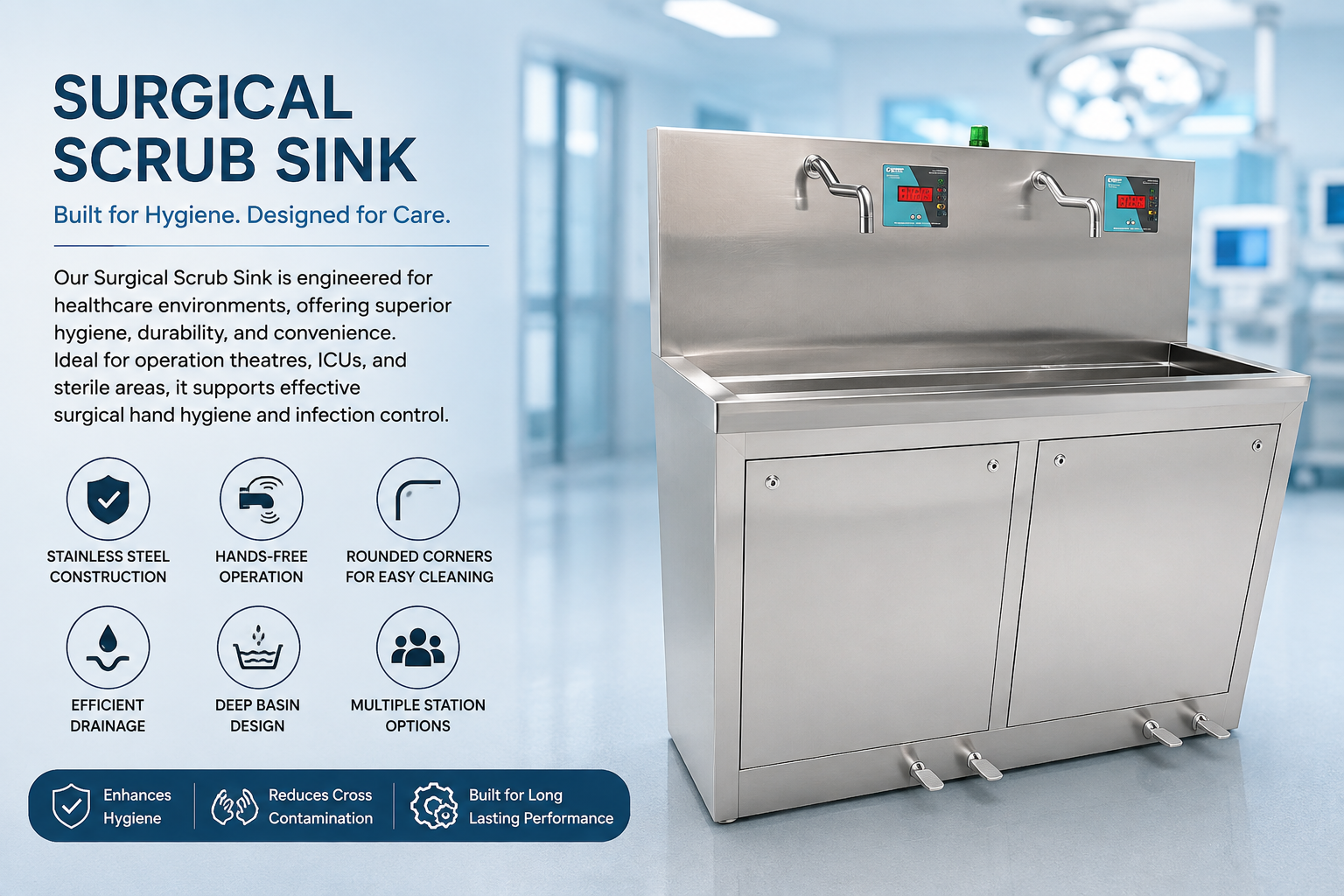
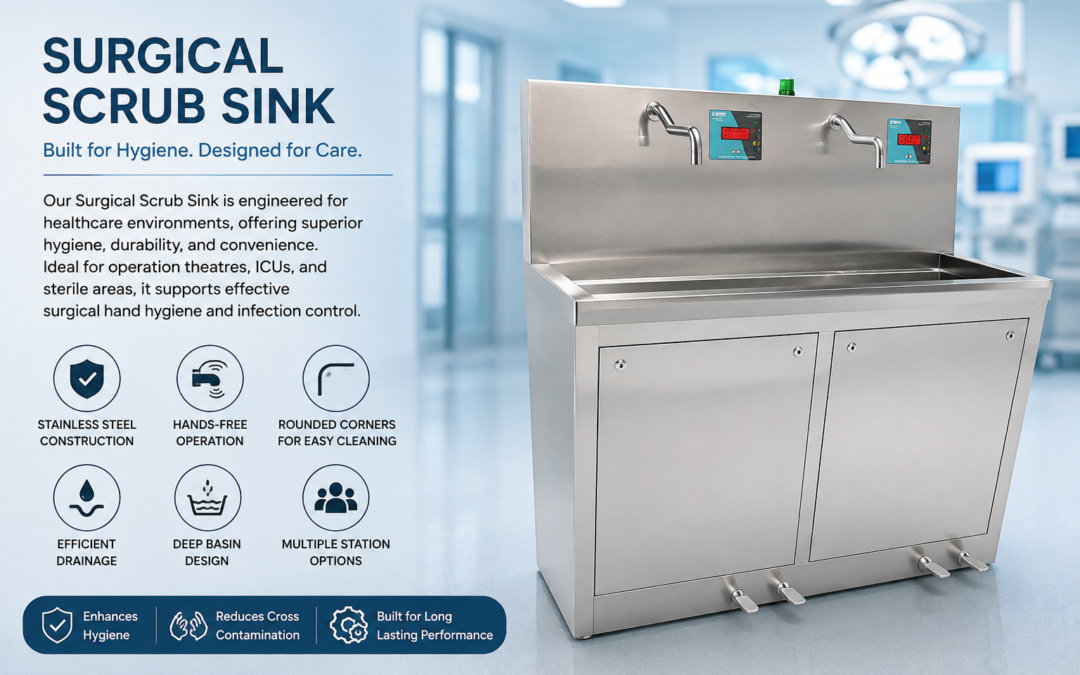
  • Surgical scrub sinks
  • Instrument cleaning sinks
  • CSSD washing systems
  • Hand hygiene stations
  • Utility washing units
  • Automated disinfection equipment

Their products are designed to improve sanitation, workflow efficiency, and long-term durability.

Types of Hospital Washing Equipment

1. Surgical Scrub Sinks

Used by surgeons and medical staff before entering operation theatres.

Features:

  • Hands-free operation
  • Deep sink bowls
  • Splash protection
  • Sensor-based faucets

2. Sluice Sinks

Designed for disposing of medical waste and contaminated liquids.

Common Uses:

  • Utility rooms
  • Cleaning departments
  • Patient care areas

3. Instrument Washing Sinks

Used for cleaning surgical instruments before sterilization.

Benefits:

  • Large workspace
  • Chemical-resistant design
  • Easy drainage systems

4. Hand Wash Stations

Installed across hospitals for regular hygiene maintenance.

5. CSSD Cleaning Units

Used in Central Sterile Supply Departments for washing and disinfecting medical equipment.

Important Features to Look for in Hospital Cleaning Equipment

Choosing the right hospital cleaning equipment requires careful evaluation. Here are the key features hospitals should prioritize.

Stainless Steel Construction

Healthcare environments require corrosion-resistant materials. Stainless steel provides:

  • Easy cleaning
  • Long life
  • Rust resistance
  • Better hygiene

Seamless Design

Smooth edges and seamless welding reduce bacterial buildup.

Hands-Free Technology

Sensor taps and foot-operated systems improve infection control.

Proper Drainage System

Efficient water flow prevents stagnant water and contamination.

Chemical Resistance

Hospital cleaning solutions contain strong disinfectants. Equipment should withstand regular chemical exposure.

Customization Options

A reliable hospital washing sink manufacturer should provide customized solutions based on department requirements.

Benefits of High-Quality Hospital Washing Equipment

Improved Infection Control

Proper cleaning systems reduce contamination risks and support hospital hygiene protocols.

Better Workflow Efficiency

Well-designed washing stations help healthcare staff work faster and more effectively.

Long-Term Cost Savings

Durable equipment reduces repair and replacement expenses.

Regulatory Compliance

Healthcare-grade washing systems help hospitals meet sanitation standards.

Easy Maintenance

Modern cleaning equipment used in hospitals is designed for simple daily cleaning and maintenance.

Comparison: Standard Commercial Sink vs Hospital Washing Sink

Feature Commercial Sink Hospital Washing Sink
Material Quality Basic steel Medical-grade stainless steel
Hygiene Standards Limited High healthcare compliance
Infection Control Standard Advanced
Chemical Resistance Moderate High
Durability Medium Heavy-duty
Cleaning Efficiency Basic Optimized for healthcare

Step-by-Step Guide to Choosing the Right Hospital Washing Sink Manufacturer

Step 1: Check Industry Experience

Choose manufacturers with experience in healthcare and hospital infrastructure projects.

Step 2: Evaluate Product Quality

Inspect:

  • Stainless steel grade
  • Welding quality
  • Finishing
  • Drainage design

Step 3: Ask for Customization

Every hospital has different requirements. A good manufacturer should offer tailored designs.

Step 4: Verify Compliance Standards

Ensure the equipment follows healthcare hygiene and sanitation guidelines.

Step 5: Review Installation Support

Professional installation improves equipment performance and durability.

Step 6: Compare Maintenance Services

Reliable after-sales service is important for healthcare operations.

Common Mistakes to Avoid

Choosing Based Only on Price

Cheap equipment often leads to higher maintenance costs later.

Ignoring Hygiene Design

Poorly designed sinks can trap contaminants and create infection risks.

Selecting Non-Healthcare Equipment

Commercial washing systems may not meet hospital standards.

Not Considering Workflow

Improper sink placement can reduce staff efficiency.

Skipping Manufacturer Verification

Always check certifications, project experience, and product quality before purchasing.

Expert Tips for Better Hospital Hygiene Systems

Prioritize Stainless Steel Equipment

Medical-grade stainless steel remains the preferred choice for healthcare environments.

Choose Hands-Free Systems

Touchless washing systems improve infection prevention.

Focus on Easy Cleaning Design

Simple, smooth surfaces reduce bacterial accumulation.

Invest in Long-Term Quality

High-quality hospital washing equipment supplier solutions provide better durability and lower operational costs.

Plan According to Department Needs

Operation theatres, CSSD units, and patient areas require different washing systems.

FAQ Section

What does a hospital washing sink manufacturer provide?

A hospital washing sink manufacturer designs and manufactures specialized washing systems used in healthcare environments, including scrub sinks, sluice sinks, and instrument cleaning stations.

Why is stainless steel preferred for hospital washing equipment?

Stainless steel is durable, corrosion-resistant, easy to clean, and suitable for maintaining healthcare hygiene standards.

What is the purpose of hospital cleaning equipment?

Hospital cleaning equipment helps maintain sanitation, infection control, and safe cleaning processes in healthcare facilities.

How do hospitals choose washing and disinfection equipment?

Hospitals evaluate material quality, hygiene design, durability, compliance standards, customization options, and manufacturer experience.

What are the benefits of hands-free hospital washing systems?

Hands-free systems reduce physical contact, improve hygiene, and help prevent cross-contamination.

Which departments use hospital washing equipment?

Departments such as operation theatres, CSSD units, laboratories, patient wards, and utility rooms commonly use washing systems.

How often should hospital washing equipment be maintained?

Routine cleaning should happen daily, while professional inspection and maintenance should be scheduled periodically based on usage.

Conclusion

Choosing the right hospital washing sink manufacturer is essential for maintaining healthcare hygiene, operational efficiency, and infection control. Hospitals require specialized washing systems that are durable, easy to clean, and compliant with healthcare standards.

From surgical scrub sinks to advanced hospital cleaning equipment, investing in quality solutions improves patient safety and supports smooth hospital operations. By focusing on material quality, hygiene-focused design, and manufacturer expertise, healthcare facilities can build reliable sanitation systems that perform efficiently for years.

CSSD Furniture: Complete Guide for Modern Hospitals

CSSD Furniture: Complete Guide for Modern Hospitals

CSSD Furniture: Complete Guide for Modern Hospitals

CSSD Furniture for HospitalsIn modern healthcare facilities, hygiene and sterilization are not optional — they are critical. One of the most important areas responsible for maintaining hospital cleanliness is the Central Sterile Supply Department (CSSD). To ensure smooth sterilization workflows, hospitals require high-quality cssd furniture that supports efficiency, infection control, and safety.

Many hospitals struggle with poor workflow management, contamination risks, and inefficient sterilization setups because they use outdated or low-quality furniture for hospitals. This directly impacts patient safety and staff productivity.

That is why selecting the right cssd furniture for hospitals has become essential for healthcare facilities aiming to meet modern healthcare standards. From stainless steel workstations to storage cabinets and sterilization trolleys, every component plays an important role in maintaining sterile environments.

This guide explains everything you need to know about CSSD furniture, including types, benefits, buying tips, and how to choose reliable cssd manufacturers in India.

What Is CSSD Furniture?

CSSD furniture refers to specialized hospital furniture designed specifically for sterilization departments. These products are made to support cleaning, disinfecting, packing, sterilizing, and storing medical instruments safely.

Unlike regular furniture, CSSD setups are built using medical-grade stainless steel and hygienic designs to minimize contamination risks.

Common examples include:

  • Stainless steel work tables
  • Instrument storage cabinets
  • Sterilization trolleys
  • Packing tables
  • Wash area furniture
  • Pass boxes
  • Drying racks
  • Sink units

Most cssd equipment manufacturers in india focus on creating furniture that complies with hospital hygiene standards and infection control requirements.

Why CSSD Furniture Matters in Hospitals

Hospital sterilization departments handle thousands of surgical instruments every day. Poorly designed furniture can create workflow interruptions and contamination risks.

Key Reasons Why CSSD Furniture Is Important:

  • Maintains sterile environments
  • Supports infection prevention
  • Improves workflow efficiency
  • Enhances staff safety
  • Reduces contamination risks
  • Provides organized instrument storage
  • Supports NABH and healthcare compliance

High-quality cssd furniture for hospitals also improves durability and reduces long-term maintenance costs.

Common Problems Hospitals Face Without Proper CSSD Furniture

Healthcare facilities often face operational issues when they use standard or low-quality furniture.

Common Challenges Include:

1. Poor Workflow Management

Improper layouts create confusion between dirty and sterile zones.

2. Contamination Risks

Non-hygienic surfaces can collect bacteria and germs.

3. Difficult Cleaning

Low-quality materials are harder to disinfect properly.

4. Space Utilization Issues

Poor storage systems create clutter in sterilization areas.

5. Frequent Maintenance

Cheap materials often rust or get damaged quickly.

This is why hospitals prefer trusted cssd furniture manufacturers that specialize in healthcare environments.

Types of CSSD Furniture

1. Stainless Steel Work Tables

These tables are used for instrument inspection, packing, and preparation.

Features:

  • Corrosion-resistant
  • Easy to clean
  • Heavy-duty structure
  • Smooth hygienic finish

2. Instrument Storage Cabinets

Storage cabinets help organize sterile instruments safely.

Benefits:

  • Dust protection
  • Better organization
  • Improved workflow
  • Hygienic storage

3. Sterilization Trolleys

Trolleys transport sterile and used instruments between departments.

Common Uses:

  • OT instrument transfer
  • Linen movement
  • Waste handling
  • Sterile supply movement

4. Sink Units & Washing Stations

Used for cleaning and disinfecting surgical tools before sterilization.

Features:

  • Deep sink bowls
  • Splash-resistant design
  • Stainless steel construction
  • Ergonomic working height

5. Pass Boxes

Pass boxes allow safe transfer of materials between cleanrooms and sterile areas.

Advantages:

  • Reduces contamination
  • Controlled transfer process
  • Improves infection control

Features to Look for in CSSD Furniture

Selecting the right cssd furniture manufacturer is not just about price. Hospitals should focus on quality, safety, and long-term usability.

Important Features Include:

Feature Importance
Stainless Steel Construction Prevents rust and contamination
Smooth Surface Finish Easy cleaning and maintenance
Hygienic Design Reduces bacterial growth
Heavy-Duty Durability Long service life
Ergonomic Design Improves staff comfort
Modular Design Better space management
Easy Mobility Efficient transport operations

Benefits of High-Quality CSSD Furniture

Investing in premium furniture for hospitals offers long-term operational benefits.

Major Benefits:

Better Infection Control

Medical-grade stainless steel minimizes bacterial growth.

Improved Workflow

Proper layouts reduce unnecessary movement.

Easy Maintenance

Smooth surfaces simplify cleaning processes.

Longer Lifespan

Durable furniture reduces replacement costs.

Compliance Support

Supports NABH and healthcare quality standards.

Enhanced Productivity

Well-organized workspaces improve staff efficiency.

CSSD Furniture Materials: Why Stainless Steel Is Preferred

Most professional cssd manufacturers use stainless steel because it provides the best balance of hygiene, durability, and corrosion resistance.

Advantages of Stainless Steel:

  • Rust-resistant
  • Non-porous surface
  • Chemical resistant
  • Easy sterilization
  • Long-lasting performance

Grades like SS304 are commonly used in hospital sterilization departments.

Comparison: Standard Furniture vs CSSD Furniture

Factor Standard Furniture CSSD Furniture
Material Quality Basic materials Medical-grade stainless steel
Hygiene Difficult to disinfect Easy to sanitize
Durability Moderate Heavy-duty
Hospital Compliance Limited Designed for healthcare
Infection Control Low High
Maintenance Frequent repairs Low maintenance

Step-by-Step Guide to Buying CSSD Furniture

Step 1: Analyze Workflow Requirements

Understand:

  • Instrument volume
  • Department size
  • Sterilization process flow

Step 2: Choose Reliable CSSD Manufacturers

Always verify:

  • Industry experience
  • Product quality
  • Healthcare specialization
  • Customer reviews

Step 3: Check Material Quality

Prefer:

  • SS304 stainless steel
  • Smooth welded joints
  • Corrosion-resistant finish

Step 4: Evaluate Customization Options

Many hospitals require custom dimensions and layouts.

Step 5: Compare Pricing & Service

Do not select suppliers based only on low pricing. Focus on:

  • Quality
  • Warranty
  • After-sales support
  • Installation assistance

Common Mistakes to Avoid

  • Buying low-cost non-medical furniture
  • Ignoring workflow planning
  • Choosing poor-quality stainless steel
  • Overlooking maintenance requirements
  • Not checking manufacturer expertise
  • Ignoring future expansion needs

Reliable cssd equipment manufacturers in india usually help hospitals avoid these issues through consultation and planning support.

Expert Tips for Selecting the Right CSSD Furniture

Focus on Long-Term Value

Quality furniture lasts longer and reduces operational problems.

Prioritize Infection Control

Always choose hygienic designs and smooth finishes.

Verify Manufacturer Experience

Experienced cssd furniture manufacturers understand healthcare standards better.

Plan Space Efficiently

Good layouts improve sterilization efficiency significantly.

Ask About Customization

Customized furniture improves workflow optimization.

FAQs About CSSD Furniture

1. What is CSSD furniture used for?

CSSD furniture is used in hospital sterilization departments for cleaning, storing, packing, and transporting medical instruments safely.

2. Why is stainless steel preferred for CSSD furniture?

Stainless steel is durable, corrosion-resistant, hygienic, and easy to disinfect, making it ideal for healthcare environments.

3. How do I choose the right CSSD furniture manufacturer?

Look for experience, healthcare specialization, stainless steel quality, customization options, and after-sales support.

4. What are the main types of CSSD furniture?

Common types include work tables, storage cabinets, sink units, trolleys, pass boxes, and packing stations.

5. Is customized CSSD furniture better for hospitals?

Yes. Customized furniture improves workflow efficiency, space management, and sterilization operations.

6. What is the role of CSSD in hospitals?

The Central Sterile Supply Department ensures all surgical instruments and medical tools are properly sterilized before use.

7. Are there reliable CSSD equipment manufacturers in India?

Yes, many Indian manufacturers provide high-quality CSSD solutions designed for hospitals, laboratories, and healthcare facilities.

Conclusion

Choosing the right cssd furniture is essential for maintaining efficient sterilization processes and infection control in healthcare facilities. Hospitals today need durable, hygienic, and workflow-friendly furniture solutions that support safety and operational efficiency.

From stainless steel workstations to storage cabinets and transfer trolleys, every component in a CSSD setup contributes to smoother hospital operations. Working with experienced cssd manufacturers and trusted cssd equipment manufacturers in india helps healthcare facilities build reliable and future-ready sterilization departments.

Instead of focusing only on cost, hospitals should prioritize quality, hygiene standards, durability, and workflow optimization when selecting cssd furniture for hospitals.


Sluice Sink Manufacturers: Complete Guide for Hospitals & Healthcare Facilities

Sluice Sink Manufacturers: Complete Guide for Hospitals & Healthcare Facilities

Sluice Sink Manufacturers: Complete Guide for Hospitals & Healthcare Facilities

Best Stainless Steel Sluice Sink


Introduction

In hospitals, laboratories, and healthcare facilities, hygiene is not just important — it is critical. One overlooked yet essential component of infection control is the sluice sink. From safe waste disposal to maintaining cleanliness standards, these sinks play a major role in medical environments.

Today, many healthcare facilities struggle to choose the right Sluice Sink Manufacturers because the market offers different materials, designs, and quality levels. Selecting the wrong product can lead to hygiene issues, corrosion problems, difficult cleaning processes, and higher maintenance costs.

This guide explains everything you need to know about choosing the right hospital sluice sink, understanding its features, comparing types, and avoiding common purchasing mistakes.

Why Sluice Sinks Matter in Healthcare Facilities

A medical sluice sink is specially designed for disposing of contaminated liquids and medical waste safely. These sinks are commonly installed in:

  • Hospitals
  • Clinics
  • Diagnostic laboratories
  • Nursing homes
  • Operation theatres
  • Isolation wards
  • CSSD departments

Unlike regular sinks, a sluice sink stainless steel unit is built to handle heavy-duty cleaning, chemical exposure, and high hygiene requirements.

Without proper sluice sink systems, healthcare facilities may face:

  • Cross-contamination risks
  • Poor infection control
  • Difficult waste management
  • Higher cleaning effort
  • Hygiene compliance issues

Common Problems Buyers Face

Many facility managers and hospital procurement teams encounter several challenges while selecting a sluice sink.

1. Poor Material Quality

Low-grade steel can rust quickly in wet and chemical-heavy environments.

2. Difficult Cleaning

Improper sink designs create corners where dirt and bacteria accumulate.

3. Drainage Issues

Incorrect slope or poor plumbing design can lead to clogging and unpleasant odors.

4. Non-Compliance with Hygiene Standards

Some products fail to meet healthcare sanitation requirements.

5. Short Product Lifespan

Cheap manufacturing often leads to dents, leakage, and corrosion within a few years.

This is why choosing experienced Sluice Sink Manufacturers becomes extremely important.

Types of Sluice Sinks Used in Hospitals

1. Hospital Sluice Sink

A standard hospital sluice sink is designed for disposing of liquid waste and cleaning medical containers safely.

Common Applications:

  • Patient wards
  • Emergency rooms
  • Utility rooms

Key Features:

  • Deep bowl design
  • Splash protection
  • Heavy-duty drainage

2. Sluice Sink with Slop Hopper

A sluice sink with slop hopper combines a sink with a waste disposal hopper for easy emptying of liquid and semi-solid waste.

Advantages:

  • Faster cleaning process
  • Better hygiene management
  • Reduced splash contamination

These are commonly used in:

  • Janitorial areas
  • Hospital cleaning stations
  • Utility sections

3. Cleaners Sluice Sink

A cleaners sluice sink is specially designed for housekeeping and sanitation staff.

Typically Used For:

  • Mop cleaning
  • Bucket filling
  • Wastewater disposal

Why It Matters:

It improves housekeeping efficiency while maintaining infection control standards.

4. Stainless Steel Medical Sluice Sink

A sluice sink stainless steel model is the most preferred option in healthcare settings.

Benefits:

  • Rust resistance
  • Easy sanitization
  • Long lifespan
  • Smooth surface finish

Grade 304 stainless steel is widely recommended for healthcare use.

Important Features to Look For

When evaluating Sluice Sink Manufacturers, focus on product quality rather than just pricing.

Material Quality

Choose:

  • SS 304 stainless steel
  • Corrosion-resistant finish
  • Heavy-gauge construction

Avoid low-grade steel that corrodes quickly.

Hygienic Design

Look for:

  • Rounded edges
  • Seamless welding
  • Smooth finishing

These features reduce bacterial growth.

Proper Drainage System

Efficient drainage prevents:

  • Water stagnation
  • Odor buildup
  • Blockages

Splash Protection

High-back splash guards improve cleanliness and worker safety.

Easy Maintenance

A good medical sluice sink should be:

  • Easy to clean
  • Chemical-resistant
  • Low maintenance

Stainless Steel vs Traditional Sinks

Feature Stainless Steel Sluice Sink Traditional Sink
Hygiene Excellent Moderate
Rust Resistance High Low
Lifespan Long-lasting Shorter
Cleaning Easy Difficult
Durability Heavy-duty Average
Healthcare Compliance Suitable Limited

Step-by-Step Buying Guide

Step 1: Understand Your Application

Identify where the sink will be installed:

  • ICU
  • Ward
  • Cleaning area
  • Laboratory

Different departments require different sink configurations.

Step 2: Check Material Grade

Always ask for:

  • Stainless steel grade
  • Thickness specification
  • Finish quality

Grade 304 SS is commonly recommended.

Step 3: Verify Manufacturer Experience

Reliable Sluice Sink Manufacturers usually have:

  • Healthcare industry experience
  • Customization capability
  • Quality certifications

Step 4: Review Hygiene Features

Check for:

  • Smooth welding
  • Rounded corners
  • Splash prevention

Step 5: Evaluate Plumbing Compatibility

Ensure the sink matches your:

  • Drainage system
  • Water connection
  • Floor layout

Step 6: Compare Warranty & Support

Good manufacturers provide:

  • Product warranty
  • Installation support
  • Spare part availability

Common Mistakes to Avoid

  • Choosing based only on price
  • Ignoring stainless steel grade
  • Poor space planning
  • Overlooking cleaning convenience
  • Buying from inexperienced suppliers

Expert Tips for Choosing the Right Sluice Sink

  • Prioritize hygiene standards
  • Choose seamless construction
  • Consider future maintenance
  • Focus on worker safety
  • Verify customization options

Benefits of High-Quality Sluice Sinks

  • Improved infection control
  • Better workflow efficiency
  • Reduced maintenance costs
  • Compliance with healthcare standards
  • Long product lifespan

FAQ Section

What is a sluice sink used for in hospitals?

A sluice sink is used for safely disposing of contaminated liquids, cleaning medical containers, and maintaining hygiene in healthcare facilities.

Why is stainless steel preferred for medical sluice sinks?

Sluice sink stainless steel models are durable, rust-resistant, easy to sanitize, and suitable for high-hygiene environments.

What is the difference between a sluice sink and a regular sink?

A medical sluice sink is specifically designed for healthcare waste disposal and infection control, unlike standard household sinks.

What is a sluice sink with slop hopper?

A sluice sink with slop hopper includes a waste disposal hopper that allows quick disposal of liquid and semi-solid waste materials.

How do I choose reliable Sluice Sink Manufacturers?

Check their industry experience, material quality, customization capability, healthcare compliance, and customer support services.

Which stainless steel grade is best for hospital sluice sinks?

Grade 304 stainless steel is commonly recommended because of its corrosion resistance and hygienic properties.

Are cleaners sluice sinks important in hospitals?

Yes, a cleaners sluice sink helps housekeeping staff safely manage wastewater, mop cleaning, and sanitation processes.

Conclusion

Choosing the right Sluice Sink Manufacturers is essential for maintaining hygiene, safety, and operational efficiency in healthcare environments. Whether you need a hospital sluice sink, a sluice sink with slop hopper, or a cleaners sluice sink, focusing on quality materials, hygienic design, and durability can make a major difference.

A well-designed medical sluice sink not only improves infection control but also supports smoother cleaning operations and long-term reliability. By understanding the key features, comparing options carefully, and avoiding common buying mistakes, healthcare facilities can invest in equipment that delivers both performance and hygiene standards for years to come.

Portable Wash Basin: Complete Guide for Smart & Hygienic Use

Portable Wash Basin: Complete Guide for Smart & Hygienic Use

Portable Wash Basin: Complete Guide for Smart & Hygienic Use

Portable Wash Basin

Introduction

A portable wash basin is becoming an essential solution for modern hygiene needs. Whether you need a temporary handwashing setup at an outdoor event, a convenient sink for camping, or a salon-friendly washing station, portable basins offer flexibility and convenience without complicated plumbing.

Many people struggle with maintaining hygiene in places where permanent wash stations are unavailable. Construction sites, outdoor kitchens, campsites, medical camps, salons, and even small apartments often need a practical washing solution. That’s where portable systems become highly useful.

Today, users want compact, lightweight, easy-to-carry, and water-efficient solutions. From a portable hand wash basin with water tank to a portable wash basin with stand, there are several options designed for different purposes.

Common Problems Users Face

Limited Access to Plumbing

Outdoor events, campsites, and temporary workplaces often do not have permanent water connections.

Hygiene Concerns

Poor hand hygiene can increase health risks, especially in food preparation areas and healthcare environments.

Space Constraints

Small spaces may not support traditional sink installations, making portable units a practical alternative.

Difficult Transportation

Heavy washing units are difficult to move. Users prefer foldable and lightweight designs.

What Is a Portable Wash Basin?

A portable wash basin is a movable sink system designed for washing hands, utensils, hair, or small items without permanent plumbing installation.

These units may include:

  • Water tank
  • Drainage system
  • Faucet or tap
  • Foldable stand
  • Soap dispenser
  • Mobility wheels

A portable wash basin sink is highly useful for temporary setups and outdoor hygiene applications.

Types of Portable Wash Basin

1. Portable Hand Wash Basin with Water Tank

These units come with clean water storage and wastewater collection systems.

Best for:

  • Medical camps
  • Outdoor food stalls
  • Schools
  • Public events

2. Portable Wash Basin for Camping

A portable wash basin for camping is lightweight, compact, and easy to carry during outdoor trips.

Features include:

  • Foldable structure
  • Compact storage
  • Foot pump operation
  • Easy assembly

3. Portable Hair Wash Basin

A portable hair wash basin is commonly used in salons, elderly care, and home beauty services.

Main features:

  • Adjustable height
  • Comfortable neck support
  • Drain hose system
  • Portable design

4. Portable Wash Basin with Stand

This type provides better stability and user comfort for commercial or outdoor use.

Key Features to Look For

Water Capacity

Choose the tank size according to usage duration and number of users.

Material Quality

High-quality plastic and stainless steel provide durability and easy cleaning.

Mobility

Lightweight construction and wheels improve portability.

Drainage System

Efficient wastewater drainage helps maintain hygiene and cleanliness.

Ease of Setup

Quick installation saves time and effort.

Benefits of Using a Portable Wash Basin

  • Improves hygiene in temporary spaces
  • No permanent plumbing required
  • Easy transportation and mobility
  • Space-saving design
  • Simple maintenance and cleaning
  • Suitable for indoor and outdoor use

Portable Wash Basin Comparison Table

Feature Basic Portable Basin Portable Basin with Water Tank Portable Wash Basin with Stand
Water Storage No Yes Optional
Mobility Medium High Medium
Best Use Indoor temporary use Outdoor & events Commercial use
Plumbing Needed Sometimes No Sometimes
Setup Time Quick Moderate Moderate
Stability Basic Good Excellent

Step-by-Step Buying Guide

Step 1: Identify the Purpose

Understand where and how the basin will be used:

  • Camping
  • Salon services
  • Industrial hygiene
  • Outdoor events

Step 2: Check Water Capacity

Larger tanks are ideal for long-duration use and multiple users.

Step 3: Evaluate Portability

Choose foldable and lightweight models if frequent transportation is required.

Step 4: Consider User Comfort

Adjustable height and ergonomic design improve usability.

Step 5: Verify Maintenance Requirements

Easy-to-clean surfaces and removable tanks simplify maintenance.

Common Mistakes to Avoid

  • Ignoring water tank size
  • Choosing poor-quality materials
  • Overlooking drainage systems
  • Buying oversized models
  • Ignoring actual usage requirements

Expert Tips

  • Use separate clean and wastewater tanks
  • Clean the basin regularly to prevent odor buildup
  • Store the unit dry after use
  • Choose foot-operated models for public use
  • Invest in durable materials for long-term performance

Related Semantic Keywords

portable sink station, mobile hand wash station, outdoor handwashing sink, camping wash station, portable hygiene station, foldable wash basin, compact portable sink, portable sanitation solution, travel wash basin, salon wash basin, movable sink unit, temporary hand wash station, utility wash station, lightweight wash basin, self-contained wash basin

FAQs

1. What is a portable wash basin used for?

A portable wash basin is used for handwashing, dishwashing, hair washing, and hygiene maintenance in places without permanent plumbing.

2. Is a portable wash basin suitable for camping?

Yes, a portable wash basin for camping is specially designed for outdoor use and travel convenience.

3. What is the advantage of a portable hand wash basin with water tank?

It provides a complete washing solution without requiring direct plumbing connections.

4. Can portable wash basins be used indoors?

Yes, they are commonly used in salons, clinics, apartments, and temporary workspaces.

5. How do you clean a portable wash basin?

Use mild detergent, empty wastewater tanks regularly, and dry the system before storage.

6. Are portable hair wash basins comfortable?

Yes, modern portable hair wash basin models include ergonomic neck support and adjustable height features.

7. Which material is best for a portable wash basin sink?

Stainless steel and durable plastic are considered reliable, lightweight, and easy to maintain.

Conclusion

A portable wash basin is a practical and flexible hygiene solution for locations where permanent plumbing is unavailable. Whether you need a portable wash basin with stand, a portable hand wash basin with water tank, or a portable wash basin sink for camping or commercial use, selecting the right model can significantly improve convenience and cleanliness.

By understanding the features, avoiding common buying mistakes, and focusing on long-term usability, users can choose a portable washing solution that delivers reliable performance and better hygiene management.