Crash Cart Trolley: Complete Guide to Equipment, Arrangements, and Checklist

Crash Cart Trolley: Complete Guide to Equipment, Arrangements, and Checklist

Crash Cart Trolley: Complete Guide to Equipment, Arrangements, Checklist & Buying Tips

Crash Cart Trolley 

Introduction

In medical emergencies, every second matters. Whether it’s a cardiac arrest, respiratory failure, or a sudden patient collapse, healthcare professionals need immediate access to life-saving tools and medications. This is where a crash cart trolley becomes essential.

A crash cart trolley is a specially designed mobile unit that stores emergency medical equipment, medications, and supplies required for critical patient care. Hospitals, clinics, emergency rooms, ICUs, and surgical centers rely on these trolleys to ensure rapid response during emergencies.

Without proper organization and maintenance, valuable time can be lost during critical situations. Understanding the right crash cart setup can significantly improve patient outcomes and emergency preparedness.

Common Challenges in Emergency Response

Many healthcare facilities face challenges when managing emergency carts, including:

  • Missing emergency medications
  • Disorganized drawers and compartments
  • Expired supplies
  • Lack of routine inspections
  • Difficulty locating equipment during emergencies
  • Inconsistent crash cart trolley arrangements

These issues can delay treatment and increase risks during life-threatening situations. A properly maintained emergency crash cart trolley helps eliminate these problems and ensures readiness at all times.

What Is a Crash Cart Trolley?

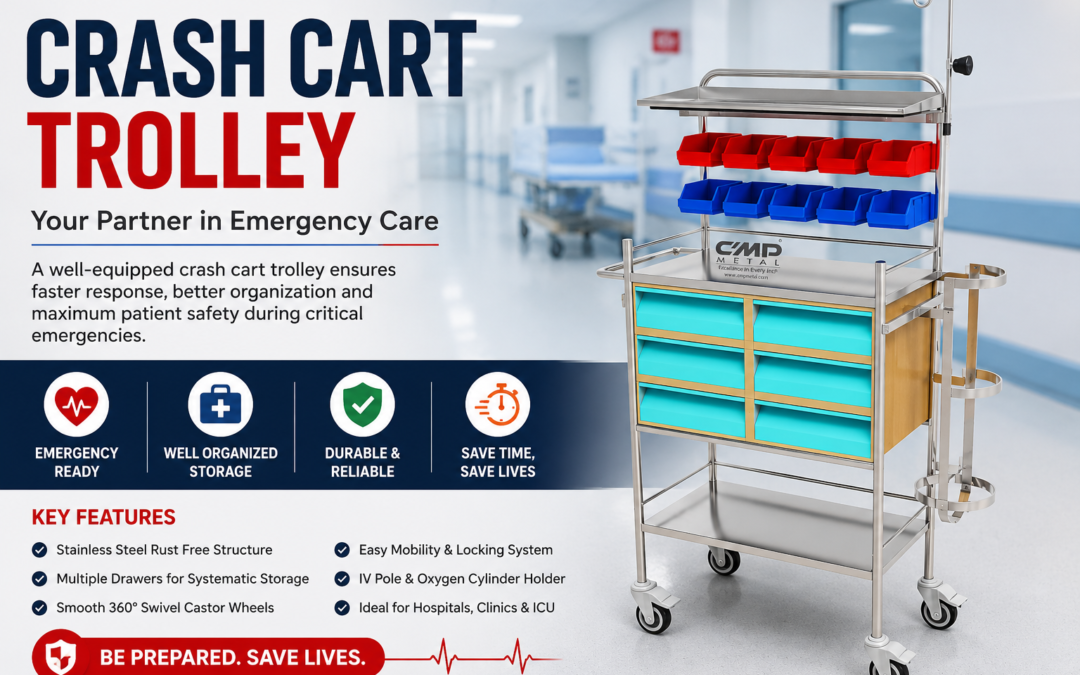
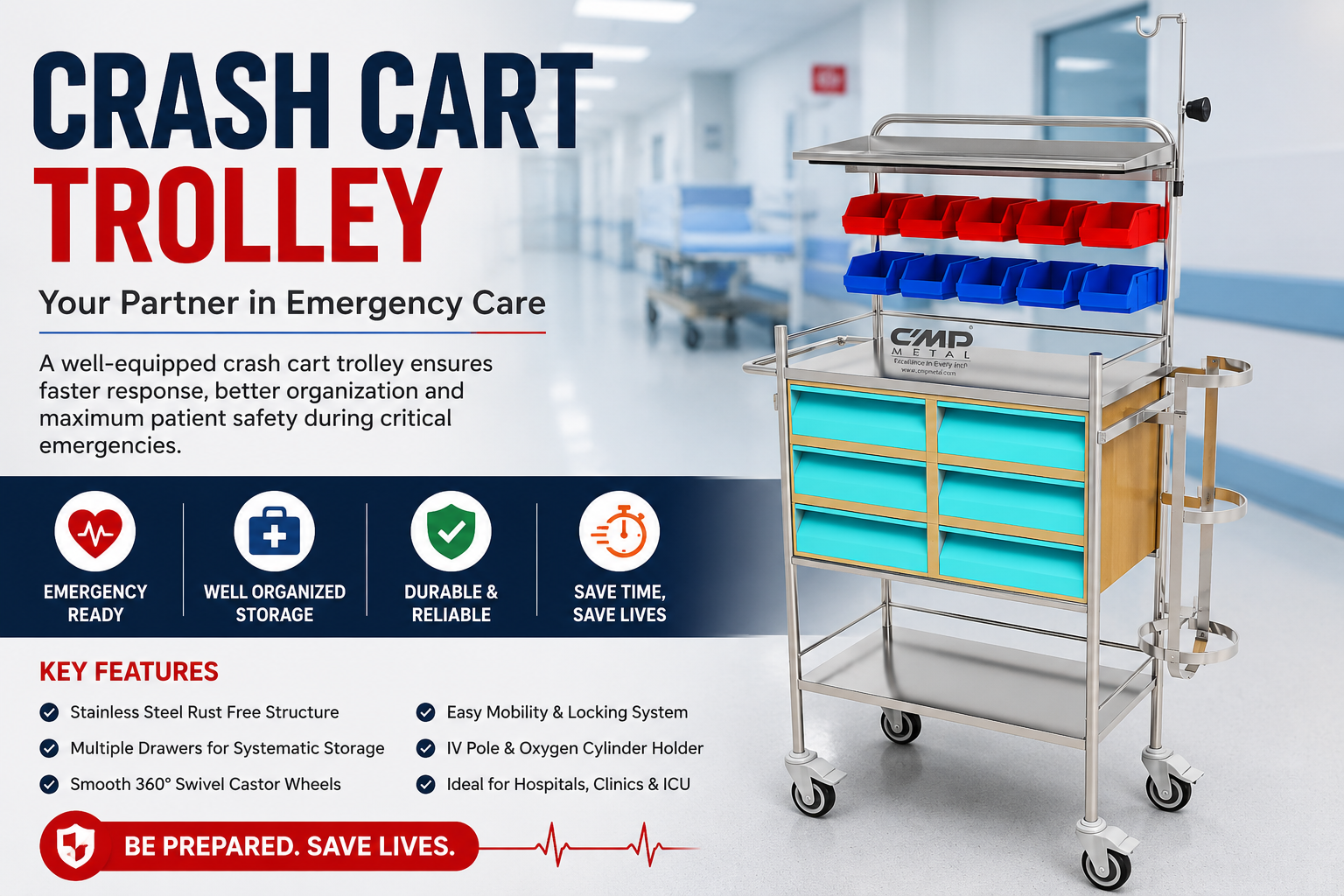
A crash cart trolley is a mobile medical cart equipped with emergency supplies used during resuscitation and critical care situations.

It serves as a centralized station containing:

  • Emergency medications
  • Airway management tools
  • Defibrillation equipment
  • IV supplies
  • Monitoring devices
  • Personal protective equipment (PPE)

The goal is simple: provide immediate access to life-saving resources when every second counts.

Crash Cart Trolley Arrangements and Organization

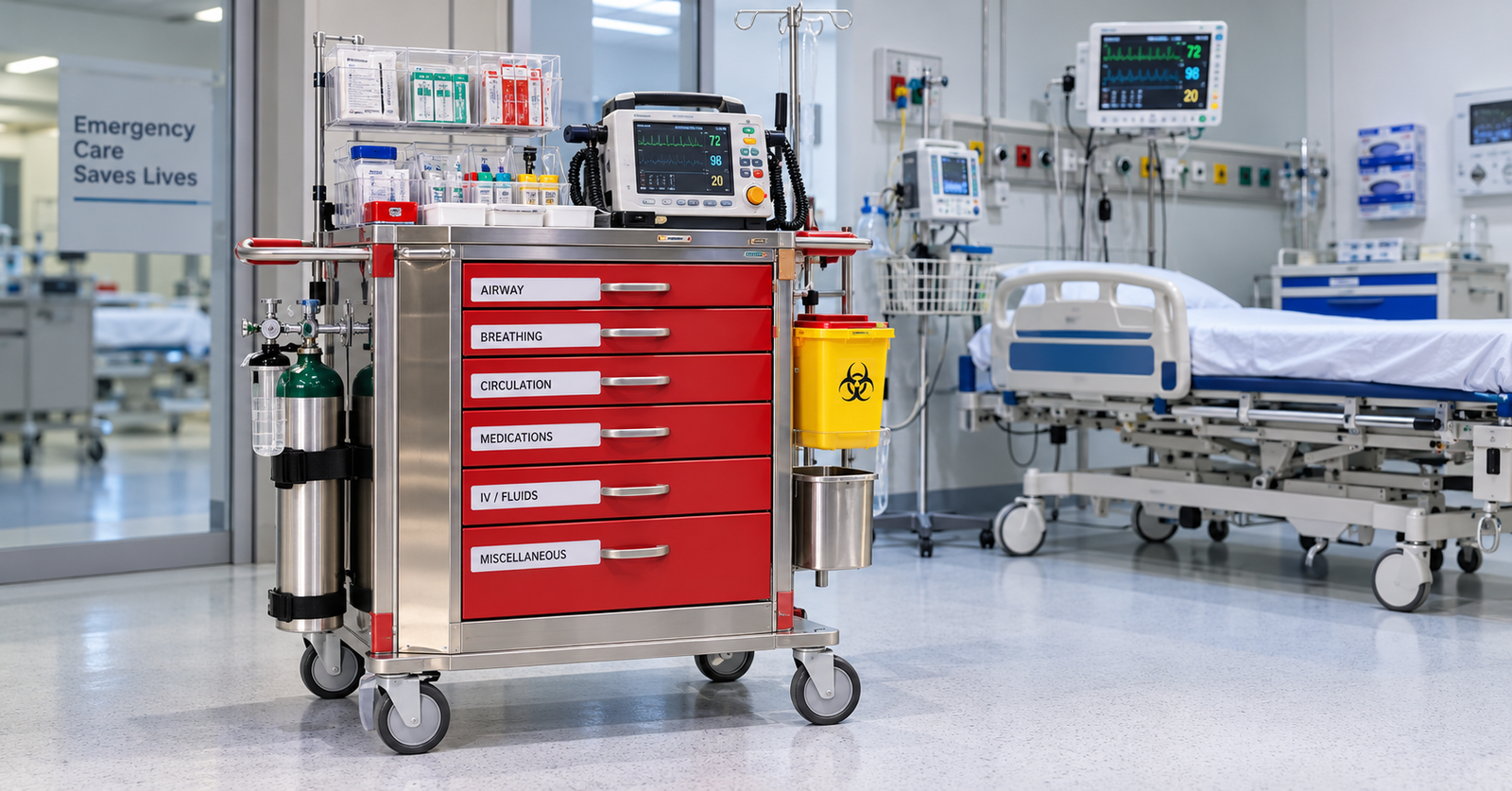
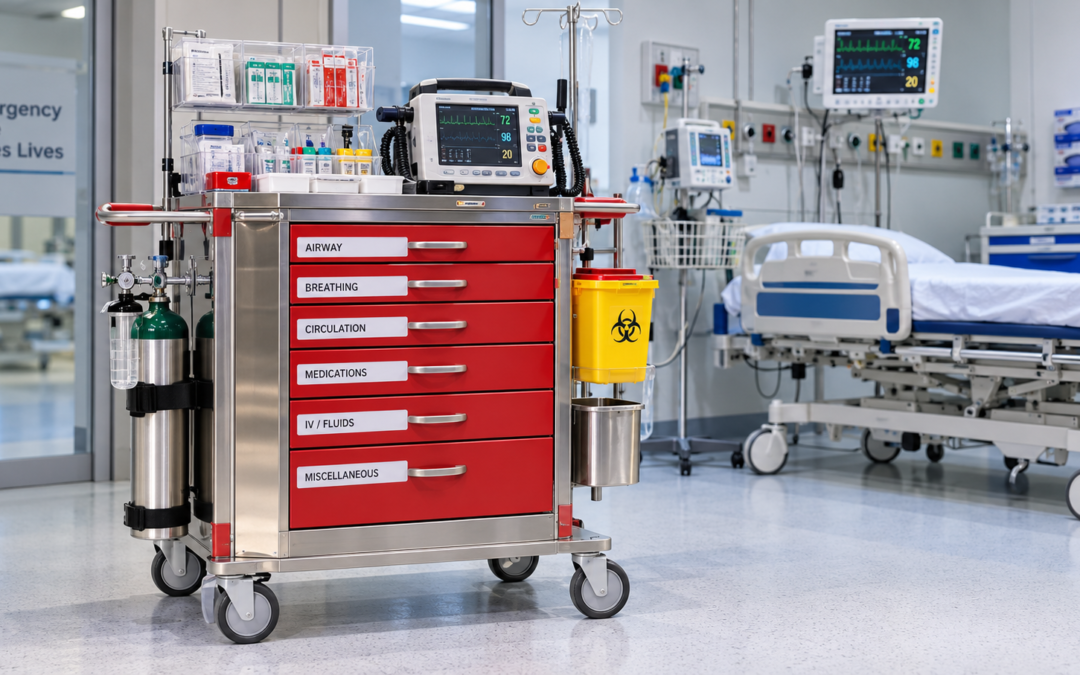
Proper crash cart trolley arrangements ensure healthcare staff can quickly locate equipment during emergencies.

Drawer Level Contents
Top Surface Defibrillator, suction device, oxygen equipment
First Drawer Emergency medications
Second Drawer Airway management supplies
Third Drawer IV and vascular access equipment
Fourth Drawer Miscellaneous emergency supplies
Side Compartments Oxygen cylinder, CPR board, sharps container

Standardized layouts reduce confusion and improve response times during critical situations.

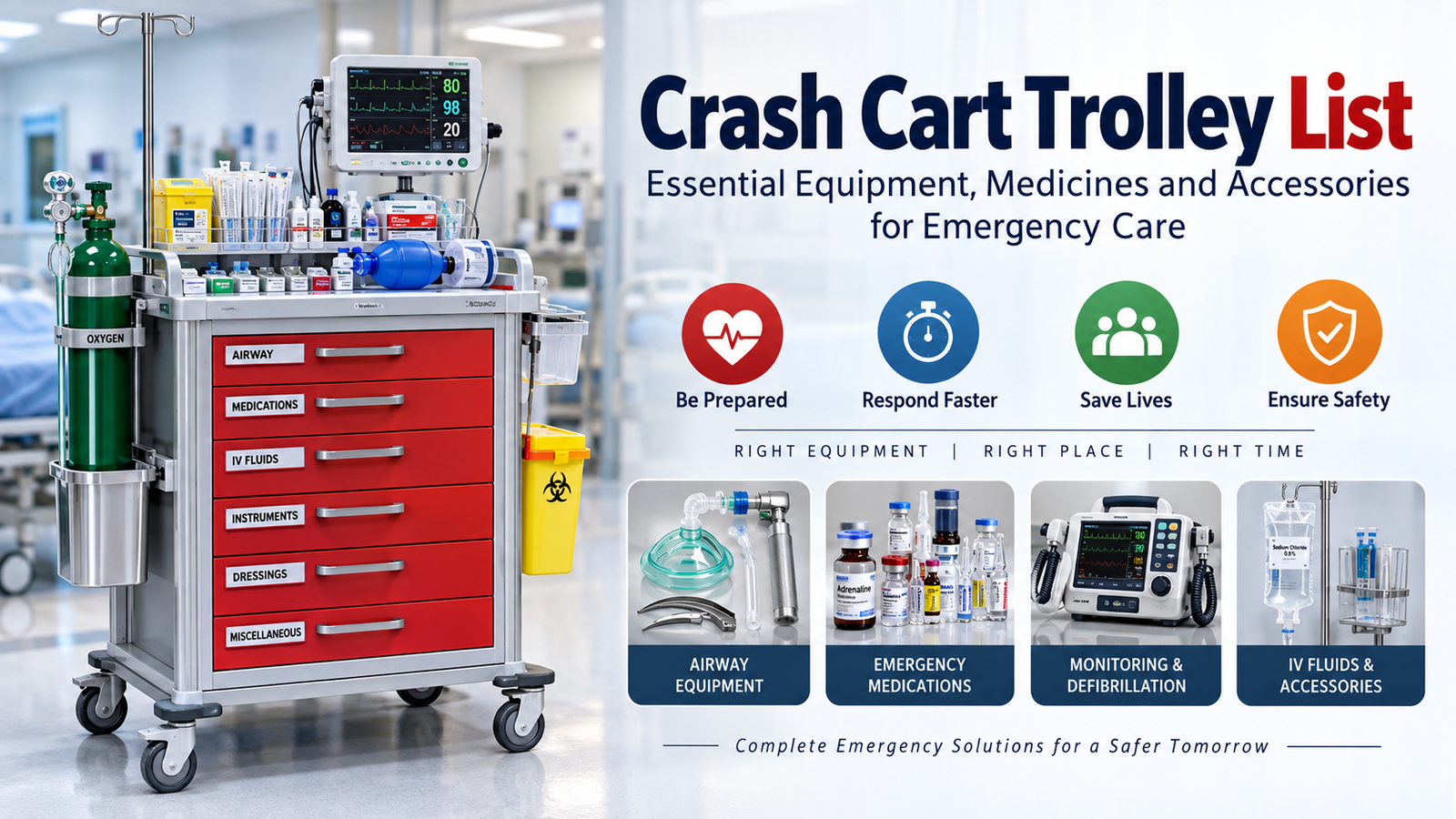
Crash Cart Trolley List

A complete crash cart trolley list generally includes the following items:

Airway Equipment

  • Bag-valve mask (BVM)
  • Endotracheal tubes
  • Laryngoscope handles and blades
  • Oral and nasal airways
  • Suction catheters
  • Oxygen masks

Breathing Equipment

  • Oxygen cylinder
  • Nebulizer kits
  • Ventilation accessories
  • Portable suction unit

Circulation Supplies

  • IV cannulas
  • IV fluids
  • Syringes
  • Blood pressure cuff
  • Tourniquets

Monitoring Equipment

  • Defibrillator
  • ECG monitor
  • Pulse oximeter
  • Cardiac monitoring leads

Essential Emergency Crash Cart Trolley Equipment

The effectiveness of an emergency crash cart trolley depends largely on the quality and availability of equipment.

  • Automated External Defibrillator (AED) or manual defibrillator
  • Cardiac monitor
  • Oxygen delivery system
  • Suction apparatus
  • Airway devices
  • Emergency lighting
  • IV infusion supplies
  • Emergency communication tools

Regular inspections ensure all equipment remains functional and ready for immediate use.

Crash Cart Trolley Medication Requirements

Emergency drugs are among the most important components stored in a crash cart.

Common crash cart trolley medication may include:

  • Epinephrine
  • Atropine
  • Amiodarone
  • Adenosine
  • Dopamine
  • Magnesium Sulfate
  • Nitroglycerin
  • Dextrose
  • Naloxone
  • Calcium Gluconate

Medications should be clearly labeled, regularly checked for expiration dates, and replenished immediately after use.

Types of Crash Cart Trolleys

1. Standard Hospital Crash Cart

Used in emergency departments, ICUs, and patient wards.

2. Pediatric Crash Cart

Contains child-specific medications and emergency equipment.

3. Cardiac Crash Cart

Designed specifically for cardiac emergencies and advanced life support procedures.

4. Anesthesia Crash Cart

Used in operating rooms and surgical centers.

5. Specialty Emergency Cart

Customized for trauma, neonatal, or specialty care units.

Features and Benefits of a Crash Cart Trolley

Key Features

  • Multiple lockable drawers
  • Smooth mobility with caster wheels
  • Ergonomic design
  • Durable stainless steel or polymer construction
  • Color-coded compartments
  • Medication storage trays
  • Oxygen cylinder holder

Benefits

  • Faster emergency response
  • Improved patient safety
  • Better organization of supplies
  • Enhanced compliance with healthcare standards
  • Efficient inventory management

Crash Cart Trolley Specifications

Specification Typical Range
Material Stainless Steel or ABS Plastic
Number of Drawers 4–7 Drawers
Wheel Size 4–5 Inches
Load Capacity 80–150 kg
Locking System Centralized Lock
Surface Type Easy-to-Clean Antimicrobial Finish
Accessories IV Pole, Oxygen Holder, CPR Board

Selecting the right specifications depends on the facility’s emergency response requirements and patient volume.

Crash Cart Trolley Comparison

Feature Basic Model Advanced Model
Drawers 4 6–7
Locking System Standard Electronic
Defibrillator Mount Optional Included
Medication Tray Basic Advanced Modular
Mobility Standard Wheels Heavy-Duty Casters
Inventory Tracking Manual Digital

Step-by-Step Buying Guide

  1. Assess Clinical Requirements – Determine whether the cart will be used in the ICU, emergency room, operating theater, or outpatient clinic.
  2. Review Equipment Needs – Identify the emergency devices and supplies your facility requires.
  3. Check Storage Capacity – Ensure sufficient drawer space for medications and equipment.
  4. Evaluate Mobility – Choose smooth-rolling wheels with locking mechanisms.
  5. Verify Safety Features – Look for centralized locks and secure medication compartments.
  6. Consider Future Expansion – Select a modular design that supports additional accessories.

Crash Cart Trolley Checklist

A daily crash cart trolley checklist helps maintain readiness and patient safety.

  • Defibrillator operational
  • Oxygen cylinder full
  • Suction equipment functioning
  • Emergency medications available
  • No expired drugs
  • Airway equipment stocked
  • IV supplies replenished
  • Cart locks working
  • CPR board present
  • Documentation completed

Common Mistakes to Avoid

  • Ignoring expiration dates
  • Overloading drawers
  • Inconsistent organization
  • Failing to train staff
  • Skipping routine inspections
  • Using non-standard layouts
  • Not documenting inventory checks

Expert Tips

  • Standardize cart layouts across departments.
  • Conduct monthly mock emergency drills.
  • Use color-coded drawer labels.
  • Implement digital inventory tracking systems.
  • Assign responsibility for daily inspections.
  • Follow ACLS guidelines for medication organization.

Conclusion

A crash cart trolley is one of the most critical emergency response tools in any healthcare facility. Proper crash cart trolley arrangements, organized equipment storage, routine medication checks, and a comprehensive crash cart trolley checklist help healthcare teams respond quickly and effectively during emergencies.

By choosing a high-quality crash cart trolley and maintaining a standardized setup, hospitals and clinics can improve patient safety, streamline emergency care, and ensure complete preparedness for critical situations.

Frequently Asked Questions (FAQs)

What is a crash cart trolley used for?

A crash cart trolley stores emergency medical equipment, medications, and supplies needed during life-threatening situations such as cardiac arrest and respiratory emergencies.

What equipment should be included in a crash cart trolley?

Essential equipment includes a defibrillator, oxygen supply, airway devices, suction apparatus, IV supplies, emergency medications, and monitoring equipment.

How often should a crash cart trolley be checked?

Most healthcare facilities perform daily inspections and monthly audits to ensure readiness and compliance.

What medications are commonly stored in a crash cart trolley?

Common medications include epinephrine, atropine, amiodarone, adenosine, naloxone, dextrose, and other emergency drugs based on hospital protocols.

Why are crash cart trolley arrangements important?

Standardized arrangements help healthcare professionals locate supplies quickly during emergencies, reducing treatment delays and improving patient outcomes.

What are the key crash cart trolley specifications to consider?

Important specifications include drawer capacity, material quality, locking systems, mobility, load capacity, and accessory compatibility.

What is included in a crash cart trolley checklist?

A checklist typically covers equipment functionality, medication availability, oxygen supply status, expiration date verification, inventory levels, and cart security checks.

MRI Trolley: Complete Guide to Safe Patient Transport in MRI Facilities

MRI Trolley: Complete Guide to Safe Patient Transport in MRI Facilities

MRI Trolley: Complete Guide to Safe Patient Transport in MRI Facilities

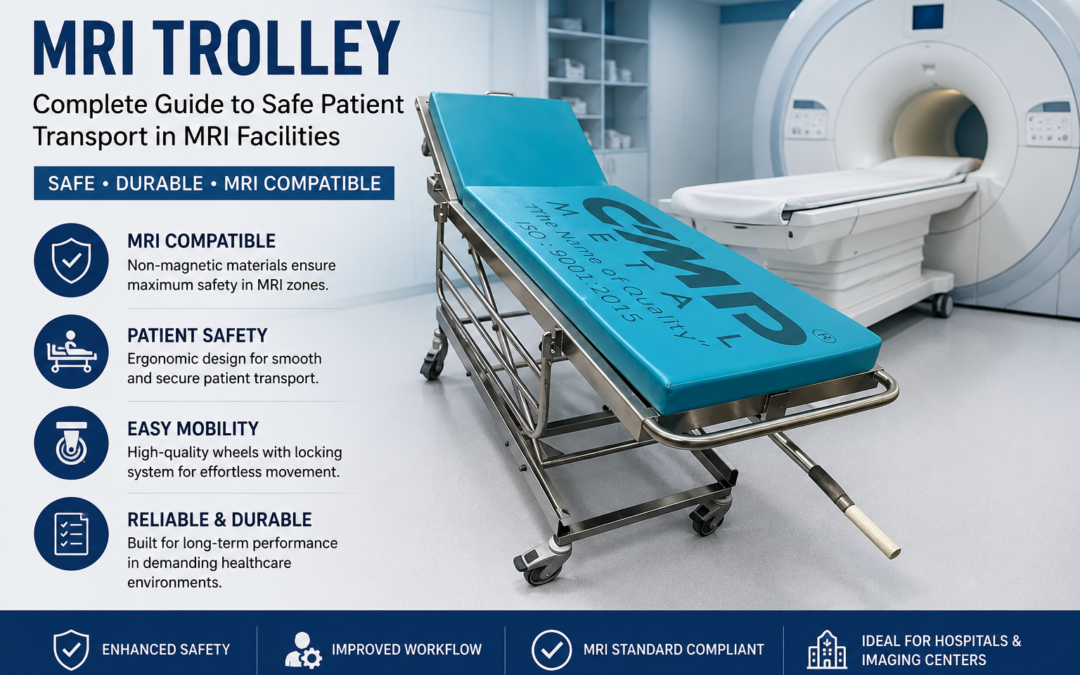
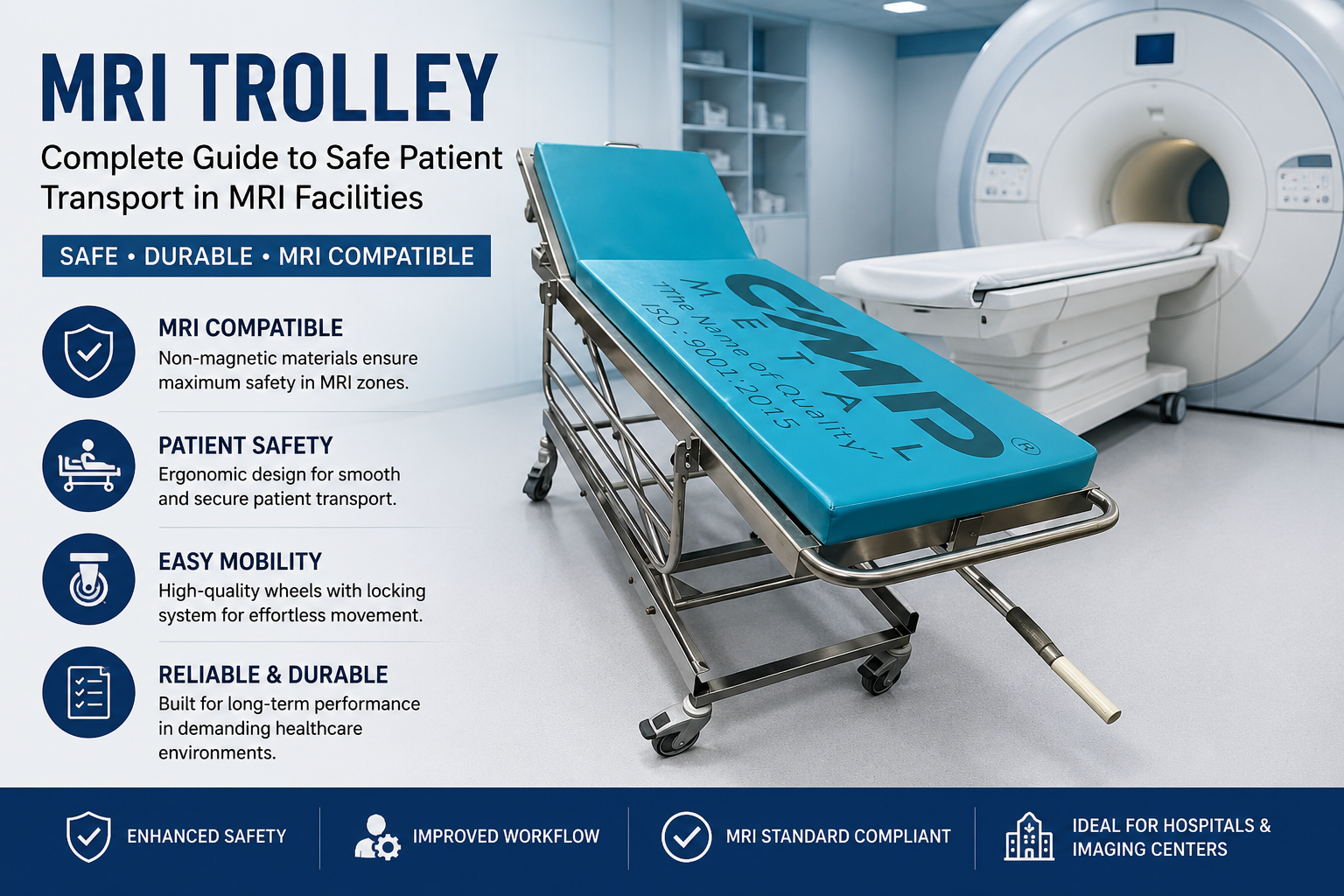
MRI Trolley - MRI Compatible Patient Trolley

Introduction

In modern healthcare facilities, patient safety is a top priority, especially in specialized imaging environments such as MRI suites. A standard hospital trolley may contain ferromagnetic materials that can become dangerous when exposed to the powerful magnetic field of an MRI machine.

This is where an MRI trolley becomes essential. Designed specifically for magnetic resonance imaging environments, these trolleys help transport patients safely without interfering with imaging equipment or creating safety risks.

Whether you manage a hospital, diagnostic center, or imaging facility, understanding the importance of an MRI trolley can help improve patient care, workflow efficiency, and compliance with MRI safety standards.

Common Problems and Pain Points in MRI Patient Transport

Transporting patients in and around MRI rooms presents unique challenges.

  • Risk of magnetic attraction from conventional metal trolleys
  • Patient safety concerns during transfer procedures
  • Equipment damage caused by incompatible transport devices
  • Delays in imaging workflows
  • Difficulty moving critical-care patients safely
  • Compliance issues with MRI safety regulations

Since MRI systems generate extremely strong magnetic fields, even small metallic objects can become hazardous projectiles. Using MRI-compatible transport solutions helps eliminate these risks.

What Is an MRI Trolley?

An MRI trolley is a specialized patient transport system designed for use inside MRI environments. These trolleys are manufactured using non-magnetic materials such as:

  • Aluminum
  • Non-magnetic stainless steel
  • High-strength polymers
  • Composite materials

An MRI compatible patient trolley allows healthcare professionals to transport patients safely into and out of MRI rooms while maintaining safety standards.

Why MRI-Compatible Transport Equipment Matters

MRI facilities operate differently from other hospital departments because of the continuous magnetic field present around the scanner.

Using dedicated transport wheel trolleys for MRI shifting provides several advantages:

  • Enhanced patient safety
  • Reduced risk of equipment accidents
  • Smooth patient transfer
  • Better workflow efficiency
  • Compliance with MRI safety protocols
  • Reduced operational disruptions

Types of MRI Trolleys

1. Manual MRI Trolley

These trolleys are manually operated and commonly used in diagnostic imaging centers, small hospitals, and outpatient facilities.

2. Hydraulic MRI Trolley

Hydraulic systems allow height adjustment and smoother patient handling, making them ideal for high-volume imaging departments and critical-care units.

3. MRI Compatible Patient Trolley

These trolleys are specifically certified for MRI zones and manufactured using non-magnetic components for maximum safety.

4. Trolley for Moving MRI Magnets

A specialized trolley for moving MRI magnets is designed to transport heavy magnetic components during MRI installation and maintenance projects.

5. Trolley for Moving MRI Equipment

A trolley for moving MRI equipment helps technicians relocate and service MRI systems safely and efficiently.

Key Features of a High-Quality MRI Trolley

  • Non-Magnetic Construction: Ensures complete MRI compatibility.
  • Smooth Mobility: Easy transportation across hospital floors.
  • Locking Mechanism: Improves patient stability during transfers.
  • Adjustable Height: Supports ergonomic patient handling.
  • Comfortable Patient Surface: Enhances patient comfort.
  • Easy Cleaning: Supports infection-control protocols.
  • High Load Capacity: Suitable for various patient needs.

Benefits of Using an MRI Trolley

Improved Patient Safety

The primary advantage is eliminating magnetic hazards and ensuring secure patient transportation.

Better Workflow Efficiency

Faster patient transfers reduce delays and improve MRI department productivity.

Enhanced Staff Safety

Medical staff can move patients with greater confidence and reduced physical strain.

Regulatory Compliance

MRI-compatible equipment helps facilities meet healthcare safety standards.

Reduced Equipment Risk

Protects expensive MRI systems from accidental damage caused by incompatible transport devices.

MRI Trolley vs Standard Hospital Trolley

Feature MRI Trolley Standard Hospital Trolley
MRI Compatibility Yes No
Non-Magnetic Materials Yes Usually No
Safe Near MRI Scanner Yes Unsafe
MRI Safety Compliance Yes No
Specialized Design Yes General Use
Risk of Magnetic Attraction None High

Step-by-Step Buying Guide for MRI Trolleys

  1. Verify MRI Compatibility before purchasing.
  2. Check Material Specifications to ensure non-magnetic construction.
  3. Evaluate Load Capacity according to patient requirements.
  4. Assess Mobility Features such as wheel quality and brakes.
  5. Consider Ergonomics including height-adjustable options.
  6. Review Maintenance Requirements for long-term usability.
  7. Choose Reputable Manufacturers with proven healthcare expertise.

Common Mistakes to Avoid

  • Using standard trolleys in MRI zones
  • Ignoring MRI compatibility certification
  • Choosing products based only on price
  • Overlooking wheel and brake quality
  • Not checking weight capacity
  • Purchasing from unverified suppliers

Expert Tips

  • Always prioritize safety over cost.
  • Verify MRI-safe or MRI-conditional ratings.
  • Train staff on MRI transport procedures.
  • Schedule regular inspections.
  • Select equipment based on future facility needs.
  • Maintain proper cleaning and maintenance schedules.

Conclusion

An MRI trolley is a critical component of safe patient transport within MRI facilities. By using an MRI compatible patient trolley, healthcare providers can improve patient safety, streamline workflows, and comply with MRI safety standards.

Whether you need transport wheel trolleys for MRI shifting, a trolley for moving MRI, or a trolley for moving MRI magnets, choosing the right equipment helps create a safer and more efficient healthcare environment.

Frequently Asked Questions (FAQs)

1. What is an MRI trolley?

An MRI trolley is a non-magnetic patient transport trolley specifically designed for use near MRI scanners.

2. Why can’t standard hospital trolleys be used in MRI rooms?

Standard trolleys often contain ferromagnetic materials that can become dangerous around MRI magnetic fields.

3. What materials are used in MRI-compatible patient trolleys?

They are commonly manufactured using aluminum, non-magnetic stainless steel, polymers, and composite materials.

4. What are transport wheel trolleys for MRI shifting?

These specialized trolleys are used to safely transport patients to and from MRI suites.

5. Are MRI trolleys mandatory in MRI facilities?

They are highly recommended and often required to maintain MRI safety standards.

6. Can MRI trolleys be used for critical-care patients?

Yes, many MRI-compatible patient trolleys are designed for critical-care and emergency transport applications.

7. How do I choose the right MRI trolley?

Look for MRI certification, non-magnetic construction, high load capacity, ergonomic design, and reliable mobility features.

Laparoscopic Instrument Trolley: Complete Guide for Modern Operation Theatres

Laparoscopic Instrument Trolley: Complete Guide for Modern Operation Theatres

Laparoscopic Instrument Trolley: Complete Guide for Modern Operation Theatres

SS Endoscopy Trolley Manufacturer in Mumbai

In modern healthcare environments, efficiency, organization, and hygiene play a crucial role in ensuring successful surgical outcomes. One of the most essential components in operation theatres is the laparoscopic instrument trolley, designed to support complex surgical procedures with ease and precision.

Today, hospitals rely on advanced solutions from SS Endoscopy Trolley Manufacturer in Mumbai to improve workflow, equipment accessibility, and patient safety during minimally invasive surgeries.

What is a Laparoscopic Equipment Trolley?

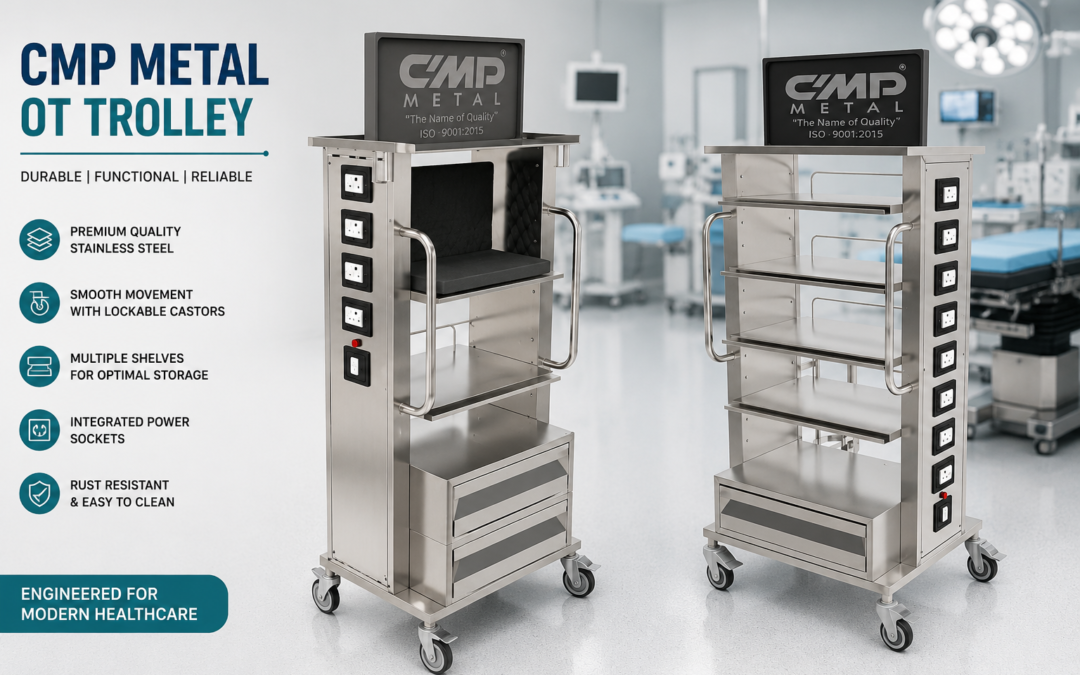
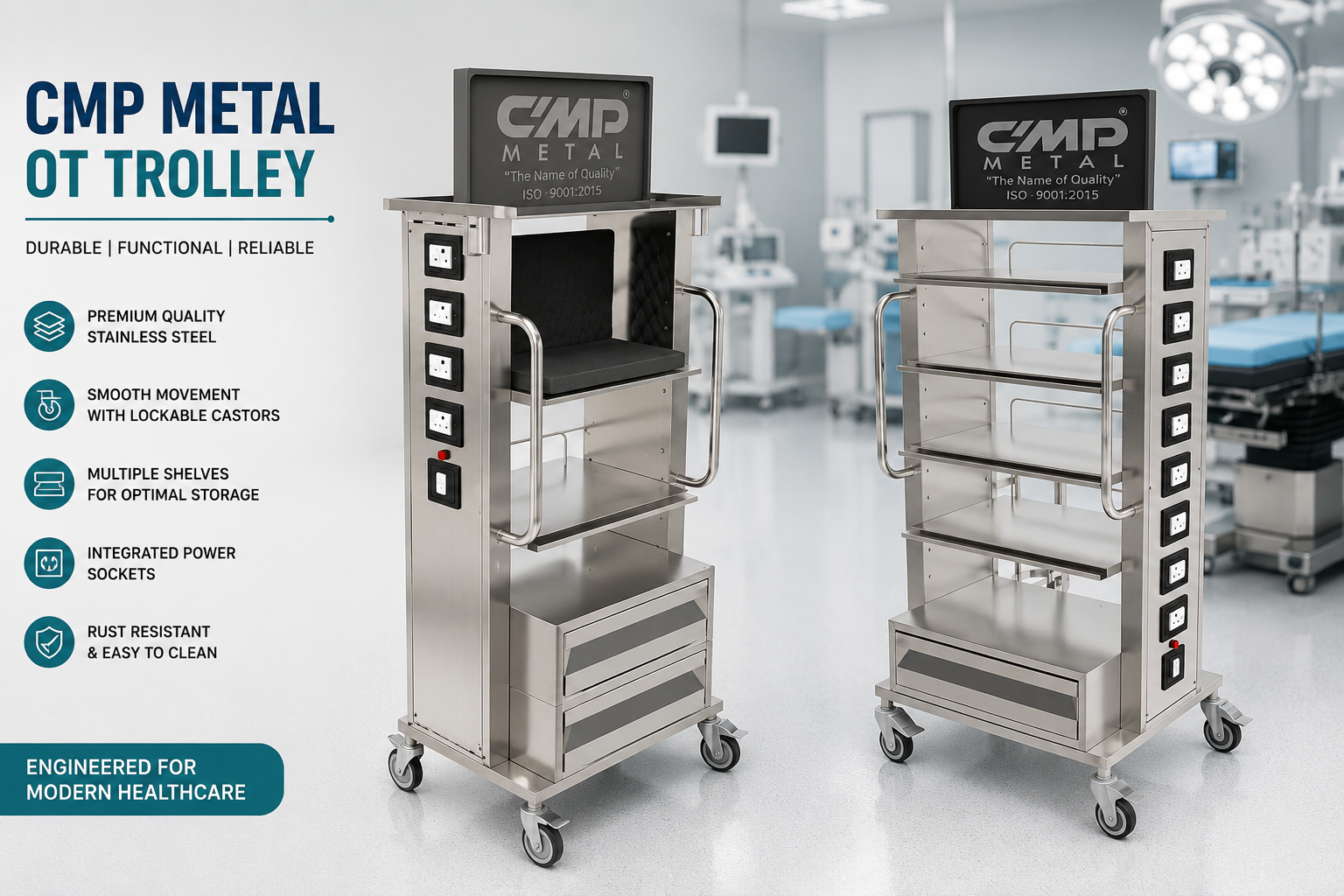
A Laparoscopy Equipment Trolley with Sockets is a specialized medical cart used in operation theatres to hold and organize laparoscopic instruments, monitors, and essential surgical equipment.

These trolleys are designed to ensure smooth surgical procedures by providing easy access to tools, improving mobility, and supporting integrated power systems for modern medical devices.

Importance in Modern Operation Theatres

In today’s surgical environment, time and precision are critical. A well-designed laparoscopic trolley enhances efficiency by keeping all instruments organized and within reach.

Leading Laparoscopy Cart Manufacturers in Maharashtra are developing innovative trolley designs that meet the evolving needs of healthcare professionals.

  • Improves workflow efficiency
  • Ensures organized instrument storage
  • Supports advanced medical equipment
  • Enhances mobility within OT
  • Maintains hygiene standards

Key Features of SS 304 Grade Endoscopy Cart

A high-quality SS 304 Grade Endoscopy Cart for OT is built to deliver durability, hygiene, and long-term performance in demanding healthcare environments.

  • Premium SS 304 stainless steel construction
  • Corrosion-resistant and easy to clean
  • Multiple shelves and storage compartments
  • Integrated power sockets for equipment
  • Smooth mobility with heavy-duty castors
  • Ergonomic and compact design

Medical Monitor Cart with Power Sockets

Modern laparoscopic procedures require advanced monitoring systems. A Medical Monitor Cart with Power Sockets allows seamless integration of monitors, cameras, and other electronic devices.

This ensures uninterrupted workflow and reduces the risk of equipment failure during critical procedures.

Applications of Laparoscopic Trolleys

Laparoscopic instrument trolleys are widely used across various medical environments:

  • Operation theatres (OT)
  • Endoscopy units
  • Surgical centers
  • Hospitals and clinics
  • Diagnostic facilities

These trolleys support both minor and major procedures, making them an essential part of modern healthcare infrastructure.

Hospital OT Equipment Trolley Price Factors

When considering Hospital OT Equipment Trolley Price, several factors influence the cost:

  • Material quality (SS 304 vs others)
  • Number of shelves and drawers
  • Power socket integration
  • Customization options
  • Brand and manufacturer reputation

Investing in a high-quality trolley ensures better durability and long-term cost savings.

Choosing the Right Supplier in Mumbai

Selecting a trusted supplier is essential for ensuring quality and performance. Reliable Medical Equipment Trolley Suppliers in Mumbai offer certified products that meet hospital standards.

Additionally, experienced Hospital Furniture Suppliers in Mumbai provide customized solutions tailored to specific operational needs.

Benefits of Stainless Steel Medical Trolleys

Stainless steel is the preferred material for medical equipment due to its hygienic and durable properties.

  • Rust-proof and corrosion-resistant
  • Easy to clean and disinfect
  • Long service life
  • Maintains sterile environment
  • Strong and reliable structure

Why Choose CMP Metal?

CMP Metal is a trusted name in manufacturing high-quality hospital equipment, offering innovative and reliable solutions for modern healthcare facilities.

  • Advanced manufacturing technology
  • Strict quality standards
  • Customization options available
  • On-time delivery
  • Strong industry experience

Explore Laparoscopic Instrument Trolley

If you are looking for a reliable and durable solution, explore this
Laparoscopic Equipment Trolley with Sockets designed for modern operation theatres.

It offers superior performance, durability, and efficiency for healthcare professionals.

Conclusion

Laparoscopic instrument trolleys play a vital role in improving efficiency, safety, and organization in operation theatres. With advanced features and durable construction, they are an essential investment for modern healthcare facilities.

Choosing the right trolley from a trusted manufacturer ensures long-term reliability, better workflow, and improved patient care outcomes.