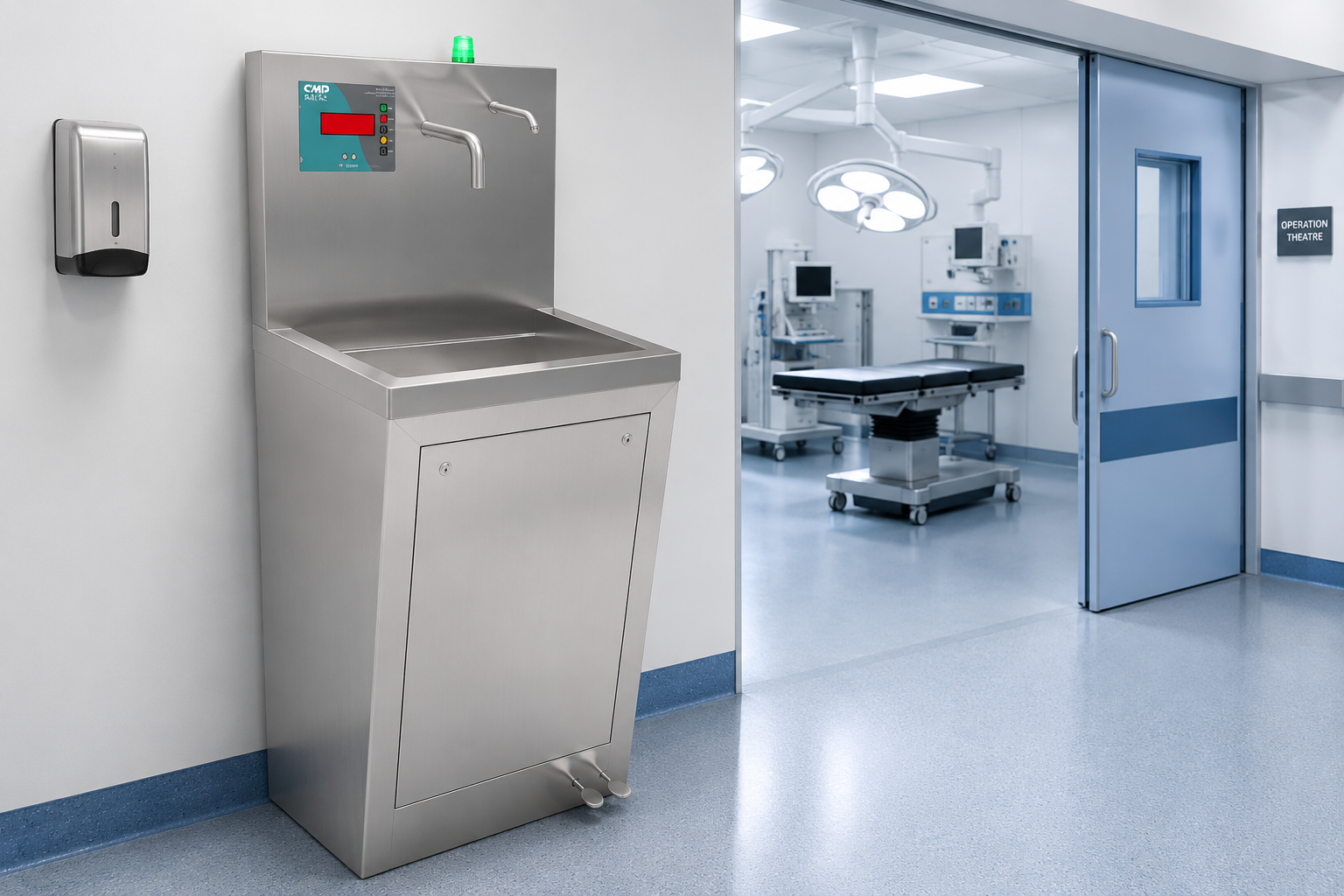
Surgical Scrub Sink Manufacturer: Complete Guide for Hospitals & Operating Rooms

Surgical Scrub Sink Manufacturer: Complete Guide for Hospitals & Operating Rooms

Surgical Scrub Sink Manufacturer: Complete Guide for Hospitals & Operating Rooms

Surgical Scrub Sink Manufacturer

Surgical Scrub Sink Manufacturer: Complete Guide for Hospitals & Operating Rooms

Introduction

In hospitals and healthcare facilities, hygiene is not just important — it is critical. A small mistake in sanitation can increase the risk of infections, especially inside operation theatres. That is why choosing the right surgical scrub sink manufacturer becomes a major decision for hospitals, clinics, and healthcare infrastructure projects.

A high-quality hospital scrub sink helps surgeons and medical staff maintain strict hand hygiene before entering the operating room. Modern healthcare environments now require durable, easy-to-clean, and ergonomically designed scrub stations that support infection control standards.

Whether you are building a new hospital, upgrading an OT setup, or searching for an ot scrub sink manufacturer, understanding the right features and buying process can help you make a better long-term investment.

Why Surgical Scrub Sinks Matter in Hospitals

Before every surgery, doctors and surgical staff must properly scrub their hands and arms to reduce contamination risks. A standard wash basin is not enough for this process. Hospitals require specially designed surgical scrub sink station systems that support sterile practices.

These sinks are commonly installed in:

  • Operation theatres
  • Pre-operative areas
  • Emergency surgery departments
  • ICU surgical preparation zones
  • Specialty healthcare centers

A professionally manufactured operating room scrub sink improves workflow efficiency and helps maintain strict hygiene protocols.

Common Problems Hospitals Face

1. Rust and Corrosion

Low-grade stainless steel often starts corroding after continuous exposure to water and disinfectants.

2. Difficult Cleaning

Poor sink design creates corners and joints where bacteria can accumulate.

3. Water Splashing

Improper basin depth can lead to water splashing on surgical clothing and surrounding floors.

4. Touch-Based Operation

Traditional taps require physical contact, increasing contamination risks.

5. Poor Drainage

Inadequate drainage systems can cause water stagnation and hygiene concerns.

Choosing an experienced ss scrub sink manufacturer india helps avoid these issues and ensures long-lasting performance.

What Is a Surgical Scrub Sink Station?

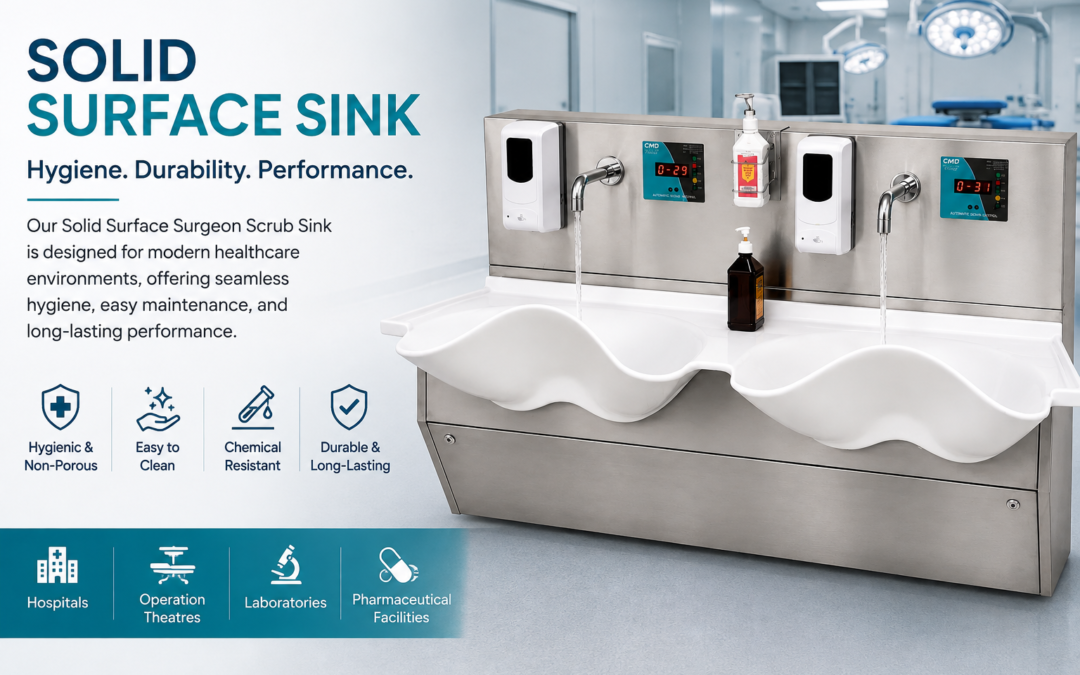
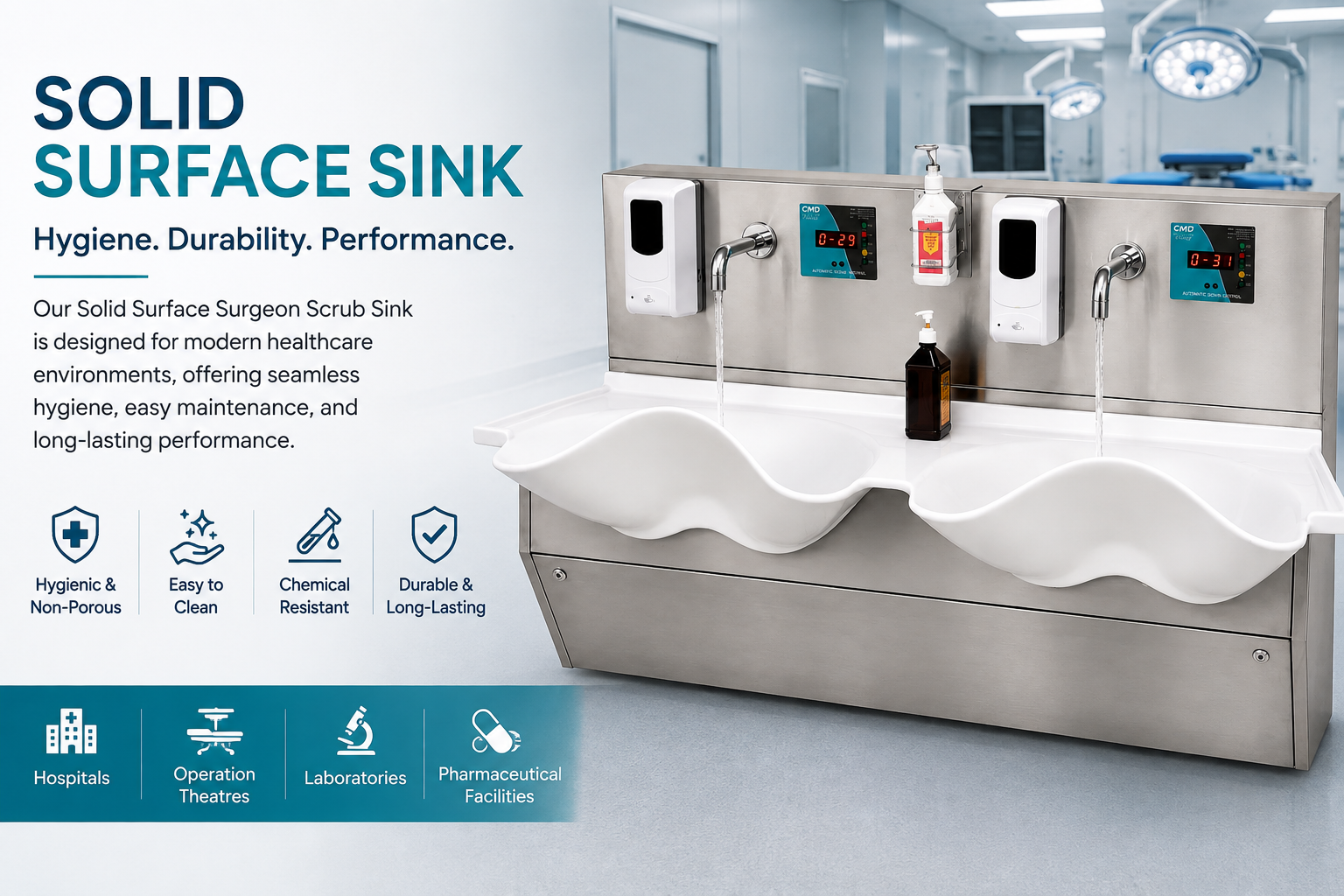
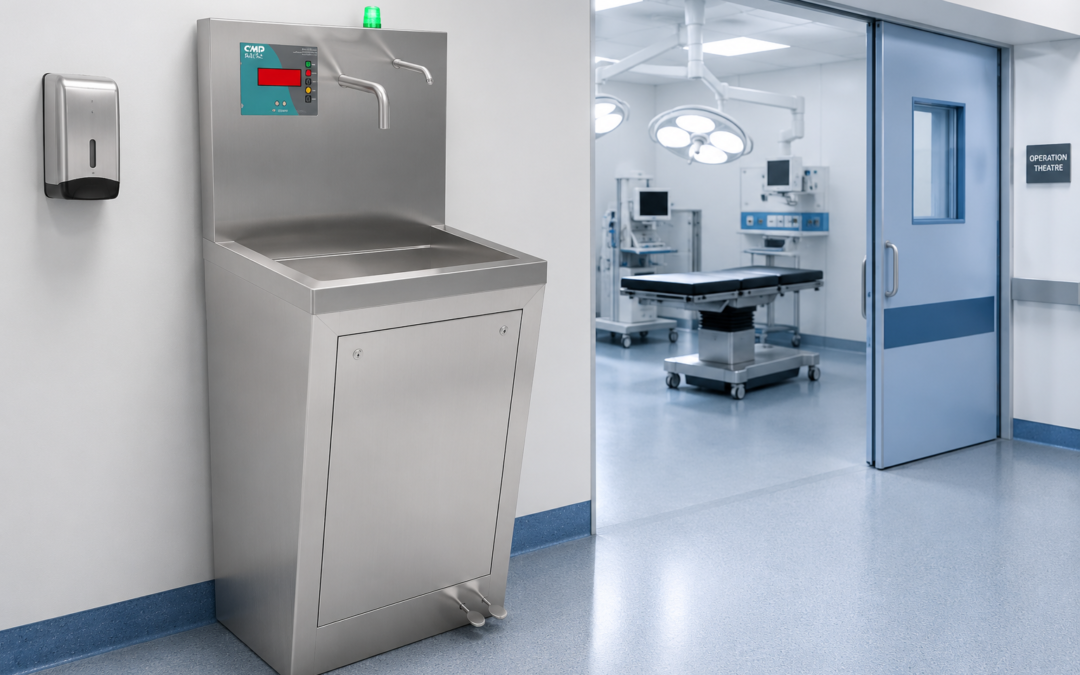
A surgical scrub sink station is a specially designed stainless steel sink unit used by surgeons and medical staff for pre-surgical hand washing.

Unlike regular sinks, these stations are designed with:

  • Deep bowls
  • Sensor taps
  • Knee-operated controls
  • Seamless welding
  • Splash prevention
  • Medical-grade stainless steel

The goal is to support sterile hand preparation while minimizing contamination risks.

Types of Surgical Scrub Sinks

Single Station Scrub Sink

Suitable for:

  • Small clinics
  • Dental surgery rooms
  • Diagnostic centers

Features:

  • Compact design
  • Space-saving installation
  • Cost-effective option

Double Station Scrub Sink

Suitable for:

  • Medium-sized hospitals
  • Multi-doctor OT rooms

Features:

  • Allows two users simultaneously
  • Better workflow management

Triple or Multi-Station Scrub Sink

Suitable for:

  • Large hospitals
  • Advanced surgical centers

Features:

  • High efficiency
  • Supports multiple surgeons
  • Ideal for busy operation theatres

Wall-Mounted Scrub Sink

  • Easy floor cleaning
  • Modern appearance
  • Better hygiene maintenance

Key Features to Look For

Medical-Grade Stainless Steel

Most premium sinks use SS 304 stainless steel because it offers:

  • Corrosion resistance
  • Long life
  • Easy cleaning
  • Smooth surface finish

Hands-Free Operation

Touchless systems reduce cross-contamination.

Common options include:

  • Sensor taps
  • Knee-operated valves
  • Foot-operated controls

Seamless Construction

A seamless design prevents dirt and bacteria buildup.

Ergonomic Design

Good sink depth and height improve comfort during long surgical procedures.

Efficient Drainage System

Proper drainage prevents water accumulation and supports faster cleaning.

Benefits of Choosing a Professional OT Scrub Sink Manufacturer

Feature Professional Manufacturer Low-Quality Supplier
Material Quality Medical-grade SS Low-grade steel
Hygiene Standards High Inconsistent
Durability Long-lasting Short lifespan
Customization Available Limited
Maintenance Easy Frequent repairs
Compliance Hospital standards Often missing

Step-by-Step Buying Guide

Step 1: Assess Hospital Requirements

  • Number of OT rooms
  • Daily surgical load
  • Space availability
  • User capacity

Step 2: Check Material Quality

  • SS 304 grade
  • Anti-rust finish
  • Smooth welded construction

Step 3: Decide the Operation Type

  • Sensor-operated
  • Knee-operated
  • Foot-operated systems

Step 4: Verify Hygiene Features

  • Rounded corners
  • Easy cleaning
  • Splash control
  • Seamless welding

Step 5: Ask for Customization

  • Multiple stations
  • Custom dimensions
  • Special plumbing setups
  • Integrated soap dispensers

Step 6: Compare Manufacturer Experience

  • Hospital project experience
  • OT equipment expertise
  • Positive client history
  • Technical support availability

Common Mistakes to Avoid

Ignoring Stainless Steel Grade

Using poor-quality steel can lead to rust and contamination problems.

Choosing Based Only on Price

Cheap products often result in:

  • Frequent repairs
  • Hygiene issues
  • Short product life

Poor Space Planning

Improper installation affects movement inside surgical preparation areas.

Skipping Maintenance Considerations

Complex designs can make daily cleaning difficult.

Not Checking Water Flow Design

Improper faucet positioning increases splashing and water wastage.

Expert Tips for Better Performance

Use Sensor-Based Systems

Touch-free systems improve infection control significantly.

Prefer Rounded Edges

Sharp edges trap dirt and are harder to clean.

Install Proper Lighting Near the Sink

Good visibility improves cleaning and maintenance efficiency.

Schedule Regular Maintenance

Routine inspection helps prevent:

  • Water leakage
  • Drain blockage
  • Sensor malfunction

Train Staff Properly

Even the best scrub the sink process becomes ineffective without proper hand hygiene training.

How Surgical Scrub Sinks Support Infection Control

Hospital-acquired infections remain a major challenge worldwide. Proper scrub stations help reduce contamination risks before surgery.

Benefits include:

  • Better surgical hygiene
  • Reduced bacterial transfer
  • Improved OT safety
  • Compliance with healthcare standards

Modern operating room scrub sink systems are designed specifically to support infection prevention protocols.

FAQ Section

1. What is a surgical scrub sink used for?

A surgical scrub sink is used by surgeons and medical staff to wash and disinfect their hands before entering the operation theatre.

2. Which material is best for hospital scrub sinks?

SS 304 stainless steel is considered the best choice because it is corrosion-resistant, durable, and easy to clean.

3. Why are touchless scrub sinks preferred in hospitals?

Touchless systems reduce physical contact and help prevent bacterial contamination during surgical preparation.

4. How many scrub stations should a hospital install?

The number depends on the size of the OT department, surgical workload, and staff requirements.

5. What is the difference between a normal sink and an operating room scrub sink?

An operating room scrub sink is specially designed for sterile surgical hand washing and includes hygiene-focused features like deep basins and touch-free operation.

6. Can scrub sinks be customized?

Yes, many professional manufacturers provide customized sizes, multi-station setups, and additional accessories based on hospital needs.

7. How do I choose the right OT scrub sink manufacturer?

Look for manufacturers with healthcare industry experience, high-quality stainless steel fabrication, customization options, and strong hygiene standards.

Conclusion

Selecting the right surgical scrub sink manufacturer is essential for maintaining hygiene, improving workflow, and supporting infection control in healthcare environments.

A well-designed hospital scrub sink not only enhances safety for surgeons and patients but also ensures long-term durability and easier maintenance.

Whether you need a compact scrub station for a clinic or a multi-user surgical scrub sink station for a large hospital, focusing on material quality, ergonomic design, hygiene standards, and reliable manufacturing can help you make the right decision.

Investing in a high-quality operating room scrub sink ultimately supports safer surgeries and better healthcare outcomes.


Mechanical Pass Box Manufacturer: Complete Guide for Cleanroom & Hospital Use

Mechanical Pass Box Manufacturer: Complete Guide for Cleanroom & Hospital Use

Mechanical Pass Box Manufacturer: Complete Guide for Cleanroom & Hospital Use

Mechanical Pass Box Manufacturer

Introduction

In industries where hygiene, contamination control, and safety are critical, even the smallest material transfer process matters. Whether it’s a pharmaceutical facility, hospital, laboratory, or cleanroom environment, uncontrolled transfer of materials can increase contamination risks and affect operational efficiency.

This is where a Mechanical Pass Box Manufacturer plays an important role.

A mechanical pass box helps transfer materials between two controlled environments without allowing direct human movement between areas. It reduces airborne contamination, maintains cleanroom integrity, and supports safe operations in sensitive environments.

Today, industries are not just looking for a basic transfer chamber. They want durable construction, smooth operation, proper interlocking systems, and compliance with cleanroom standards. Choosing the right manufacturer becomes essential for long-term performance and reliability.

In this guide, you’ll learn everything about mechanical pass boxes, their benefits, types, applications, and how to choose the right solution for your facility.

Why Mechanical Pass Boxes Are Important

Many industries struggle with contamination control during material movement. Opening doors frequently between sterile and non-sterile areas can compromise cleanroom conditions.

Common Problems Faced by Industries

  • Cross-contamination between rooms
  • Difficulty maintaining pressure differentials
  • Increased risk of airborne particles
  • Manual handling errors
  • Non-compliance with hygiene standards
  • Product quality issues in pharma and healthcare sectors

A well-designed pass box solves these problems by creating a controlled transfer point between rooms.

This is why demand for reliable Cleanroom Pass Box Supplier solutions is increasing across pharmaceutical, biotech, food processing, and hospital sectors.

What Is a Mechanical Pass Box?

A mechanical pass box is a stainless-steel transfer chamber installed between two rooms. It allows materials to move safely from one area to another while minimizing contamination.

The system usually includes:

  • Stainless steel body
  • Transparent viewing window
  • Mechanical door interlocking
  • Smooth surface finish
  • Easy-clean design

Unlike dynamic pass boxes, mechanical pass boxes do not use HEPA filters or airflow systems. They mainly rely on proper sealing and interlocking mechanisms to prevent both doors from opening at the same time.

Many industries prefer a Pass Box with Interlocking System because it improves safety and contamination control.

Types of Pass Boxes

1. Mechanical Pass Box

This is the most commonly used type for controlled environments with moderate contamination control requirements.

Best For:

  • Hospitals
  • Pharmaceutical units
  • Laboratories
  • Packaging areas

Key Features:

  • Manual operation
  • Mechanical interlocking
  • Cost-effective
  • Low maintenance

2. Dynamic Pass Box

Dynamic pass boxes use HEPA-filtered airflow to remove contaminants during transfer.

Best For:

  • High-grade cleanrooms
  • Sterile manufacturing
  • Advanced pharmaceutical applications

Features:

  • HEPA filtration
  • UV light system
  • Motor blower unit
  • Higher contamination control

3. Electromagnetic Pass Box

An Electromagnetic Pass Box Manufacturer provides advanced systems where electronic interlocking prevents simultaneous door opening.

Advantages:

  • Better operational safety
  • Automatic locking mechanism
  • Improved reliability
  • Suitable for modern cleanrooms

Key Features of a High-Quality Mechanical Pass Box

Choosing the right manufacturer means understanding the important product features.

Stainless Steel Construction

Most high-quality pass boxes use SS 304 or SS 316 stainless steel for durability and corrosion resistance.

Mechanical Interlocking System

A proper interlocking system ensures only one door opens at a time, reducing contamination risks.

Smooth Internal Finish

A smooth finish prevents dust accumulation and makes cleaning easier.

Toughened Glass Windows

Viewing windows allow operators to monitor material transfer safely.

Easy Maintenance

Simple designs reduce maintenance requirements and operational downtime.

Custom Sizes

Many manufacturers offer customized dimensions depending on cleanroom layout and workflow.

Applications of Mechanical Pass Boxes

Industry Application
Pharmaceutical Material transfer between clean zones
Hospitals Sterile item transfer
Laboratories Sample movement
Food Processing Contamination-controlled transfer
Biotechnology Controlled product handling
Electronics Dust-sensitive component transfer

A reliable Hospital Pass Box Supplier helps healthcare facilities maintain hygiene standards during equipment and medicine transfer.

Mechanical vs Electromagnetic Pass Box

Feature Mechanical Pass Box Electromagnetic Pass Box
Locking System Manual mechanical lock Electronic lock
Power Requirement No Yes
Maintenance Low Moderate
Cost Affordable Higher
Operation Simple Advanced
Suitable For Standard cleanrooms High-end cleanrooms

How to Choose the Right Mechanical Pass Box Manufacturer

1. Check Industry Experience

Choose manufacturers with experience in cleanroom equipment and contamination control systems.

2. Material Quality Matters

Ensure the pass box uses high-grade stainless steel with proper finishing.

3. Verify Interlocking System

A reliable Pass Box with Interlocking System improves operational safety.

4. Customization Availability

Every facility has different dimensions and workflow requirements.

5. Compliance & Standards

Look for products designed according to GMP and cleanroom standards.

6. After-Sales Support

Good technical support helps reduce downtime and maintenance issues.

A trusted Pass Box Supplier in India should provide installation guidance, customization support, and long-term service assistance.

Step-by-Step Buying Guide

Step 1: Identify Application Area

Determine whether the pass box is for hospitals, pharma, labs, or cleanrooms.

Step 2: Define Cleanroom Requirements

Check contamination control levels and pressure conditions.

Step 3: Select Pass Box Type

Choose between mechanical, dynamic, or electromagnetic models.

Step 4: Choose Material Grade

SS 304 and SS 316 are commonly preferred.

Step 5: Decide Size & Configuration

Select dimensions according to transfer material size.

Step 6: Evaluate Manufacturer Reputation

Check reviews, certifications, and project experience.

Common Mistakes to Avoid

Ignoring Material Quality

Low-quality steel may corrode quickly in controlled environments.

Choosing Incorrect Size

Improper dimensions affect workflow efficiency.

Overlooking Interlocking Safety

Poor locking systems can compromise contamination control.

Not Checking Cleanroom Compatibility

Always ensure the product matches cleanroom standards.

Ignoring Service Support

Lack of maintenance support can increase downtime later.

Expert Tips for Better Performance

Clean Regularly

Routine cleaning helps maintain hygiene and operational efficiency.

Train Operators

Proper handling reduces contamination risks and operational mistakes.

Perform Periodic Inspections

Check door alignment, seals, and locking systems regularly.

Choose Trusted Manufacturers

Experienced manufacturers understand industry-specific contamination control requirements better.

Match the Pass Box to Application

Not every facility needs advanced dynamic systems. Choose according to operational needs.

Frequently Asked Questions (FAQs)

1. What is the purpose of a mechanical pass box?

A mechanical pass box helps transfer materials between controlled environments while minimizing contamination risks and maintaining cleanroom integrity.

2. What is the difference between static and dynamic pass boxes?

Static pass boxes use simple transfer chambers without airflow systems, while dynamic pass boxes use HEPA-filtered air circulation for enhanced contamination control.

3. Which industries use pass boxes the most?

Pharmaceutical, healthcare, biotechnology, laboratories, food processing, and electronics industries commonly use pass boxes.

4. Why is an interlocking system important in a pass box?

A Pass Box with Interlocking System prevents both doors from opening simultaneously, reducing contamination between rooms.

5. Which material is best for pass boxes?

SS 304 and SS 316 stainless steel are widely preferred because they offer corrosion resistance, durability, and easy cleaning.

6. How do I choose the right pass box supplier?

Look for experience, customization options, material quality, cleanroom compliance, and after-sales support when selecting a Cleanroom Pass Box Supplier.

7. Are electromagnetic pass boxes better than mechanical pass boxes?

Electromagnetic pass boxes offer advanced electronic locking systems, while mechanical pass boxes are simpler, cost-effective, and easier to maintain.

Conclusion

A mechanical pass box is a critical component in maintaining hygiene, contamination control, and operational safety in controlled environments. From pharmaceutical cleanrooms to hospitals and laboratories, these systems improve material transfer efficiency while protecting sensitive environments.

Choosing the right Mechanical Pass Box Manufacturer ensures better durability, reliable interlocking systems, and long-term operational performance. Whether you need a basic transfer chamber or advanced cleanroom-compatible solutions, understanding your application requirements is the key to making the right investment.

By focusing on quality materials, proper interlocking systems, industry standards, and experienced suppliers, businesses can maintain safer and more efficient cleanroom operations for years to come.

Laparoscopic Trolley: Complete Guide for Modern Surgical Setup

Laparoscopic Trolley: Complete Guide for Modern Surgical Setup

Laparoscopic Trolley: Complete Guide for Modern Surgical Setup

Laparoscopic Trolley for Modern Surgical Setup

Introduction

Modern operation theaters depend heavily on organized and efficient equipment management. A high-quality laparoscopic trolley helps hospitals safely manage surgical systems while improving workflow during minimally invasive procedures.

From monitor placement to cable organization and equipment mobility, these trolleys play a major role in modern healthcare facilities. Without proper equipment support systems, operation theaters often face clutter, delayed setup time, and equipment handling issues.

As laparoscopic surgeries continue growing across hospitals and surgical centers, choosing the right trolley system has become essential for efficiency, hygiene, and patient safety.

Why Hospitals Need a Laparoscopic Trolley

Many hospitals invest in advanced surgical devices but overlook the importance of equipment organization. A poorly managed OT setup can directly impact surgical efficiency and staff workflow.

Common Challenges in Operation Theaters

  • Messy cable management
  • Difficulty moving heavy equipment
  • Limited storage for accessories
  • Unsafe monitor placement
  • Equipment overheating issues
  • Long setup times before surgeries
  • Risk of accidental equipment damage

A properly designed trolley system helps solve these problems while creating a cleaner and more organized surgical environment.

What Is a Laparoscopic Trolley?

A laparoscopic trolley is a specialized medical equipment cart designed to hold and transport laparoscopic systems used in minimally invasive surgeries.

These trolleys are commonly used for storing and managing:

  • Camera systems
  • Light source units
  • CO2 insufflators
  • Energy devices
  • Surgical monitors
  • Recording systems
  • Accessories and cables

Modern hospitals also use integrated setups with advanced laparoscopic towers for better workflow management.

Main Components Stored on a Laparoscopic Instrument Trolley

Equipment Purpose
Monitor Displays internal surgical view
Camera Control Unit Processes surgical images
Light Source Provides illumination during procedures
CO2 Insufflator Maintains abdominal pressure
Electrosurgical Unit Supports cutting and coagulation
Storage Shelves Holds accessories and surgical instruments

Types of Laparoscopic Trolleys

1. Standard Laparoscopic Instrument Trolley

These are commonly used in hospitals and surgery centers with multiple shelves and monitor support systems.

Best suited for:

  • General surgery departments
  • Small hospitals
  • Daycare surgical centers

2. Modular Trolley Systems

Modular designs allow customization with drawers, adjustable shelves, and equipment holders.

  • Useful for multi-specialty hospitals
  • Supports future equipment upgrades
  • Improves operational flexibility

3. Integrated Laparoscopic Towers

These advanced systems combine trolley functionality with digital integration, power management, and organized cable routing.

4. Compact Mobile Trolleys

Compact trolley systems are lightweight and easy to move between operation rooms.

Important Features to Look For

Stainless Steel Construction

Medical-grade stainless steel provides:

  • Corrosion resistance
  • Easy cleaning
  • Long-term durability
  • Better infection control

Smooth Mobility

Look for trolley systems with:

  • Lockable caster wheels
  • Anti-vibration movement
  • Heavy-load support

Ventilation Support

Electronic surgical systems generate heat during long procedures. Ventilated shelves improve airflow and protect equipment performance.

Cable Management

A clean cable management system:

  • Reduces clutter
  • Improves OT safety
  • Makes maintenance easier

Hospitals looking for durable and professional OT solutions often prefer a laparoscopic instrument trolley
designed with medical-grade construction and optimized storage features.

Benefits of Using a Laparoscopic Trolley

Improved Surgical Workflow

An organized trolley setup reduces preparation time and improves overall surgical efficiency.

Better Equipment Protection

Sensitive devices remain secure during transportation and operation.

Enhanced Infection Control

Smooth stainless-steel surfaces support proper cleaning and sanitization.

Optimized OT Space

Compact and modular designs help maximize operation theater space utilization.

Easy Equipment Accessibility

Doctors and OT staff can quickly access required devices during procedures.

Laparoscopic Trolley vs Traditional Equipment Cart

Feature Laparoscopic Trolley Traditional Cart
Designed for Surgical Systems Yes Limited
Cable Management Advanced Basic
Monitor Support Included Often Missing
Medical-Grade Build Yes Not Always
Ventilation Optimized Minimal

Step-by-Step Buying Guide

Step 1: Identify Surgical Requirements

Understand:

  • Surgery types
  • Number of devices
  • Equipment weight
  • OT size

Step 2: Check Equipment Compatibility

Ensure compatibility with:

  • Camera systems
  • Monitors
  • Energy devices
  • Laparoscopic towers

Step 3: Evaluate Material Quality

Choose medical-grade stainless steel for durability and hygiene.

Step 4: Review Mobility Features

  • Wheel quality
  • Brake locking system
  • Maneuverability

Step 5: Consider Future Expansion

Choose modular trolley systems if future equipment upgrades are expected.

Common Mistakes to Avoid

Ignoring Weight Capacity

Overloading shelves may damage both the trolley and sensitive surgical systems.

Choosing Only Based on Price

Low-cost trolley systems may compromise durability, safety, and long-term performance.

Poor Cable Planning

Improper wiring creates clutter and increases safety risks inside operation theaters.

Ignoring Ventilation

Insufficient airflow can reduce equipment lifespan due to overheating.

Expert Tips for Hospitals

  • Choose modular trolley systems for flexibility
  • Prefer stainless steel construction over painted metal
  • Ensure smooth wheel movement for emergency situations
  • Use dedicated compartments for delicate accessories
  • Inspect wheels and monitor mounts regularly

Healthcare facilities performing advanced surgeries should also consider integrated laparoscopic towers for improved workflow management and better digital integration.

Understanding Related Surgical Equipment

Laparoscopic Trocars

Laparoscopic trocars are specialized instruments used to create access ports during minimally invasive surgeries. Proper storage on a trolley helps prevent contamination and accidental damage.

Laparoscopic Towers

These systems include:

  • Video processor
  • Light source
  • Insufflator
  • Monitor system

Modern trolley systems are designed to support these integrated surgical setups efficiently.

Frequently Asked Questions

What is the purpose of a laparoscopic trolley?

A laparoscopic trolley helps organize, store, and transport surgical equipment used during minimally invasive procedures.

What materials are best for laparoscopic instrument trolleys?

Medical-grade stainless steel is considered the best option because it is durable, corrosion-resistant, and easy to sanitize.

Are laparoscopic towers and trolleys the same?

No. A trolley is the supporting structure, while laparoscopic towers include integrated surgical systems and electronic components.

Why is cable management important?

Proper cable management improves safety, reduces clutter, and helps maintain an organized OT environment.

Can laparoscopic trolleys support heavy equipment?

Yes. High-quality trolley systems are designed to support monitors, surgical devices, and other heavy OT equipment safely.

Conclusion

A high-quality laparoscopic trolley is an essential part of modern operation theaters. It improves workflow efficiency, enhances equipment safety, supports infection control, and helps create a more organized surgical environment.

Whether for a small surgical center or a large multi-specialty hospital, choosing the right trolley system can significantly improve daily OT operations and long-term equipment management.

Endoscope Washing Sink: A Complete Guide for Safe and Efficient Reprocessing

Endoscope Washing Sink: A Complete Guide for Safe and Efficient Reprocessing

Endoscope Washing Sink: A Complete Guide for Safe and Efficient Reprocessing

Endoscope Washing Sink

Introduction

In hospitals, diagnostic centers, and endoscopy clinics, hygiene is not just important — it is critical. One small mistake during endoscope cleaning can increase the risk of contamination, infection transmission, and equipment damage. That is why an endoscope washing sink plays such an important role in healthcare environments.

Modern healthcare facilities rely on specialized endoscope washing sinks to maintain proper cleaning, disinfection, and reprocessing workflows. Unlike standard sinks, these systems are designed specifically for handling delicate endoscopic instruments safely and efficiently.

As infection control standards become stricter worldwide, the demand in the endoscope washing sinks market is also growing rapidly. Facilities are now focusing on better cleaning infrastructure to improve compliance, workflow efficiency, and patient safety.

This guide explains everything you need to know about endoscope cleaning systems, sink types, benefits, buying factors, and common mistakes to avoid.

Why Endoscope Cleaning Requires Specialized Sinks

Endoscopes are delicate medical instruments with narrow channels and sensitive surfaces. Improper cleaning can lead to:

  • Cross-contamination
  • Device damage
  • Biofilm buildup
  • Infection outbreaks
  • Failed compliance inspections

A regular stainless steel sink may not provide the correct dimensions, ergonomics, or contamination control needed for medical reprocessing. That is why hospitals use dedicated endoscope cleaning sink systems designed according to healthcare hygiene standards.

These sinks help create a controlled workflow for:

  • Pre-cleaning
  • Leak testing
  • Manual washing
  • Rinsing
  • High-level disinfection
  • Drying preparation

Common Problems Healthcare Facilities Face

Many hospitals and clinics struggle with inefficient reprocessing setups. Some of the most common issues include:

Insufficient Sink Depth

Standard sinks may not fit long endoscopes properly, increasing the risk of bending or damage.

Poor Workflow Design

Improper sink placement can create contamination risks between dirty and clean instruments.

Water Splash and Spillage

Without proper sink design, water contamination can spread to nearby work areas.

Chemical Exposure Risks

Harsh disinfectants used during cleaning require sinks that resist corrosion and chemical damage.

Difficult Cleaning Procedures

Improper sink configuration increases staff fatigue and slows down reprocessing operations.

This is why specialized endoscope decontamination sinks are becoming essential in modern medical infrastructure.

What Is an Endoscope Washing Sink?

An endoscope washing sink is a medical-grade sink system specifically designed for cleaning and reprocessing flexible or rigid endoscopes.

These sinks are generally manufactured using high-quality stainless steel and include features that support infection control standards.

Typical Components Include:

  • Deep sink bowls
  • Rounded corners for easy cleaning
  • Drainage systems
  • Water spray guns
  • Storage cabinets
  • Flexible faucets
  • Sink dividers
  • Drying accessories
  • Chemical-resistant surfaces

Many advanced systems also include an endoscope cleaning sink insert for separating instruments safely during washing.

Types of Endoscope Washing Sinks

1. Single-Bowl Endoscope Cleaning Sink

Best for:

  • Small clinics
  • Low-volume endoscopy centers

Advantages:

  • Space-saving
  • Cost-effective
  • Easy installation

2. Double-Bowl Endoscope Reprocessing Sink

Best for:

  • Mid-sized healthcare facilities

Advantages:

  • Separate washing and rinsing
  • Better contamination control
  • Improved workflow efficiency

3. Triple-Bowl Endoscope Decontamination Sinks

Best for:

  • Large hospitals
  • High-volume endoscopy departments

Advantages:

  • Dedicated stages for cleaning, rinsing, and disinfection
  • Supports standardized protocols
  • Reduces cross-contamination risks

4. Customized Endoscope Reprocessing Sink Systems

Best for:

  • Specialized medical facilities
  • Custom workflow environments

Advantages:

  • Tailored dimensions
  • Integrated accessories
  • Better ergonomic performance

Key Features to Look For

Choosing the right endoscope washing sink requires attention to both hygiene and operational efficiency.

Deep Bowl Design

Allows safe placement of long endoscopes without bending or twisting.

Seamless Stainless Steel Construction

Helps reduce bacterial growth and improves cleaning efficiency.

Ergonomic Height

Reduces staff fatigue during long cleaning procedures.

Chemical Resistance

Protects against corrosion caused by disinfectants and cleaning agents.

Rounded Internal Corners

Prevents dirt accumulation and simplifies sanitation.

Integrated Spray Systems

Improves washing efficiency and water flow control.

Endoscope Cleaning Sink Insert

An endoscope cleaning sink insert helps organize delicate instruments and prevent accidental damage during washing.

Benefits of Using Specialized Endoscope Washing Sinks

Improved Infection Control

Proper sink systems support healthcare hygiene standards and reduce contamination risks.

Better Equipment Protection

Specialized sinks minimize physical damage to expensive endoscopic instruments.

Faster Workflow

Dedicated reprocessing stations improve operational efficiency.

Regulatory Compliance

Healthcare facilities must follow strict cleaning guidelines. Proper sink systems help maintain compliance.

Staff Safety

Ergonomic and well-designed sinks reduce strain injuries and chemical exposure.

Endoscope Washing Sink vs Standard Sink

Feature Endoscope Washing Sink Standard Sink
Designed for medical instruments Yes No
Deep bowl structure Yes Limited
Chemical resistance High Moderate
Infection control support Excellent Poor
Ergonomic design Yes Limited
Instrument protection High Low
Healthcare compliance Suitable Often unsuitable

Step-by-Step Buying Guide

Step 1: Evaluate Facility Size

Understand daily endoscope cleaning volume before selecting sink capacity.

Step 2: Check Workflow Requirements

Determine whether you need single, double, or triple-bowl systems.

Step 3: Verify Material Quality

Choose medical-grade stainless steel with corrosion resistance.

Step 4: Focus on Ergonomics

Ensure staff comfort during long cleaning procedures.

Step 5: Consider Accessories

  • Spray guns
  • Sink inserts
  • Drying racks
  • Storage cabinets

Step 6: Ensure Compliance

Check compatibility with healthcare hygiene and infection control standards.

Step 7: Choose Reliable Manufacturers

Experienced manufacturers provide better customization, durability, and after-sales support.

Growth of the Endoscope Washing Sinks Market

The global endoscope washing sinks market is growing because of:

  • Rising healthcare infrastructure
  • Increasing endoscopy procedures
  • Stricter infection control regulations
  • Growing awareness about patient safety
  • Demand for advanced reprocessing systems

Hospitals now invest heavily in efficient endoscope reprocessing sink solutions to improve operational standards and reduce infection risks.

Common Mistakes to Avoid

Choosing Standard Utility Sinks

Regular sinks are not suitable for delicate medical equipment.

Ignoring Workflow Design

Poor sink placement can create contamination issues.

Buying Without Measuring Endoscope Length

Incorrect dimensions can damage instruments.

Overlooking Water Drainage

Improper drainage increases hygiene risks.

Ignoring Staff Ergonomics

Uncomfortable sink heights can reduce productivity and increase fatigue.

Expert Tips for Better Endoscope Reprocessing

  • Use dedicated dirty-to-clean workflow zones
  • Clean sinks regularly after every cycle
  • Train staff on reprocessing procedures
  • Inspect sink drainage systems frequently
  • Replace damaged sink accessories immediately
  • Use compatible cleaning chemicals only

A properly maintained endoscope cleaning sink improves both patient safety and equipment lifespan.

FAQs

1. What is an endoscope washing sink used for?

An endoscope washing sink is used for cleaning, rinsing, and reprocessing endoscopic instruments safely in healthcare facilities.

2. Why are specialized endoscope cleaning sinks important?

They help reduce contamination risks, protect delicate instruments, and support infection control compliance.

3. What material is best for endoscope washing sinks?

Medical-grade stainless steel is the preferred material because it is durable, corrosion-resistant, and easy to sanitize.

4. What is an endoscope cleaning sink insert?

An endoscope cleaning sink insert is an accessory that helps organize and protect instruments during cleaning procedures.

5. How many bowls should an endoscope reprocessing sink have?

The number of bowls depends on workflow requirements. High-volume facilities often use double or triple-bowl systems.

6. Are endoscope decontamination sinks required for hospitals?

Many healthcare facilities use them to meet hygiene standards and improve patient safety during endoscope reprocessing.

7. What factors affect the endoscope washing sinks market?

Growing healthcare infrastructure, increasing endoscopy procedures, and stricter infection control regulations are major growth factors.

Conclusion

An endoscope washing sink is more than just a cleaning station. It is a critical part of modern healthcare infection control and endoscope reprocessing workflows.

With rising healthcare standards and growing patient safety concerns, hospitals and clinics are investing in advanced endoscope washing sinks, endoscope decontamination sinks, and specialized reprocessing systems.

Choosing the right sink setup improves workflow efficiency, protects delicate instruments, supports compliance, and helps create a safer healthcare environment for both patients and medical staff.


Operation Theater Furniture Manufacturer for Advanced Healthcare Infrastructure

Operation Theater Furniture Manufacturer for Advanced Healthcare Infrastructure

Operation Theater Furniture Manufacturer for Advanced Healthcare Infrastructure

Operation Theater Furniture Manufacturer

Introduction

Modern hospitals require highly hygienic, durable, and functional operation theater setups to ensure patient safety and smooth surgical procedures. A trusted operation theater furniture manufacturer helps healthcare facilities build efficient OT environments using advanced stainless steel furniture and modular healthcare solutions.

Today’s healthcare industry is rapidly moving toward Modular Operation Theatre Furniture and integrated Modular Healthcare System​​ solutions that improve workflow, infection control, and operational efficiency.

From instrument trolleys and mayo trolleys to pass boxes and catheter storage cabinets, operation theater furniture plays a major role in maintaining sterile conditions and supporting medical teams during surgeries.

Why High-Quality OT Furniture is Important

Operation theaters are sensitive environments where every piece of equipment and furniture must meet strict hygiene and performance standards.

A professional operation theater furniture manufacturer mumbai provides hospital-grade stainless steel OT furniture designed for durability, easy sterilization, corrosion resistance, and long-term usage.

  • Improves surgical workflow
  • Supports infection control
  • Enhances staff efficiency
  • Provides organized storage solutions
  • Reduces maintenance issues
  • Increases operational safety

Operation Theater Furniture Products Used in Modern Hospitals

Modern operation theaters require multiple types of furniture and equipment to support surgeons, nurses, and healthcare professionals during critical procedures.

Instrument Trolley for Operating Room

Instrument trolleys are essential in operation theaters for carrying and organizing surgical tools during procedures. Stainless steel instrument trolleys provide mobility, hygiene, and easy access to instruments.

Mayo Trolley

Mayo trolleys are commonly used in surgical rooms to keep instruments within the surgeon’s reach. Adjustable height and smooth mobility make them ideal for OT environments.

Kick Bucket

Kick buckets are important for waste management and maintaining cleanliness during surgeries. Stainless steel kick buckets are easy to clean and highly durable.

Pass Box Mechanical-Electromagnetic

Pass boxes help transfer materials between sterile and non-sterile areas while reducing contamination risks. These units are commonly used in modular operation theaters and cleanroom healthcare systems.

IV Stand

IV stands support fluid administration during surgical procedures and patient care. Stable stainless steel IV stands are widely used in hospitals and healthcare centers.

Crash Cart Trolley

Crash cart trolleys are emergency medical storage units designed to keep life-saving equipment organized and easily accessible inside operation theaters and emergency rooms.

Laparoscopic Instrument Trolley

Laparoscopic surgeries require specialized storage and handling systems. Laparoscopic instrument trolleys help organize delicate surgical instruments safely and efficiently.

Stainless Steel Catheter Storage Cabinet

Catheter storage cabinets are designed to store sterile medical supplies safely while protecting them from contamination.

Instrument Cabinet

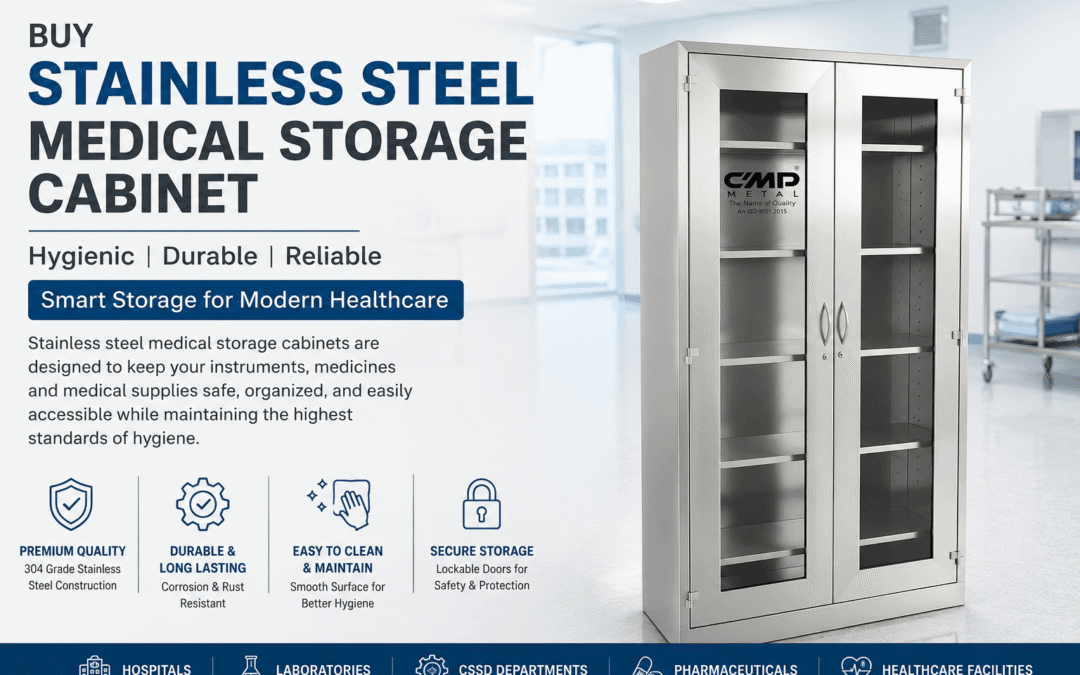
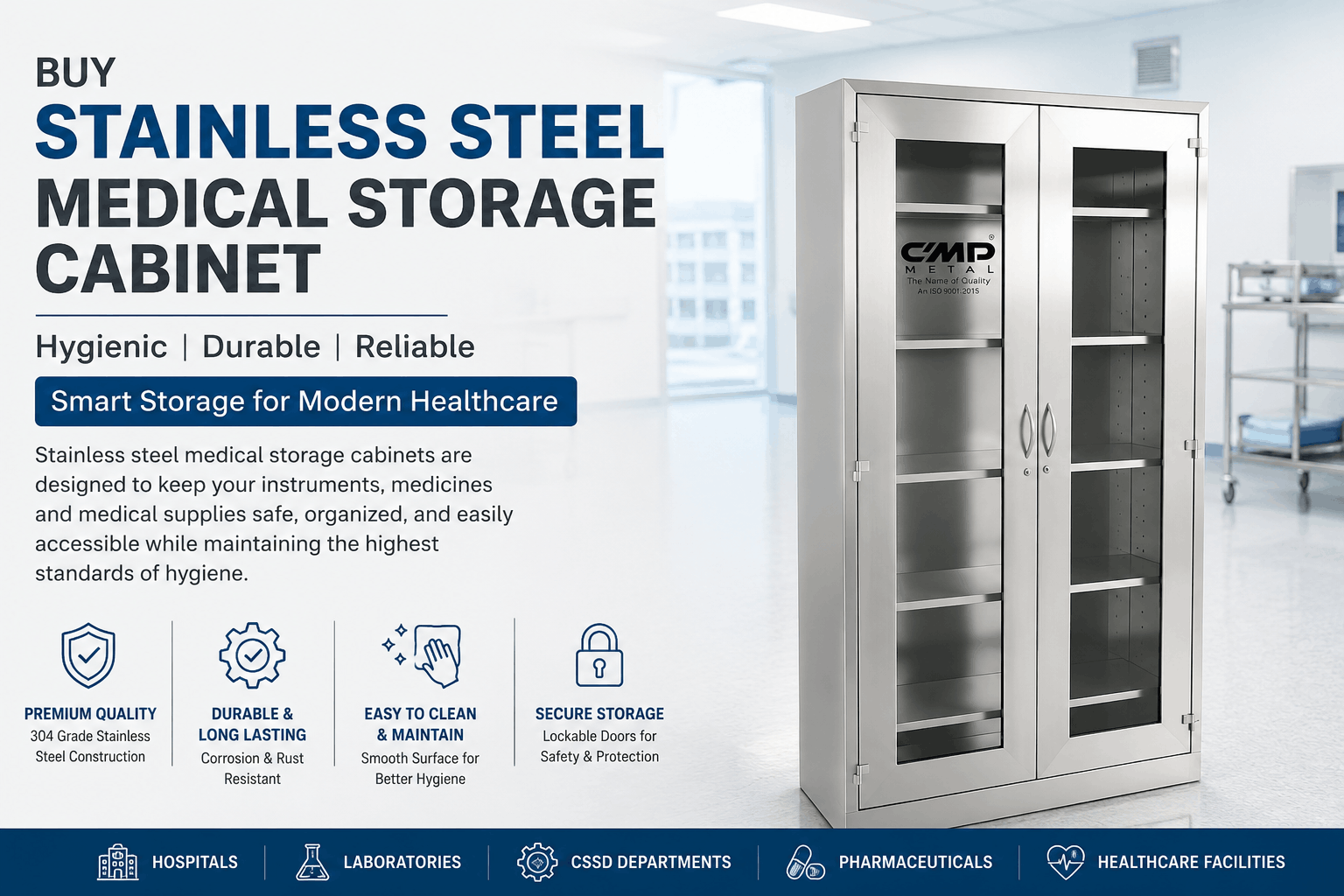
Instrument cabinets provide secure storage for surgical tools and medical equipment. Glass-door stainless steel cabinets improve visibility and organization inside operation theaters.

Endoscopic Cabinet

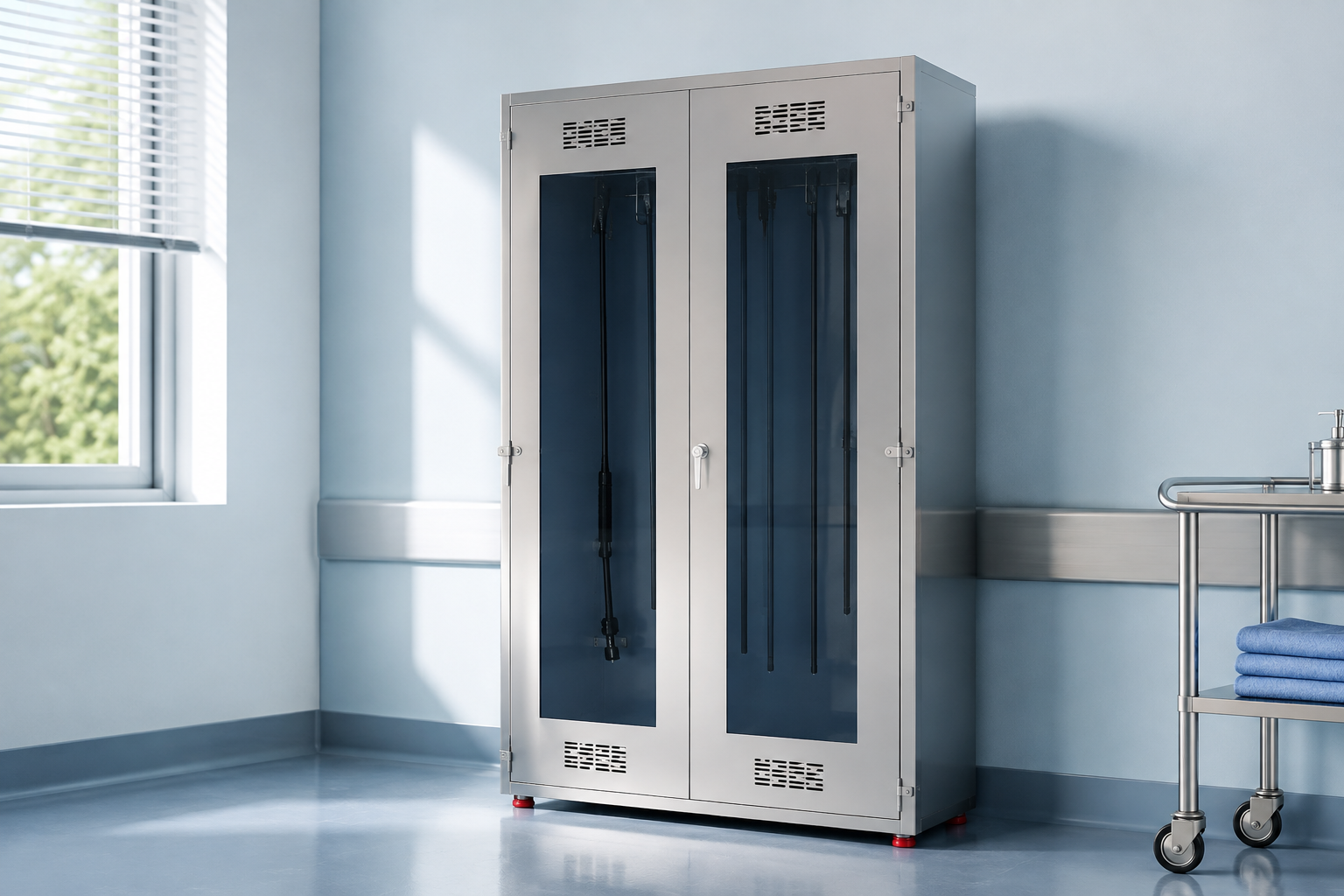
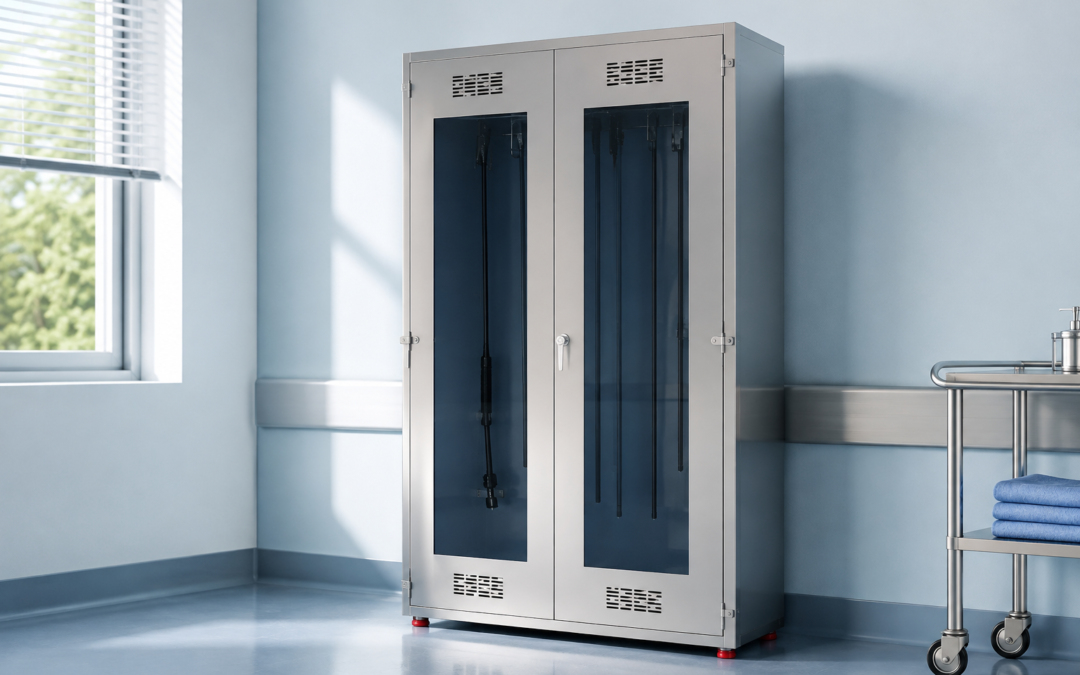
Endoscopic cabinets are specially designed for safe storage of endoscopy equipment and accessories in healthcare facilities.

Plenum Laminar / HVAC Air Diffuser

Proper air management is essential inside operation theaters. Laminar airflow systems and HVAC air diffusers help maintain sterile conditions and reduce airborne contamination.

Apron Rack

Apron racks are used to safely store radiation protection aprons inside hospitals and diagnostic departments.

Remote Examination Couch

Remote examination couches provide patient support during examinations and minor procedures while ensuring comfort and operational convenience.

Mortuary Cabinet

Mortuary cabinets are specially designed refrigerated storage systems used in hospitals and healthcare facilities for safe preservation.

Advantages of Modular Operation Theatre Furniture

Modern hospitals prefer Modular Operation Theatre Furniture because it provides flexibility, hygiene, and improved space utilization.

  • Easy cleaning and sterilization
  • Rust-resistant stainless steel construction
  • Long operational life
  • Better workflow management
  • Customizable configurations
  • Modern and space-saving design
  • Supports cleanroom standards
  • Improves surgical efficiency

Role of Modular Healthcare System​​ in OT Infrastructure

A Modular Healthcare System​​ combines furniture, wall systems, HVAC solutions, lighting, and cleanroom technology to create advanced surgical environments.

These systems are designed to maintain sterile conditions while supporting modern medical technology and healthcare operations.

  • Hermetically sealed doors
  • Modular OT wall panels
  • Laminar airflow systems
  • Cleanroom integration
  • Advanced storage solutions
  • Medical gas pipeline integration
  • Ceiling-mounted utility systems

Traditional OT Setup vs Modular OT Setup

Feature Traditional OT Setup Modular OT Setup
Hygiene Control Average Advanced
Maintenance High Low
Customization Limited Highly Flexible
Space Utilization Moderate Efficient
Technology Integration Basic Modern
Durability Average Long-lasting

How to Choose the Right Operation Theater Furniture Manufacturer

Check Product Quality

Always choose stainless steel OT furniture manufactured using premium-grade materials like SS 304 or SS 316.

Evaluate Manufacturing Experience

Experienced manufacturers understand healthcare standards, hospital workflows, and modular OT requirements.

Look for Product Variety

A reliable manufacturer should provide complete OT solutions including trolleys, cabinets, pass boxes, HVAC systems, and modular healthcare products.

Verify Customization Capability

Hospitals often require customized furniture dimensions and layouts based on their operation theater setup.

Check Installation and Support

Professional installation and after-sales support are essential for long-term operational efficiency.

Common Mistakes Hospitals Should Avoid

  • Buying low-quality stainless steel furniture
  • Ignoring infection control standards
  • Choosing non-modular setups
  • Not planning OT workflow properly
  • Ignoring future expansion requirements
  • Selecting suppliers without healthcare expertise

Expert Tips for Better OT Infrastructure

  • Use modular OT systems for long-term flexibility
  • Prioritize seamless stainless steel furniture
  • Choose easy-to-clean surfaces
  • Install proper airflow and HVAC systems
  • Invest in organized storage solutions
  • Work with specialized OT furniture manufacturers

FAQ Section

1. What products are included in operation theater furniture?

Operation theater furniture includes instrument trolleys, mayo trolleys, pass boxes, IV stands, crash carts, cabinets, examination couches, and modular OT systems.

2. Why is stainless steel preferred for OT furniture?

Stainless steel is corrosion-resistant, durable, hygienic, and easy to sterilize, making it ideal for healthcare environments.

3. What is Modular Operation Theatre Furniture?

Modular OT furniture is a modern healthcare solution designed for flexibility, hygiene, easy maintenance, and efficient space utilization.

4. What is the role of pass boxes in operation theaters?

Pass boxes help transfer materials between sterile and non-sterile areas while minimizing contamination risks.

5. Why are crash cart trolleys important in hospitals?

Crash carts store emergency medical supplies and equipment required during critical situations and emergency response.

6. How does a Modular Healthcare System​​ improve hospital infrastructure?

It creates a controlled and sterile healthcare environment using integrated OT panels, HVAC systems, storage solutions, and modular furniture.

7. How can hospitals choose the best operation theater furniture manufacturer mumbai?

Hospitals should compare product quality, customization options, healthcare experience, manufacturing standards, and after-sales support.

Conclusion

Modern healthcare facilities require advanced and hygienic OT environments to support surgical excellence and patient safety. Choosing the right operation theater furniture manufacturer ensures hospitals receive durable, efficient, and healthcare-compliant solutions.

From instrument trolleys and pass boxes to crash carts and modular OT systems, every product plays an important role in improving hospital operations and infection control.

With increasing demand for Modular Operation Theatre Furniture and integrated Modular Healthcare System​​ solutions, hospitals are investing in modern infrastructure that supports long-term performance, efficiency, and healthcare standards.