Dynamic Pass Box Manufacturer: What Really Makes a Reliable Cleanroom Transfer System?

Dynamic Pass Box Manufacturer: What Really Makes a Reliable Cleanroom Transfer System?

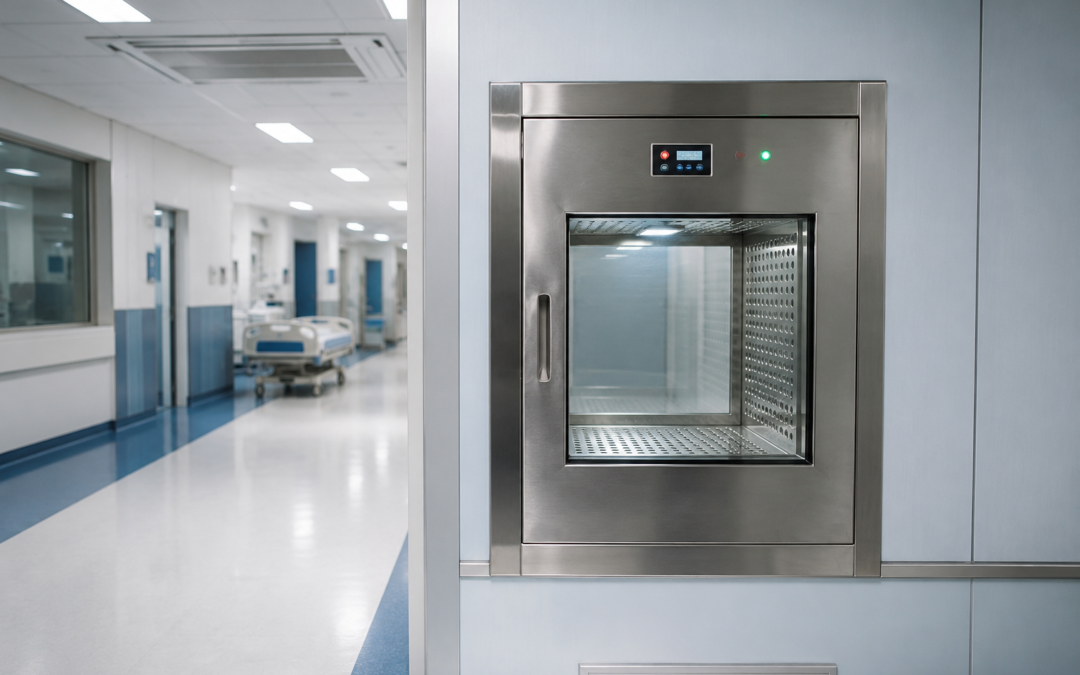
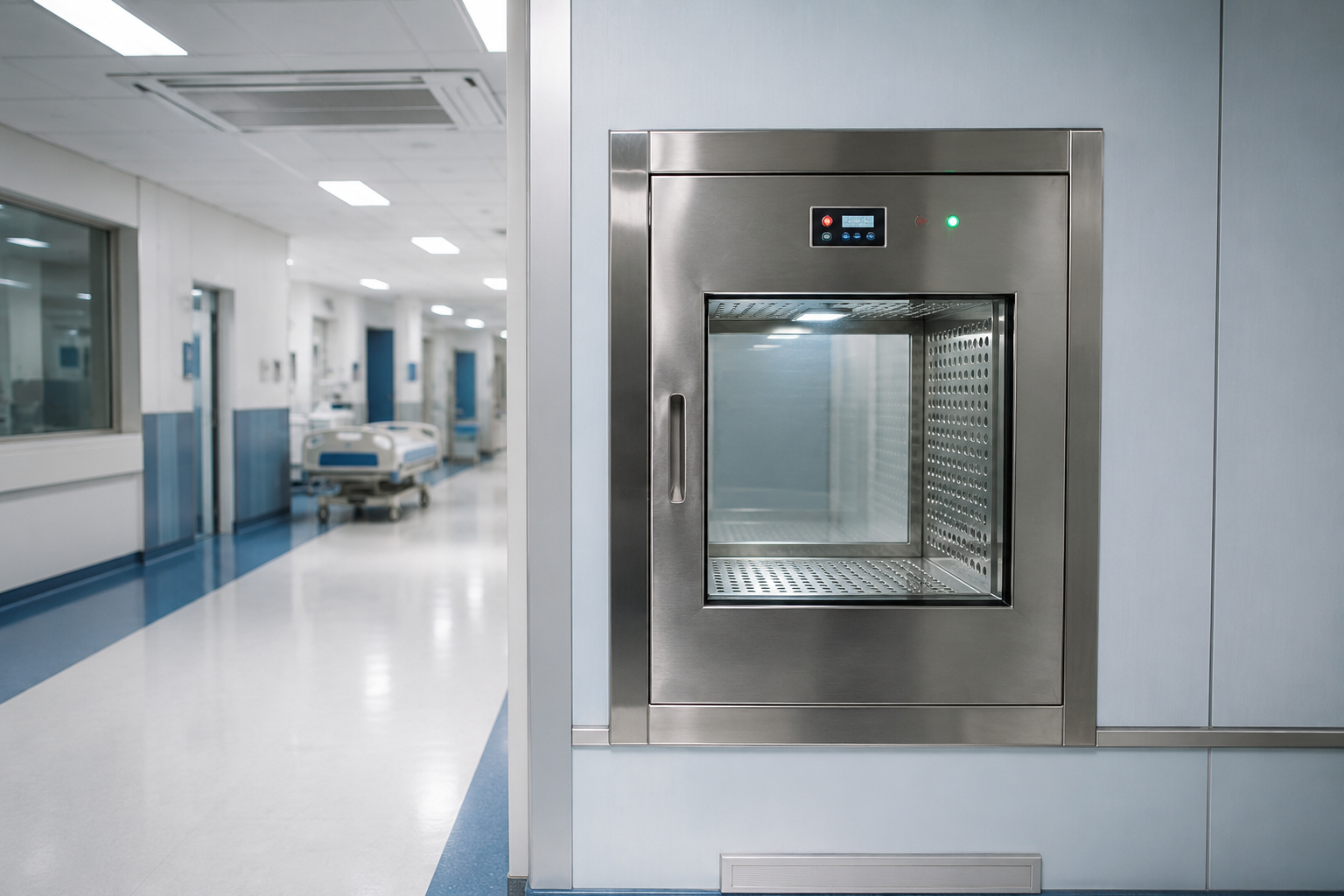
Dynamic Pass Box Manufacturer in India - Stainless Steel HEPA Filter Cleanroom Dynamic Pass Box


Cleanrooms are designed to keep contamination under control, but one small mistake during material transfer can compromise the entire environment. Whether it’s a pharmaceutical production facility, biotechnology laboratory, electronics manufacturing unit, or hospital cleanroom, transferring materials between controlled areas is one of the highest-risk activities.

This is where a dynamic pass box becomes an essential part of the contamination control process. It provides a safe transfer point while maintaining cleanroom integrity through controlled airflow and HEPA filtration. However, not every unit offers the same level of performance. The quality of design, filtration, airflow balance, construction materials, and manufacturing standards all make a significant difference.

Choosing the right dynamic pass box manufacturer isn’t simply about purchasing a stainless steel cabinet. It’s about investing in equipment that supports product quality, regulatory compliance, and long-term operational efficiency.

If you’re planning a new cleanroom or upgrading an existing facility in India, understanding how these systems work—and what separates a premium manufacturer from an average supplier—can help you make a smarter investment.

Why a Dynamic Pass Box Is Essential for Modern Cleanrooms

A dynamic pass box is an enclosed transfer chamber installed between two controlled areas with different cleanliness classifications. Instead of opening doors directly between rooms, materials are transferred through the chamber, reducing contamination risks.

Unlike static transfer systems, a cleanroom dynamic pass box continuously circulates filtered air using a blower and HEPA filter pass box technology. This airflow removes airborne particles before materials enter the cleaner environment.

Industries that commonly use these systems include:

  • Pharmaceutical manufacturing
  • Biotechnology laboratories
  • Medical device production
  • Food processing
  • Electronics manufacturing
  • Research laboratories
  • Hospital sterile areas

The goal is simple: maintain cleanroom classification while improving operational efficiency.

How HEPA Filter Pass Box Technology Protects Sensitive Products

The biggest advantage of a HEPA pass box is its filtration system.

Inside the chamber, powerful blowers circulate air through high-efficiency particulate air (HEPA) filters capable of removing up to 99.97% of particles measuring 0.3 microns.

This creates a controlled airflow that continuously cleans the chamber before, during, and after material transfer.

Feature Dynamic Pass Box Static Pass Box
HEPA Filtration ✔ Yes ✘ No
Continuous Airflow ✔ Yes ✘ No
Suitable for Critical Cleanrooms ✔ Yes Limited
Higher Contamination Protection ✔ Excellent Moderate
Pharmaceutical Applications ✔ Ideal Limited

For facilities handling sterile medicines or precision components, this extra level of protection is often essential.

Where Pharmaceutical Dynamic Pass Boxes Deliver the Greatest Value

In pharmaceutical manufacturing, contamination control isn’t optional.

A pharmaceutical dynamic pass box helps prevent cross-contamination during the movement of raw materials, packaging components, sampling containers, and finished products.

Manufacturers frequently install these systems between:

  • Production rooms
  • Sterile filling areas
  • Material preparation rooms
  • Packaging sections
  • Quality control laboratories

Many pharmaceutical facilities also integrate UV sterilization, pressure monitoring, differential pressure gauges, and digital control panels for additional safety.

The result is a smoother workflow without compromising Good Manufacturing Practice (GMP) standards.

Dynamic Transfer Hatch vs Air Shower Pass Box: What’s the Difference?

Many buyers confuse a dynamic transfer hatch with an air shower pass box, but each serves a slightly different purpose.

Dynamic Transfer Hatch

A dynamic transfer hatch focuses on maintaining clean airflow inside the chamber using HEPA filtration. It is ideal for routine material transfers between cleanrooms.

Air Shower Pass Box

An air shower pass box includes high-velocity air jets that actively blow contaminants off transferred items before they enter the next clean area.

Choose a dynamic transfer hatch if you need:

  • Continuous filtered airflow
  • Routine material transfer
  • Energy-efficient operation
  • Standard GMP applications

Choose an air shower pass box if you require:

  • Higher contamination removal
  • Critical sterile manufacturing
  • Sensitive pharmaceutical production
  • Advanced contamination control

Understanding the intended application helps avoid paying for features you don’t actually need.

What to Look for in a Dynamic Pass Box Manufacturer

Selecting the right manufacturer goes beyond comparing prices.

A reliable dynamic pass box manufacturer should focus on engineering quality, regulatory compliance, and long-term service support.

Key Features to Check

  • 304 or 316 stainless steel construction
  • High-quality HEPA filtration
  • Door interlocking system
  • Low vibration blower
  • Digital pressure monitoring
  • UV sterilization option
  • Easy-to-clean internal surfaces
  • Energy-efficient operation
  • GMP-compliant design
  • Custom sizing options

A manufacturer should also provide proper validation documents, operating manuals, testing reports, and after-sales support.

Expert Tips for Buying a Cleanroom Dynamic Pass Box

Small decisions during procurement can have a big impact later.

Match the Cleanroom Classification

Don’t over-specify or under-specify filtration. Choose a model that matches your cleanroom class.

Verify Filter Testing

Ask whether HEPA filters are individually tested before installation.

Think About Maintenance

Filters eventually require replacement. Choose designs with easy service access to reduce downtime.

Consider Future Expansion

If production may increase, investing in a larger chamber now can save money later.

Ask About Validation Support

Good manufacturers assist with installation qualification (IQ), operational qualification (OQ), and performance qualification (PQ)

Things Most Buyers Ignore Before Purchasing

Many purchasing teams focus almost entirely on price.

Unfortunately, that’s often where long-term problems begin.

Some overlooked factors include:

  • Noise level during operation
  • Power consumption
  • Availability of replacement filters
  • Door seal quality
  • Local service support
  • Delivery timelines
  • Warranty coverage
  • Spare parts availability

A slightly higher upfront investment often reduces maintenance costs over the equipment’s lifespan.

Common Mistakes When Choosing a HEPA Pass Box

Avoiding these mistakes can save both time and money.

Choosing Based Only on Price

Lower-cost models may use lower-grade filters or thinner stainless steel.

Ignoring Airflow Specifications

Incorrect airflow affects contamination control performance.

Forgetting Validation Requirements

Regulated industries require documented testing and validation.

Buying Non-Custom Sizes

Standard dimensions don’t always fit existing cleanroom layouts.

Skipping After-Sales Service

Reliable technical support becomes extremely valuable during maintenance and inspections.

Buying Guide: How to Select the Right Dynamic Pass Box

Before requesting quotations, answer these questions.

Question Why It Matters
What cleanroom class do you have? Determines filtration requirements
What materials will be transferred? Affects chamber size
Do you need UV sterilization? Extra contamination control
Is GMP compliance required? Important for pharmaceuticals
What stainless steel grade is needed? Chemical compatibility
Is local service available? Faster maintenance
Can the unit be customized? Better installation fit

A clear specification sheet makes comparing manufacturers much easier.

Frequently Asked Questions

What is a dynamic pass box?

A dynamic pass box is a cleanroom transfer chamber that uses continuous HEPA-filtered airflow to reduce contamination during material transfer.

What is the difference between a static and dynamic pass box?

A static pass box has no active airflow, while a dynamic pass box uses blowers and HEPA filters to maintain cleaner transfer conditions.

Why is a HEPA filter used?

HEPA filters remove extremely small airborne particles, helping maintain cleanroom standards.

Which industries use pharmaceutical dynamic pass boxes?

Pharmaceutical companies, biotechnology laboratories, hospitals, electronics manufacturers, medical device facilities, and research laboratories commonly use them.

Can a dynamic pass box be customized?

Yes. Most manufacturers offer custom dimensions, stainless steel grades, UV sterilization, digital controls, and additional accessories.

How often should HEPA filters be replaced?

Replacement depends on usage, operating hours, and validation results. Regular inspection and performance testing are recommended.

Is an air shower pass box better than a standard dynamic pass box?

Not always. Air shower models provide additional particle removal but are mainly used in highly critical cleanroom environments.

Final Thoughts

A well-designed dynamic pass box is far more than a transfer chamber. It plays a direct role in contamination control, product quality, and regulatory compliance.

Choosing a trusted dynamic pass box manufacturer means looking beyond the initial purchase price. Build quality, HEPA filtration performance, validation support, customization options, and reliable after-sales service all contribute to the long-term value of the equipment.

For pharmaceutical plants, hospitals, laboratories, and other cleanroom facilities across India, investing in the right system helps protect products, improve operational efficiency, and maintain consistent cleanroom performance for years to come.


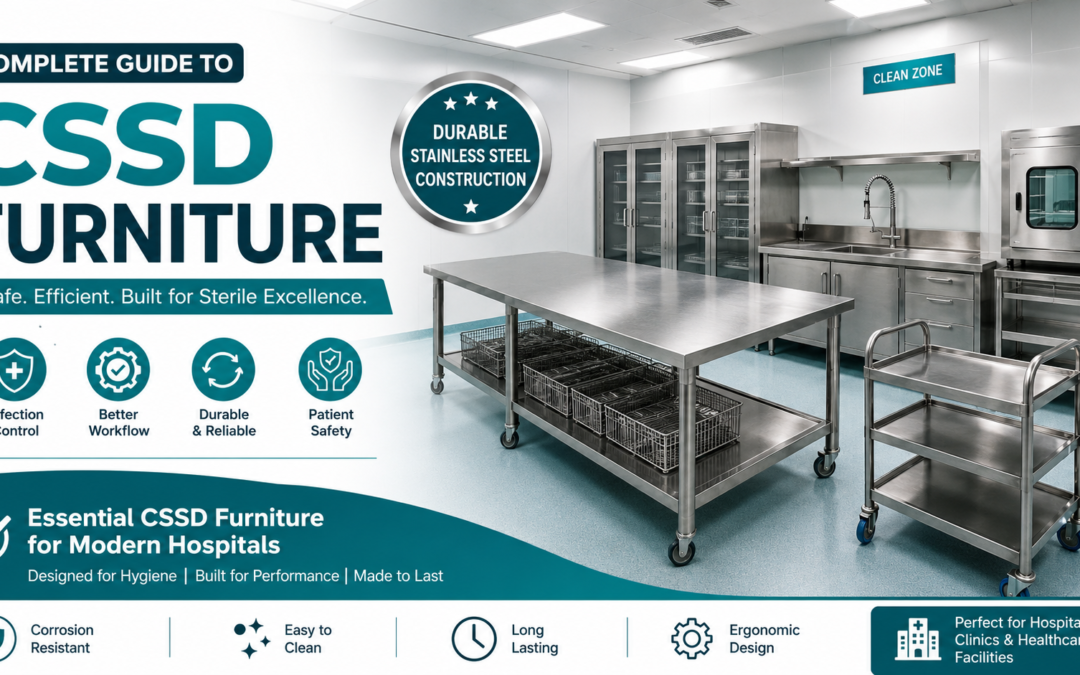
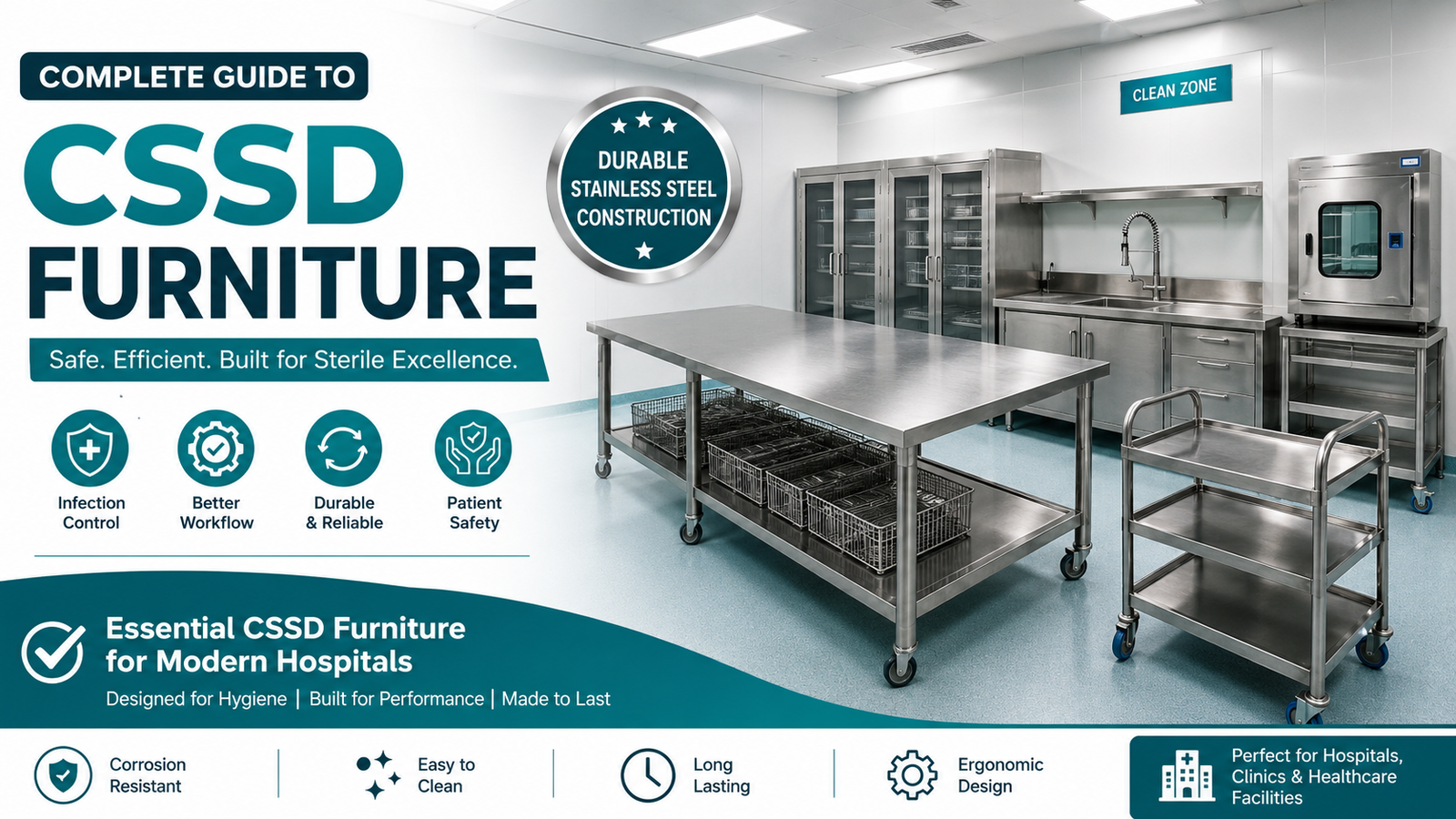
CSSD Furniture: Complete Guide to Safe, Efficient & Modern Sterile Processing

CSSD Furniture: Complete Guide to Safe, Efficient & Modern Sterile Processing

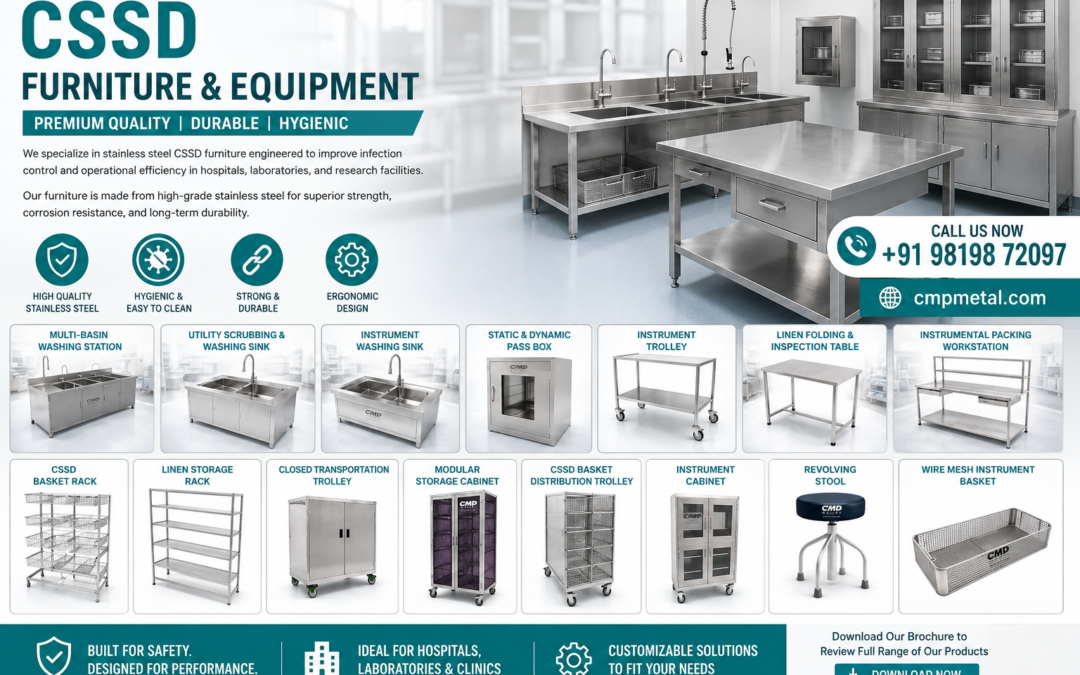
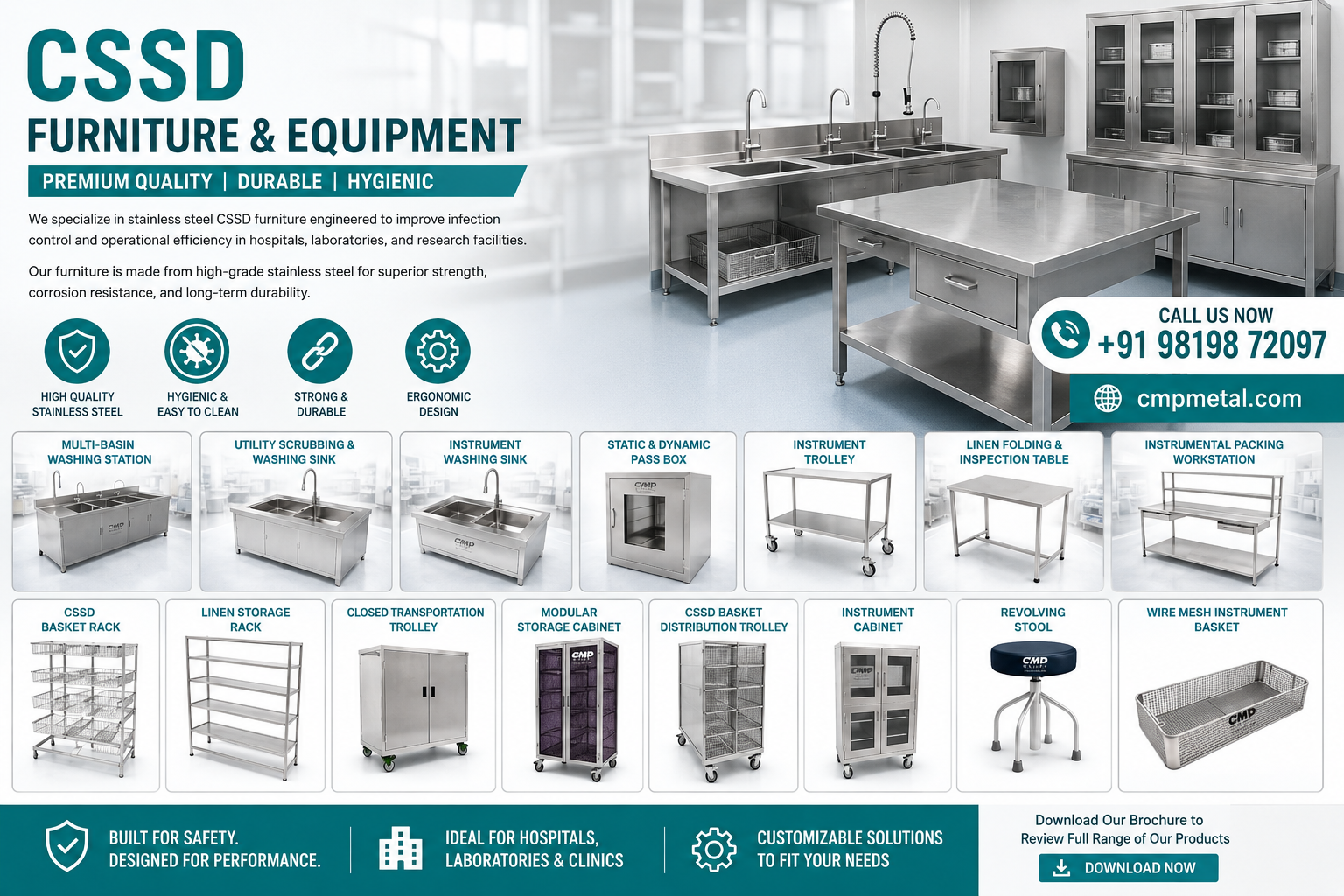
CSSD Furniture: Complete Guide to CSSD Furniture and Equipment

CSSD Furniture: Complete Guide to CSSD Furniture and Equipment

CSSD Furniture: Complete Guide to CSSD Furniture and Equipment

CSSD Furniture

Introduction

In any hospital or healthcare facility, maintaining sterile instruments is critical for patient safety. That’s where CSSD furniture plays a major role. The Central Sterile Supply Department (CSSD) is responsible for cleaning, disinfecting, sterilizing, storing, and distributing surgical instruments and medical equipment.

Without the right cssd furniture and equipment, workflow becomes inefficient, contamination risks increase, and staff productivity suffers. Poor furniture layout can also slow down sterilization processes and affect infection control standards.

This is why choosing the right cssd furnitures is essential for modern healthcare environments. From stainless steel worktables to storage cabinets and pass boxes, every piece contributes to operational efficiency.

In this guide, we’ll cover everything you need to know about CSSD furniture, including types, benefits, buying tips, and common mistakes to avoid.

What Problems Do Healthcare Facilities Face Without Proper CSSD Furniture?

Many hospitals underestimate the importance of specialized CSSD setups. This creates several challenges:

  • Poor workflow between dirty and sterile zones
  • Increased contamination risk
  • Limited storage for sterilized instruments
  • Difficulty maintaining hygiene standards
  • Reduced staff efficiency
  • Higher chances of equipment damage

For example, if sterilized tools are stored in non-medical cabinets, dust or microbial contamination becomes a real risk. Similarly, poor workstation design can slow packaging and inspection processes.

This makes high-quality cssd furniture and equipment a necessity rather than a luxury.

What is CSSD Furniture?

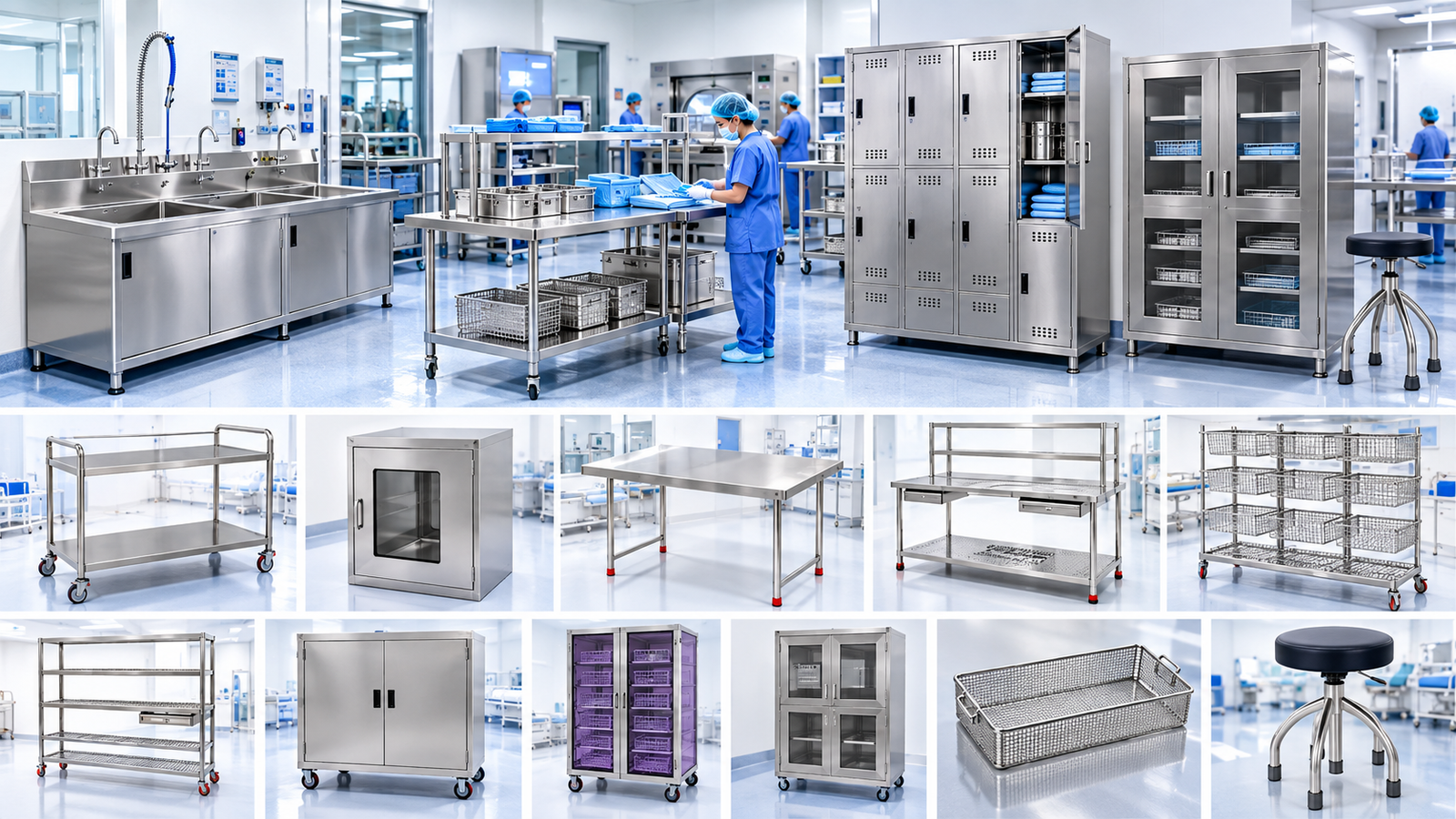
CSSD furniture refers to specialized furniture designed for sterilization departments in hospitals, clinics, laboratories, and healthcare facilities.

These furniture units are specifically engineered to support:

  • Instrument cleaning
  • Drying
  • Inspection
  • Packing
  • Sterile storage
  • Distribution

Most CSSD furniture is made from medical-grade stainless steel because it offers:

  • Corrosion resistance
  • Easy cleaning
  • High durability
  • Anti-bacterial surface properties

The goal is simple: maintain sterility while improving workflow.

Types of CSSD Furniture

1. Washing Area Furniture

Used in dirty zones where contaminated instruments are received and cleaned.

Examples:

  • Sink units
  • Washing stations
  • Draining tables
  • Utility counters

These help separate contaminated instruments from sterile ones.

2. Inspection and Packing Tables

After cleaning, instruments move to inspection areas.

These tables are used for:

  • Instrument checking
  • Assembly
  • Packaging
  • Labeling

Features often include:

  • Smooth edges
  • Under-table storage
  • Ergonomic height

3. Storage Cabinets

Storage is critical after sterilization.

Cabinets help protect sterile packs from:

  • Dust
  • Moisture
  • Contamination

Common types:

  • Closed cabinets
  • Open rack systems
  • Instrument trays

4. Transfer Trolleys

Used for moving instruments safely between departments.

Benefits:

  • Faster transport
  • Reduced manual handling
  • Better organization

5. Pass Box Units

Pass boxes transfer sterilized items between controlled environments.

Advantages:

  • Minimize human contact
  • Reduce contamination
  • Improve workflow separation

Key Features of High-Quality CSSD Furniture

Not all cssd furnitures are built the same. High-quality units usually offer the following features.

Stainless Steel Construction

Preferred grades:

  • SS 304
  • SS 316

These provide excellent rust resistance.

Seamless Design

Seamless welding reduces dirt accumulation and improves cleaning.

Ergonomic Structure

Good design reduces staff fatigue during long shifts.

  • Adjustable height tables
  • Smooth drawer movement
  • Rounded corners

Easy Sanitization

Furniture should withstand:

  • Chemical cleaning agents
  • Steam cleaning
  • Frequent disinfection

High Load Capacity

Storage units should handle:

  • Heavy instrument trays
  • Sterilization baskets
  • Medical supplies

Benefits of Using Proper CSSD Furniture and Equipment

Better Infection Control

The main benefit is reduced contamination risk.

Proper segregation between:

  • Dirty area
  • Clean area
  • Sterile area

helps maintain hygiene.

Improved Workflow

Efficient layouts reduce unnecessary movement and save time.

Staff can process more instruments in less time.

Increased Durability

Medical furniture lasts for years under heavy use.

Regulatory Compliance

Proper cssd furniture and equipment helps meet infection control and accreditation requirements.

CSSD Furniture Comparison Table

Feature Standard Furniture Specialized CSSD Furniture
Material Wood / Mild Steel Medical-grade Stainless Steel
Hygiene Difficult Easy
Durability Medium High
Corrosion Resistance Low Excellent
Infection Control Poor Excellent

Step-by-Step Buying Guide for CSSD Furniture

  1. Assess workflow
  2. Measure available space
  3. Choose SS 304 or SS 316 material
  4. Check hygiene standards
  5. Evaluate load capacity
  6. Select trusted manufacturer

Common Mistakes to Avoid

  • Choosing based only on price
  • Ignoring workflow design
  • Buying non-medical furniture
  • Underestimating storage needs

Expert Tips for Choosing the Best CSSD Furniture

  • Prioritize zoning
  • Focus on ergonomics
  • Think long-term
  • Invest in customization

Conclusion

Choosing the right cssd furniture is essential for safety, efficiency, and infection control. High-quality cssd furnitures improve workflow, protect sterile instruments, and support hospital compliance standards.

FAQs

What is CSSD furniture?

CSSD furniture refers to specialized hospital furniture used in sterilization departments.

Why is stainless steel used in CSSD furniture?

Because it is corrosion-resistant, hygienic, and easy to sanitize.

What furniture is required in a CSSD?

Washing stations, packing tables, storage cabinets, trolleys, and pass boxes.

Why is CSSD important in hospitals?

It ensures instruments remain sterile and reduces infection risks.

How long does CSSD furniture last?

High-quality stainless steel CSSD furniture can last 10–20 years.


Instrument Washing Sink: Complete Guide for Medical & Surgical Facilities

Instrument Washing Sink: Complete Guide for Medical & Surgical Facilities

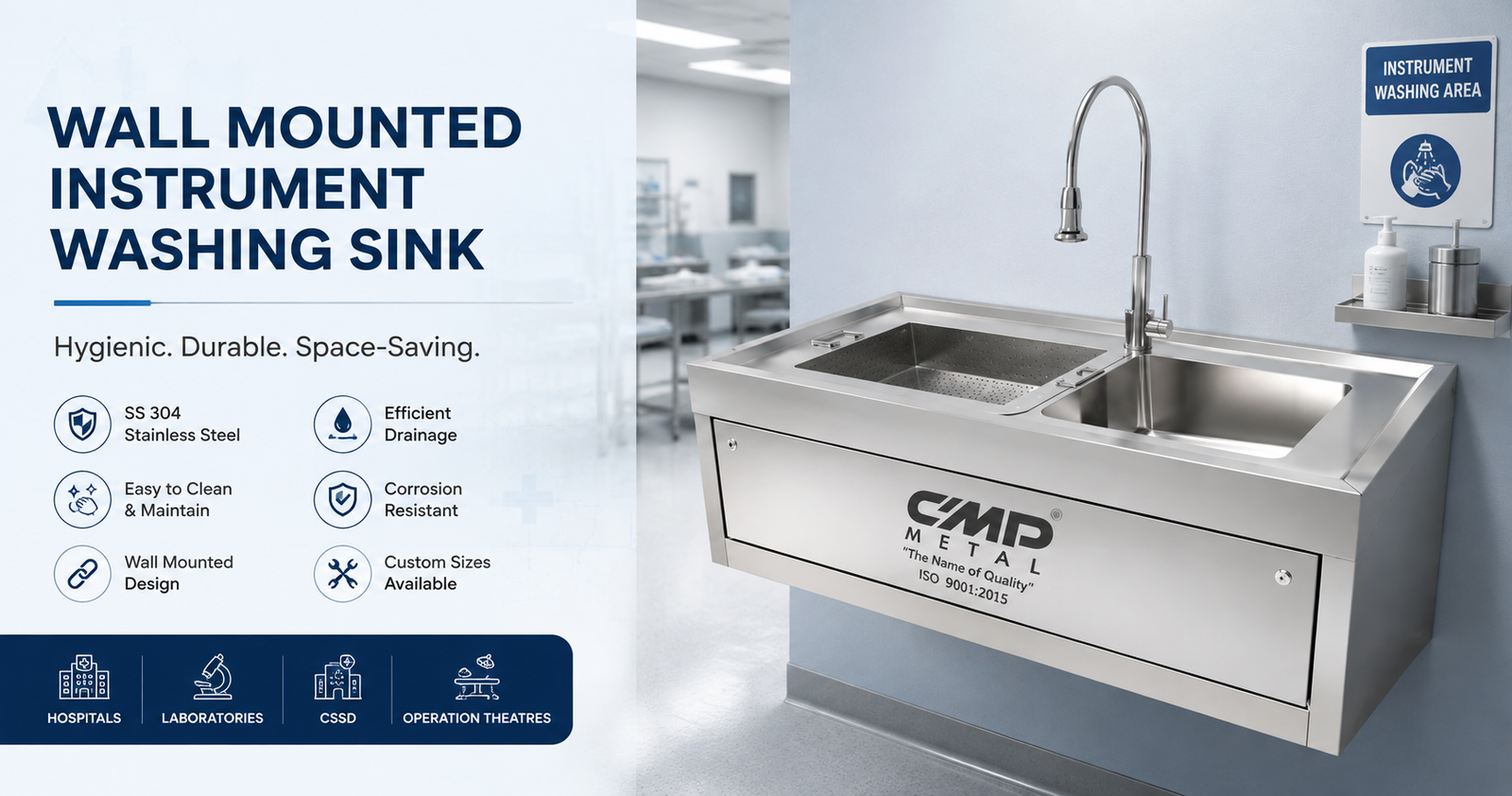
Stainless Steel Instrument Washing Sink with Cabinet for Hospitals and CSSD


Introduction

In hospitals, clinics, and laboratories, cleanliness is not optional—it directly impacts safety, infection control, and operational efficiency. One essential piece of equipment often overlooked is the instrument washing sink.

Whether you manage a surgical center, sterilization room, or medical lab, choosing the right sink can significantly improve cleaning workflows and reduce contamination risks.

A poorly designed sink can lead to water splashing, improper cleaning, and even damage to delicate instruments. That’s why understanding the right features, types, and buying factors matters before investing.

In this guide, we’ll cover everything you need to know about instrument washing sinks, including options like surgical instrument washing sink models and instrument washing sink with cabinet designs.

Problem / Pain Points

Many healthcare facilities struggle with inefficient instrument cleaning due to outdated or poorly designed sinks.

Common problems include:

  • Limited washing space for larger instruments
  • Water splashing onto surrounding surfaces
  • Poor drainage causing contamination risks
  • Difficult cleaning due to poor sink design
  • Lack of storage for detergents and cleaning tools

These issues may seem minor, but over time they can slow sterilization processes and increase infection-control challenges.

Why an Instrument Washing Sink Matters

An instrument washing sink is specially designed for cleaning medical, dental, laboratory, and surgical tools before sterilization.

Unlike regular sinks, these are built for:

  • Infection prevention
  • Better ergonomics
  • Easy sanitation
  • Chemical resistance
  • Heavy-duty daily usage

These sinks support the critical first step of reprocessing instruments: thorough cleaning before sterilization.

Main Guide: What Makes a Good Instrument Washing Sink?

1. Material Quality

Most high-quality sinks use:

  • Stainless steel 304
  • Stainless steel 316
  • Corrosion-resistant metal alloys

Stainless steel is preferred because it offers rust resistance, easy cleaning, long lifespan, and chemical resistance.

2. Sink Depth

A deeper basin helps reduce splashing, accommodate large trays, and improve ergonomic washing.

Recommended depth typically ranges from 250 mm to 450 mm.

3. Drainage System

Look for fast drainage, anti-clog systems, and easy-to-clean drain traps.

4. Splash Protection

High-quality designs include rear splash guards, side protection walls, and curved basin edges.

5. Storage Options

An instrument washing sink with cabinet provides extra storage for cleaning tools, detergents, PPE, and accessories.

Types of Instrument Washing Sinks

Single Bowl Instrument Washing Sink

Best for small clinics, dental offices, and labs.

  • Compact
  • Cost-effective
  • Easy installation

Double Bowl Instrument Washing Sink

Useful for separating wash and rinse stages, reducing cross-contamination.

Triple Bowl Sink

Common in larger hospitals for:

  1. Pre-soak
  2. Wash
  3. Final rinse

Surgical Instrument Washing Sink

A surgical instrument washing sink is specifically designed for operating theatres and sterile departments.

  • Deep bowls
  • Hands-free operation
  • Foot pedal controls
  • Temperature control
  • Chemical-resistant surfaces

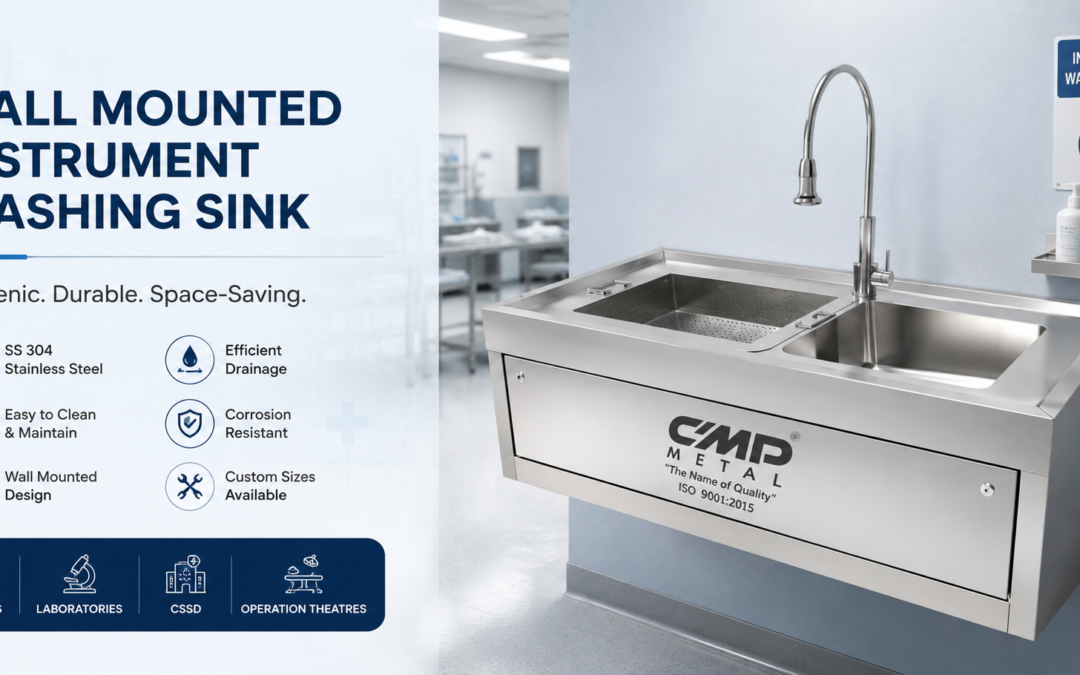
Wall-Mounted Sink

Best for small sterilization rooms and space-saving layouts.

Instrument Washing Sink with Cabinet

This design combines washing and storage, improving organization and workflow.

Features & Benefits

Improved Infection Control

Dedicated cleaning stations help reduce bacterial spread and contamination.

Faster Cleaning Process

Purpose-built sinks improve workflow efficiency and save time.

Better Ergonomics

Proper sink height reduces back strain, shoulder fatigue, and repetitive stress injuries.

Long-Term Cost Savings

A quality sink lasts years with minimal maintenance and lower repair costs.

Comparison Table

Feature Standard Sink Instrument Washing Sink
Medical-grade material No Yes
Deep basin Limited Yes
Splash protection No Yes
Chemical resistance Limited High

Step-by-Step Buying Guide

Step 1: Evaluate Usage Volume

Determine how many instruments are cleaned daily and their size.

Step 2: Measure Available Space

Check width, height, and plumbing layout.

Step 3: Choose Number of Bowls

Select from 1, 2, or 3 bowls depending on workflow.

Step 4: Consider Storage Needs

If organization matters, choose an instrument washing sink with cabinet.

Step 5: Check Compliance

Ensure the sink meets hospital hygiene and infection control standards.

Common Mistakes to Avoid

  • Choosing based only on price
  • Ignoring workflow needs
  • Buying the wrong size
  • Overlooking maintenance requirements

Expert Tips

  • Choose seamless welded construction
  • Prefer rounded corners
  • Add hands-free controls
  • Plan for future growth

FAQ

What is an instrument washing sink?

A specialized sink used in hospitals and labs to clean instruments before sterilization.

Why not use a regular sink?

Regular sinks lack depth, splash control, and medical-grade materials.

What material is best?

Stainless steel 304 or 316 is ideal for durability and hygiene.

What is a surgical instrument washing sink?

A sink designed specifically for cleaning surgical tools with enhanced hygiene features.

Should I buy one with a cabinet?

Yes, if you need better storage and workflow organization.

Conclusion

An instrument washing sink plays a critical role in infection control, instrument safety, and workflow efficiency.

Whether you need a compact clinic sink, a surgical instrument washing sink, or an instrument washing sink with cabinet, choosing the right model improves hygiene and long-term operational performance.

Dynamic Pass Box Manufacturer: Complete Guide for Cleanroom & Pharma Industries

Dynamic Pass Box Manufacturer: Complete Guide for Cleanroom & Pharma Industries

Dynamic Pass Box Manufacturer: Complete Guide for Cleanroom & Pharma Industries

Dynamic Pass Box Manufacturer

Introduction

In industries like pharmaceuticals, biotechnology, hospitals, and laboratories, maintaining contamination-free environments is critical. Even a small amount of dust, bacteria, or airborne particles can affect product quality, research accuracy, and safety standards.

This is where a reliable dynamic pass box manufacturer plays an important role.

A dynamic pass box helps transfer materials between cleanroom areas without allowing contamination to enter the controlled environment. It improves hygiene, supports compliance, and increases operational efficiency.

However, many buyers struggle to choose between a dynamic and static pass box, understand cleanroom specifications, or find a trusted cleanroom pass box manufacturer that delivers quality and long-term reliability.

This guide explains everything you need to know before selecting the right pass box system for your facility.

What Problems Do Industries Face Without a Proper Pass Box?

Many industries still face contamination-related challenges due to improper material handling systems.

Common Issues Include:

  • Cross-contamination between cleanroom zones
  • Airborne particle transfer
  • Frequent manual handling errors
  • Poor hygiene compliance
  • Product rejection or quality failures
  • Increased cleanroom maintenance costs

In pharmaceutical manufacturing and laboratory environments, contamination control is not optional. A certified pharma pass box supplier helps maintain sterile transfer conditions while reducing human interference.

Why Choosing the Right Dynamic Pass Box Manufacturer Matters

Not all pass boxes are designed with the same engineering standards. A professional dynamic pass box manufacturer ensures:

  • Proper airflow management
  • HEPA filtration efficiency
  • Durable stainless steel construction
  • Reliable interlocking systems
  • GMP and ISO compliance
  • Long operational lifespan

Choosing the wrong supplier can result in maintenance problems, airflow imbalance, and non-compliance with cleanroom standards.

What is a Dynamic Pass Box?

A dynamic pass box is a cleanroom equipment system used to transfer materials between classified and non-classified areas while maintaining air cleanliness.

Unlike standard transfer chambers, dynamic models use:

  • HEPA filters
  • Motor blowers
  • Air circulation systems
  • UV sterilization (optional)

These features continuously clean the internal chamber air during material transfer.

Main Components of a Dynamic Pass Box

  • Stainless steel body
  • HEPA filter
  • Motor blower assembly
  • Differential pressure gauge
  • Electromagnetic interlocking doors
  • UV light system
  • Control panel

Types of Pass Boxes

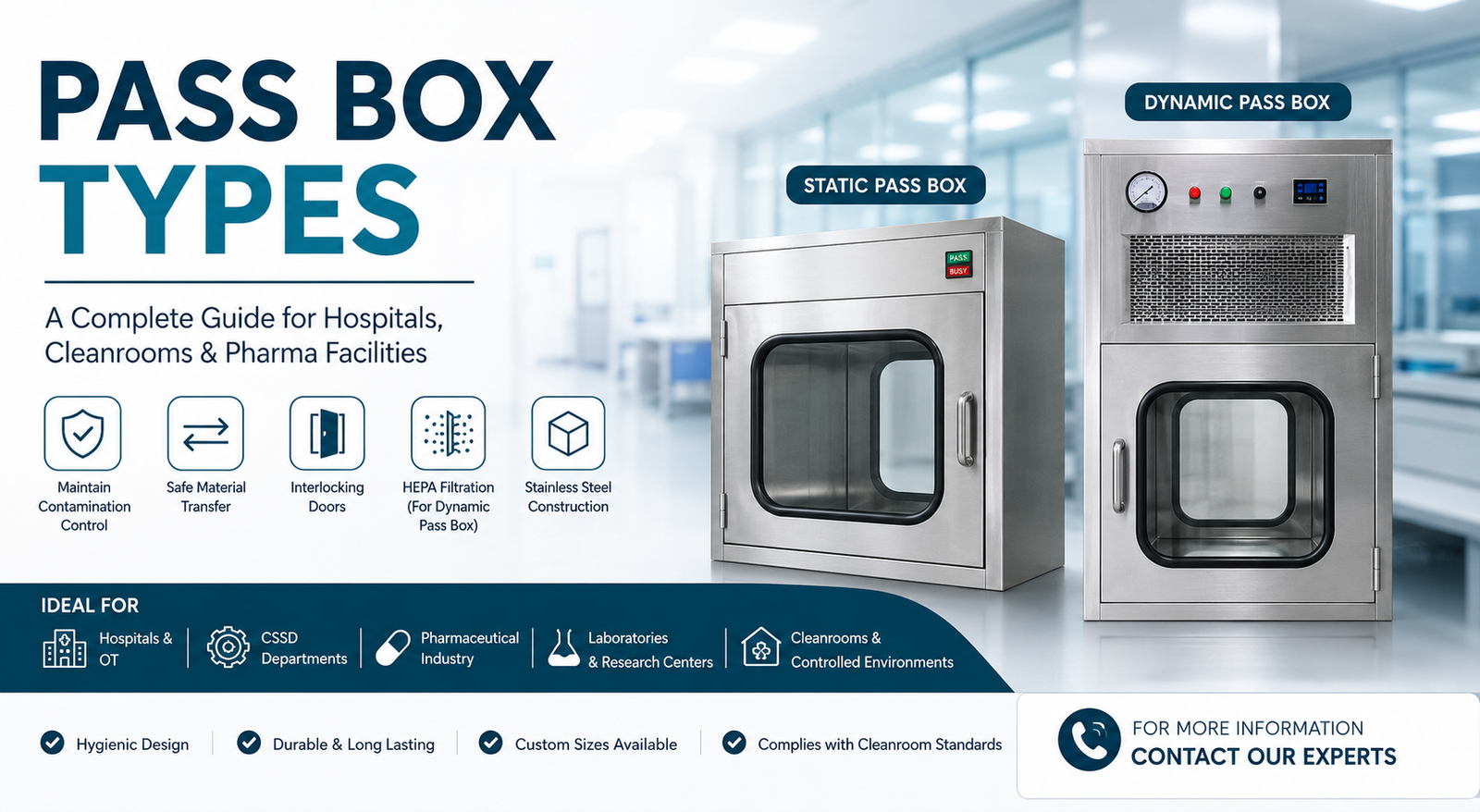
1. Dynamic Pass Box

Used in:

  • Pharmaceutical plants
  • Sterile manufacturing units
  • Biotechnology labs
  • High-grade cleanrooms

Features active air filtration and contamination control.

2. Static Pass Box

A static pass box manufacturer provides systems designed for basic material transfer where contamination risk is lower.

Used in:

  • Packaging sections
  • Warehouses
  • Non-critical cleanroom zones

Static pass boxes do not include airflow systems or HEPA filtration.

Dynamic Pass Box vs Static Pass Box

Feature Dynamic Pass Box Static Pass Box
Air Filtration HEPA Filter No Filter
Airflow System Available Not Available
Contamination Control High Moderate
Suitable for Pharma & Sterile Areas Basic Transfer Areas
Maintenance Moderate Low
Cost Higher Lower

A trusted static pass box manufacturer can help for basic cleanroom applications, but critical environments usually require dynamic systems.

Key Features of a High-Quality Cleanroom Pass Box

When selecting a cleanroom pass box manufacturer, look for these important features:

Stainless Steel Construction

SS 304 or SS 316 material improves durability, corrosion resistance, and hygiene.

HEPA Filtration

Removes airborne particles efficiently and maintains clean airflow.

Interlocking Door System

Prevents both doors from opening simultaneously, reducing contamination risks.

UV Sterilization

Helps eliminate microbial contamination inside the chamber.

Noise-Free Operation

High-quality blowers ensure smooth and quiet operation.

Easy Cleaning Design

Rounded corners and smooth surfaces reduce particle accumulation.

Benefits of Using Dynamic Pass Boxes

Better Contamination Control

Dynamic systems reduce airborne contamination during material transfer.

Improved Cleanroom Compliance

Supports GMP, ISO, and FDA cleanroom standards.

Reduced Human Traffic

Minimizes operator movement between controlled zones.

Increased Product Safety

Protects sensitive pharmaceutical and laboratory products.

Operational Efficiency

Improves workflow speed and material handling accuracy.

Industries That Use Dynamic Pass Boxes

A professional pass box supplier generally serves multiple industries.

Common Applications Include:

  • Pharmaceutical manufacturing
  • Biotechnology facilities
  • Hospitals
  • IVF laboratories
  • Food processing units
  • Electronics manufacturing
  • Research laboratories
  • Chemical industries

Step-by-Step Buying Guide for Dynamic Pass Boxes

Choosing the right dynamic pass box manufacturer requires careful evaluation.

Step 1: Identify Cleanroom Classification

Understand whether your facility operates under ISO Class 5, 7, or 8 standards.

Step 2: Define Material Transfer Needs

Consider:

  • Product size
  • Transfer frequency
  • Sterility requirements

Step 3: Check Material Quality

Prefer stainless steel construction with proper surface finishing.

Step 4: Verify Filtration Efficiency

Ensure HEPA filters meet industry standards.

Step 5: Ask About Compliance

Look for:

  • GMP compliance
  • ISO standards
  • Validation support

Step 6: Compare Customization Options

Some industries require customized chamber sizes and airflow configurations.

Step 7: Evaluate After-Sales Support

Reliable technical support and maintenance services are important for long-term performance.

Common Mistakes to Avoid While Buying a Pass Box

Ignoring Cleanroom Requirements

Buying a static system for sterile applications can create contamination risks.

Choosing Based Only on Price

Low-cost systems may compromise filtration efficiency and durability.

Not Checking Interlocking Systems

Poor-quality door interlocks can fail during operation.

Skipping Validation Support

Pharma facilities often require IQ/OQ documentation and validation assistance.

Overlooking Maintenance Access

Choose systems designed for easy cleaning and filter replacement.

Expert Tips Before Selecting a Pharma Pass Box Supplier

Industry professionals recommend focusing on performance, compliance, and long-term reliability rather than only initial cost.

Important Expert Recommendations

  • Always verify HEPA filter specifications
  • Prefer reputed cleanroom equipment manufacturers
  • Ask for airflow testing reports
  • Confirm stainless steel grade
  • Ensure proper electrical safety standards
  • Choose suppliers with pharma industry experience

A trusted pharma pass box supplier should also provide installation guidance and technical documentation.

How Dynamic Pass Boxes Improve Cleanroom Efficiency

Dynamic pass boxes are not just transfer chambers. They directly impact operational quality.

Efficiency Advantages

  • Faster material movement
  • Lower contamination incidents
  • Reduced cleanroom downtime
  • Better workflow management
  • Lower maintenance costs over time

For pharmaceutical production lines, this can significantly improve process reliability.

Frequently Asked Questions (FAQs)

1. What is the difference between a dynamic and static pass box?

A dynamic pass box includes HEPA filtration and airflow systems for contamination control, while a static pass box is used for simple material transfer without active filtration.

2. Why is a dynamic pass box important in pharmaceutical industries?

It helps maintain sterile conditions during material transfer and reduces contamination risks in cleanroom environments.

3. What material is best for a cleanroom pass box?

Stainless steel SS 304 or SS 316 is commonly preferred due to corrosion resistance and hygiene benefits.

4. How often should HEPA filters be replaced?

It depends on usage and environment, but most facilities inspect filters regularly and replace them based on airflow performance and validation reports.

5. Can pass boxes be customized?

Yes. Many manufacturers provide customized dimensions, airflow systems, and control options based on facility requirements.

6. What industries use dynamic pass boxes?

Pharmaceuticals, biotechnology, hospitals, laboratories, food processing, and electronics manufacturing commonly use dynamic pass boxes.

7. How do I choose the right pass box supplier?

Look for industry experience, product quality, cleanroom compliance, customization capability, and after-sales support.

Conclusion

Selecting the right dynamic pass box manufacturer is essential for maintaining contamination-free operations in cleanroom environments. Whether you operate a pharmaceutical plant, laboratory, or sterile manufacturing facility, the right pass box system improves safety, compliance, and workflow efficiency.

Understanding the difference between dynamic and static systems, evaluating cleanroom requirements, and choosing an experienced cleanroom pass box manufacturer can help you make a smarter long-term investment.

A high-quality pass box is not just equipment — it is a critical part of maintaining cleanroom integrity and product quality.

CSSD Furniture: Complete Guide for Modern Hospitals

CSSD Furniture: Complete Guide for Modern Hospitals

CSSD Furniture: Complete Guide for Modern Hospitals

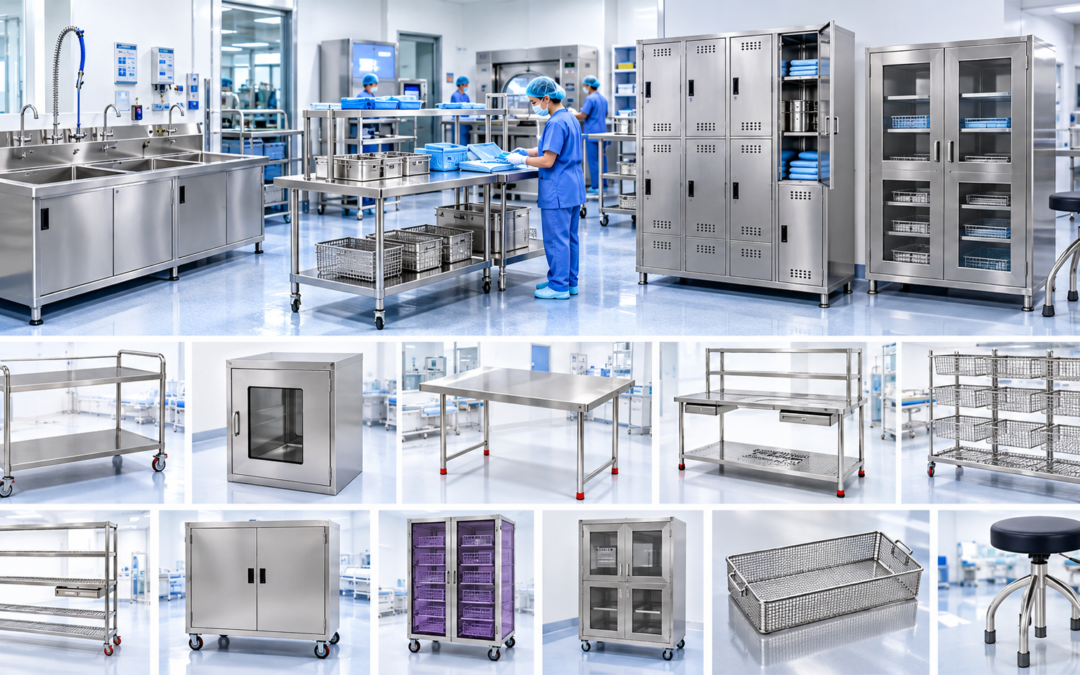
CSSD Furniture for HospitalsIn modern healthcare facilities, hygiene and sterilization are not optional — they are critical. One of the most important areas responsible for maintaining hospital cleanliness is the Central Sterile Supply Department (CSSD). To ensure smooth sterilization workflows, hospitals require high-quality cssd furniture that supports efficiency, infection control, and safety.

Many hospitals struggle with poor workflow management, contamination risks, and inefficient sterilization setups because they use outdated or low-quality furniture for hospitals. This directly impacts patient safety and staff productivity.

That is why selecting the right cssd furniture for hospitals has become essential for healthcare facilities aiming to meet modern healthcare standards. From stainless steel workstations to storage cabinets and sterilization trolleys, every component plays an important role in maintaining sterile environments.

This guide explains everything you need to know about CSSD furniture, including types, benefits, buying tips, and how to choose reliable cssd manufacturers in India.

What Is CSSD Furniture?

CSSD furniture refers to specialized hospital furniture designed specifically for sterilization departments. These products are made to support cleaning, disinfecting, packing, sterilizing, and storing medical instruments safely.

Unlike regular furniture, CSSD setups are built using medical-grade stainless steel and hygienic designs to minimize contamination risks.

Common examples include:

  • Stainless steel work tables
  • Instrument storage cabinets
  • Sterilization trolleys
  • Packing tables
  • Wash area furniture
  • Pass boxes
  • Drying racks
  • Sink units

Most cssd equipment manufacturers in india focus on creating furniture that complies with hospital hygiene standards and infection control requirements.

Why CSSD Furniture Matters in Hospitals

Hospital sterilization departments handle thousands of surgical instruments every day. Poorly designed furniture can create workflow interruptions and contamination risks.

Key Reasons Why CSSD Furniture Is Important:

  • Maintains sterile environments
  • Supports infection prevention
  • Improves workflow efficiency
  • Enhances staff safety
  • Reduces contamination risks
  • Provides organized instrument storage
  • Supports NABH and healthcare compliance

High-quality cssd furniture for hospitals also improves durability and reduces long-term maintenance costs.

Common Problems Hospitals Face Without Proper CSSD Furniture

Healthcare facilities often face operational issues when they use standard or low-quality furniture.

Common Challenges Include:

1. Poor Workflow Management

Improper layouts create confusion between dirty and sterile zones.

2. Contamination Risks

Non-hygienic surfaces can collect bacteria and germs.

3. Difficult Cleaning

Low-quality materials are harder to disinfect properly.

4. Space Utilization Issues

Poor storage systems create clutter in sterilization areas.

5. Frequent Maintenance

Cheap materials often rust or get damaged quickly.

This is why hospitals prefer trusted cssd furniture manufacturers that specialize in healthcare environments.

Types of CSSD Furniture

1. Stainless Steel Work Tables

These tables are used for instrument inspection, packing, and preparation.

Features:

  • Corrosion-resistant
  • Easy to clean
  • Heavy-duty structure
  • Smooth hygienic finish

2. Instrument Storage Cabinets

Storage cabinets help organize sterile instruments safely.

Benefits:

  • Dust protection
  • Better organization
  • Improved workflow
  • Hygienic storage

3. Sterilization Trolleys

Trolleys transport sterile and used instruments between departments.

Common Uses:

  • OT instrument transfer
  • Linen movement
  • Waste handling
  • Sterile supply movement

4. Sink Units & Washing Stations

Used for cleaning and disinfecting surgical tools before sterilization.

Features:

  • Deep sink bowls
  • Splash-resistant design
  • Stainless steel construction
  • Ergonomic working height

5. Pass Boxes

Pass boxes allow safe transfer of materials between cleanrooms and sterile areas.

Advantages:

  • Reduces contamination
  • Controlled transfer process
  • Improves infection control

Features to Look for in CSSD Furniture

Selecting the right cssd furniture manufacturer is not just about price. Hospitals should focus on quality, safety, and long-term usability.

Important Features Include:

Feature Importance
Stainless Steel Construction Prevents rust and contamination
Smooth Surface Finish Easy cleaning and maintenance
Hygienic Design Reduces bacterial growth
Heavy-Duty Durability Long service life
Ergonomic Design Improves staff comfort
Modular Design Better space management
Easy Mobility Efficient transport operations

Benefits of High-Quality CSSD Furniture

Investing in premium furniture for hospitals offers long-term operational benefits.

Major Benefits:

Better Infection Control

Medical-grade stainless steel minimizes bacterial growth.

Improved Workflow

Proper layouts reduce unnecessary movement.

Easy Maintenance

Smooth surfaces simplify cleaning processes.

Longer Lifespan

Durable furniture reduces replacement costs.

Compliance Support

Supports NABH and healthcare quality standards.

Enhanced Productivity

Well-organized workspaces improve staff efficiency.

CSSD Furniture Materials: Why Stainless Steel Is Preferred

Most professional cssd manufacturers use stainless steel because it provides the best balance of hygiene, durability, and corrosion resistance.

Advantages of Stainless Steel:

  • Rust-resistant
  • Non-porous surface
  • Chemical resistant
  • Easy sterilization
  • Long-lasting performance

Grades like SS304 are commonly used in hospital sterilization departments.

Comparison: Standard Furniture vs CSSD Furniture

Factor Standard Furniture CSSD Furniture
Material Quality Basic materials Medical-grade stainless steel
Hygiene Difficult to disinfect Easy to sanitize
Durability Moderate Heavy-duty
Hospital Compliance Limited Designed for healthcare
Infection Control Low High
Maintenance Frequent repairs Low maintenance

Step-by-Step Guide to Buying CSSD Furniture

Step 1: Analyze Workflow Requirements

Understand:

  • Instrument volume
  • Department size
  • Sterilization process flow

Step 2: Choose Reliable CSSD Manufacturers

Always verify:

  • Industry experience
  • Product quality
  • Healthcare specialization
  • Customer reviews

Step 3: Check Material Quality

Prefer:

  • SS304 stainless steel
  • Smooth welded joints
  • Corrosion-resistant finish

Step 4: Evaluate Customization Options

Many hospitals require custom dimensions and layouts.

Step 5: Compare Pricing & Service

Do not select suppliers based only on low pricing. Focus on:

  • Quality
  • Warranty
  • After-sales support
  • Installation assistance

Common Mistakes to Avoid

  • Buying low-cost non-medical furniture
  • Ignoring workflow planning
  • Choosing poor-quality stainless steel
  • Overlooking maintenance requirements
  • Not checking manufacturer expertise
  • Ignoring future expansion needs

Reliable cssd equipment manufacturers in india usually help hospitals avoid these issues through consultation and planning support.

Expert Tips for Selecting the Right CSSD Furniture

Focus on Long-Term Value

Quality furniture lasts longer and reduces operational problems.

Prioritize Infection Control

Always choose hygienic designs and smooth finishes.

Verify Manufacturer Experience

Experienced cssd furniture manufacturers understand healthcare standards better.

Plan Space Efficiently

Good layouts improve sterilization efficiency significantly.

Ask About Customization

Customized furniture improves workflow optimization.

FAQs About CSSD Furniture

1. What is CSSD furniture used for?

CSSD furniture is used in hospital sterilization departments for cleaning, storing, packing, and transporting medical instruments safely.

2. Why is stainless steel preferred for CSSD furniture?

Stainless steel is durable, corrosion-resistant, hygienic, and easy to disinfect, making it ideal for healthcare environments.

3. How do I choose the right CSSD furniture manufacturer?

Look for experience, healthcare specialization, stainless steel quality, customization options, and after-sales support.

4. What are the main types of CSSD furniture?

Common types include work tables, storage cabinets, sink units, trolleys, pass boxes, and packing stations.

5. Is customized CSSD furniture better for hospitals?

Yes. Customized furniture improves workflow efficiency, space management, and sterilization operations.

6. What is the role of CSSD in hospitals?

The Central Sterile Supply Department ensures all surgical instruments and medical tools are properly sterilized before use.

7. Are there reliable CSSD equipment manufacturers in India?

Yes, many Indian manufacturers provide high-quality CSSD solutions designed for hospitals, laboratories, and healthcare facilities.

Conclusion

Choosing the right cssd furniture is essential for maintaining efficient sterilization processes and infection control in healthcare facilities. Hospitals today need durable, hygienic, and workflow-friendly furniture solutions that support safety and operational efficiency.

From stainless steel workstations to storage cabinets and transfer trolleys, every component in a CSSD setup contributes to smoother hospital operations. Working with experienced cssd manufacturers and trusted cssd equipment manufacturers in india helps healthcare facilities build reliable and future-ready sterilization departments.

Instead of focusing only on cost, hospitals should prioritize quality, hygiene standards, durability, and workflow optimization when selecting cssd furniture for hospitals.