Endoscope Drying Cabinet: Protecting Endoscopes with Safe Drying and Storage

Endoscope Drying Cabinet: Protecting Endoscopes with Safe Drying and Storage

Endoscope Drying Cabinet: Protecting Endoscopes with Safe Drying and Storage

Endoscope Drying Cabinet Manufacturer | Stainless Steel Endoscope Storage Cabinet
Endoscopes are valuable medical instruments that require careful handling after every procedure. Proper cleaning is only one part of the reprocessing cycle. Once disinfected, endoscopes must be dried and stored correctly to prevent moisture buildup and microbial contamination. An Endoscope Drying Cabinet is designed specifically for this purpose, providing a controlled environment that helps maintain instrument hygiene while extending equipment life.

Hospitals, endoscopy centers, surgical facilities, and healthcare institutions increasingly rely on advanced drying cabinets to support infection prevention protocols and comply with international reprocessing guidelines. Choosing the right storage solution can improve workflow, reduce contamination risks, and protect costly medical equipment.

What is an Endoscope Drying Cabinet?

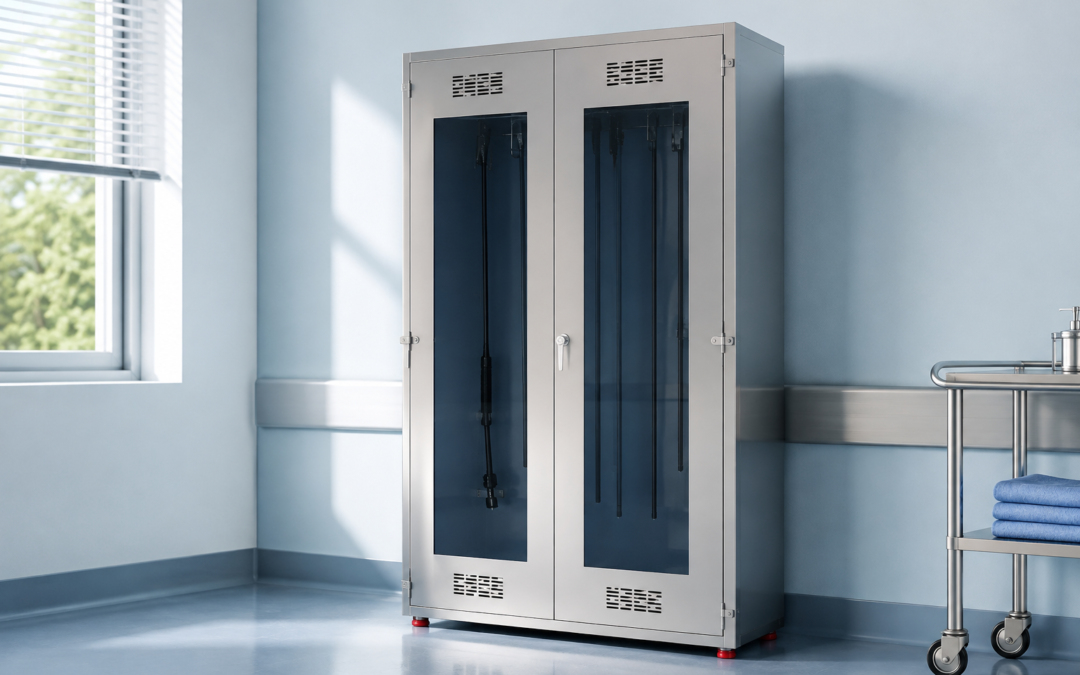
An Endoscope Drying Cabinet is a medical-grade storage system that safely dries and stores flexible endoscopes after cleaning and high-level disinfection. It continuously circulates clean, filtered air through internal channels and storage compartments to remove residual moisture.

Many modern systems combine HEPA filtration, controlled airflow, and optional UV disinfection to create a clean storage environment. Depending on the application, these units may also be referred to as an Endoscope Storage Cabinet, Endoscope Drying & Storage Cabinet, Medical Drying Cabinet, Hospital Drying Cabinet, or Endoscope Dry Cabinet.

Why is it Important?

Residual moisture inside an endoscope can encourage bacterial growth if the instrument is not dried properly. A dedicated Endoscope Storage System helps healthcare facilities maintain high hygiene standards while reducing the possibility of cross-contamination.

Proper drying and storage are important because they:

  • Minimize the risk of microbial contamination.
  • Support infection prevention protocols.
  • Protect delicate internal channels.
  • Extend the service life of expensive endoscopes.
  • Improve compliance with healthcare quality standards.
  • Keep instruments ready for the next procedure.

For hospitals performing multiple endoscopic procedures every day, an Endoscope Hanging Cabinet provides both organized storage and consistent drying performance.

Key Features

  • HEPA Filter Air Circulation – A HEPA Filter Endoscope Cabinet delivers filtered air that helps keep stored endoscopes free from airborne contaminants.
  • Continuous Drying System – Removes internal moisture after the reprocessing cycle.
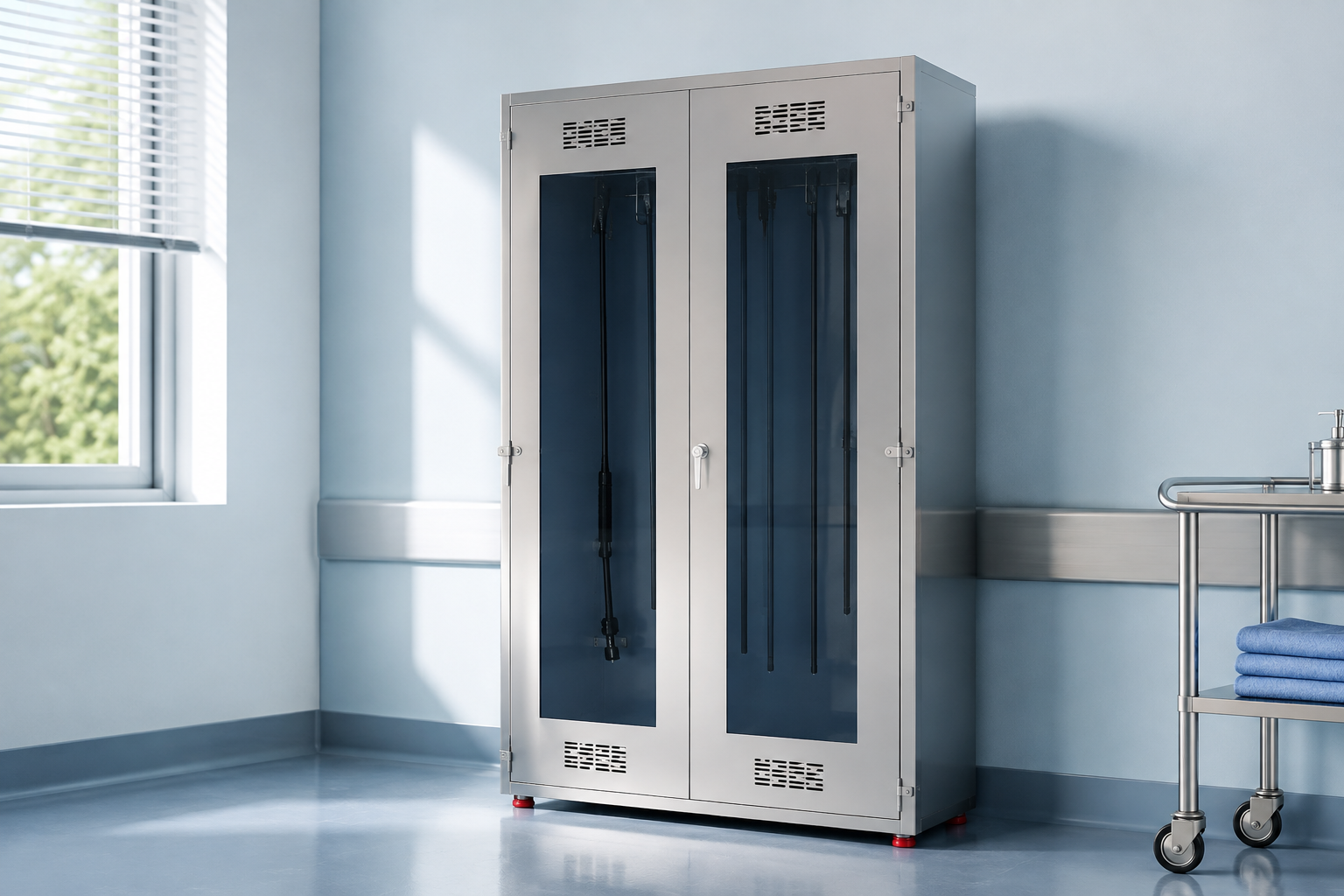
  • Vertical Hanging Design – An Endoscope Hanging Cabinet stores scopes without bending, reducing mechanical stress.
  • Optional UV Technology – A UV Endoscope Storage Cabinet provides an additional layer of surface protection.
  • Stainless Steel Construction – Offers durability, corrosion resistance, and easy cleaning.
  • Transparent Viewing Door – Allows quick inspection without opening the cabinet.
  • Multiple Scope Capacity – Available in different sizes for hospitals and endoscopy units.
  • Secure Locking System – Prevents unauthorized access to valuable medical equipment.

Benefits

  • Helps maintain endoscope cleanliness between procedures.
  • Reduces moisture that may contribute to contamination.
  • Extends the operational life of expensive medical equipment.
  • Improves workflow by keeping scopes organized and ready to use.
  • Supports healthcare facilities in maintaining infection control standards.
  • Reduces maintenance costs caused by improper storage.
  • Enhances staff efficiency with dedicated storage space.
  • Provides a professional and hygienic storage solution.

Applications

An Endoscope Drying & Storage Cabinet is widely used across healthcare and medical industries, including:

  • Hospitals
  • Endoscopy Departments
  • Gastroenterology Clinics
  • Urology Centers
  • Pulmonology Units
  • ENT Clinics
  • Ambulatory Surgical Centers
  • Medical Device Reprocessing Departments
  • Central Sterile Supply Departments (CSSD)
  • Specialty Healthcare Facilities

How to Choose the Right Endoscope Drying Cabinet

When selecting an Endoscope Drying Cabinet, consider the following factors:

  1. Choose the storage capacity based on your daily procedure volume.
  2. Look for HEPA-filtered airflow for improved air quality.
  3. Select stainless steel construction for durability and hygiene.
  4. Ensure the cabinet supports vertical hanging to protect delicate scopes.
  5. Check whether UV disinfection is available if required by your facility.
  6. Verify that the cabinet complies with applicable healthcare standards and your infection control protocols.

Common Mistakes to Avoid

  • Choosing a cabinet with insufficient storage capacity.
  • Ignoring airflow and filtration quality.
  • Purchasing units made from materials that are difficult to sanitize.
  • Overlooking future expansion requirements.
  • Storing endoscopes before they are completely dried.
  • Selecting products without considering maintenance and service support.

Conclusion

An Endoscope Drying Cabinet is an essential investment for healthcare facilities that prioritize patient safety, infection prevention, and equipment longevity. By combining controlled drying, organized storage, and advanced filtration, these cabinets help maintain high standards of endoscope reprocessing while improving operational efficiency.

If you are planning a new endoscopy department or upgrading your existing storage system, consult an experienced manufacturer to find a solution that matches your workflow, capacity requirements, and compliance needs.

Frequently Asked Questions

What is an Endoscope Drying Cabinet?

An Endoscope Drying Cabinet is a specialized medical storage unit that dries and stores flexible endoscopes after cleaning and disinfection. It uses filtered airflow to remove residual moisture, helping reduce contamination risks while protecting sensitive medical instruments.

What are the benefits of using an Endoscope Drying Cabinet?

The main benefits include improved infection control, reduced moisture, longer equipment life, organized storage, better workflow efficiency, and support for healthcare compliance requirements. Proper drying also helps maintain endoscope performance between procedures.

Where are Endoscope Drying Cabinets commonly used?

They are widely used in hospitals, endoscopy centers, gastroenterology clinics, surgical facilities, ENT departments, pulmonology units, urology clinics, and CSSD departments where flexible endoscopes require safe storage after reprocessing.

How do I choose the right Endoscope Drying Cabinet?

Consider storage capacity, airflow technology, HEPA filtration, cabinet material, vertical hanging support, optional UV technology, ease of cleaning, and compliance with healthcare standards. Selecting the right size for your daily workload is equally important.

Can an Endoscope Drying Cabinet be customized?

Yes. Many manufacturers offer customized sizes, storage capacities, door configurations, hanging systems, airflow options, and additional features to meet the operational requirements of hospitals and healthcare facilities.

What material is best for an Endoscope Drying Cabinet?

Medical-grade stainless steel is the preferred material because it is corrosion-resistant, durable, easy to sanitize, and suitable for demanding healthcare environments where hygiene and long-term performance are essential.

Buy Stainless Steel Medical Storage Cabinet | Complete Buying Guide

Buy Stainless Steel Medical Storage Cabinet | Complete Buying Guide

Buy Stainless Steel Medical Storage Cabinet: Complete Guide for Hospitals & Healthcare Facilities

Buy Stainless Steel Medical Storage Cabinet

Introduction

Choosing the right Buy Stainless Steel Medical Storage Cabinet solution is essential for maintaining a clean, organized, and safe healthcare environment. Medical storage cabinets protect surgical instruments, medical supplies, pharmaceuticals, and sterile equipment while improving workflow efficiency. Whether you manage a hospital, clinic, diagnostic center, or pharmaceutical facility, investing in a high-quality stainless steel cabinet ensures durability, hygiene, and long-term value. Working with an experienced Hospital Storage Cabinet Manufacturer also helps you get products that meet healthcare standards and operational needs.

What is Buy Stainless Steel Medical Storage Cabinet?

A Buy Stainless Steel Medical Storage Cabinet refers to purchasing a medical-grade storage cabinet manufactured from high-quality stainless steel for storing medical instruments, surgical supplies, medicines, PPE, and sterile equipment.

Unlike wooden or painted metal cabinets, stainless steel cabinets resist corrosion, moisture, chemicals, and bacterial growth. A reliable Stainless Steel Medical Cabinet Supplier offers cabinets in multiple sizes, configurations, and designs, including solid-door and Medical Glass Door Cabinet models for easy visibility of stored items.

Why is it Important?

Medical facilities require organized and hygienic storage to maintain patient safety and comply with healthcare regulations.

A quality Medical Storage Cabinet India solution helps:

  • Prevent contamination of sterile equipment.
  • Improve inventory management.
  • Protect expensive medical instruments.
  • Support infection prevention protocols.
  • Increase workplace efficiency.
  • Maintain a professional healthcare environment.

Hospitals, clinics, and laboratories rely on durable storage systems because poor storage can lead to equipment damage, misplaced supplies, and unnecessary delays during patient care.

Key Features

  • 304 Grade Stainless Steel Construction – Provides excellent corrosion resistance and long service life.
  • Smooth Hygienic Surface – Easy to clean and disinfect regularly.
  • Adjustable Shelves – Accommodates different medical supplies and equipment.
  • Glass Door Options – Medical Glass Door Cabinet designs allow quick identification of stored items.
  • Lockable Doors – Protect valuable instruments and sensitive medical supplies.
  • Heavy-Duty Structure – Supports frequent use in busy healthcare environments.
  • Custom Sizes Available – Designed to fit different hospital layouts and storage requirements.
  • Rust and Chemical Resistant – Performs well even in demanding healthcare conditions.

Benefits

  • Improves organization across healthcare departments.
  • Reduces the risk of contamination.
  • Extends the life of medical instruments.
  • Simplifies inventory monitoring.
  • Requires minimal maintenance.
  • Supports infection control standards.
  • Provides excellent return on long-term investment.
  • Creates a cleaner and more professional workspace.

Hospitals looking for a dependable Hospital Instrument Cabinet Manufacturer often choose stainless steel because of its strength, hygiene, and durability.

Applications

Stainless steel medical storage cabinets are widely used across multiple industries, including:

  • Hospitals
  • Multi-specialty Clinics
  • CSSD Departments
  • Operation Theatres
  • Diagnostic Laboratories
  • Pharmaceutical Manufacturing
  • Medical Colleges
  • Research Laboratories
  • Nursing Homes
  • Healthcare Institutions

A trusted CSSD Storage Cabinet Manufacturer designs cabinets specifically for sterile storage areas where cleanliness is critical.

How to Choose the Right Buy Stainless Steel Medical Storage Cabinet

Selecting the right cabinet involves more than comparing prices. Consider these practical factors:

  1. Choose Medical Grade Stainless Steel

Look for SS 304 or SS 316 stainless steel for superior hygiene and corrosion resistance.

  1. Evaluate Storage Requirements

Select cabinet dimensions based on the equipment, instruments, or supplies you need to store.

  1. Check Door Configuration

Choose between solid doors for privacy or a Medical Glass Door Cabinet for quick visibility.

  1. Verify Manufacturing Quality

Buy only from an experienced Stainless Steel Hospital Furniture Manufacturer that follows healthcare manufacturing standards.

  1. Consider Customization

Hospitals often benefit from customized shelving, locking systems, and cabinet sizes.

  1. Compare Overall Value

Instead of focusing only on SS Instrument Cabinet Price, evaluate material quality, warranty, durability, and after-sales support.

Common Mistakes to Avoid

Many buyers make purchasing decisions based only on price. Avoid these common mistakes:

  • Choosing low-grade stainless steel.
  • Ignoring cabinet dimensions.
  • Buying from inexperienced manufacturers.
  • Overlooking locking and security features.
  • Not checking customization options.
  • Selecting cabinets without considering future storage needs.
  • Ignoring cleaning and maintenance requirements.

A quality Stainless Steel Surgical Cabinet should provide years of reliable performance with minimal maintenance.

Conclusion

Investing in the right Buy Stainless Steel Medical Storage Cabinet solution improves hygiene, organization, and operational efficiency across healthcare facilities. High-quality stainless steel cabinets protect valuable medical equipment while supporting infection control and regulatory compliance.

Whether you need cabinets for hospitals, CSSD departments, laboratories, or pharmaceutical facilities, working with an experienced manufacturer ensures you receive durable, customizable, and healthcare-ready storage solutions. If you need guidance selecting the right cabinet for your facility, contact a trusted manufacturer to discuss your storage requirements and customization options.

Frequently Asked Questions

  1. What is a Buy Stainless Steel Medical Storage Cabinet?

A stainless steel medical storage cabinet is a healthcare-grade storage unit designed to safely organize and protect medical instruments, medicines, sterile supplies, and equipment. It offers excellent hygiene, durability, and corrosion resistance, making it suitable for hospitals, clinics, laboratories, and pharmaceutical facilities.

  1. What are the benefits of stainless steel medical storage cabinets?

These cabinets provide excellent durability, easy cleaning, corrosion resistance, secure storage, and improved organization. They also help maintain infection control standards and reduce maintenance costs over the long term, making them a preferred choice for healthcare environments.

  1. Where are stainless steel medical storage cabinets used?

They are commonly used in hospitals, operation theatres, CSSD departments, laboratories, pharmaceutical companies, diagnostic centers, nursing homes, research facilities, and healthcare institutions where safe and hygienic storage is essential.

  1. How do I choose the right medical storage cabinet?

Consider stainless steel grade, cabinet size, storage capacity, shelving configuration, locking system, customization options, and manufacturer reputation. Selecting the right cabinet ensures better durability, hygiene, and operational efficiency.

  1. Can medical storage cabinets be customized?

Yes. Most professional manufacturers offer customization options including adjustable shelves, glass or solid doors, locking mechanisms, dimensions, and specialized storage layouts to meet the specific needs of hospitals and healthcare facilities.

  1. Which material is best for medical storage cabinets?

Medical-grade SS 304 stainless steel is widely recommended because it offers excellent corrosion resistance, easy cleaning, durability, and compliance with healthcare hygiene standards. SS 316 is also preferred for highly corrosive environments.


Crash Cart Trolley | Emergency Hospital Trolley Guide

Crash Cart Trolley | Emergency Hospital Trolley Guide

Crash Cart Trolley: A Complete Guide for Safe and Fast Emergency Response

Stainless Steel Crash Cart Trolley for Hospital Emergency Medicine Storage

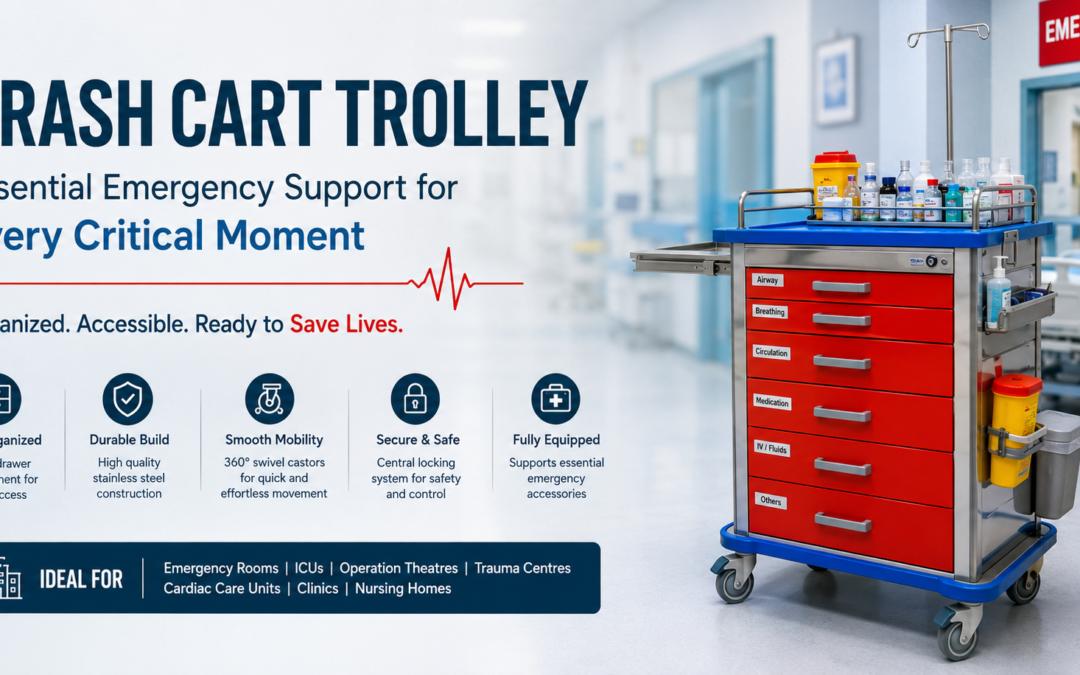
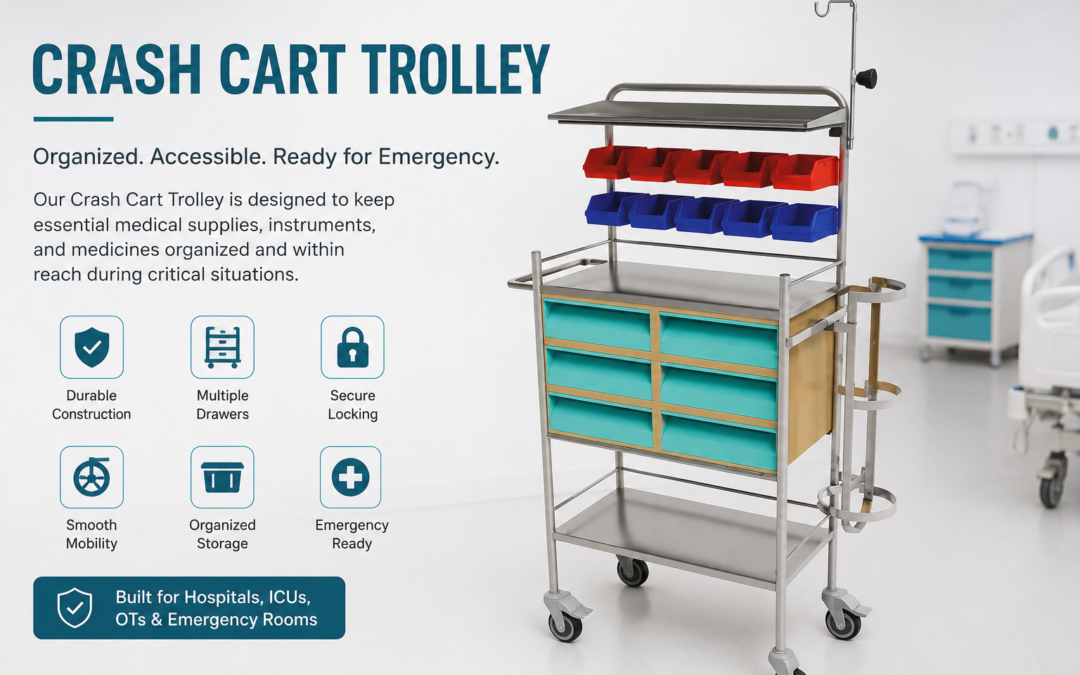
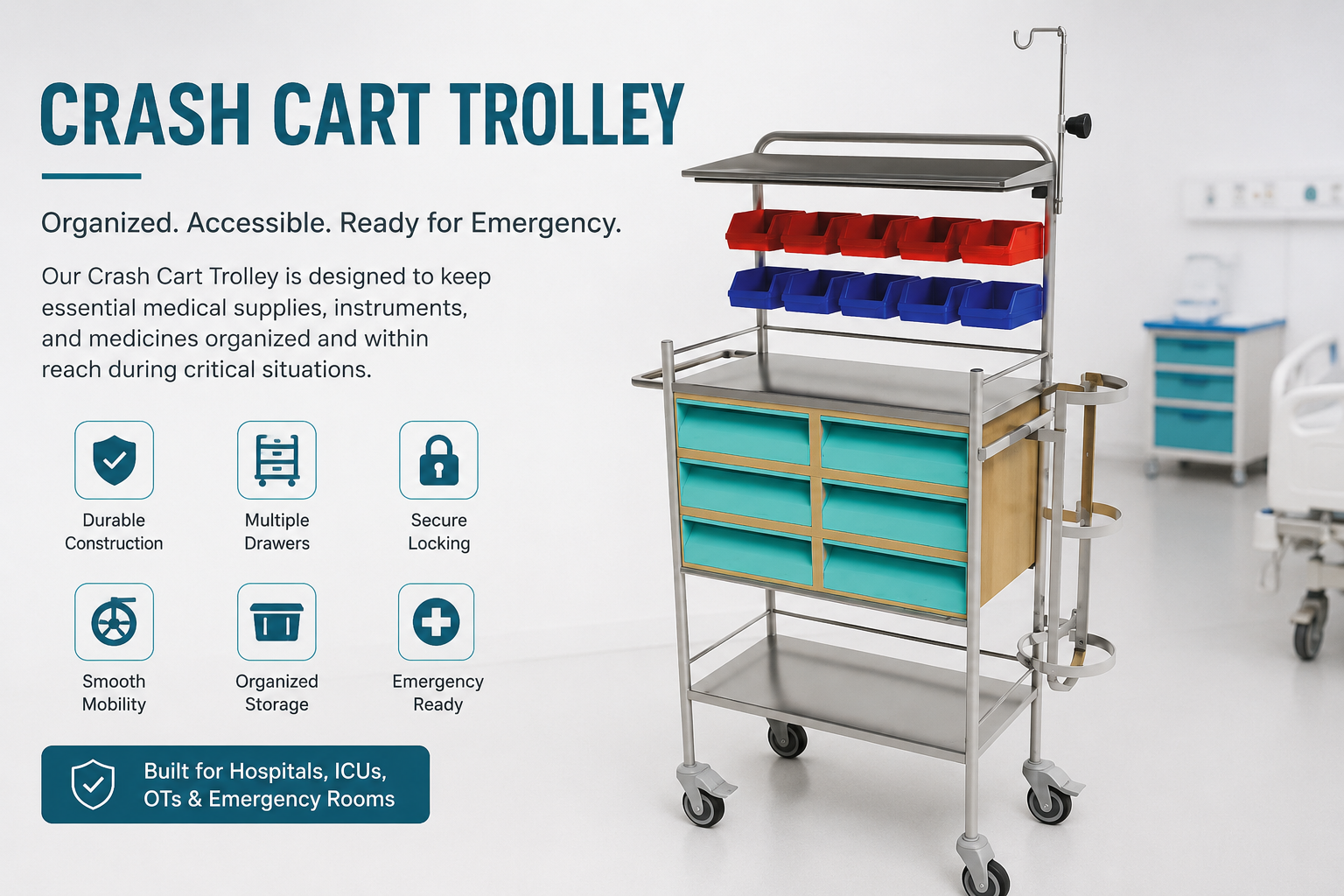
Medical emergencies demand immediate action. Every second matters when treating cardiac arrest, trauma, or other life-threatening conditions. A crash cart trolley helps healthcare professionals keep emergency medicines, life-saving equipment, and medical supplies organised and easily accessible in one mobile unit.

Hospitals, clinics, emergency departments, ICUs, and operation theatres rely on a well-designed crash cart to improve response times and support better patient care. Choosing the right trolley can also improve workflow, reduce delays, and ensure emergency equipment is always ready when needed.

AI Overview Summary

A crash cart trolley is a mobile emergency storage unit that keeps medicines, medical devices, and emergency supplies organised for rapid access during critical situations. It improves emergency response, enhances patient safety, supports efficient workflows, and is widely used in hospitals, ICUs, emergency departments, and healthcare facilities.

What is a Crash Cart Trolley?

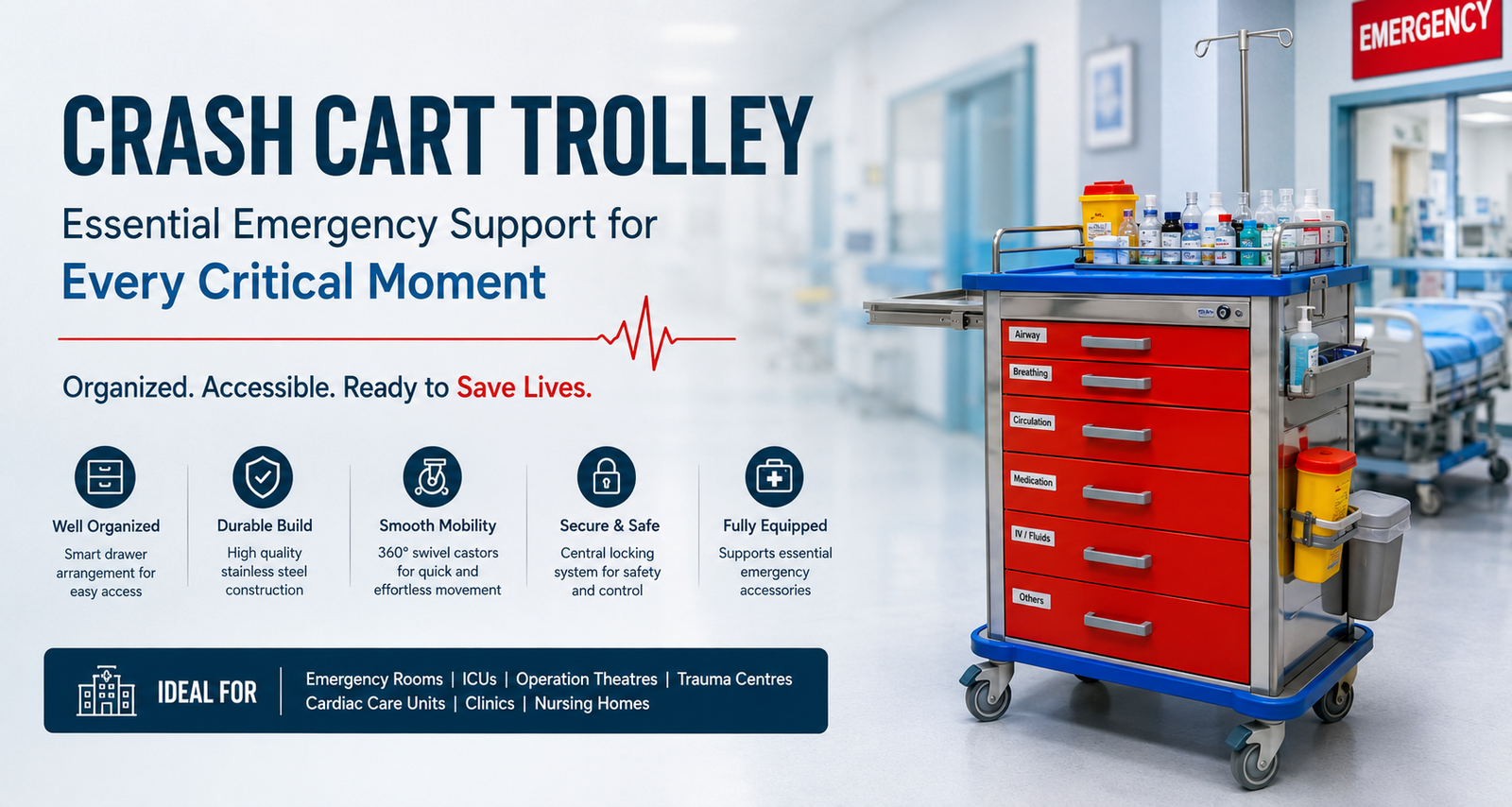
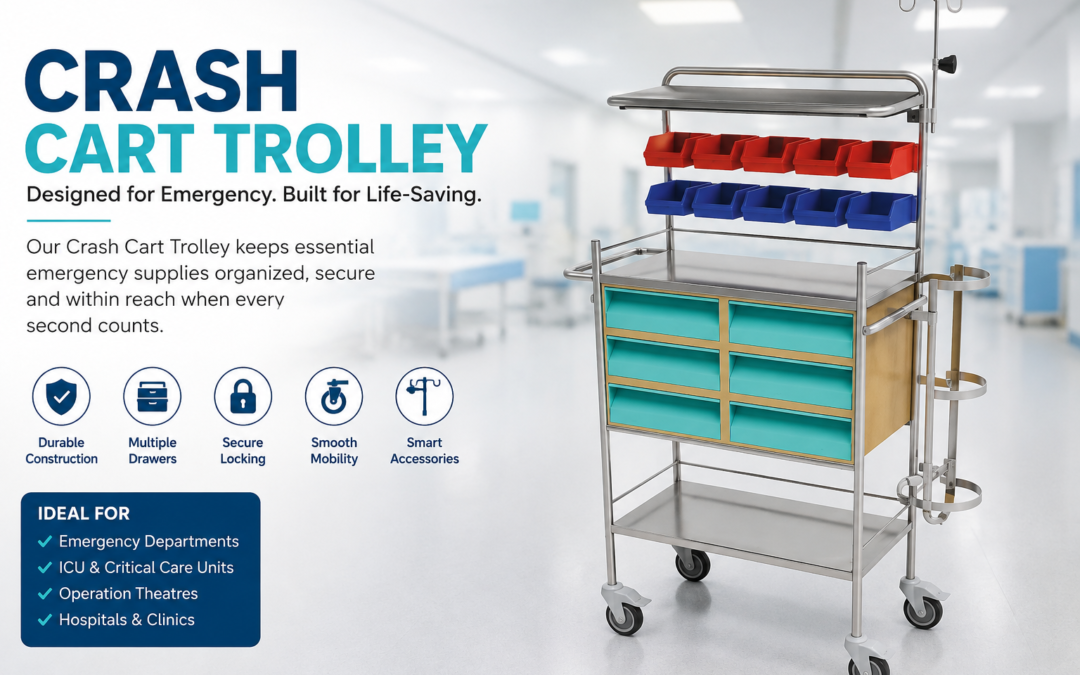
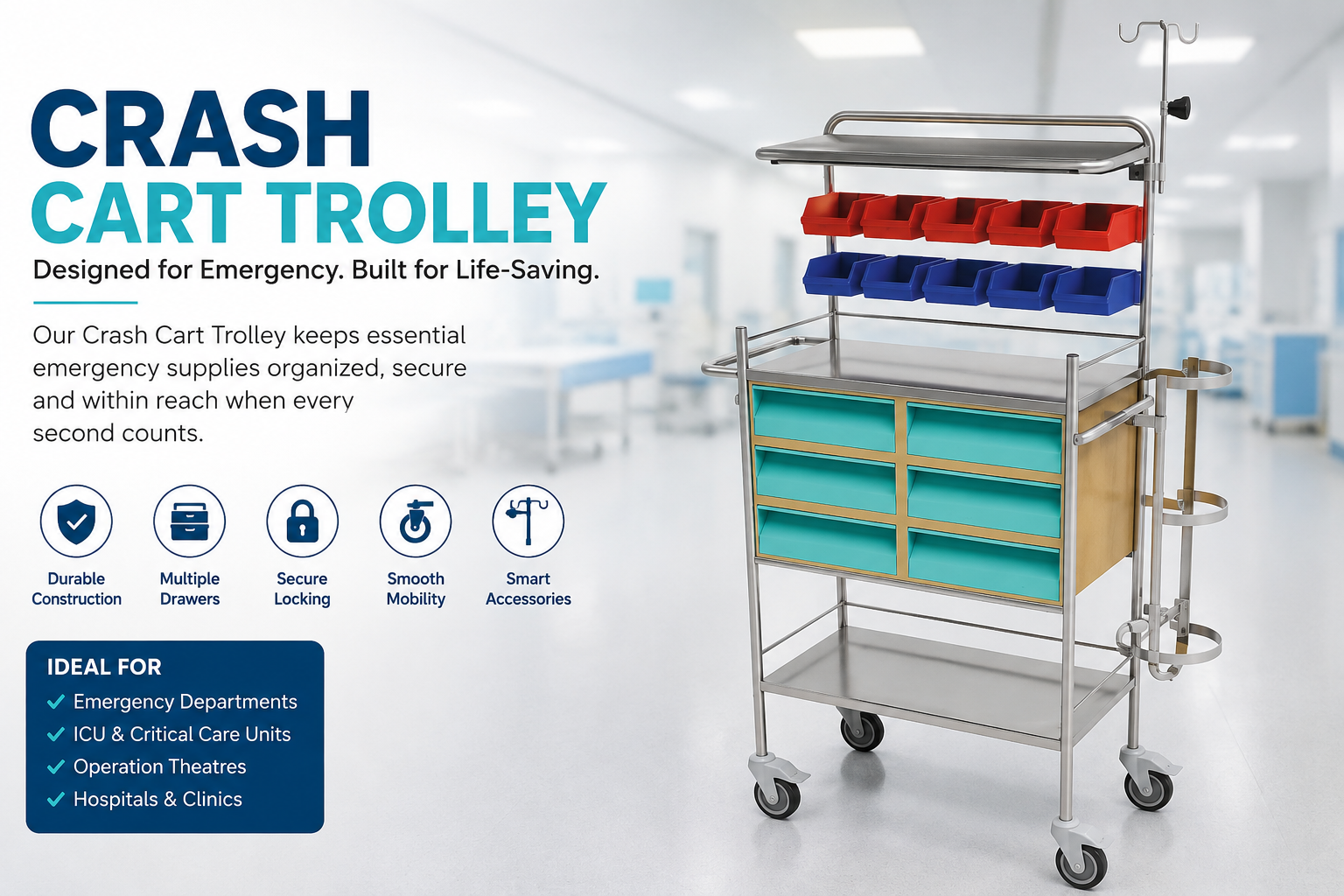
A crash cart trolley is a mobile medical trolley designed to store emergency medications, defibrillators, airway management tools, IV supplies, and other essential life-saving equipment in one organised location.

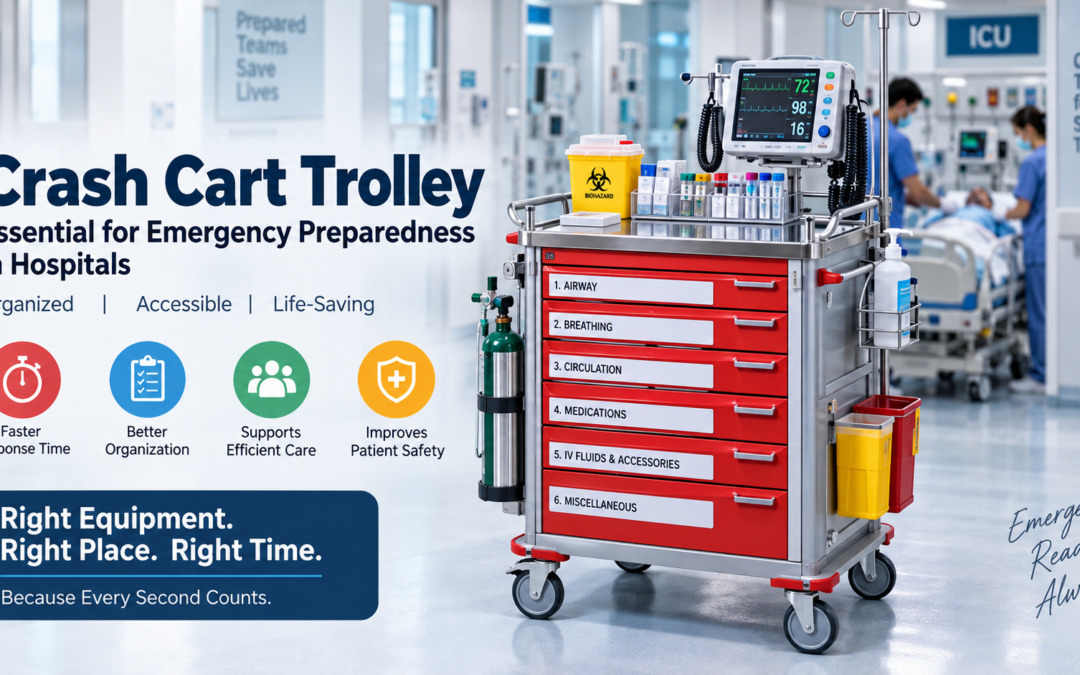
Also known as an emergency crash cart trolley or hospital crash cart trolley, it allows healthcare teams to reach emergency supplies quickly without wasting valuable time searching for equipment. Most crash carts feature multiple drawers, smooth-rolling castors, locking mechanisms, and dedicated compartments for emergency items.

The crash cart trolley medicine drawers are usually organised according to emergency protocols, ensuring fast identification and access during critical situations.

Why is it Important?

Medical emergencies often require immediate treatment. A properly equipped crash cart helps healthcare professionals respond faster and more efficiently.

Some practical reasons why it is important include:

  • Reduces the time required to locate emergency medicines.
  • Keeps essential equipment organised and ready for use.
  • Improves patient safety during critical situations.
  • Supports hospital emergency preparedness.
  • Helps healthcare staff follow standard emergency procedures.
  • Reduces confusion during high-pressure situations.

Whether responding to cardiac arrest or trauma cases, an organised crash cart helps medical teams focus on patient care instead of searching for supplies.

Key Features

  • Multiple Lockable Drawers – Securely store emergency medicines and medical supplies.
  • Smooth Mobility – High-quality castors allow quick movement throughout the hospital.
  • Durable Stainless-Steel Construction – Offers excellent corrosion resistance and long service life.
  • Drawer Dividers – Keep medications and accessories neatly organised.
  • Central Locking System – Protects controlled medicines and sensitive equipment.
  • Defibrillator Shelf – Provides convenient placement for emergency cardiac equipment.
  • IV Pole Holder – Supports intravenous therapy during emergencies.
  • Waste Bin and Utility Holders – Improve cleanliness and workflow efficiency.
  • Easy-to-Clean Surface – Supports infection control protocols.

Benefits

  • Faster emergency response during life-threatening situations.
  • Better organisation of emergency medicines and equipment.
  • Improved patient safety and treatment efficiency.
  • Reduced risk of missing critical supplies.
  • Easier inventory management and restocking.
  • Supports infection prevention with hygienic surfaces.
  • Durable construction reduces long-term replacement costs.
  • Suitable for continuous daily hospital use.

Applications

A hospital crash cart trolley is commonly used in:

  • Emergency Departments (ER)
  • Intensive Care Units (ICU)
  • Cardiac Care Units (CCU)
  • Operation Theatres (OT)
  • Recovery Rooms
  • General Hospital Wards
  • Ambulatory Surgical Centres
  • Nursing Homes
  • Specialty Clinics
  • Pharmaceutical and Medical Research Facilities
  • Healthcare Training Institutions

Any healthcare environment that manages medical emergencies can benefit from a properly equipped crash cart.

How to Choose the Right Crash Cart Trolley

Selecting the right crash cart requires more than comparing prices. Consider these practical factors:

1. Choose Durable Material

Stainless steel provides excellent durability, corrosion resistance, and easy cleaning for demanding hospital environments.

2. Evaluate Storage Capacity

Ensure there are enough drawers and compartments for emergency medicines, airway devices, IV supplies, and accessories.

3. Check Mobility

Look for heavy-duty castors with smooth movement and reliable brakes for safe transportation.

4. Verify Locking System

A central locking mechanism protects emergency medications while allowing quick access when needed.

5. Consider Customisation

Different hospital departments require different drawer layouts and accessory configurations.

6. Ensure Easy Maintenance

Select a design that is simple to clean, disinfect, and maintain according to infection control guidelines.

Common Mistakes to Avoid

Many buyers overlook important factors when purchasing a crash cart.

Avoid these common mistakes:

  • Buying based only on price.
  • Choosing insufficient storage space.
  • Ignoring wheel quality and braking performance.
  • Selecting materials that are difficult to clean.
  • Forgetting future expansion or customisation needs.
  • Not considering hospital workflow and department-specific requirements.
  • Skipping maintenance and service support.

Carefully evaluating these factors helps maximise the value of your investment.

Conclusion

A crash cart trolley plays a vital role in emergency patient care by keeping life-saving medicines and equipment organised, secure, and immediately accessible. From improving emergency response times to supporting infection control and efficient workflows, it remains an essential part of modern healthcare facilities.

Hospitals, pharmaceutical companies, and healthcare organisations should choose a high-quality, durable crash cart that matches their operational requirements. If you need expert guidance or customised solutions, consulting an experienced hospital furniture and CSSD equipment manufacturer can help you select the most suitable option for your facility.

Frequently Asked Questions (FAQs)

1. What is a crash cart trolley?

A crash cart trolley is a mobile emergency storage unit designed to hold medicines, medical devices, airway equipment, IV supplies, and other life-saving tools required during medical emergencies. It allows healthcare professionals to access critical equipment quickly and efficiently when every second matters.

2. What are the benefits of a hospital crash cart trolley?

A hospital crash cart trolley improves emergency response times, keeps medical supplies organised, enhances patient safety, supports infection control, reduces treatment delays, and helps hospitals maintain emergency preparedness through efficient storage and easy mobility.

3. Where is an emergency crash cart trolley used?

Emergency crash cart trolleys are widely used in hospitals, emergency departments, ICUs, CCUs, operation theatres, recovery rooms, ambulatory surgical centres, nursing homes, specialty clinics, and healthcare training institutions where rapid emergency response is essential.

4. How do I choose the right crash cart trolley?

Consider the material quality, storage capacity, locking system, wheel performance, accessory options, ease of cleaning, and customisation features. Selecting a trolley that matches your department’s emergency workflow ensures better efficiency and long-term reliability.

5. Can a crash cart trolley be customised?

Yes. Many manufacturers offer custom drawer layouts, additional accessories, defibrillator shelves, oxygen cylinder holders, IV poles, utility bins, and department-specific configurations to meet the needs of different healthcare environments.

6. What material is best for a crash cart trolley?

Stainless steel is considered one of the best materials because it offers excellent durability, corrosion resistance, easy cleaning, and long service life. It also supports infection control practices, making it ideal for hospitals and healthcare facilities.

Mayo Trolley Manufacturers: Complete Guide to Choosing the Right Hospital Equipment

Mayo Trolley Manufacturers: Complete Guide to Choosing the Right Hospital Equipment

Mayo Trolley Manufacturers: Complete Guide to Choosing the Right Hospital Equipment

Hospital Mayo Instrument Trolley | Stainless Steel Mayo Trolley

Introduction

Every hospital depends on reliable medical equipment to deliver safe and efficient patient care. Among the most essential pieces of furniture in operating rooms, wards, and treatment areas is the Mayo Trolley. Designed to keep surgical tools and medical supplies within easy reach, it helps healthcare professionals work faster, cleaner, and more efficiently.

When searching for Mayo Trolley Manufacturers, buyers often face questions about material quality, durability, hygiene standards, mobility, and customization. Selecting the wrong trolley can lead to maintenance issues, reduced efficiency, and higher replacement costs.

This guide explains everything you need to know—from different types of mayo trolleys to buying tips—helping hospitals make an informed investment.

Why Choosing the Right Mayo Trolley Matters

A mayo trolley isn’t just another hospital accessory. It directly impacts workflow during surgeries, dressing procedures, emergency care, and patient treatment.

Choosing a premium-quality trolley ensures:

  • Better infection control
  • Improved mobility
  • Longer service life
  • Easier cleaning
  • Enhanced staff productivity

Healthcare facilities that invest in quality stainless steel equipment typically experience lower maintenance costs over time.

Common Challenges Hospitals Face

Many healthcare facilities encounter these issues while purchasing hospital furniture:

  • Rusting metal frames after repeated cleaning
  • Poor wheel quality causing difficult movement
  • Unstable tray during surgical procedures
  • Low weight-bearing capacity
  • Difficult height adjustment
  • Poor welding finish
  • Lack of compliance with hospital hygiene standards

These problems highlight why choosing experienced Mayo Trolley Manufacturers is important.

Understanding Hospital Mayo Instrument Trolley

A Hospital Mayo Instrument Trolley is specifically designed to support surgeons, nurses, and medical staff by holding instruments, dressing materials, and surgical tools during procedures.

It allows medical professionals to:

  • Keep instruments organized
  • Reduce unnecessary movement
  • Improve treatment efficiency
  • Maintain sterile conditions
  • Speed up medical procedures

Most modern hospitals prefer stainless steel models because they resist corrosion and support strict hygiene requirements.

Types of Mayo Trolleys

1. Hospital Ward Mayo Trolley

Ideal for:

  • General wards
  • Dressing rooms
  • Emergency departments
  • Patient examination rooms

These models are lightweight and easy to move between beds.

2. Mayo Trolley Double Bar

The Mayo Trolley Double Bar design provides additional stability while carrying heavier surgical instruments.

Best suited for:

  • Operation theatres
  • Intensive Care Units (ICU)
  • Surgical departments
  • Trauma centers

Its reinforced structure offers better balance and durability.

3. Stainless Steel Mayo Instrument Trolley

The stainless steel mayo instrument trolley is one of the most preferred choices in hospitals because it offers:

  • Rust resistance
  • Long service life
  • Easy sterilization
  • Smooth finish
  • Low maintenance

Medical-grade stainless steel also supports infection prevention protocols.

Key Features to Look For

Before selecting a trolley, evaluate these important features.

Premium Stainless Steel Construction

Medical-grade stainless steel provides excellent durability and corrosion resistance.

Adjustable Height

Height adjustment helps surgeons and nurses work comfortably during different procedures.

Smooth Castor Wheels

High-quality wheels ensure effortless movement without damaging hospital flooring.

Stable Instrument Tray

A sturdy tray minimizes accidental movement during surgeries.

Hygienic Surface Finish

Mirror or matte polished surfaces are easier to disinfect and maintain.

Strong Load Capacity

The trolley should safely support multiple surgical instruments without wobbling.

Features Comparison

Feature Standard Mayo Trolley Premium Stainless Steel Mayo Trolley
Rust Resistance Moderate Excellent
Durability Medium High
Cleaning Good Excellent
Mobility Standard Smooth Heavy-Duty Castors
Maintenance Moderate Low
Lifespan Average Long-Term

Benefits of Choosing Professional Mayo Trolley Manufacturers

Experienced manufacturers focus on both product quality and hospital requirements.

Some major benefits include:

  • Superior welding quality
  • Precision engineering
  • Medical-grade stainless steel
  • Better customization
  • Quality testing
  • Reliable after-sales support
  • Compliance with healthcare standards
  • Consistent product availability

Hospitals purchasing from trusted manufacturers usually receive equipment with longer operational life.

Step-by-Step Buying Guide

Step 1: Define Your Usage

Determine whether the trolley will be used in:

  • Operation theatres
  • Hospital wards
  • ICUs
  • Emergency rooms
  • Clinics

Different departments require different specifications.

Step 2: Choose the Right Material

Always prefer stainless steel over painted metal due to:

  • Better hygiene
  • Corrosion resistance
  • Easier maintenance

Step 3: Check Tray Design

Ensure the tray offers:

  • Rounded corners
  • Smooth edges
  • Stable support
  • Easy cleaning

Step 4: Evaluate Wheel Quality

Good castors improve movement while reducing staff effort.

Look for:

  • Noise-free wheels
  • Locking mechanism
  • Smooth rotation

Step 5: Verify Manufacturer Experience

Choose manufacturers with experience supplying:

  • Hospitals
  • Medical colleges
  • Clinics
  • Healthcare institutions

Experienced suppliers generally maintain better quality standards

Common Mistakes to Avoid

Many buyers focus only on price instead of overall value.

Avoid these mistakes:

  • Purchasing low-grade stainless steel
  • Ignoring wheel quality
  • Overlooking warranty
  • Selecting unstable tray designs
  • Buying without checking dimensions
  • Choosing unknown manufacturers solely based on price

A slightly higher initial investment often reduces long-term maintenance expenses

Expert Tips Before Purchasing

Healthcare procurement professionals recommend:

✔ Select medical-grade stainless steel.

✔ Inspect welding joints carefully.

✔ Test wheel movement before purchasing.

✔ Verify load-bearing capacity.

✔ Ask about replacement parts availability.

✔ Confirm cleaning and maintenance guidelines.

✔ Compare multiple manufacturers before making a decision.

These simple checks help ensure better performance and durability.

Conclusion

Choosing the right Mayo Trolley Manufacturers is about much more than comparing prices. Hospitals need equipment that supports hygiene, efficiency, durability, and patient safety.

Whether you’re looking for a Hospital Mayo Instrument Trolley, a Hospital Ward Mayo Trolley, a Mayo Trolley Double Bar, or a premium stainless steel mayo instrument trolley, focusing on build quality, mobility, and manufacturer expertise will help you make a smart long-term investment.

By understanding the available options and evaluating the essential features discussed in this guide, healthcare facilities can confidently choose equipment that improves workflow while meeting modern medical standards.

Frequently Asked Questions (FAQs)

1. What is a Mayo Trolley used for?

A Mayo Trolley is used to hold surgical instruments, dressing materials, and medical tools during procedures, allowing healthcare professionals easy access while maintaining a clean workspace.

2. Why is stainless steel preferred for Mayo Trolleys?

Stainless steel is corrosion-resistant, easy to disinfect, durable, and meets strict hospital hygiene standards, making it ideal for healthcare environments.

3. What is the difference between a Hospital Ward Mayo Trolley and a Mayo Trolley Double Bar?

A Hospital Ward Mayo Trolley is generally designed for everyday patient care, while a Mayo Trolley Double Bar offers extra structural support for heavier surgical instruments used in operating rooms.

4. How do I choose reliable Mayo Trolley Manufacturers?

Look for manufacturers that use medical-grade stainless steel, provide quality certifications, offer customization options, and have experience supplying hospitals and healthcare facilities.

5. What features should a Hospital Mayo Instrument Trolley have?

Important features include adjustable height, smooth castor wheels, a stable tray, rust-resistant stainless steel construction, and easy-to-clean surfaces.

6. How long does a stainless steel mayo instrument trolley typically last?

With proper maintenance and regular cleaning, a high-quality stainless steel mayo instrument trolley can provide reliable service for many years in busy healthcare settings.

7. Are Mayo Trolleys suitable for clinics as well as hospitals?

Yes. Mayo Trolleys are widely used in hospitals, specialty clinics, dental practices, diagnostic centers, and outpatient facilities where medical instruments need to be organized and easily accessible.


.

Crash Cart Trolley: The Complete Guide for Hospitals & Emergency Care

Crash Cart Trolley: The Complete Guide for Hospitals & Emergency Care

Crash Cart Trolley: The Complete Guide for Hospitals & Emergency Care

When every second counts, having immediate access to life-saving equipment can make all the difference. A crash cart trolley is one of the most essential pieces of equipment in hospitals, emergency departments, ICUs, operating theatres, and clinics. It is designed to keep emergency medicines, airway devices, and critical medical supplies organized and easily accessible during medical emergencies.

An emergency crash cart trolley helps healthcare professionals respond quickly during cardiac arrest, respiratory emergencies, trauma cases, and other life-threatening situations. This guide explains everything you need to know about hospital crash cart trolleys, including their features, types, benefits, buying guide, and maintenance tips.

Why is a Crash Cart Trolley Important?

Medical emergencies require immediate action. Searching for medicines or equipment during an emergency wastes valuable time and can affect patient outcomes. A properly organized hospital crash cart trolley ensures that all emergency supplies are available in one place, allowing doctors and nurses to provide faster treatment.

  • Improves emergency response time
  • Organizes critical medicines and equipment
  • Enhances patient safety
  • Supports efficient workflow
  • Reduces treatment delays

What is a Crash Cart Trolley?

crash cart trolley, also known as a resuscitation trolley or code blue cart, is a mobile medical cart specially designed to store emergency medications, airway devices, monitoring tools, and other life-saving supplies.

These trolleys are commonly found in:

  • Emergency Departments (ED)
  • Intensive Care Units (ICU)
  • Operation Theatres (OT)
  • Cardiac Care Units (CCU)
  • Recovery Rooms
  • Dialysis Centers
  • Clinics
  • Ambulances

Types of Crash Cart Trolleys

1. Standard Hospital Crash Cart Trolley

This is the most commonly used trolley for general emergency care. It includes multiple drawers for medicines, disposable supplies, and emergency equipment.

2. Cardiac Crash Cart Emergency Trolley

Designed specifically for cardiac emergencies, these carts include storage for defibrillators, ECG accessories, emergency cardiac drugs, and airway devices.

3. Pediatric Crash Cart

Pediatric models feature color-coded drawers and child-specific emergency equipment for quick identification during treatment.

4. Anesthesia Crash Cart

These carts store anesthesia medicines, intubation equipment, oxygen accessories, and airway management tools for surgical departments.

5. Specialty Emergency Crash Cart Trolley

Customized for departments such as trauma centers, neonatal ICUs, maternity wards, or specialty hospitals.

Essential Crash Cart Trolley Equipment

A well-equipped crash cart trolley equipment setup should contain all the essential tools required for emergency patient care.

Airway Equipment

  • Laryngoscope
  • Endotracheal Tubes
  • Ambu Bag
  • Oxygen Masks
  • Suction Catheter
  • Airway Devices

Crash Cart Trolley Medicine

Every crash cart trolley medicine drawer should contain commonly used emergency medications, including:

  • Epinephrine
  • Atropine
  • Amiodarone
  • Adenosine
  • Lidocaine
  • Sodium Bicarbonate
  • Magnesium Sulfate
  • Dextrose
  • Normal Saline

IV Supplies

  • IV Cannulas
  • Syringes
  • Needles
  • IV Tubing
  • Infusion Sets

Monitoring Equipment

  • Defibrillator
  • ECG Electrodes
  • Pulse Oximeter
  • Blood Pressure Monitor
  • Thermometer

Additional Accessories

  • Gloves
  • Face Masks
  • Sterile Dressings
  • Medical Tape
  • Scissors
  • Waste Bin
  • Tourniquet

Key Features of a Modern Crash Cart Trolley

  • Medical-grade stainless steel construction
  • Powder-coated corrosion-resistant frame
  • Smooth medical caster wheels with brakes
  • Central locking system
  • Multiple storage drawers
  • Defibrillator shelf
  • Oxygen cylinder holder
  • Adjustable IV pole
  • Utility tray
  • Labelled compartments
  • Easy-to-clean surface
  • Anti-tilt drawer system

Benefits of Using a Hospital Crash Cart Trolley

  • Faster access to emergency equipment
  • Improved patient safety
  • Better medicine organization
  • Easy transportation between departments
  • Supports emergency response protocols
  • Reduces treatment delays
  • Improves workflow efficiency
  • Easy inventory management
  • Enhanced infection control

Crash Cart Trolley Comparison

Feature Basic Medical Cart Advanced Crash Cart Trolley
Storage Capacity Medium High
Central Lock No Yes
Defibrillator Shelf Optional Included
Oxygen Cylinder Holder Optional Included
IV Pole Optional Included
Drawer Organization Basic Advanced

Step-by-Step Buying Guide for a Crash Cart Trolley

  1. Choose the right size based on your hospital department.
  2. Select corrosion-resistant stainless steel construction.
  3. Ensure smooth locking caster wheels for mobility.
  4. Look for multiple organized storage drawers.
  5. Check for a central locking mechanism.
  6. Confirm compatibility with emergency equipment.
  7. Choose models with oxygen cylinder holders and IV poles.
  8. Prefer easy-to-clean surfaces for infection control.

Common Mistakes to Avoid

  • Buying a trolley with insufficient storage space.
  • Ignoring wheel quality.
  • Choosing non-medical-grade materials.
  • Skipping regular maintenance.
  • Keeping expired medicines inside drawers.
  • Failing to label drawers properly.
  • Not checking emergency inventory daily.

Expert Tips

  • Inspect emergency medications every day.
  • Replace expired medicines immediately.
  • Conduct routine crash cart audits.
  • Train hospital staff regularly.
  • Keep the trolley fully stocked after every emergency.
  • Use standardized drawer layouts throughout the hospital.

Frequently Asked Questions (FAQs)

What is a crash cart trolley?

A crash cart trolley is a mobile emergency cart that stores medicines, airway equipment, and emergency medical supplies for rapid patient care.

What medicines are stored in a crash cart trolley?

Common medicines include Epinephrine, Atropine, Amiodarone, Adenosine, Lidocaine, Sodium Bicarbonate, Magnesium Sulfate, and IV fluids.

Where is a hospital crash cart trolley used?

It is widely used in ICUs, emergency rooms, operation theatres, recovery rooms, cardiac care units, and ambulances.

How often should a crash cart be checked?

Hospitals should inspect crash carts daily and perform routine inventory checks according to hospital protocols.

What material is best for a crash cart trolley?

Medical-grade stainless steel and powder-coated steel provide excellent durability, corrosion resistance, and easy cleaning.

Can crash cart trolleys be customized?

Yes. Manufacturers offer customization options including drawer layouts, locking systems, accessories, and storage configurations.

Conclusion

crash cart trolley plays a vital role in emergency patient care by keeping life-saving medicines and equipment organized, secure, and readily accessible. Investing in a high-quality hospital crash cart trolley helps improve emergency response, enhances patient safety, and supports efficient healthcare operations. Whether you’re upgrading a hospital, clinic, or emergency department, choosing the right crash cart ensures your medical team is always prepared when every second matters.

Pass Box Interlocking System: A Complete Guide for Cleanrooms and Controlled Environments

Pass Box Interlocking System: A Complete Guide for Cleanrooms and Controlled Environments

Pass Box Interlocking System: A Complete Guide for Cleanrooms and Controlled Environments

Pass Box Interlocking System


Introduction

Maintaining cleanliness and preventing cross-contamination are critical requirements in pharmaceutical facilities, hospitals, laboratories, and cleanrooms. Even a simple material transfer between two controlled areas can introduce contaminants if proper procedures are not followed.

This is where a pass box interlocking system becomes essential. It helps transfer materials safely between different zones while ensuring that both doors cannot be opened at the same time. This simple yet effective mechanism significantly reduces contamination risks and improves operational efficiency.

Whether you are evaluating a mechanical pass box or an electromagnetic pass box, understanding how these systems work can help you make the right decision for your facility.

Common Problems Without an Interlocking Pass Box

Many facilities face contamination-related challenges during material transfer processes. Common issues include:

  • Airborne particles entering controlled environments
  • Cross-contamination between clean and non-clean areas
  • Human errors during material movement
  • Failure to maintain cleanroom compliance standards
  • Reduced product quality and safety

Installing an interlocking pass box helps eliminate these risks by controlling door access during material transfer.

What Is a Pass Box Interlocking System?

A pass box interlocking system is a safety mechanism designed to prevent both doors of a pass box from opening simultaneously. This ensures that contaminants cannot directly pass from one area to another.

The system is commonly used in:

  • Pharmaceutical manufacturing plants
  • Hospitals and healthcare facilities
  • Research laboratories
  • Biotechnology facilities
  • Food processing units
  • Electronics manufacturing environments

Modern facilities often prefer advanced electromagnetic interlock pass box systems for improved control and operational safety.

Types of Pass Box Interlocking Systems

1. Mechanical Pass Box

A mechanical pass box uses a physical locking arrangement. When one door is open, the opposite door remains locked until the first door is completely closed.

Advantages:

  • Simple operation
  • No electrical power required
  • Cost-effective solution
  • Low maintenance requirements

An SS mechanical pass box is especially popular in pharmaceutical and healthcare facilities due to its durability and corrosion resistance.

2. Electromagnetic Pass Box

An electromagnetic pass box uses electrically controlled locking systems to manage door access. These systems provide enhanced safety and can integrate with cleanroom automation systems.

Advantages:

  • Higher operational reliability
  • Advanced safety controls
  • Visual status indicators
  • Suitable for critical cleanroom applications
  • Supports automation integration

Many facilities choose an electromagnetic interlock pass box when stricter contamination control measures are required.

Mechanical vs Electromagnetic Pass Box

Feature Mechanical Pass Box Electromagnetic Pass Box
Locking Method Mechanical Electronic
Power Requirement No Yes
Automation Capability Limited High
Maintenance Low Moderate
Safety Control Good Excellent
Best For General Applications Critical Cleanrooms

Key Features and Benefits

  • Prevents simultaneous door opening
  • Reduces contamination risks
  • Supports GMP compliance
  • Improves cleanroom efficiency
  • Enhances operator safety
  • Ensures controlled material transfer
  • Available in stainless steel construction
  • Long service life with minimal maintenance

An operating room pass box can also help hospitals maintain sterile conditions during equipment and supply transfers.

Step-by-Step Buying Guide

Step 1: Identify Application Requirements

Determine whether the pass box will be used in a pharmaceutical plant, hospital, laboratory, or cleanroom.

Step 2: Select Interlocking Type

Choose between a mechanical interlock pass box or an electromagnetic model based on your contamination control requirements.

Step 3: Check Material Quality

Look for high-grade stainless steel construction for durability and hygiene.

Step 4: Verify Compliance Standards

Ensure the equipment meets relevant GMP and cleanroom guidelines.

Step 5: Choose a Trusted Manufacturer

Working with reliable pass box manufacturers in India ensures product quality, after-sales support, and customization options.

Businesses looking for local support often prefer experienced pass box manufacturers in Mumbai for faster service and project coordination.

Common Mistakes to Avoid

  • Selecting the wrong interlocking mechanism
  • Ignoring cleanroom classification requirements
  • Choosing low-quality construction materials
  • Failing to verify compliance certifications
  • Purchasing based only on price
  • Overlooking future expansion needs

Expert Tips

  • Choose electromagnetic systems for critical contamination-sensitive areas.
  • Use stainless steel construction for long-term durability.
  • Perform regular maintenance checks on locking mechanisms.
  • Train staff on proper material transfer procedures.
  • Work with experienced manufacturers who understand cleanroom applications.

Frequently Asked Questions

What is a pass box interlocking system?

A pass box interlocking system prevents both doors from opening simultaneously, helping maintain contamination control between two areas.

What is the difference between a mechanical and electromagnetic pass box?

A mechanical pass box uses physical locks, while an electromagnetic pass box uses electronically controlled locking systems.

Why is an interlocking pass box important in cleanrooms?

It minimizes contamination risks and helps maintain controlled environmental conditions during material transfer.

Where are pass boxes commonly used?

Pass boxes are widely used in pharmaceutical facilities, hospitals, laboratories, biotechnology centers, and cleanrooms.

Is a stainless steel mechanical pass box suitable for hospitals?

Yes. An SS mechanical pass box offers durability, hygiene, and reliable contamination control for healthcare environments.

Can an electromagnetic pass box integrate with automation systems?

Yes. Many electromagnetic systems can connect with alarms, indicators, and facility automation controls.

Conclusion

A well-designed pass box interlocking system plays a vital role in contamination control, cleanroom safety, and operational efficiency. Whether you choose a mechanical pass box or an electromagnetic pass box, selecting the right solution depends on your facility’s requirements, compliance standards, and safety goals.

By understanding the different interlocking technologies, comparing features, and following proper buying guidelines, organizations can make informed decisions that support long-term performance and regulatory compliance.