Crash Cart Trolley: Complete Guide to Equipment, Arrangements, and Checklist

Crash Cart Trolley: Complete Guide to Equipment, Arrangements, and Checklist

Crash Cart Trolley: Complete Guide to Equipment, Arrangements, Checklist & Buying Tips

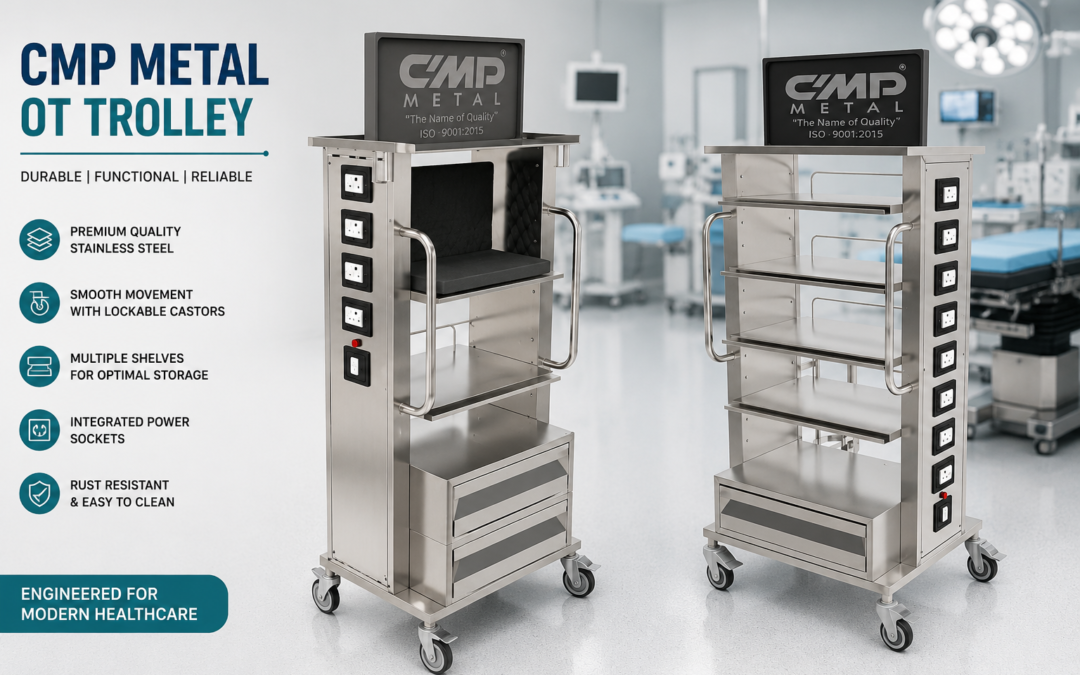
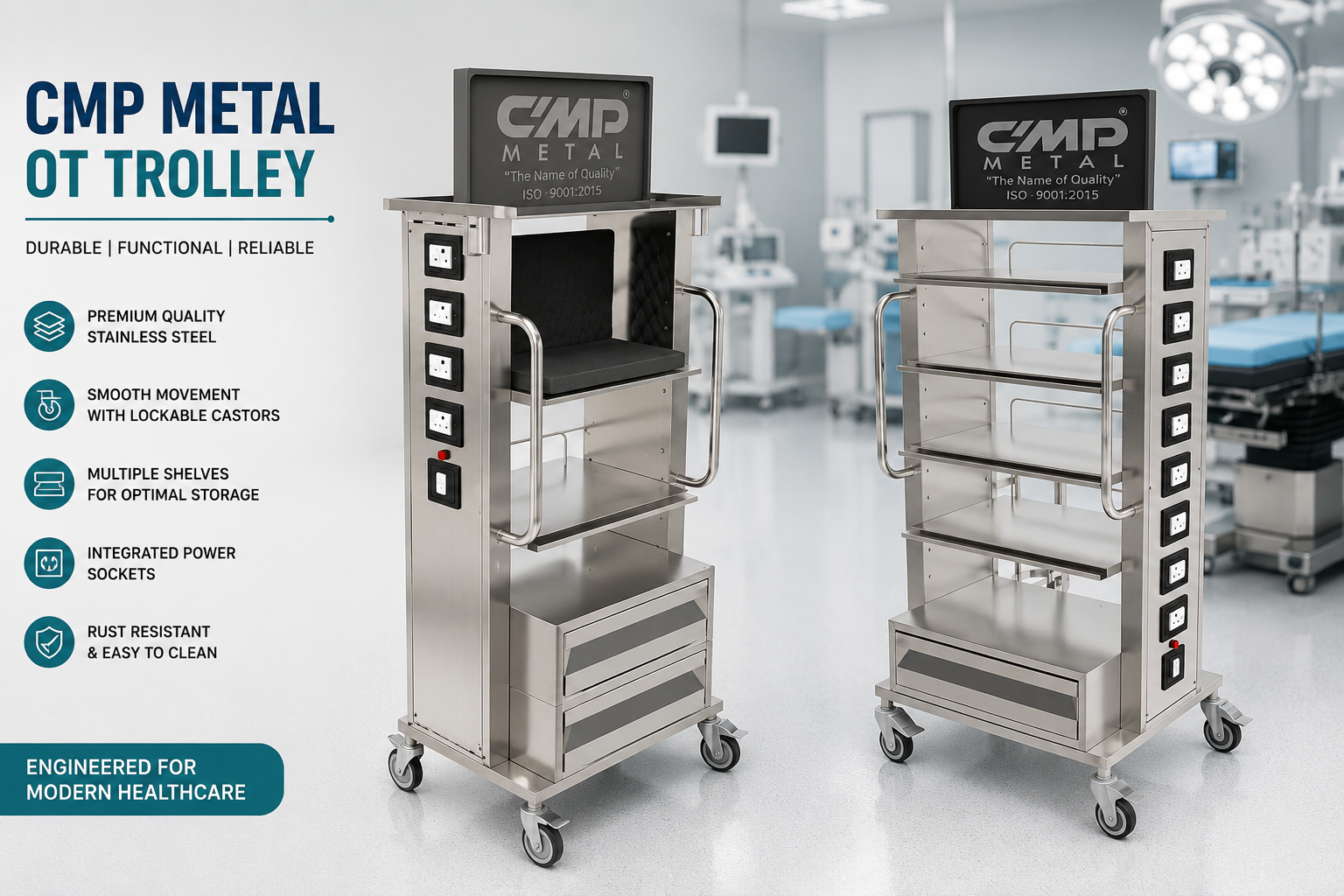
Crash Cart Trolley 

Introduction

In medical emergencies, every second matters. Whether it’s a cardiac arrest, respiratory failure, or a sudden patient collapse, healthcare professionals need immediate access to life-saving tools and medications. This is where a crash cart trolley becomes essential.

A crash cart trolley is a specially designed mobile unit that stores emergency medical equipment, medications, and supplies required for critical patient care. Hospitals, clinics, emergency rooms, ICUs, and surgical centers rely on these trolleys to ensure rapid response during emergencies.

Without proper organization and maintenance, valuable time can be lost during critical situations. Understanding the right crash cart setup can significantly improve patient outcomes and emergency preparedness.

Common Challenges in Emergency Response

Many healthcare facilities face challenges when managing emergency carts, including:

  • Missing emergency medications
  • Disorganized drawers and compartments
  • Expired supplies
  • Lack of routine inspections
  • Difficulty locating equipment during emergencies
  • Inconsistent crash cart trolley arrangements

These issues can delay treatment and increase risks during life-threatening situations. A properly maintained emergency crash cart trolley helps eliminate these problems and ensures readiness at all times.

What Is a Crash Cart Trolley?

A crash cart trolley is a mobile medical cart equipped with emergency supplies used during resuscitation and critical care situations.

It serves as a centralized station containing:

  • Emergency medications
  • Airway management tools
  • Defibrillation equipment
  • IV supplies
  • Monitoring devices
  • Personal protective equipment (PPE)

The goal is simple: provide immediate access to life-saving resources when every second counts.

Crash Cart Trolley Arrangements and Organization

Proper crash cart trolley arrangements ensure healthcare staff can quickly locate equipment during emergencies.

Drawer Level Contents
Top Surface Defibrillator, suction device, oxygen equipment
First Drawer Emergency medications
Second Drawer Airway management supplies
Third Drawer IV and vascular access equipment
Fourth Drawer Miscellaneous emergency supplies
Side Compartments Oxygen cylinder, CPR board, sharps container

Standardized layouts reduce confusion and improve response times during critical situations.

Crash Cart Trolley List

A complete crash cart trolley list generally includes the following items:

Airway Equipment

  • Bag-valve mask (BVM)
  • Endotracheal tubes
  • Laryngoscope handles and blades
  • Oral and nasal airways
  • Suction catheters
  • Oxygen masks

Breathing Equipment

  • Oxygen cylinder
  • Nebulizer kits
  • Ventilation accessories
  • Portable suction unit

Circulation Supplies

  • IV cannulas
  • IV fluids
  • Syringes
  • Blood pressure cuff
  • Tourniquets

Monitoring Equipment

  • Defibrillator
  • ECG monitor
  • Pulse oximeter
  • Cardiac monitoring leads

Essential Emergency Crash Cart Trolley Equipment

The effectiveness of an emergency crash cart trolley depends largely on the quality and availability of equipment.

  • Automated External Defibrillator (AED) or manual defibrillator
  • Cardiac monitor
  • Oxygen delivery system
  • Suction apparatus
  • Airway devices
  • Emergency lighting
  • IV infusion supplies
  • Emergency communication tools

Regular inspections ensure all equipment remains functional and ready for immediate use.

Crash Cart Trolley Medication Requirements

Emergency drugs are among the most important components stored in a crash cart.

Common crash cart trolley medication may include:

  • Epinephrine
  • Atropine
  • Amiodarone
  • Adenosine
  • Dopamine
  • Magnesium Sulfate
  • Nitroglycerin
  • Dextrose
  • Naloxone
  • Calcium Gluconate

Medications should be clearly labeled, regularly checked for expiration dates, and replenished immediately after use.

Types of Crash Cart Trolleys

1. Standard Hospital Crash Cart

Used in emergency departments, ICUs, and patient wards.

2. Pediatric Crash Cart

Contains child-specific medications and emergency equipment.

3. Cardiac Crash Cart

Designed specifically for cardiac emergencies and advanced life support procedures.

4. Anesthesia Crash Cart

Used in operating rooms and surgical centers.

5. Specialty Emergency Cart

Customized for trauma, neonatal, or specialty care units.

Features and Benefits of a Crash Cart Trolley

Key Features

  • Multiple lockable drawers
  • Smooth mobility with caster wheels
  • Ergonomic design
  • Durable stainless steel or polymer construction
  • Color-coded compartments
  • Medication storage trays
  • Oxygen cylinder holder

Benefits

  • Faster emergency response
  • Improved patient safety
  • Better organization of supplies
  • Enhanced compliance with healthcare standards
  • Efficient inventory management

Crash Cart Trolley Specifications

Specification Typical Range
Material Stainless Steel or ABS Plastic
Number of Drawers 4–7 Drawers
Wheel Size 4–5 Inches
Load Capacity 80–150 kg
Locking System Centralized Lock
Surface Type Easy-to-Clean Antimicrobial Finish
Accessories IV Pole, Oxygen Holder, CPR Board

Selecting the right specifications depends on the facility’s emergency response requirements and patient volume.

Crash Cart Trolley Comparison

Feature Basic Model Advanced Model
Drawers 4 6–7
Locking System Standard Electronic
Defibrillator Mount Optional Included
Medication Tray Basic Advanced Modular
Mobility Standard Wheels Heavy-Duty Casters
Inventory Tracking Manual Digital

Step-by-Step Buying Guide

  1. Assess Clinical Requirements – Determine whether the cart will be used in the ICU, emergency room, operating theater, or outpatient clinic.
  2. Review Equipment Needs – Identify the emergency devices and supplies your facility requires.
  3. Check Storage Capacity – Ensure sufficient drawer space for medications and equipment.
  4. Evaluate Mobility – Choose smooth-rolling wheels with locking mechanisms.
  5. Verify Safety Features – Look for centralized locks and secure medication compartments.
  6. Consider Future Expansion – Select a modular design that supports additional accessories.

Crash Cart Trolley Checklist

A daily crash cart trolley checklist helps maintain readiness and patient safety.

  • Defibrillator operational
  • Oxygen cylinder full
  • Suction equipment functioning
  • Emergency medications available
  • No expired drugs
  • Airway equipment stocked
  • IV supplies replenished
  • Cart locks working
  • CPR board present
  • Documentation completed

Common Mistakes to Avoid

  • Ignoring expiration dates
  • Overloading drawers
  • Inconsistent organization
  • Failing to train staff
  • Skipping routine inspections
  • Using non-standard layouts
  • Not documenting inventory checks

Expert Tips

  • Standardize cart layouts across departments.
  • Conduct monthly mock emergency drills.
  • Use color-coded drawer labels.
  • Implement digital inventory tracking systems.
  • Assign responsibility for daily inspections.
  • Follow ACLS guidelines for medication organization.

Conclusion

A crash cart trolley is one of the most critical emergency response tools in any healthcare facility. Proper crash cart trolley arrangements, organized equipment storage, routine medication checks, and a comprehensive crash cart trolley checklist help healthcare teams respond quickly and effectively during emergencies.

By choosing a high-quality crash cart trolley and maintaining a standardized setup, hospitals and clinics can improve patient safety, streamline emergency care, and ensure complete preparedness for critical situations.

Frequently Asked Questions (FAQs)

What is a crash cart trolley used for?

A crash cart trolley stores emergency medical equipment, medications, and supplies needed during life-threatening situations such as cardiac arrest and respiratory emergencies.

What equipment should be included in a crash cart trolley?

Essential equipment includes a defibrillator, oxygen supply, airway devices, suction apparatus, IV supplies, emergency medications, and monitoring equipment.

How often should a crash cart trolley be checked?

Most healthcare facilities perform daily inspections and monthly audits to ensure readiness and compliance.

What medications are commonly stored in a crash cart trolley?

Common medications include epinephrine, atropine, amiodarone, adenosine, naloxone, dextrose, and other emergency drugs based on hospital protocols.

Why are crash cart trolley arrangements important?

Standardized arrangements help healthcare professionals locate supplies quickly during emergencies, reducing treatment delays and improving patient outcomes.

What are the key crash cart trolley specifications to consider?

Important specifications include drawer capacity, material quality, locking systems, mobility, load capacity, and accessory compatibility.

What is included in a crash cart trolley checklist?

A checklist typically covers equipment functionality, medication availability, oxygen supply status, expiration date verification, inventory levels, and cart security checks.

Sluice Sink: Complete Guide for Healthcare and Utility Applications

Sluice Sink: Complete Guide for Healthcare and Utility Applications

Sluice Sink: Complete Guide for Healthcare and Utility Applications

Sluice Sink

Introduction

Maintaining hygiene and preventing contamination are among the biggest challenges in hospitals, nursing homes, healthcare centers, and medical facilities. Every day, healthcare staff handle liquid waste, contaminated materials, and cleaning processes that require specialized equipment designed for safe disposal.

This is where a Sluice Sink becomes an essential part of healthcare infrastructure. Designed specifically for dirty utility rooms and waste disposal areas, these sinks help maintain cleanliness while supporting infection control protocols.

Whether you are planning a new healthcare facility or upgrading an existing utility room, understanding the functionality of a sluice sink can help you make an informed decision. Modern hospital sluice sink systems are designed to improve efficiency, hygiene, and durability while complying with healthcare standards.

Facilities looking for high-quality dirty utility solutions often prefer a professionally designed Sluice Sink that offers reliable performance and long-term durability in demanding healthcare environments.

Common Problems Healthcare Facilities Face

Healthcare environments generate significant amounts of liquid and biological waste every day. Without proper disposal systems, facilities can experience several challenges:

  • Cross-contamination risks
  • Difficult waste management processes
  • Unpleasant odors in utility rooms
  • Frequent maintenance issues
  • Reduced staff efficiency
  • Non-compliance with hygiene regulations
  • Damage caused by harsh cleaning chemicals

Traditional sinks often fail to meet the demanding requirements of healthcare environments. As a result, many facilities invest in specialized medical sluice sink systems designed specifically for contaminated waste handling.

What is a Sluice Sink?

A Sluice Sink is a specialized utility sink primarily installed in hospitals, nursing homes, clinics, and healthcare facilities for the safe disposal of liquid waste and cleaning of medical containers.

Unlike conventional sinks, sluice sinks are engineered to handle contaminated fluids, bedpan cleaning processes, and waste disposal activities. They are commonly installed in dirty utility rooms, making them a critical component of infection prevention systems.

Many modern models combine a sink basin with a hopper design, often referred to as a sluice hopper sink, allowing staff to dispose of waste safely and efficiently.

Types of Sluice Sinks

1. Standard Hospital Sluice Sink

A standard hospital sluice sink is commonly used in healthcare facilities for disposing of contaminated liquids and washing utility equipment.

2. Sluice Sink with Slop Hopper

A sluice sink with slop hopper combines a sink and hopper unit in a single system. It allows easier disposal of waste liquids and improves workflow efficiency.

3. Stainless Steel Sluice Sink

A stainless steel sluice sink offers superior corrosion resistance, durability, and ease of cleaning. Stainless steel construction is preferred because it withstands harsh disinfectants and frequent cleaning cycles.

4. Wall-Mounted Sluice Sink

These models save floor space while maintaining easy access for healthcare staff.

5. Floor-Mounted Utility Sluice Sink

Designed for heavy-duty usage, floor-mounted systems provide excellent stability and accommodate larger waste volumes.

Key Features of a Quality Sluice Sink

  • Heavy-duty stainless steel construction
  • Corrosion-resistant finish
  • Easy-to-clean surfaces
  • Integrated waste disposal system
  • Splash protection design
  • High-capacity drainage system
  • Durable welded construction
  • Compliance with healthcare hygiene standards
  • Long operational lifespan

Benefits of Using a Sluice Sink

Improved Infection Control

Dedicated waste disposal equipment minimizes contamination risks and supports hospital hygiene protocols.

Enhanced Operational Efficiency

Healthcare staff can dispose of waste quickly without disrupting patient care activities.

Easy Maintenance

Smooth stainless steel surfaces make cleaning faster and more effective.

Long-Term Durability

Quality systems can withstand years of intensive daily use.

Regulatory Compliance

Healthcare facilities can better meet infection control and sanitation requirements.

Sluice Sink vs Traditional Utility Sink

Feature Sluice Sink Traditional Utility Sink
Healthcare Waste Disposal Yes Limited
Infection Control Support High Low
Heavy-Duty Usage Excellent Moderate
Medical Applications Designed For It Not Specialized
Cleaning Efficiency High Standard

How to Choose the Right Sluice Sink

  1. Evaluate waste disposal requirements.
  2. Measure available installation space.
  3. Choose stainless steel construction.
  4. Consider hopper integration needs.
  5. Check drainage capacity.
  6. Review maintenance requirements.
  7. Select trusted Sluice Sink Manufacturers with healthcare experience.

Common Mistakes to Avoid

  • Choosing undersized units
  • Ignoring drainage requirements
  • Selecting non-medical-grade materials
  • Overlooking maintenance accessibility
  • Purchasing solely based on price
  • Ignoring future expansion requirements

Expert Tips

  • Always prioritize stainless steel construction.
  • Choose seamless welded designs for easier cleaning.
  • Inspect drainage performance before purchase.
  • Ensure compatibility with existing plumbing systems.
  • Invest in equipment designed specifically for healthcare environments.

FAQ Section

What is a sluice sink used for?

A sluice sink is used for safe disposal of contaminated liquids, cleaning utility equipment, and maintaining hygiene in healthcare facilities.

Why are stainless steel sluice sinks preferred?

Stainless steel offers excellent durability, corrosion resistance, and easy cleaning, making it ideal for healthcare environments.

What is the difference between a sluice sink and a utility sink?

Sluice sinks are specifically designed for healthcare waste management, while utility sinks are general-purpose cleaning fixtures.

Where are sluice room sinks commonly installed?

Sluice room sinks are typically installed in hospitals, clinics, nursing homes, and healthcare facilities.

What is a sluice hopper sink?

A sluice hopper sink combines a sink basin with a hopper unit for efficient disposal of liquid and contaminated waste.

How long does a quality sluice sink last?

A high-quality stainless steel model can provide reliable performance for many years with proper maintenance.

Conclusion

A Sluice Sink plays a vital role in maintaining hygiene, improving infection control, and supporting efficient waste disposal in healthcare environments. From standard hospital installations to advanced sluice sink with slop hopper systems, choosing the right solution can significantly improve operational efficiency and cleanliness. By understanding the available options, key features, and buying considerations, healthcare facilities can invest in equipment that delivers long-term reliability and compliance with modern sanitation standards.


Portable Sink: The Complete Guide to Mobile Hygiene Solutions

Portable Sink: The Complete Guide to Mobile Hygiene Solutions

Portable Sink: The Complete Guide to Mobile Hygiene Solutions

Portable Sink - Portable Hand Wash Station

Access to proper handwashing facilities is no longer a luxury—it’s a necessity. Whether it’s a construction site, outdoor event, healthcare facility, educational institution, or temporary workspace, maintaining hygiene standards is critical. This is where a portable sink becomes an ideal solution.

Traditional plumbing systems are not always available in every location. Installing permanent sinks can be expensive, time-consuming, and impractical for temporary setups. A portable sink solves these challenges by providing a convenient and flexible handwashing station wherever it is needed.

As hygiene regulations become stricter and awareness about cleanliness continues to grow, portable handwashing solutions have become increasingly important across various industries.

Why Portable Sink Solutions Are Becoming Essential

Organizations across healthcare, pharmaceutical, food processing, construction, and public facilities face a common challenge—providing reliable handwashing facilities where permanent plumbing is unavailable.

Without proper sanitation infrastructure, businesses may struggle with:

  • Limited access to clean water
  • Compliance with hygiene regulations
  • High installation costs
  • Temporary worksite requirements
  • Maintaining workplace cleanliness

A well-designed portable hand wash station helps solve these issues while ensuring hygiene and convenience.

What Is a Portable Sink?

A portable sink is a self-contained handwashing unit that operates without requiring permanent plumbing connections. These units are designed to provide access to clean water and proper sanitation in locations where traditional sinks cannot be installed.

Most portable sinks include:

  • Fresh water storage tank
  • Wastewater collection tank
  • Sink basin
  • Faucet system
  • Soap dispenser
  • Paper towel holder
  • Mobility wheels for easy movement

A modern portable wash basin provides a complete handwashing solution while remaining easy to transport and maintain.

Types of Portable Sink Solutions

1. Basic Portable Hand Wash Station

Ideal for:

  • Schools
  • Offices
  • Community centers
  • Retail stores

These units are compact, affordable, and easy to maintain.

2. Mobile Hand Wash Sink

A mobile hand wash sink is designed for environments where flexibility and movement are essential.

Common applications include:

  • Construction sites
  • Outdoor events
  • Food service operations
  • Temporary facilities

3. Healthcare Portable Sink

Healthcare facilities require strict hygiene control. These models often feature touch-free operation and stainless-steel construction.

Suitable for:

  • Hospitals
  • Clinics
  • Laboratories
  • Medical camps

4. Industrial Portable Sink

Industrial-grade units are built for heavy-duty use in manufacturing facilities, pharmaceutical plants, and production environments.

Key Features of a High-Quality Portable Sink

Not all portable sinks offer the same level of performance. When evaluating options, look for the following features:

Large Water Capacity

Higher-capacity tanks reduce the need for frequent refilling and wastewater disposal.

Durable Construction

Stainless steel construction provides:

  • Corrosion resistance
  • Long service life
  • Easy cleaning
  • Professional appearance

Touch-Free Operation

Foot-operated or sensor-based systems reduce cross-contamination and improve hygiene.

Easy Mobility

A quality mobile hand wash sink should be easy to move and position whenever required.

Simple Maintenance

Accessible tanks and removable components make routine cleaning much easier.

Benefits of Using a Portable Sink

Improved Hygiene Standards

Proper handwashing reduces the spread of germs and contamination in workplaces and public environments.

Cost-Effective Installation

Since no permanent plumbing is required, organizations save significantly on installation costs.

Flexible Placement

Portable sinks can be positioned exactly where sanitation is needed.

Quick Setup

Most units can be operational within minutes.

Regulatory Compliance

Many industries require accessible handwashing facilities to comply with safety and hygiene standards.

Portable Sink vs Traditional Sink

Feature Portable Sink Traditional Sink
Plumbing Required No Yes
Mobility High None
Installation Time Minutes Days or Weeks
Initial Cost Lower Higher
Flexibility Excellent Limited
Relocation Easy Difficult

How to Choose the Right Portable Sink

Step 1: Determine the Application

Identify where the sink will be used, such as healthcare facilities, laboratories, construction sites, or educational institutions.

Step 2: Estimate User Volume

Consider how many people will use the sink daily to determine appropriate tank capacity.

Step 3: Select the Right Material

Stainless steel is often preferred due to its durability, hygiene, and long lifespan.

Step 4: Evaluate Mobility Needs

If the sink needs to be relocated frequently, prioritize lightweight designs and quality wheels.

Step 5: Review Water Storage Capacity

Ensure the fresh water and wastewater tanks can support expected usage.

Step 6: Check Hygiene Features

Features such as touch-free faucets, soap dispensers, and easy-clean surfaces improve user experience.

Step 7: Choose a Reliable Portable Sink Manufacturer

Selecting an experienced portable sink manufacturer ensures better quality, support, and long-term reliability.

If you’re looking for a professionally designed stainless steel portable sink solution, you can explore this Portable Sink that is suitable for hospitals, pharmaceutical facilities, laboratories, industrial applications, and other hygiene-critical environments.

Common Mistakes to Avoid

  • Choosing solely based on price
  • Ignoring tank capacity requirements
  • Overlooking maintenance needs
  • Selecting low-quality materials
  • Not considering future expansion requirements
  • Purchasing from inexperienced suppliers

Expert Tips for Better Performance

  • Clean tanks regularly to maintain hygiene.
  • Inspect faucets and fittings periodically.
  • Replace worn components promptly.
  • Keep soap and paper towel supplies stocked.
  • Position the sink in high-visibility areas.
  • Perform routine sanitation checks.

Industries That Commonly Use Portable Sinks

  • Healthcare facilities
  • Hospitals and clinics
  • Pharmaceutical manufacturing plants
  • Laboratories
  • Food processing units
  • Construction sites
  • Educational institutions
  • Industrial facilities
  • Outdoor events
  • Disaster relief operations

Frequently Asked Questions

What is a portable sink?

A portable sink is a self-contained handwashing station that operates without permanent plumbing connections and can be moved easily between locations.

Where can a portable hand wash station be used?

Portable hand wash stations are commonly used in hospitals, schools, laboratories, construction sites, food facilities, and outdoor events.

How does a mobile hand wash sink work?

It stores clean water in an internal tank and collects wastewater in a separate tank, allowing operation without plumbing infrastructure.

Are portable sinks suitable for healthcare facilities?

Yes. Many portable sinks are specifically designed for healthcare environments and support infection-control protocols.

How often should a portable wash basin be cleaned?

Daily cleaning is recommended, especially in high-traffic or healthcare environments.

What should I look for in a portable sink manufacturer?

Look for product quality, industry experience, stainless-steel construction, customization options, and after-sales support.

Do portable sinks require electricity?

Some models operate manually, while others use electricity for pumps, sensors, or water heating systems.

Conclusion

A portable sink provides a practical, flexible, and cost-effective solution for maintaining hygiene wherever permanent plumbing is unavailable. Whether you need a portable hand wash station for a healthcare facility, a portable wash basin for an event, or a mobile hand wash sink for a construction site, choosing the right solution can significantly improve sanitation standards and operational efficiency.

By understanding the available types, features, benefits, and buying considerations, organizations can make informed decisions and ensure reliable handwashing facilities for employees, visitors, and the public.

Scrub Sink: Complete Guide for Hospitals, Operation Theatres, and Healthcare Facilities

Scrub Sink: Complete Guide for Hospitals, Operation Theatres, and Healthcare Facilities

Scrub Sink: Complete Guide for Hospitals, Operation Theatres, and Healthcare Facilities

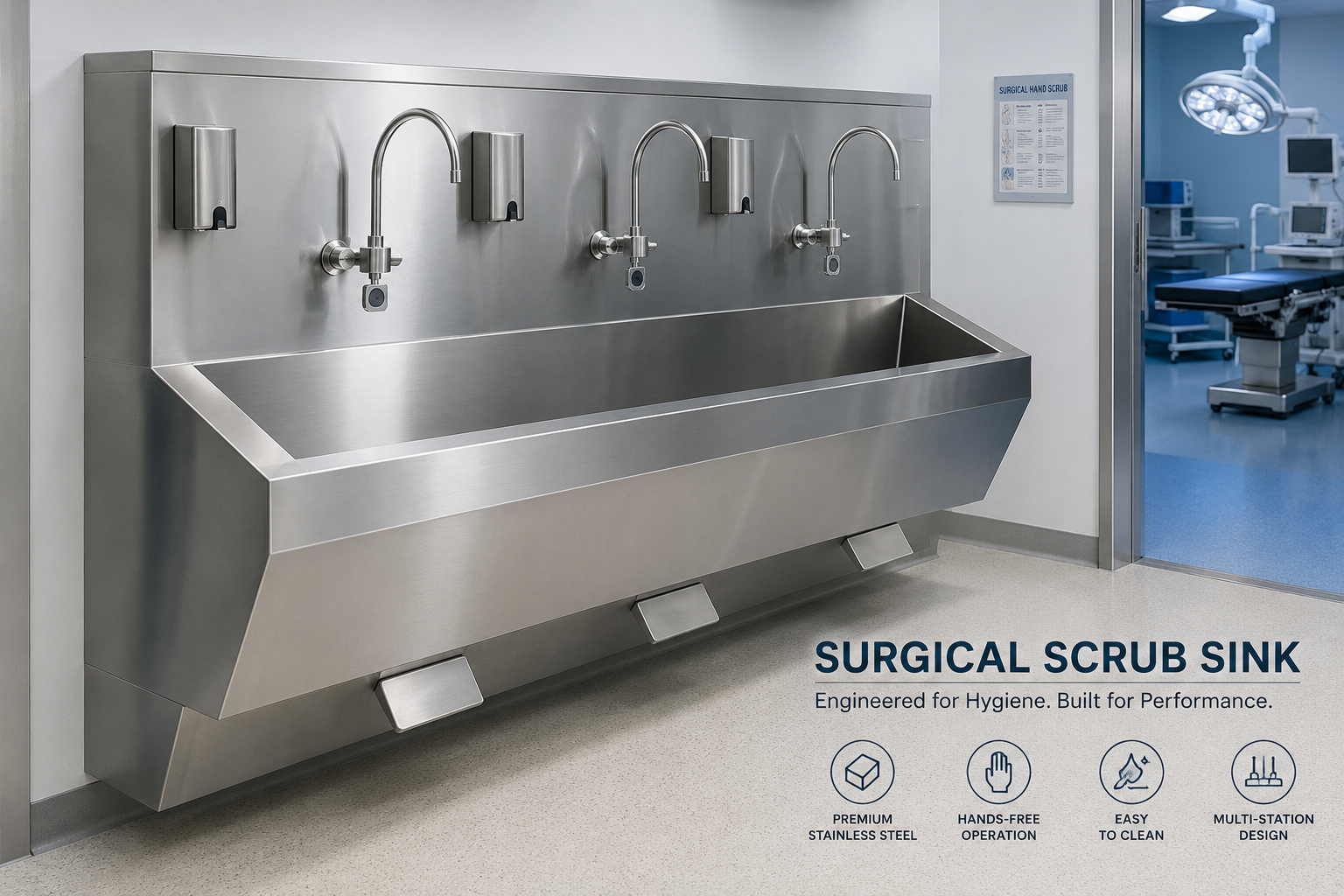
Maintaining hygiene in healthcare environments is critical for patient safety and infection control. In hospitals, surgical centers, and operation theatres, proper handwashing procedures help prevent contamination and reduce the spread of harmful microorganisms. This is where a scrub sink becomes an essential part of the healthcare infrastructure.

Designed specifically for surgeons, doctors, and healthcare professionals, scrub sinks provide a dedicated handwashing station that supports thorough surgical scrubbing before entering sterile environments. Whether you are planning a new healthcare facility or upgrading existing equipment, understanding the importance of a scrub sink can help you make the right decision.

Why a Scrub Sink is Important in Healthcare Facilities

Healthcare-associated infections remain a major concern worldwide. Proper hand hygiene is one of the most effective methods of reducing infection risks and ensuring patient safety.

A surgical scrub sink is specially designed to facilitate proper hand and arm washing before medical procedures. Unlike standard sinks, these units are engineered to minimize contamination, improve hygiene compliance, and support infection control protocols.

  • Reduces the risk of cross-contamination
  • Supports infection prevention measures
  • Enhances surgical preparation procedures
  • Improves workflow efficiency in hospitals
  • Helps maintain healthcare compliance standards
  • Provides a dedicated handwashing area for medical staff

Common Challenges Without a Proper Hospital Scrub Sink

Many healthcare facilities face challenges when adequate handwashing infrastructure is not available.

  • Increased contamination risks
  • Water splashing that spreads bacteria
  • Difficulty maintaining sterile conditions
  • Poor hand hygiene compliance
  • Higher maintenance costs
  • Reduced operational efficiency

Installing a well-designed hospital scrub sink helps overcome these challenges and creates a safer environment for both patients and healthcare professionals.

What is a Surgical Scrub Sink?

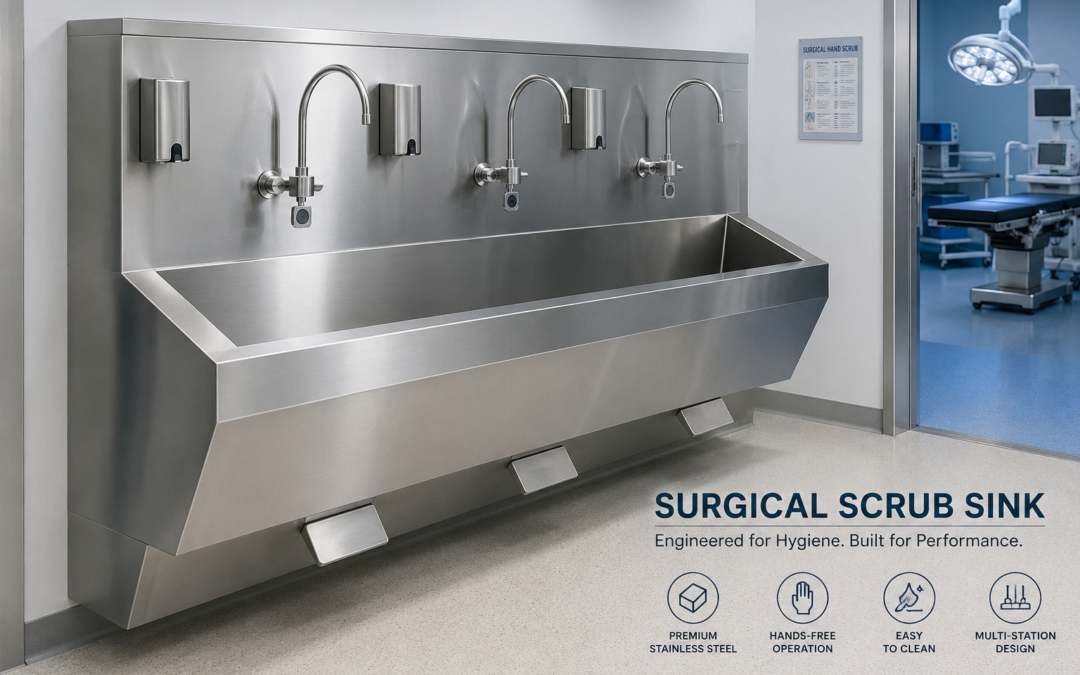
A surgical scrub sink is a specialized handwashing station designed for use in hospitals, operation theatres, cleanrooms, laboratories, and healthcare facilities. It allows surgeons and medical staff to perform thorough hand and arm scrubbing before entering sterile zones.

Modern scrub sinks often include hands-free operation systems, sensor-controlled faucets, splash-resistant designs, and ergonomic construction to maximize hygiene and convenience.

For facilities looking for high-quality healthcare-grade solutions, selecting a durable and professionally manufactured stainless steel scrub sink can significantly improve long-term performance and infection control practices.

Types of Scrub Sinks

Single User Scrub Sink

Designed for one healthcare professional at a time, making it suitable for clinics and smaller healthcare facilities.

Double User Scrub Sink

Allows two users to perform surgical scrubbing simultaneously, improving efficiency in medium-sized hospitals.

Triple User Scrub Sink

Ideal for large hospitals and busy operation theatre complexes where multiple surgeons may need access at the same time.

Sensor Operated Scrub Sink

Uses touch-free technology to reduce physical contact and improve hygiene standards.

Foot Operated Scrub Sink

Provides hands-free water control through foot pedals, reducing contamination risks.

Features of a Stainless Steel Scrub Sink

A stainless steel scrub sink remains the preferred choice in healthcare facilities due to its durability, hygiene, and corrosion resistance.

  • SS 304 or SS 316 stainless steel construction
  • Seamless welded design
  • Corrosion and rust resistance
  • Easy cleaning and maintenance
  • Splash-resistant basin design
  • Sensor-operated faucets
  • Long service life
  • Hygienic and non-porous surface
  • Durable plumbing system
  • Healthcare-grade construction standards

Applications of Operation Theatre Scrub Sinks

An operation theatre scrub sink is commonly installed in:

  • Hospitals
  • Operation theatres
  • Surgical centers
  • IVF laboratories
  • Pharmaceutical manufacturing units
  • Biotechnology facilities
  • Research laboratories
  • Dental hospitals
  • Cleanrooms
  • Healthcare institutions

Scrub Sink vs Standard Sink

Feature Standard Sink Scrub Sink
Infection Control Basic Advanced
Hands-Free Operation Limited Available
Splash Prevention Low High
Medical Compliance No Yes
Stainless Steel Construction Optional Standard
Multi-User Options No Yes

How to Choose the Right Scrub Sink

Selecting the right scrub sink requires careful consideration of your facility’s requirements.

  1. Determine the number of users who will access the sink simultaneously.
  2. Choose high-quality stainless steel construction.
  3. Select touch-free or sensor-operated models when possible.
  4. Evaluate available installation space.
  5. Consider maintenance and cleaning requirements.
  6. Verify compliance with healthcare standards.
  7. Work with an experienced surgical scrub sink manufacturer.

Common Mistakes to Avoid

  • Choosing low-grade stainless steel materials
  • Ignoring user capacity requirements
  • Selecting unreliable sensor systems
  • Overlooking splash protection features
  • Focusing only on initial purchase cost
  • Ignoring maintenance accessibility
  • Purchasing from inexperienced suppliers

Expert Tips for Better Performance

  • Always choose SS 304 or higher-grade stainless steel.
  • Use sensor-operated faucets for better hygiene.
  • Conduct regular maintenance inspections.
  • Train healthcare staff on proper hand hygiene procedures.
  • Ensure proper drainage and plumbing systems.
  • Use approved healthcare disinfectants for cleaning.
  • Partner with a trusted ot scrub sink manufacturer for long-term reliability.

Many healthcare facilities prefer working with an experienced ss scrub sink manufacturer india that can provide customized designs and healthcare-compliant solutions.

Benefits of Choosing a Professional Manufacturer

  • Customized sizes and configurations
  • Premium quality stainless steel construction
  • Healthcare-grade manufacturing standards
  • Quality assurance and testing
  • Technical support and installation guidance
  • Long-term durability
  • Easy maintenance and servicing

Frequently Asked Questions

What is a scrub sink used for?

A scrub sink is used by surgeons and medical professionals to wash and disinfect their hands and arms before entering sterile environments.

Why is a surgical scrub sink different from a regular sink?

Surgical scrub sinks are specifically designed for infection control and often include splash-resistant and hands-free features.

Which material is best for a scrub sink?

SS 304 and SS 316 stainless steel are considered the best materials due to their durability, corrosion resistance, and hygienic properties.

Where is a hospital scrub sink installed?

They are commonly installed near operation theatres, surgical suites, cleanrooms, and healthcare treatment areas.

Are sensor-operated scrub sinks better?

Yes, sensor-operated systems reduce physical contact and help maintain higher hygiene standards.

How many users can use a scrub sink simultaneously?

Scrub sinks are available in single, double, and triple-user configurations depending on facility requirements.

How do I choose a reliable scrub sink manufacturer?

Look for healthcare industry experience, quality certifications, customization capabilities, and strong after-sales support.

Conclusion

A scrub sink plays a vital role in maintaining hygiene and infection control within healthcare facilities. Whether you require a hospital scrub sink, surgical scrub sink, or operation theatre scrub sink, choosing the right design and manufacturer can significantly impact safety, efficiency, and compliance.

By investing in a high-quality stainless steel scrub sink and working with an experienced surgical scrub sink manufacturer, healthcare organizations can create safer environments while supporting the highest standards of patient care.

Pass Box Interlocking System: A Complete Guide for Cleanrooms and Controlled Environments

Pass Box Interlocking System: A Complete Guide for Cleanrooms and Controlled Environments

Pass Box Interlocking System: A Complete Guide for Cleanrooms and Controlled Environments

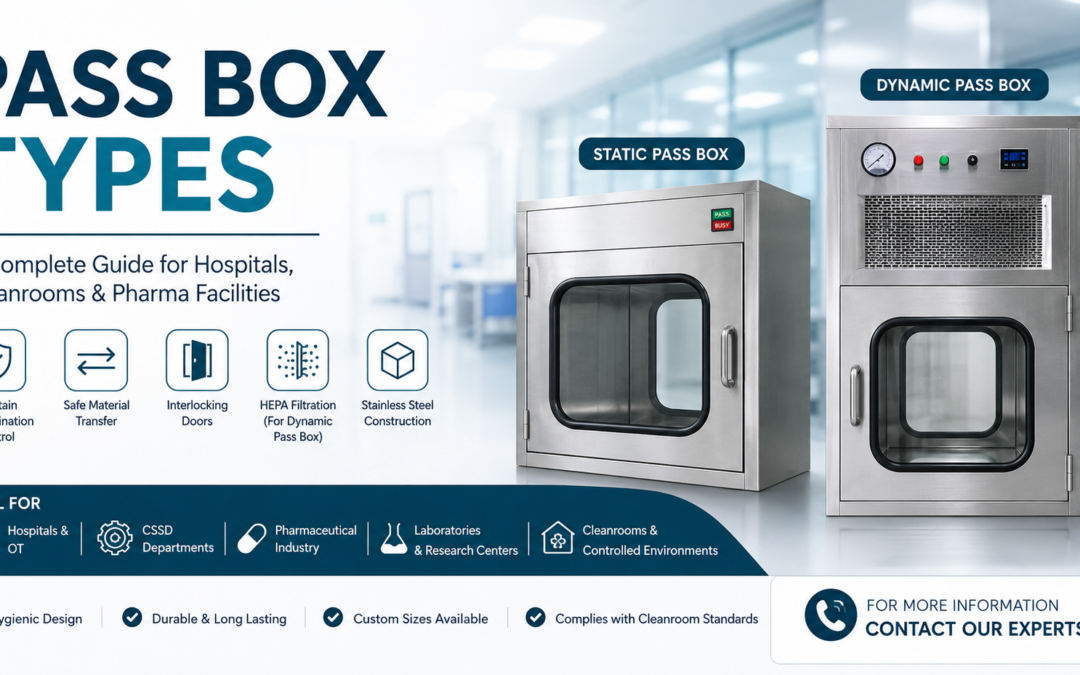
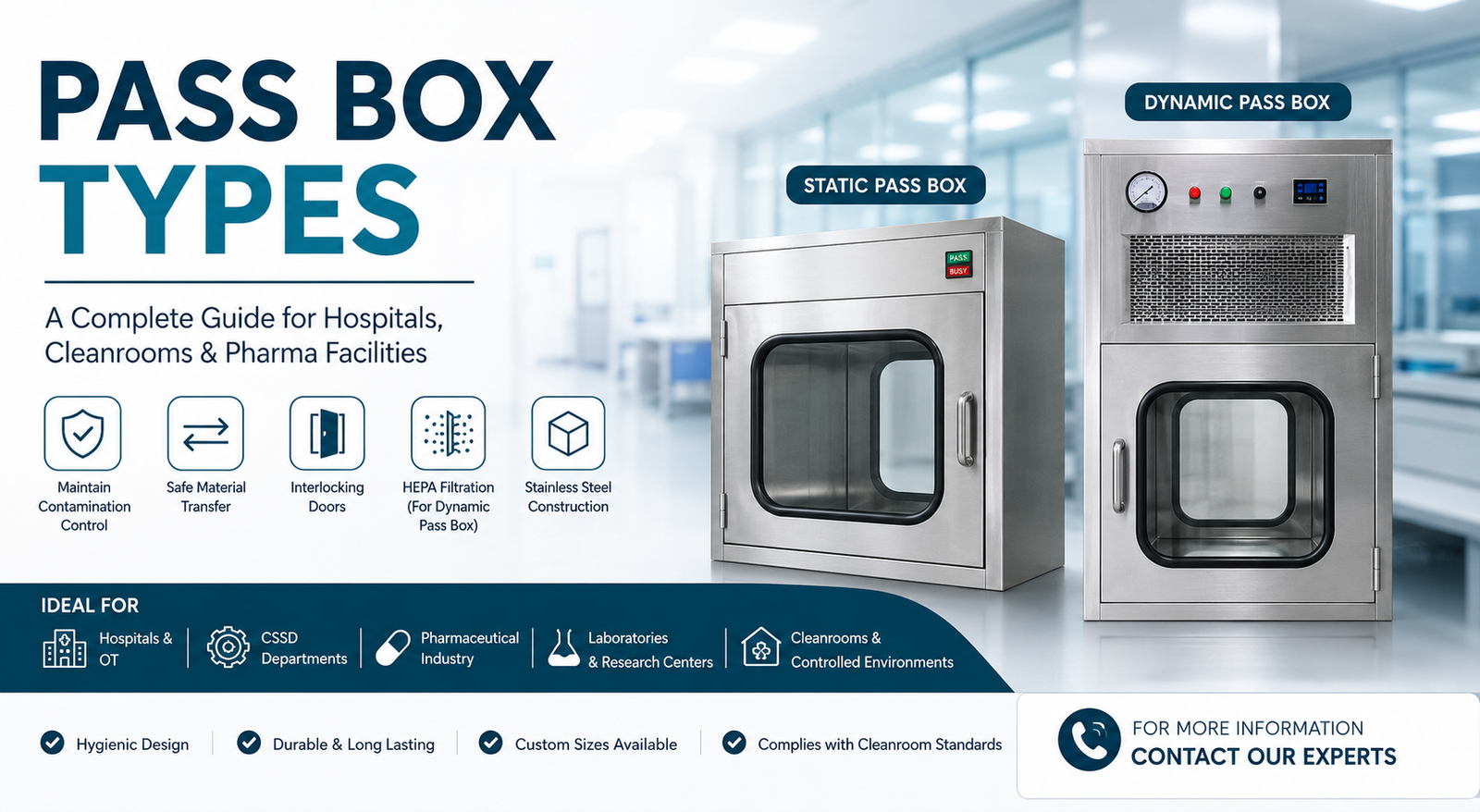
Pass Box Interlocking System


Introduction

Maintaining cleanliness and preventing cross-contamination are critical requirements in pharmaceutical facilities, hospitals, laboratories, and cleanrooms. Even a simple material transfer between two controlled areas can introduce contaminants if proper procedures are not followed.

This is where a pass box interlocking system becomes essential. It helps transfer materials safely between different zones while ensuring that both doors cannot be opened at the same time. This simple yet effective mechanism significantly reduces contamination risks and improves operational efficiency.

Whether you are evaluating a mechanical pass box or an electromagnetic pass box, understanding how these systems work can help you make the right decision for your facility.

Common Problems Without an Interlocking Pass Box

Many facilities face contamination-related challenges during material transfer processes. Common issues include:

  • Airborne particles entering controlled environments
  • Cross-contamination between clean and non-clean areas
  • Human errors during material movement
  • Failure to maintain cleanroom compliance standards
  • Reduced product quality and safety

Installing an interlocking pass box helps eliminate these risks by controlling door access during material transfer.

What Is a Pass Box Interlocking System?

A pass box interlocking system is a safety mechanism designed to prevent both doors of a pass box from opening simultaneously. This ensures that contaminants cannot directly pass from one area to another.

The system is commonly used in:

  • Pharmaceutical manufacturing plants
  • Hospitals and healthcare facilities
  • Research laboratories
  • Biotechnology facilities
  • Food processing units
  • Electronics manufacturing environments

Modern facilities often prefer advanced electromagnetic interlock pass box systems for improved control and operational safety.

Types of Pass Box Interlocking Systems

1. Mechanical Pass Box

A mechanical pass box uses a physical locking arrangement. When one door is open, the opposite door remains locked until the first door is completely closed.

Advantages:

  • Simple operation
  • No electrical power required
  • Cost-effective solution
  • Low maintenance requirements

An SS mechanical pass box is especially popular in pharmaceutical and healthcare facilities due to its durability and corrosion resistance.

2. Electromagnetic Pass Box

An electromagnetic pass box uses electrically controlled locking systems to manage door access. These systems provide enhanced safety and can integrate with cleanroom automation systems.

Advantages:

  • Higher operational reliability
  • Advanced safety controls
  • Visual status indicators
  • Suitable for critical cleanroom applications
  • Supports automation integration

Many facilities choose an electromagnetic interlock pass box when stricter contamination control measures are required.

Mechanical vs Electromagnetic Pass Box

Feature Mechanical Pass Box Electromagnetic Pass Box
Locking Method Mechanical Electronic
Power Requirement No Yes
Automation Capability Limited High
Maintenance Low Moderate
Safety Control Good Excellent
Best For General Applications Critical Cleanrooms

Key Features and Benefits

  • Prevents simultaneous door opening
  • Reduces contamination risks
  • Supports GMP compliance
  • Improves cleanroom efficiency
  • Enhances operator safety
  • Ensures controlled material transfer
  • Available in stainless steel construction
  • Long service life with minimal maintenance

An operating room pass box can also help hospitals maintain sterile conditions during equipment and supply transfers.

Step-by-Step Buying Guide

Step 1: Identify Application Requirements

Determine whether the pass box will be used in a pharmaceutical plant, hospital, laboratory, or cleanroom.

Step 2: Select Interlocking Type

Choose between a mechanical interlock pass box or an electromagnetic model based on your contamination control requirements.

Step 3: Check Material Quality

Look for high-grade stainless steel construction for durability and hygiene.

Step 4: Verify Compliance Standards

Ensure the equipment meets relevant GMP and cleanroom guidelines.

Step 5: Choose a Trusted Manufacturer

Working with reliable pass box manufacturers in India ensures product quality, after-sales support, and customization options.

Businesses looking for local support often prefer experienced pass box manufacturers in Mumbai for faster service and project coordination.

Common Mistakes to Avoid

  • Selecting the wrong interlocking mechanism
  • Ignoring cleanroom classification requirements
  • Choosing low-quality construction materials
  • Failing to verify compliance certifications
  • Purchasing based only on price
  • Overlooking future expansion needs

Expert Tips

  • Choose electromagnetic systems for critical contamination-sensitive areas.
  • Use stainless steel construction for long-term durability.
  • Perform regular maintenance checks on locking mechanisms.
  • Train staff on proper material transfer procedures.
  • Work with experienced manufacturers who understand cleanroom applications.

Frequently Asked Questions

What is a pass box interlocking system?

A pass box interlocking system prevents both doors from opening simultaneously, helping maintain contamination control between two areas.

What is the difference between a mechanical and electromagnetic pass box?

A mechanical pass box uses physical locks, while an electromagnetic pass box uses electronically controlled locking systems.

Why is an interlocking pass box important in cleanrooms?

It minimizes contamination risks and helps maintain controlled environmental conditions during material transfer.

Where are pass boxes commonly used?

Pass boxes are widely used in pharmaceutical facilities, hospitals, laboratories, biotechnology centers, and cleanrooms.

Is a stainless steel mechanical pass box suitable for hospitals?

Yes. An SS mechanical pass box offers durability, hygiene, and reliable contamination control for healthcare environments.

Can an electromagnetic pass box integrate with automation systems?

Yes. Many electromagnetic systems can connect with alarms, indicators, and facility automation controls.

Conclusion

A well-designed pass box interlocking system plays a vital role in contamination control, cleanroom safety, and operational efficiency. Whether you choose a mechanical pass box or an electromagnetic pass box, selecting the right solution depends on your facility’s requirements, compliance standards, and safety goals.

By understanding the different interlocking technologies, comparing features, and following proper buying guidelines, organizations can make informed decisions that support long-term performance and regulatory compliance.