Catheter Washing Sink: Complete Guide for Hospitals & Healthcare Facilities

Catheter Washing Sink: Complete Guide for Hospitals & Healthcare Facilities

Catheter Washing Sink: Complete Guide for Hospitals & Healthcare Facilities

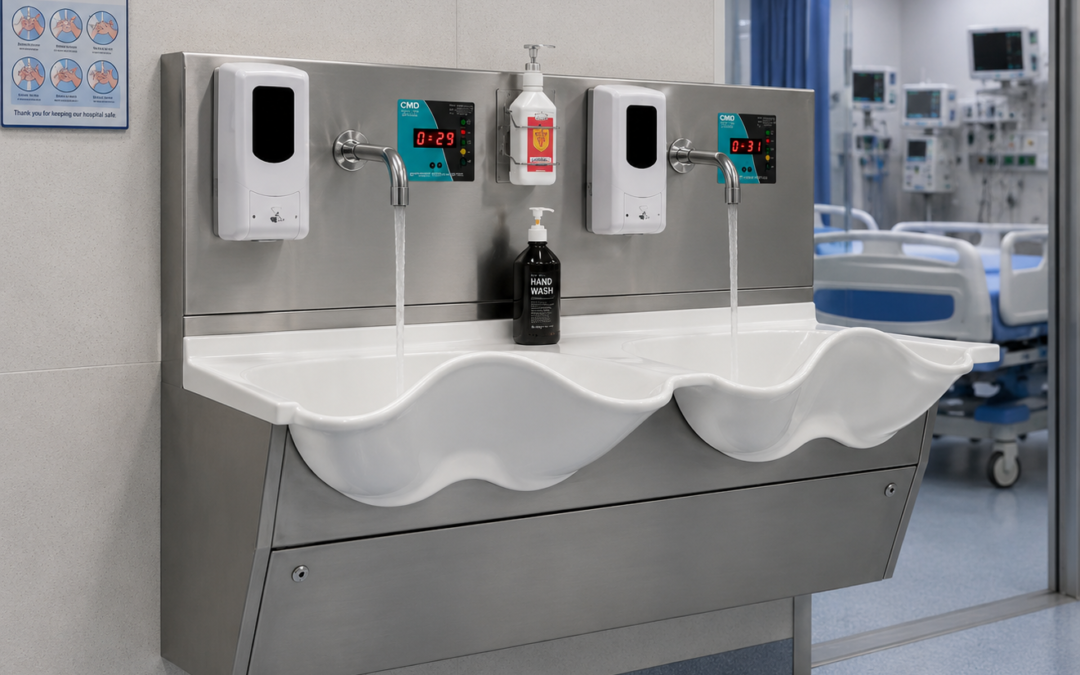
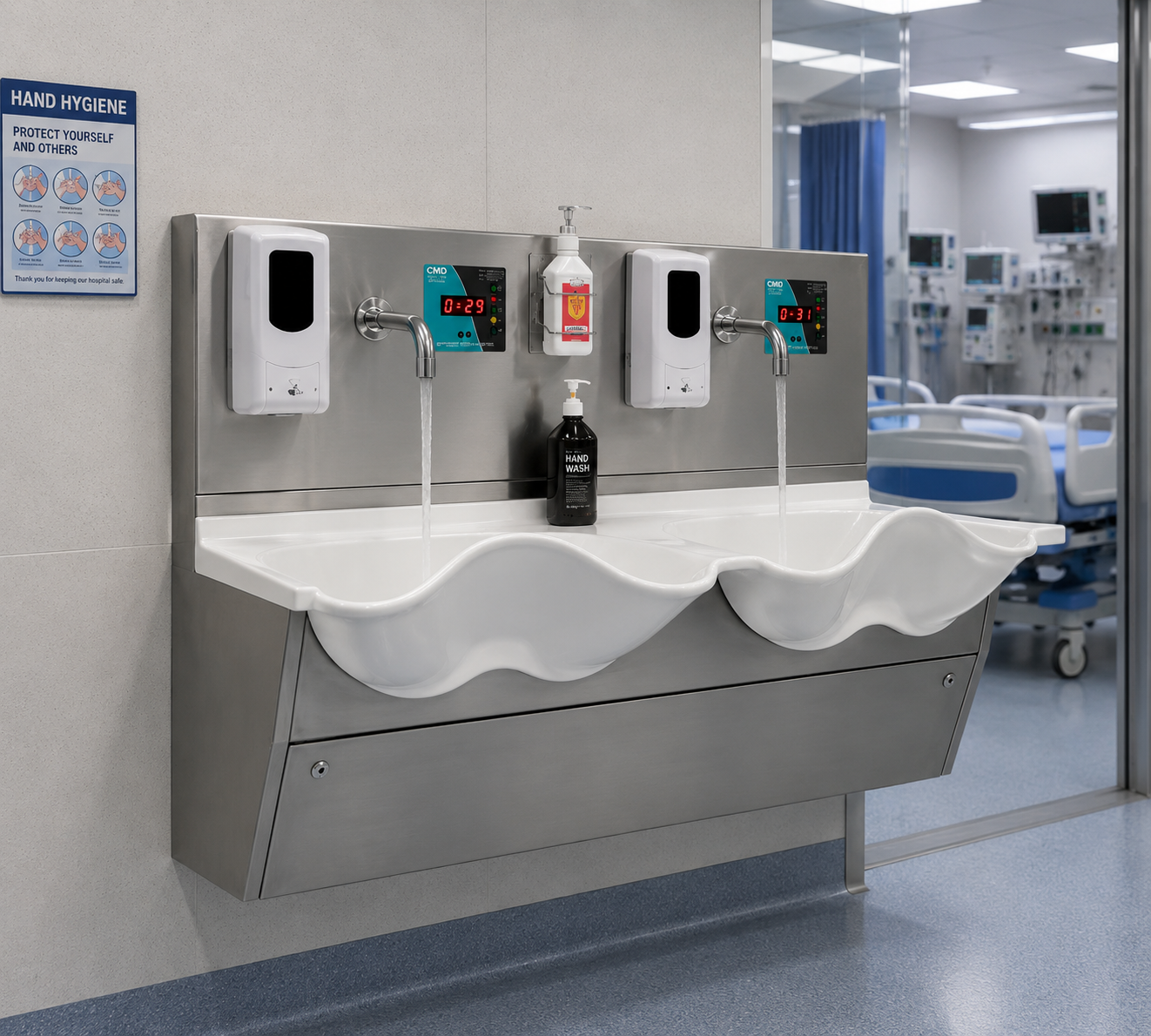
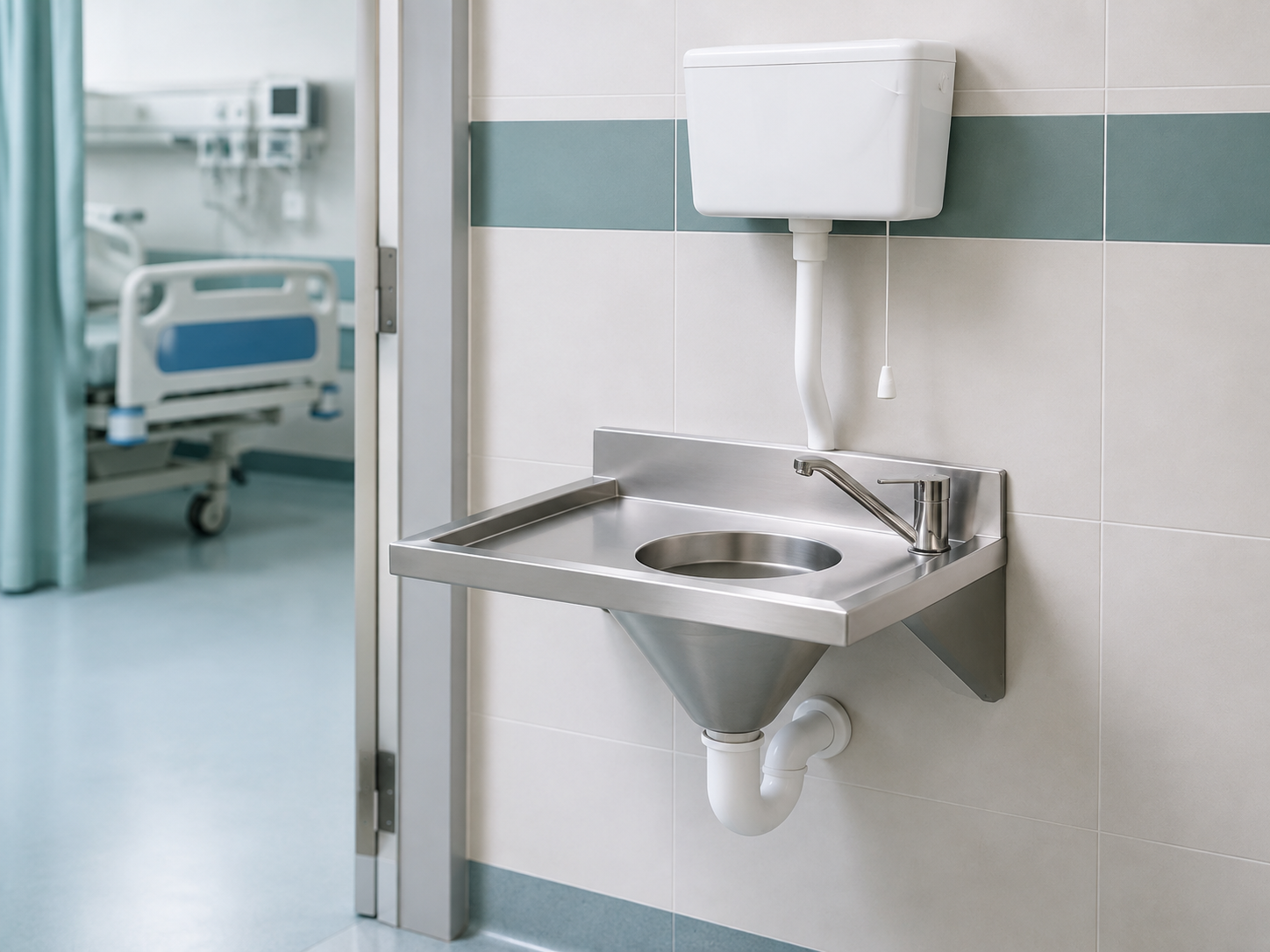
stainless steel catheter washing sink wall mounted hospital cleaning system india

Maintaining hygiene in hospitals and healthcare environments is not just important — it is critical. One of the most essential components in infection control and sanitation is the catheter washing sink. Designed specifically for cleaning medical catheters safely and efficiently, these sinks play a vital role in preventing contamination and ensuring patient safety.

In this detailed guide, we will explore everything you need to know about hospital catheter washing sinks, their features, benefits, types, and how to choose the right one for your facility.

What is a Catheter Washing Sink?

A catheter washing sink is a specialized stainless steel sink designed for the cleaning and rinsing of catheters used in hospitals, dialysis centers, and medical labs. Unlike regular sinks, it comes with multiple nozzles, controlled water flow, and hygienic design to ensure effective cleaning without contamination.

These sinks are widely used in healthcare environments where infection control and sterilization are top priorities.

Why is a Hospital Catheter Washing Sink Important?

A hospital catheter washing sink is essential because improper cleaning of catheters can lead to serious infections and complications. Hospitals must follow strict hygiene protocols, and using the right equipment is crucial.

  • Prevents cross-contamination
  • Ensures proper cleaning of medical equipment
  • Supports infection control standards
  • Improves operational efficiency
  • Reduces manual handling risks

Key Features of Stainless Steel Catheter Washing Sink

The most commonly used material in medical sinks is stainless steel. A stainless steel catheter washing sink offers durability, corrosion resistance, and easy maintenance.

  • Made from high-quality SS 304 grade stainless steel
  • Matte finish for hygienic cleaning
  • Multiple water nozzles for efficient washing
  • Wall-mounted or floor-mounted options
  • Leak-proof and durable construction
  • Easy to clean and maintain

Wall Mounted Catheter Sink: Space-Saving & Efficient

A wall mounted catheter sink is one of the most preferred options in hospitals due to its space-saving design. It allows easy installation on walls, making it ideal for compact medical environments.

Benefits of wall-mounted design:

  • Saves floor space
  • Easy to install and maintain
  • Improves workflow efficiency
  • Provides better accessibility

Applications of Catheter Cleaning Sink

The catheter cleaning sink is used across multiple healthcare sectors where hygiene is critical:

  • Hospitals and clinics
  • Dialysis centers
  • Operation theatres
  • Cleanroom environments
  • Pharmaceutical industries
  • Research laboratories

How Does a Catheter Washing Sink Work?

A catheter washing sink is designed with multiple nozzles connected to a water or air system. The catheter is attached to the nozzle, and water flows through it under controlled pressure, ensuring thorough internal cleaning.

This system minimizes manual cleaning and ensures consistent results every time.

Advantages of Using Catheter Washing Sink

  • Improved hygiene and safety
  • Faster cleaning process
  • Reduced infection risks
  • Long-lasting performance
  • Low maintenance requirements

Choosing the Right Catheter Cleaning Sink Manufacturer in India

If you are planning to invest in a catheter washing system, selecting the right catheter cleaning sink manufacturer in India is very important. A reliable manufacturer ensures quality, durability, and compliance with healthcare standards.

Here are some key factors to consider:

  • Use of premium SS 304 material
  • Customization options available
  • Compliance with medical standards
  • Experience in healthcare equipment manufacturing
  • After-sales support and service

If you are looking for a trusted solution, you can explore this product:

Customization Options Available

Every hospital has different requirements, which is why modern catheter sinks come with customization options such as:

  • Different sizes and dimensions
  • Number of nozzles
  • Water pressure control systems
  • Additional accessories

Maintenance Tips for Long-Term Use

To ensure long-lasting performance of your catheter washing sink, regular maintenance is essential.

  • Clean the surface daily using mild disinfectants
  • Check water nozzles regularly
  • Avoid harsh chemicals that damage stainless steel
  • Ensure proper drainage system

Future of Medical Cleaning Equipment

With increasing focus on hygiene and infection control, the demand for advanced medical cleaning equipment like catheter washing sinks is growing rapidly. Hospitals are shifting towards automated and efficient solutions that reduce manual effort and improve safety.

Modern designs now include better water control, ergonomic structures, and improved durability, making them an essential part of healthcare infrastructure.

Conclusion

The catheter washing sink is an indispensable part of modern healthcare facilities. Whether it is a hospital catheter washing sink, a stainless steel catheter washing sink, or a wall mounted catheter sink, each plays a crucial role in maintaining hygiene and safety standards.

Choosing the right catheter cleaning sink manufacturer in India ensures you get a reliable, durable, and efficient product that meets all medical requirements.

Investing in high-quality catheter cleaning equipment is not just about compliance — it is about protecting lives.

Frequently Asked Questions (FAQs)

What is a catheter washing sink used for?

It is used for cleaning medical catheters in a hygienic and controlled environment.

Why is stainless steel used in catheter sinks?

Stainless steel is durable, corrosion-resistant, and easy to clean, making it ideal for healthcare environments.

Can catheter washing sinks be customized?

Yes, they can be customized based on hospital requirements, size, and features.

Where are catheter cleaning sinks commonly used?

They are used in hospitals, dialysis centers, labs, and cleanrooms.

Stainless Steel Dialyzer Washing Sink: Essential Solution for Safe Dialysis Equipment Cleaning

Stainless Steel Dialyzer Washing Sink: Essential Solution for Safe Dialysis Equipment Cleaning

Stainless Steel Dialyzer Washing Sink: Essential Solution for Safe Dialysis Equipment Cleaning

Stainless Steel Dialyzer Washing Sink for Hospitals made of SS 304 used for dialysis equipment cleaning and infection control
In modern healthcare environments, maintaining hygiene is not just a requirement—it is a critical responsibility. Hospitals and dialysis centers rely heavily on specialized cleaning systems to ensure patient safety. One such essential equipment is the Stainless Steel Dialyzer Washing Sink, designed specifically for cleaning dialysis equipment efficiently and hygienically.

Proper cleaning of dialyzers and related instruments plays a vital role in infection control. A well-designed Dialyzer Washing Sink for Hospitals ensures that contaminants are removed effectively, reducing the risk of cross-contamination and improving overall patient outcomes.

What is a Dialyzer Washing Sink?

A Dialyzer Washing Sink is a specialized stainless steel sink used in hospitals, dialysis units, and laboratories to clean dialyzers and other medical equipment. Unlike regular sinks, these are designed with features that support high hygiene standards, durability, and ease of use.

These sinks are commonly made using SS 304 Dialyzer Washing Sink material, which is known for its corrosion resistance, strength, and long-lasting performance. The design ensures smooth surfaces, seamless joints, and easy cleaning, making them ideal for medical environments.

Why Stainless Steel is the Best Choice?

When it comes to medical equipment cleaning, material quality matters. Stainless steel, especially SS 304 grade, is widely used due to its superior properties.

  • High resistance to corrosion and rust
  • Non-porous surface prevents bacterial growth
  • Easy to clean and maintain
  • Long service life even in heavy usage
  • Complies with hospital hygiene standards

This is why a SS 304 Dialyzer Washing Sink is preferred in healthcare facilities where cleanliness and durability are non-negotiable.

Importance of Dialysis Equipment Washing Sink in Hospitals

Dialysis treatment involves handling blood and body fluids, making cleanliness extremely important. A Dialysis Equipment Washing Sink ensures that all equipment is cleaned under controlled conditions.

Using a dedicated washing sink helps:

  • Prevent infections and contamination
  • Maintain sterilization standards
  • Improve workflow efficiency in dialysis units
  • Ensure compliance with healthcare regulations

Hospitals that invest in proper washing infrastructure significantly reduce operational risks and improve patient trust.

Key Features of Dialyzer Washing Sink

A high-quality Dialyzer Washing Sink for Hospitals comes with advanced features that enhance usability and safety.

  • Deep basin design for efficient cleaning
  • Fully welded seamless construction
  • Smooth edges for easy maintenance
  • Hot and cold water provision
  • Optional pressure regulating valves
  • SS 304 material for durability
  • Customizable sizes and configurations

These features make the sink highly efficient for daily hospital operations.

Applications of Stainless Steel Dialyzer Washing Sink

The Stainless Steel Dialyzer Washing Sink is widely used in multiple healthcare and laboratory settings.

  • Dialysis centers
  • Hospitals and clinics
  • Medical laboratories
  • Infection control units
  • Healthcare cleaning zones

Its versatility makes it an essential component in any facility dealing with dialysis equipment.

Design Considerations for Maximum Efficiency

While selecting a Dialyzer Washing Sink, proper design plays a crucial role. A well-designed sink improves productivity and ensures safety.

  • Ergonomic height for user comfort
  • Proper drainage system to avoid water stagnation
  • Rounded corners for easy cleaning
  • Wall-mounted or floor-mounted options
  • Integration with other hospital equipment

Choosing the right design ensures long-term efficiency and ease of use.

Maintenance Tips for Long-Term Performance

Even though stainless steel is durable, proper maintenance is necessary to ensure long life.

  • Clean regularly with mild disinfectants
  • Avoid harsh chemicals that damage steel
  • Check water fittings periodically
  • Ensure proper drainage functionality
  • Wipe dry after use to prevent water marks

Following these simple steps helps maintain the performance of your SS 304 Dialyzer Washing Sink for years.

Why Hospitals Prefer Dedicated Dialyzer Washing Systems

Using a general sink for dialysis equipment can lead to hygiene issues. A dedicated Dialysis Equipment Washing Sink provides a controlled environment for cleaning.

Benefits include:

  • Better infection control
  • Improved workflow management
  • Reduced risk of contamination
  • Compliance with healthcare standards

This makes it a must-have solution for modern hospitals.

Choosing the Right Manufacturer

Selecting the right manufacturer is as important as choosing the right product. Quality manufacturing ensures durability, hygiene compliance, and long-term reliability.

If you are looking for high-quality solutions, you can explore more options here:

Explore Hospital Stainless Steel Solutions

A trusted manufacturer will provide customization, premium quality materials, and reliable support.

Future of Hospital Cleaning Equipment

With advancements in healthcare infrastructure, equipment like the Stainless Steel Dialyzer Washing Sink is becoming more advanced. Modern designs focus on automation, water efficiency, and enhanced hygiene standards.

Hospitals are now investing in smarter solutions that not only improve efficiency but also ensure better patient safety.

Conclusion

The Dialyzer Washing Sink for Hospitals is an essential component in maintaining hygiene and ensuring safe dialysis procedures. Its specialized design, durable material, and efficiency make it a critical investment for any healthcare facility.

Choosing a high-quality SS 304 Dialyzer Washing Sink ensures long-term reliability, better infection control, and improved operational efficiency. As healthcare standards continue to evolve, having the right cleaning infrastructure is no longer optional—it is necessary.

Whether you are upgrading your facility or setting up a new dialysis unit, investing in a Dialysis Equipment Washing Sink is a smart and future-ready decision.

Bed Pan Rack: Essential Hospital Equipment for Hygiene & Infection Control

Bed Pan Rack: Essential Hospital Equipment for Hygiene & Infection Control

Bed Pan Rack: Essential Hospital Equipment for Hygiene & Infection Control

Wall mounted stainless steel bed pan rack for hospital hygiene, infection control, and cleanroom storage

In healthcare environments like hospitals, clinics, and pharmaceutical facilities, maintaining hygiene is not just important—it’s critical. One of the most overlooked yet essential equipment used for sanitation is the bed pan rack. Designed for organized storage and proper drying of bedpans and urinals, this equipment plays a vital role in infection control and operational efficiency.

If you’re planning to upgrade your hospital sanitation system or looking for reliable solutions, understanding the importance of a high-quality bed pan rack is the first step.

What is a Bed Pan Rack?

A bed pan rack is a specialized storage unit used in hospitals and healthcare facilities to hold bedpans and urinal bottles after cleaning. It ensures proper drying, organized storage, and prevents cross-contamination.

These racks are commonly used in:

  • Hospitals
  • Nursing homes
  • Clinics
  • Pharmaceutical cleanrooms
  • Healthcare laboratories

The primary goal of a hospital bed pan rack is to maintain hygiene while improving workflow efficiency for healthcare staff.

Why Bed Pan Racks Are Important in Hospitals

In any healthcare facility, infection control is a top priority. Improper handling or storage of bedpans can lead to serious contamination risks. This is where a stainless steel bed pan rack becomes essential.

1. Prevents Cross-Contamination

After use, bedpans must be properly cleaned and dried. A dedicated rack ensures they are stored separately and hygienically, reducing infection risks.

2. Improves Workflow Efficiency

Healthcare staff can quickly access clean and dry bedpans without searching or handling contaminated items.

3. Supports Cleanroom Standards

In pharmaceutical and sterile environments, organized storage solutions like wall-mounted racks help maintain strict hygiene protocols.

4. Space Optimization

A wall mounted bed pan rack helps save floor space, making it ideal for compact hospital utility areas.

Types of Bed Pan Racks

Depending on the requirements and available space, different types of bed pan racks are used in healthcare setups.

Wall Mounted Bed Pan Rack

This type is fixed on the wall and is ideal for saving space. It allows proper drainage and drying while keeping the floor area clean and accessible.

Floor Standing Bed Pan Rack

These are portable and can be moved as needed. Suitable for larger hospital setups where flexibility is required.

Customized Bed Pan Rack

Some facilities require specific sizes or configurations. A reliable bed pan rack manufacturer India can provide customized solutions based on your needs.

Why Choose Stainless Steel Bed Pan Rack?

Material plays a huge role in the durability and hygiene of hospital equipment. A stainless steel bed pan rack is the most preferred option due to several benefits:

  • Corrosion Resistance: Ideal for wet environments
  • Easy to Clean: Smooth surface ensures easy maintenance
  • Durability: Long-lasting even in heavy usage
  • Hygienic: Non-porous material prevents bacterial growth
  • Professional Appearance: Clean and modern look

Most hospitals prefer 304-grade stainless steel for better strength and hygiene compliance.

Key Features to Look for in a Bed Pan Rack

Before purchasing, it’s important to evaluate the features to ensure you get the best value and performance.

High-Quality Material

Always choose racks made from 304-grade stainless steel for durability and hygiene.

Proper Drainage Design

The design should allow water to drain easily, ensuring faster drying.

Capacity

Select a rack that can accommodate the required number of bedpans and urinals based on your facility size.

Wall-Mounted Design

For space-saving and better organization, wall-mounted options are highly recommended.

Customization Options

A good manufacturer should offer customization based on your specific requirements.

Applications of Bed Pan Racks

The use of bed pan racks is not limited to hospitals. They are widely used across various healthcare sectors:

  • Hospitals and healthcare centers
  • Pharmaceutical industries
  • Cleanroom environments
  • Research laboratories
  • Nursing homes and clinics

In all these environments, hygiene and infection control are critical, making bed pan racks a must-have utility.

How to Choose the Right Bed Pan Rack?

Choosing the right bed pan rack depends on multiple factors. Here’s what you should consider:

1. Space Availability

If your space is limited, go for a wall-mounted bed pan rack.

2. Usage Requirement

For high-traffic hospitals, choose a rack with higher capacity.

3. Material Quality

Always opt for stainless steel to ensure long-term performance.

4. Compliance Standards

Ensure the rack meets healthcare and hygiene standards.

5. Manufacturer Reliability

Working with an experienced bed pan rack manufacturer India ensures better quality and service.

Benefits of Investing in a Quality Bed Pan Rack

Investing in a high-quality bed pan rack offers long-term advantages:

  • Improved hygiene and sanitation
  • Reduced infection risks
  • Better organization in utility areas
  • Enhanced staff efficiency
  • Long-lasting performance

In healthcare, even small improvements in hygiene systems can make a big difference in patient safety.

Why Choose a Reliable Bed Pan Rack Manufacturer in India?

India has become a hub for high-quality hospital equipment manufacturing. Choosing a trusted bed pan rack manufacturer India ensures:

  • High-quality stainless steel fabrication
  • Customization options
  • Affordable pricing
  • Compliance with international standards
  • Reliable after-sales support

Manufacturers like CMP Metal are known for delivering durable and hygienic hospital solutions tailored to modern healthcare needs.

Final Thoughts

A bed pan rack may seem like a small component in a hospital setup, but its role in maintaining hygiene and preventing infections is significant. Whether you are setting up a new facility or upgrading existing equipment, choosing the right rack can improve both efficiency and safety.

From stainless steel bed pan racks to wall mounted bed pan racks, selecting the right design and manufacturer ensures long-term performance and compliance with healthcare standards.

If you’re looking for a reliable solution, explore this high-quality bed pan rack designed specifically for hospital and pharma use.

Invest smartly today to maintain better hygiene, improve workflow, and ensure a safer healthcare environment.

Stainless Steel Slop Hopper: Complete Guide for Hospitals & Cleanroom Hygiene

Stainless Steel Slop Hopper: Complete Guide for Hospitals & Cleanroom Hygiene

Stainless Steel Slop Hopper: Complete Guide for Hospitals & Cleanroom Hygiene

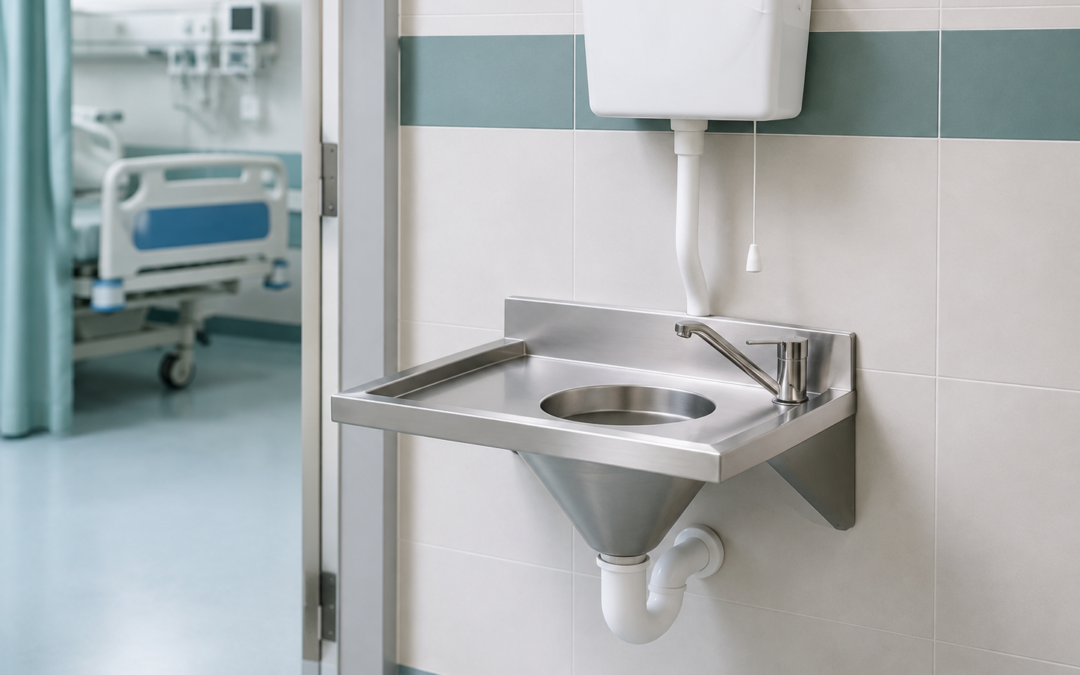
Stainless Steel Slop Hopper for hospital waste disposal and hygiene management in healthcare and industrial environments

In healthcare environments, maintaining hygiene and proper waste disposal is not just important—it is critical. One of the most essential yet often overlooked pieces of equipment used in hospitals and laboratories is the Stainless Steel Slop Hopper. Designed specifically for safe disposal of liquid and semi-liquid waste, this equipment plays a vital role in infection control and sanitation.

Whether you are managing a hospital, laboratory, or pharmaceutical unit, understanding the importance of a slop hopper can help you improve hygiene standards and operational efficiency.

What is a Stainless Steel Slop Hopper?

A Stainless Steel Slop Hopper is a specialized sink used for the disposal of medical waste such as body fluids, cleaning liquids, and contaminated materials. It is commonly installed in hospitals, CSSD departments, laboratories, and cleanrooms.

Unlike standard sinks, slop hoppers are designed with a deep basin, flush system, and drainage mechanism that ensures waste is disposed of safely without contamination risks.

Why Stainless Steel is the Best Material?

When it comes to hygiene-critical environments, stainless steel is the most preferred material. A reliable Hospital Slop Hopper Manufacturer always uses high-grade stainless steel like SS 304 due to its superior properties.

  • Corrosion Resistance: Resistant to chemicals and disinfectants
  • Hygienic Surface: Smooth finish prevents bacterial growth
  • Durability: Long-lasting even in heavy-duty environments
  • Easy Maintenance: Quick cleaning with minimal effort

These benefits make stainless steel slop hoppers ideal for healthcare and pharmaceutical applications.

Applications of Slop Hopper in Hospitals

A Slop Hopper is widely used in various departments where sanitation is crucial. Its role is essential in maintaining cleanliness and infection control.

  • Hospitals & Healthcare Facilities
  • CSSD (Central Sterile Services Department)
  • Laboratories & Research Centers
  • Pharmaceutical Manufacturing Units
  • Cleanroom Environments

In these environments, even a small lapse in hygiene can lead to serious contamination risks. That’s why having a reliable SS Sluice Sink India solution is necessary.

Key Features of a High-Quality Slop Hopper

Not all slop hoppers are the same. Choosing the right one from a trusted Hospital Slop Hopper Manufacturer ensures better performance and safety.

  • Seamless Construction: Prevents dirt accumulation and ensures easy cleaning
  • Flush System: Efficient waste disposal with proper flushing mechanism
  • Wall Mounted or Floor Mounted Options: Flexible installation
  • Integrated Drainage: Smooth and hygienic waste flow
  • Optional Accessories: Jet spray, taps, and flushing systems

These features are designed to improve usability while maintaining strict hygiene standards.

Importance of Infection Control

In hospitals and labs, infection control is a top priority. Improper waste disposal can lead to cross-contamination and the spread of harmful bacteria.

A Stainless Steel Slop Hopper helps in:

  • Safe disposal of contaminated liquids
  • Reducing bacterial spread
  • Maintaining sterile environments
  • Supporting infection control protocols

This is why slop hoppers are considered a mandatory component in modern healthcare infrastructure.

Difference Between Slop Hopper and SS Sluice Sink

Many people confuse a Slop Hopper with an SS Sluice Sink India system. While both serve similar purposes, there are slight differences:

  • Slop Hopper: Primarily used for dumping liquid waste
  • Sluice Sink: Often includes flushing systems and is used for cleaning medical utensils

Both are important, but selecting the right equipment depends on your specific application.

How to Choose the Right Slop Hopper?

Choosing the right slop hopper requires careful consideration. Here are some important factors:

  • Material Quality: Always choose SS 304 or higher
  • Size & Dimensions: Based on usage and space availability
  • Flush Mechanism: Ensure efficient water flow
  • Installation Type: Wall-mounted or floor-mounted
  • Manufacturer Reputation: Go with an experienced Hospital Slop Hopper Manufacturer

Investing in the right product ensures long-term reliability and better hygiene compliance.

Benefits of Using Stainless Steel Slop Hopper

Using a high-quality slop hopper offers multiple advantages for healthcare facilities:

  • Improved sanitation and hygiene
  • Reduced risk of infection
  • Easy cleaning and maintenance
  • Durable and cost-effective solution
  • Compliance with healthcare standards

These benefits make it a must-have for hospitals and cleanroom environments.

Role in Modern Healthcare Infrastructure

As healthcare standards continue to evolve, the demand for hygienic and efficient waste management solutions is increasing. Equipment like Stainless Steel Slop Hopper plays a crucial role in meeting these standards.

From small clinics to large hospitals, the importance of proper waste disposal systems cannot be ignored. It not only improves operational efficiency but also ensures patient and staff safety.

Maintenance Tips for Long-Term Use

To ensure long-lasting performance, proper maintenance is essential:

  • Clean regularly with disinfectants
  • Avoid harsh chemicals that damage the surface
  • Check drainage system periodically
  • Ensure proper flushing functionality

Regular maintenance helps in extending the life of the equipment and maintaining hygiene standards.

Conclusion

A Stainless Steel Slop Hopper is more than just a utility product—it is a critical component in maintaining hygiene and infection control in hospitals, laboratories, and pharmaceutical industries.

Choosing the right product from a trusted Hospital Slop Hopper Manufacturer ensures durability, efficiency, and compliance with healthcare standards. With increasing focus on cleanliness and safety, investing in a high-quality slop hopper is a smart and necessary decision.

Whether you are upgrading your facility or setting up a new one, integrating the right SS Sluice Sink India solution will significantly improve your sanitation system and overall operational efficiency.

Static & Dynamic Pass Box in Cleanrooms: How They Improve Contamination Control

Static & Dynamic Pass Box in Cleanrooms: How They Improve Contamination Control

Static & Dynamic Pass Box in Cleanrooms: How They Improve Contamination Control

Static Dynamic Pass Box Cleanroom Stainless Steel<br />

Maintaining a contamination-free environment is one of the most important requirements in industries such as pharmaceuticals, biotechnology, electronics, and healthcare laboratories. Cleanrooms are designed to control airborne particles and maintain strict hygiene standards, but transferring materials between rooms can create contamination risks.

This is where a Cleanroom Pass Box becomes an essential solution. Pass boxes allow safe transfer of materials between controlled environments without allowing contaminants to enter the cleanroom. These systems act as an intermediate chamber that reduces human movement between clean areas and helps maintain strict contamination control.

Modern cleanroom facilities often use Static and Dynamic Pass Box systems depending on the level of cleanliness required and the operational workflow of the facility.

What is a Cleanroom Pass Box?

A pass box is a specialized stainless steel enclosure installed between two cleanroom areas. It allows materials, equipment, or documents to be transferred safely between rooms without opening both doors simultaneously.

This simple yet highly effective system prevents cross-contamination while maintaining the cleanroom environment.

Pass boxes are commonly installed in industries such as:

  • Pharmaceutical manufacturing
  • Hospitals and healthcare facilities
  • Biotechnology laboratories
  • Electronics and semiconductor manufacturing
  • Food processing clean zones

By minimizing human traffic inside cleanrooms, pass boxes help maintain strict hygiene and contamination control standards.

Types of Pass Boxes Used in Cleanrooms

Cleanroom facilities typically use two main types of pass boxes depending on operational requirements.

Static Pass Box
A Static Pass Box is installed between two cleanrooms of the same cleanliness level. It does not include air filtration systems and is mainly used to transfer materials between similar clean environments.

Static pass boxes are commonly used in pharmaceutical facilities where materials move between controlled areas with similar air quality standards.

Dynamic Pass Box
A Dynamic Pass Box is designed for environments where air filtration and airflow control are necessary. These systems include HEPA filters and controlled airflow to remove airborne contaminants during material transfer.

Dynamic pass boxes are often used between clean and less-clean areas to prevent contamination.

Both systems play an important role in maintaining cleanroom integrity.

How Pass Boxes Improve Cleanroom Efficiency

Cleanroom operations require strict protocols to maintain air purity and prevent contamination. Pass boxes help improve efficiency by allowing materials to be transferred without requiring staff to move between rooms.

This process offers several advantages:

Reduced Contamination Risk
By eliminating unnecessary human movement, pass boxes significantly reduce the risk of contaminants entering cleanroom environments.

Improved Workflow
Material transfer becomes faster and more organized, improving operational efficiency.

Better Cleanroom Compliance
Pass boxes help facilities maintain regulatory compliance required in pharmaceutical and medical industries.

Increased Safety
Interlocking door systems ensure that both doors cannot be opened at the same time, preventing contamination.

These benefits make cleanroom pass boxes essential equipment for controlled environments.

Key Features of Static and Dynamic Pass Boxes

High-quality pass boxes are designed to meet strict industry standards and ensure reliable performance in cleanroom environments.

Important features include:

Stainless Steel Construction
Most pass boxes are manufactured using SS304 stainless steel, which provides durability, corrosion resistance, and easy cleaning.

Interlocking Door Mechanism
Mechanical or electronic interlocking systems prevent both doors from opening simultaneously.

UV Sterilization
Some pass boxes include UV lights that help disinfect materials before transfer.

Glass Viewing Window
Transparent viewing panels allow operators to monitor the transfer process.

HEPA Filtration (Dynamic Models)
Dynamic pass boxes include HEPA filters that remove airborne particles and maintain clean airflow.

These features ensure that pass boxes perform effectively in contamination-controlled environments.

Applications of Pass Boxes in Different Industries

Pass boxes are widely used in industries where contamination control is critical.

Pharmaceutical Industry
Used for transferring raw materials, packaging components, and equipment between production zones.

Hospitals and Healthcare Facilities
Used in sterile areas such as operation theatres and laboratories.

Biotechnology Laboratories
Helps maintain contamination-free environments required for research and testing.

Electronics Manufacturing
Used in semiconductor production where even microscopic contamination can affect product performance.

Food Processing Cleanrooms
Used for transferring ingredients and tools while maintaining hygiene standards.

Because of their versatility, pass boxes are an important part of modern cleanroom infrastructure.

Choosing the Right Pass Box for Your Facility

Selecting the right pass box depends on the cleanliness requirements of the facility.

Factors to consider include:

Cleanroom Classification
Facilities with strict air purity standards may require dynamic pass boxes with HEPA filtration.

Material Construction
Stainless steel models provide better durability and hygiene.

Door Interlocking System
Reliable interlocking systems help prevent accidental contamination.

Custom Size Requirements
Different industries may require customized pass box dimensions depending on operational needs.

Choosing the right equipment ensures efficient material transfer and contamination control.

Conclusion

Cleanroom environments require strict contamination control to ensure product quality and safety. Material transfer between rooms is one of the most sensitive processes in controlled environments.

Installing reliable Static and Dynamic Pass Box systems helps industries maintain cleanroom integrity while improving operational efficiency.

High-quality pass boxes provide safe material transfer, reduce contamination risks, and support regulatory compliance in pharmaceutical, healthcare, and laboratory environments.

Manufacturers like CMP METAL design durable stainless steel cleanroom pass boxes that meet the needs of modern industries. Their solutions are engineered for reliability, safety, and long-term performance in controlled environments.

error: Content is protected !!