Stainless Steel Sluice Sink: Complete Guide for Hospitals & CSSD Units

Stainless Steel Sluice Sink: Complete Guide for Hospitals & CSSD Units

Stainless Steel Sluice Sink: Complete Guide for Hospitals & CSSD Units

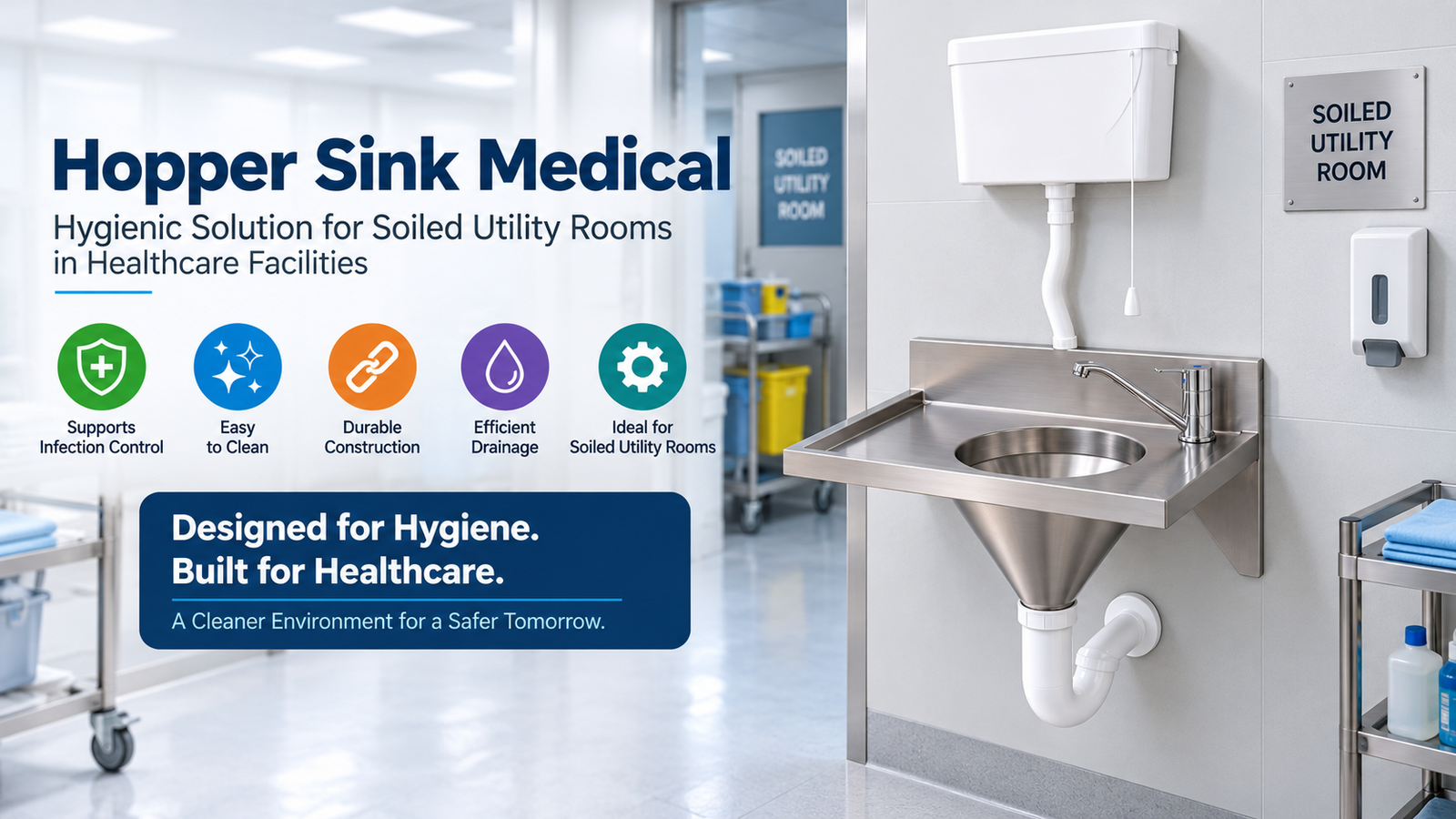
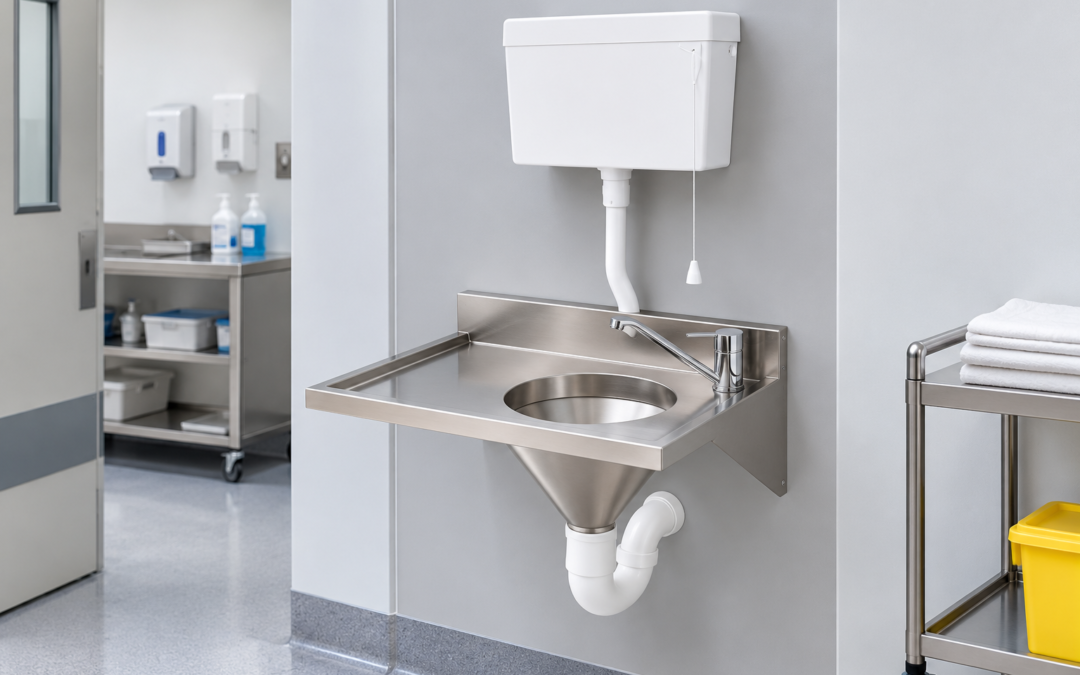
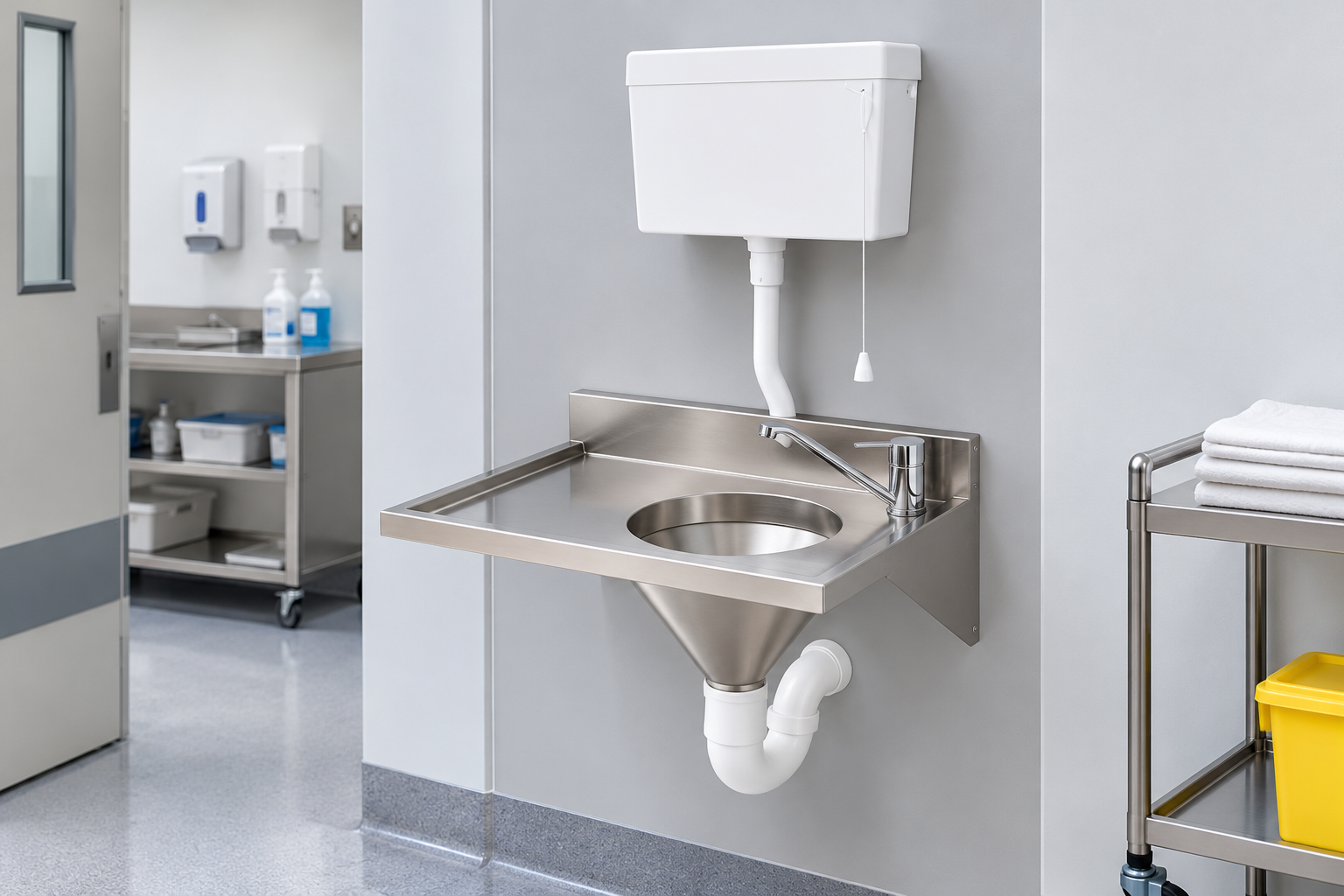
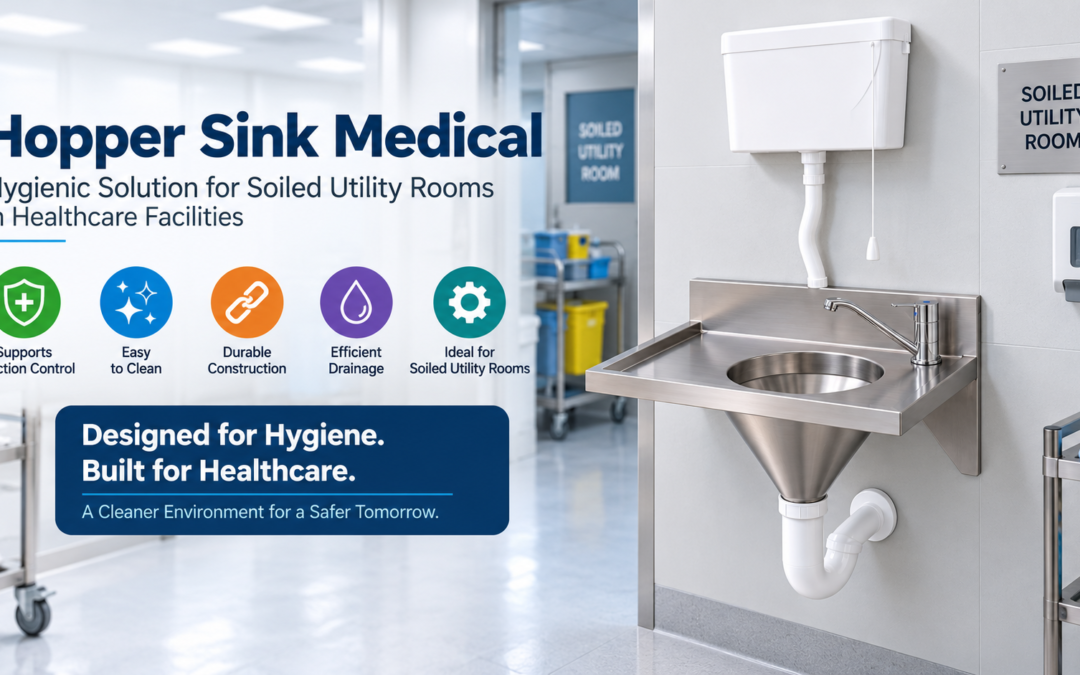
Hospital Slop Hopper with Wash Basin

Maintaining hygiene in healthcare environments is not just important—it is critical. From hospitals to laboratories, every facility dealing with contaminated waste requires efficient sanitation systems. One such essential solution is the Stainless Steel Sluice Sink, also known as a Hospital Slop Hopper with Wash Basin.

This blog provides a complete understanding of sluice sinks, their applications, benefits, and why they are widely used in modern healthcare infrastructure.

What is a Stainless Steel Sluice Sink?

A Sluice Sink is a specialized sanitation unit designed to safely dispose of contaminated liquids and waste materials such as bedpan contents, urine, and other medical waste. It is commonly installed in dirty utility rooms in hospitals.

These units are typically made of high-grade stainless steel, ensuring durability, corrosion resistance, and hygiene. When combined with a wash basin, it becomes a Sluice Unit with Wash Basin, allowing healthcare staff to clean equipment and maintain hygiene in one place.

Why Stainless Steel is Preferred for Sluice Sinks

Material selection plays a crucial role in healthcare equipment. Stainless steel, especially SS 304 grade, is the most preferred material due to its hygienic and durable properties.

  • Corrosion Resistance: Suitable for wet environments and chemical exposure
  • Easy to Clean: Smooth surface prevents bacterial growth
  • Durability: Long-lasting even in high-usage areas
  • Hygienic Construction: Seamless welding ensures no contamination traps

This makes stainless steel sluice sinks ideal for CSSD (Central Sterile Services Department) and hospital applications.

Key Components of a Hospital Slop Hopper with Wash Basin

A well-designed Hospital Slop Hopper comes with multiple functional components that improve efficiency and safety.

  • Flushing rim for effective waste removal
  • Jet spray or faucet for cleaning
  • Integrated wash basin for hand hygiene
  • P-trap drainage system to prevent odors
  • Wall-mounted or floor-standing options

These features ensure that healthcare workers can manage waste disposal and cleaning operations efficiently.

Applications of Sluice Sink in Healthcare

Sluice sinks are used across various healthcare and laboratory environments where sanitation is critical.

  • Hospitals (Dirty Utility Rooms)
  • CSSD Departments
  • Pharmaceutical Manufacturing Units
  • Diagnostic Laboratories
  • Research Facilities

In these environments, proper disposal of contaminated fluids is necessary to prevent infection and maintain safety standards.

Role of CSSD Sluice Sink in Infection Control

The CSSD Sluice Sink plays a vital role in infection control by ensuring safe handling and disposal of medical waste. Improper waste management can lead to cross-contamination and serious health risks.

With a dedicated sluice unit, hospitals can:

  • Minimize risk of infection spread
  • Maintain hygiene standards
  • Improve workflow efficiency
  • Ensure compliance with healthcare regulations

This makes sluice sinks an essential part of any infection control strategy.

Advantages of Sluice Unit with Wash Basin

A Sluice Unit with Wash Basin offers dual functionality, making it highly practical in hospital settings.

  • Allows simultaneous cleaning and waste disposal
  • Reduces movement between different stations
  • Improves staff productivity
  • Enhances overall hygiene management

This integrated solution is especially useful in high-traffic hospital areas.

Factors to Consider Before Choosing a Sluice Sink

Selecting the right sluice sink depends on multiple factors. Healthcare facilities must evaluate their requirements carefully.

  • Material Quality: Always choose SS 304 or higher
  • Design Type: Wall-mounted or floor-standing
  • Flushing System: Manual or automated
  • Size & Dimensions: Based on available space
  • Customization Options: As per hospital workflow

Choosing the right design ensures long-term usability and efficiency.

Importance of Choosing Reliable Manufacturers

When investing in healthcare equipment, quality should never be compromised. Choosing trusted Sluice Sink Manufacturers in Mumbai ensures you get reliable, durable, and compliant products.

Experienced manufacturers provide:

  • Custom design solutions
  • High-quality materials
  • Compliance with healthcare standards
  • After-sales support

This ensures long-term performance and safety.

Installation and Maintenance Tips

Proper installation and maintenance are essential to ensure the longevity and efficiency of sluice sinks.

  • Install in designated dirty utility areas
  • Ensure proper drainage and plumbing setup
  • Clean regularly with approved disinfectants
  • Check flushing systems periodically
  • Avoid using harsh chemicals that damage steel

Regular maintenance helps in maintaining hygiene and performance.

Modern Trends in Sluice Sink Design

Healthcare infrastructure is evolving, and so are sanitation solutions. Modern sluice sinks are designed with advanced features to enhance usability.

  • Sensor-based flushing systems
  • Ergonomic designs for easy use
  • Compact units for space-saving
  • Improved water efficiency

These innovations help hospitals improve efficiency while maintaining hygiene standards.

Explore a Reliable Sluice Sink Solution

If you are looking for a high-quality and durable solution, you can explore this product:

Stainless Steel Sluice Sink for Hospitals

This solution is designed to meet modern healthcare requirements with a focus on hygiene, durability, and efficiency.

Conclusion

The Stainless Steel Sluice Sink is a crucial component in maintaining hygiene and infection control in hospitals and healthcare facilities. Whether it is a Hospital Slop Hopper with Wash Basin or a CSSD Sluice Sink, these units ensure safe disposal of contaminated waste while supporting efficient cleaning processes.

By choosing the right Sluice Unit with Wash Basin and working with trusted Sluice Sink Manufacturers in Mumbai, healthcare facilities can significantly improve their sanitation standards and operational efficiency.

Investing in the right equipment today ensures a safer and more hygienic environment for tomorrow.

Instrument Washing Sink: Complete Guide for Hospitals, CSSD & Labs

Instrument Washing Sink: Complete Guide for Hospitals, CSSD & Labs

Instrument Washing Sink: Complete Guide for Hospitals, CSSD & Labs

instrument washing sink

In healthcare and laboratory environments, maintaining hygiene is not just important—it is critical. One of the most essential pieces of equipment used for cleaning and pre-sterilization is the instrument washing sink. These sinks are specifically designed to ensure proper cleaning of surgical instruments, medical tools, and laboratory equipment before sterilization.

This guide explains everything you need to know about instrument washing sinks, including their types, features, uses, and how to choose the right one for your facility.

What is an Instrument Washing Sink?

An instrument washing sink is a specialized stainless steel sink used in hospitals, CSSD (Central Sterile Services Department), and laboratories to clean and rinse medical instruments. Unlike regular sinks, these are designed to meet strict hygiene standards and ensure efficient water drainage.

They play a key role in infection control by removing contaminants from surgical tools before sterilization.

Why Instrument Cleaning is Important in Healthcare?

Cleaning medical instruments properly is the first and most crucial step in sterilization. If instruments are not cleaned thoroughly, sterilization may not be effective, leading to potential infections.

  • Removes biological contaminants
  • Prepares instruments for sterilization
  • Reduces risk of hospital-acquired infections (HAIs)
  • Ensures patient safety

Types of Instrument Washing Sinks

There are different types of instrument washing sinks for hospitals depending on the requirement and space availability.

1. Wall Mounted Instrument Washing Sink

These sinks are fixed to the wall, making them ideal for areas where space is limited. They are easy to clean and maintain, making them suitable for sterile environments.

2. Instrument Washing Sink with Cabinet

This type includes storage space below the sink, allowing users to keep cleaning tools and chemicals organized.

3. Stainless Steel Instrument Washing Sink

Made from SS 304 material, these sinks are corrosion-resistant, durable, and hygienic, making them ideal for medical environments.

4. Medical Instrument Washing Sink

Designed for laboratories and research facilities, these sinks handle delicate instruments that require careful cleaning.

Key Features of Instrument Washing Sink

  • Constructed using SS 304 stainless steel
  • Dual basin or slope design for better workflow
  • Efficient drainage system
  • Wall-mounted or floor-mounted options
  • Compatible with sensor, elbow, or manual operation
  • Smooth surface for easy cleaning

Applications of Instrument Washing Sink

Instrument washing sinks are widely used in different sectors:

  • Hospitals and operation theatres
  • CSSD departments
  • Pharmaceutical manufacturing units
  • Biotech and research laboratories
  • Cleanroom environments

How Does an Instrument Washing Sink Work?

The process of using an instrument washing sink involves multiple steps:

  1. Pre-rinsing instruments to remove visible debris
  2. Applying cleaning solution or detergent
  3. Scrubbing instruments manually or using tools
  4. Rinsing with clean water
  5. Drying before sterilization

This process ensures that instruments are properly cleaned before entering the sterilization phase.

Factors to Consider Before Choosing an Instrument Washing Sink

Selecting the right hospital instrument washing sink depends on several factors:

  • Available space for installation
  • Number of users and workload
  • Type of instruments being cleaned
  • Water supply and drainage system
  • Material quality (prefer SS 304)

Advantages of Stainless Steel Instrument Washing Sink

  • Highly durable and long-lasting
  • Resistant to corrosion and chemicals
  • Easy to clean and maintain
  • Hygienic and suitable for medical use
  • Strong structure for heavy-duty usage

Difference Between Normal Sink and Instrument Washing Sink

Normal Sink Instrument Washing Sink
Used for general cleaning Used for medical instrument cleaning
No hygiene standards Designed for infection control
Basic drainage Advanced drainage system
Regular material SS 304 stainless steel

Maintenance Tips

  • Clean the sink daily after use
  • Use non-corrosive cleaning agents
  • Check drainage system regularly
  • Avoid harsh chemicals
  • Inspect for damage or leakage

Where to Find Instrument Washing Sink?

If you are looking for detailed specifications and design options, you can explore this wall mounted instrument washing sink page for better understanding of structure and usage.
 

Frequently Asked Questions (FAQs)

What is the purpose of an instrument washing sink?

It is used to clean and rinse medical instruments before sterilization to maintain hygiene and prevent infections.

Which material is best for instrument washing sinks?

Stainless steel (SS 304) is considered the best due to its durability, corrosion resistance, and hygienic properties.

Where are instrument washing sinks used?

They are commonly used in hospitals, CSSD departments, laboratories, and pharmaceutical industries.

Is wall mounted sink better?

Yes, wall mounted sinks are easy to clean, save space, and are ideal for sterile environments.


Conclusion

An instrument washing sink is an essential part of any healthcare or laboratory setup. It ensures proper cleaning of instruments, supports infection control, and improves overall workflow efficiency.

Choosing the right type and maintaining it properly can significantly impact hygiene standards and operational performance.

How to Choose the Right Catheter Storage Cabinet for Hospitals

How to Choose the Right Catheter Storage Cabinet for Hospitals

How to Choose the Right Catheter Storage Cabinet for Hospitals

How to choose catheter storage cabinet for hospitals stainless steel SS cabinet guide

Choosing the right catheter storage cabinet is crucial for hospitals, clinics, and healthcare facilities where hygiene, organization, and patient safety are top priorities. A well-designed cabinet not only ensures proper storage but also helps in maintaining infection control standards.

In this guide, we will help you understand the key factors to consider before buying a catheter storage cabinet for hospital use.

1. Material Quality: Always Choose Stainless Steel

The first and most important factor is the material. A stainless steel catheter storage cabinet (SS 304) is highly recommended because it is corrosion-resistant, durable, and easy to clean.

  • Rust-proof and long-lasting
  • Supports hygiene and infection control
  • Ideal for cleanroom and OT environments

2. Storage Design & Capacity

Hospitals require organized storage systems. Look for cabinets with a vertical hanging design that allows easy arrangement and quick access to catheters.

  • Multiple hooks or compartments
  • Space-saving vertical design
  • Easy accessibility for medical staff

3. Visibility & Door Type

A cabinet with glass or acrylic doors helps staff quickly identify contents without opening the cabinet, reducing contamination risks.

  • Transparent doors improve efficiency
  • Reduces unnecessary handling
  • Maintains sterile conditions

4. Safety & Locking System

Security is essential in medical environments. Choose a lockable catheter storage cabinet to ensure restricted access and safe storage.

  • Protects medical supplies
  • Prevents unauthorized access
  • Enhances hospital safety standards

5. Hygiene & Easy Maintenance

The cabinet should have a smooth finish with no sharp edges, making it easy to clean and maintain. This is important for infection control in hospitals.

  • Easy to sanitize
  • Low maintenance design
  • Supports cleanliness protocols

6. Customization Options

Every hospital has different requirements. Choose a manufacturer that offers custom catheter storage cabinets based on your space and usage.

  • Custom sizes and layouts
  • Flexible storage options
  • Designed as per hospital needs

7. Choose a Reliable Manufacturer

Always select a trusted manufacturer with experience in hospital furniture. A reliable supplier ensures quality, durability, and proper after-sales support.

You can explore our Catheter Storage Cabinet designed for hospitals and cleanroom environments.

Conclusion

Selecting the right catheter storage cabinet for hospitals is essential for maintaining hygiene, improving efficiency, and ensuring safe storage. By focusing on material quality, design, safety, and customization, you can make the best choice for your healthcare facility.

Looking for the Best Catheter Storage Cabinet?

Contact us today for high-quality stainless steel cabinets with customization options and best pricing across India.

Closed Transport Trolley: Complete Guide for Hospital, CSSD & Pharma Use

Closed Transport Trolley: Complete Guide for Hospital, CSSD & Pharma Use

Closed Transport Trolley: Complete Guide for Hospital, CSSD & Pharma Use

Closed transport trolley for hospital CSSD and pharmaceutical use with stainless steel body and lockable doors

In modern healthcare and pharmaceutical environments, maintaining hygiene, safety, and efficiency is critical. One of the most essential equipment used for controlled material movement is the Closed Transport Trolley. This type of trolley is widely used as a Hospital Transport Trolley in medical facilities where contamination control is a top priority.

Designed with a fully enclosed structure, a Stainless Steel Closed Transport Trolley ensures that instruments and materials remain protected from external exposure. It is commonly used in hospitals, CSSD departments, laboratories, and pharmaceutical industries for safe and hygienic handling.

What is a Closed Transport Trolley?

A Closed Transport Trolley is a specialized Medical Storage Trolley designed to transport equipment, surgical instruments, and materials within controlled environments. Unlike open trolleys, it features lockable doors and enclosed storage, which helps maintain sterility during movement.

Most trolleys are manufactured using SS 304 stainless steel, making them corrosion-resistant, durable, and easy to clean. This makes them suitable for high-standard environments such as hospitals and pharmaceutical facilities.

Importance of Closed Transport Trolley in Healthcare

  • Prevents contamination during material transport
  • Maintains hygiene standards in medical environments
  • Ensures safe and secure storage with lockable doors
  • Improves workflow efficiency across departments
  • Reduces manual handling risks

Using a CSSD Transport Trolley in sterile environments ensures that medical instruments remain safe from contamination while being transferred between departments. For advanced applications, choosing a high-quality hospital transport trolley can significantly improve workflow efficiency and safety.

Key Features of Stainless Steel Closed Transport Trolley

  • SS 304 stainless steel construction for long durability
  • Fully enclosed design for contamination control
  • Lockable double doors for added safety
  • Smooth castor wheels with braking system
  • Multiple shelves for organized storage
  • Easy to clean surface for hygienic use

Departments Where Closed Transport Trolley is Used

1. CSSD (Central Sterile Supply Department)

In CSSD, maintaining sterility is essential. A CSSD Transport Trolley is used to move sterilized instruments safely from sterilization units to operation theatres without contamination.

2. Operation Theatre (OT)

Inside operation theatres, a Hospital Transport Trolley ensures that surgical instruments are transported safely and remain sterile until they are used.

3. Hospital Wards

Closed transport trolleys are used for carrying medicines, equipment, and supplies between departments, ensuring hygiene and safe handling.

4. Pharmaceutical Industry

In pharma manufacturing, a Stainless Steel Closed Transport Trolley is used to transfer materials between cleanrooms and production zones while maintaining contamination control.

5. Laboratories & Cleanrooms

In labs and cleanroom environments, these trolleys support safe transport of sensitive materials while protecting them from external exposure.

Use Cases of Closed Transport Trolley

  • Transporting sterile surgical instruments
  • Moving medical equipment safely
  • Handling pharmaceutical materials
  • Carrying lab samples and tools
  • Secure storage and movement of sensitive items

How to Choose the Right Transport Trolley?

Choosing the right Medical Storage Trolley depends on operational needs. Consider the following factors:

  • Material quality (SS 304 recommended)
  • Size and storage capacity
  • Wheel quality and mobility
  • Locking mechanism for safety
  • Ease of cleaning and maintenance

Benefits for Hospitals & Pharma Industry

  • Improves infection control standards
  • Enhances operational efficiency
  • Ensures compliance with hygiene protocols
  • Reduces contamination risks
  • Provides safe and secure material handling

Maintenance & Cleaning Tips

  • Clean regularly using disinfectant solutions
  • Avoid harsh chemicals that damage stainless steel
  • Check wheels and brakes regularly
  • Ensure doors and locks function properly

Conclusion

Closed transport trolleys are an essential part of modern healthcare and pharmaceutical operations. Whether used as a hospital transport trolley or within CSSD departments, they ensure hygiene, safety, and efficiency in material handling.

For organizations looking for reliable and high-quality solutions, CMP METAL continues to deliver durable and hygienic equipment tailored for hospitals, pharma industries, and cleanroom applications.

Dirty Utility Mop Sink: Hospital Cleaning System ka Essential Solution

Dirty Utility Mop Sink: Hospital Cleaning System ka Essential Solution

Dirty Utility Mop Sink: Hospital Cleaning System ka Essential Solution

dirty utility mop sink stainless steel with deep basin and anti splash design for hospitals

Healthcare industry me hygiene aur sanitation ka level bahut high maintain karna padta hai. Isi process ko efficient banane ke liye dirty utility mop sink ek important role play karta hai. Ye specially design kiya gaya sink hota hai jo hospital, laboratories aur healthcare facilities me cleaning aur waste handling ke liye use hota hai.

Aaj ke time me infection control aur contamination prevention ke liye utility mop sink for hospitals ka use almost mandatory ho gaya hai. Ye blog aapko detail me samjhata hai ki mop sink kya hota hai, iska use kahan hota hai, aur kyun stainless steel mop sink best choice maana jata hai.

What is a Dirty Utility Mop Sink?

Dirty utility sink ek specialized cleaning station hota hai jahan hospital ke housekeeping staff mops, buckets aur cleaning tools ko wash karte hain. Iska main purpose contaminated water ko safely dispose karna aur hygiene maintain karna hota hai.

Ye sinks specially design hote hain taki water splashing kam ho aur cleaning process smooth rahe. Hospital mop sink ka structure deep bowl design ke saath aata hai jo large cleaning equipment ke liye ideal hota hai.

Why Mop Sink is Important in Hospitals?

Hospitals me infection control sabse important factor hota hai. Agar cleaning process sahi na ho to bacteria aur viruses easily spread ho sakte hain. Isi liye mop sink hospital setup kaafi essential ho jata hai.

  • Contaminated water ka safe disposal
  • Cleaning tools ka proper sanitization
  • Cross contamination ko rokna
  • Housekeeping efficiency improve karna

Ek well-designed SS mop sink cleaning process ko fast aur hygienic banata hai.

Benefits of Stainless Steel Mop Sink

Market me different materials available hain, lekin Mop Sink Stainless Steel sabse jyada preferred option hai. Iske peeche kuch strong reasons hain:

1. Corrosion Resistance

Stainless steel water aur chemicals ke contact me bhi rust nahi hota, jo ise long-lasting banata hai.

2. Easy Cleaning

Smooth surface hone ki wajah se bacteria accumulate nahi hote aur cleaning easy ho jati hai.

3. High Durability

Stainless steel mop sink heavy usage ke liye perfect hai aur long time tak performance maintain karta hai.

4. Hygiene Friendly

Hospitals me hygiene sabse important hota hai, aur stainless steel iske liye ideal material hai.

Applications of Utility Mop Sink

Utility mop sink for hospitals sirf ek jagah nahi balki multiple areas me use hota hai:

  • Hospital utility rooms
  • Housekeeping stations
  • Pharmaceutical industries
  • Laboratories
  • Cleaning and sanitation zones

In sab areas me dirty utility mop sink ka use hygiene maintain karne ke liye hota hai.

Key Features of Mop Sink 400

Mop Sink 400 ek standard model hai jo hospitals aur industries ke liye suitable hai. Isme kuch important features hote hain:

  • Premium SS 304 stainless steel construction
  • Deep bowl design for easy washing
  • Anti-splash structure
  • Strong support legs
  • Efficient waste disposal system

Ye features ise ek reliable hospital mop sink solution banate hain.

Difference Between Mop Sink and Utility Sink

Kaafi log confuse hote hain ki mop sink aur utility sink same hote hain. Lekin dono me difference hota hai:

  • Mop Sink: Specially cleaning tools aur dirty water ke liye design hota hai
  • Utility Sink: General purpose washing ke liye use hota hai

Hospitals me specially dirty utility sink ka use hota hai kyunki ye contamination control ke liye designed hota hai.

How to Choose the Right Mop Sink?

Jab bhi aap SS mop sink select karte ho, kuch important factors dhyan me rakhna chahiye:

  • Material quality (SS 304 recommended)
  • Size and depth
  • Installation space
  • Drainage system
  • Cleaning requirements

Correct selection se aapka cleaning process aur efficient ho jata hai.

Installation and Maintenance Tips

Proper installation aur maintenance se stainless steel mop sink ki life aur performance dono improve hote hain.

  • Regular cleaning karo
  • Harsh chemicals avoid karo
  • Drain system check karte raho
  • Proper water flow maintain karo

Ye simple steps aapke mop sink hospital system ko long-lasting banate hain.

Why Stainless Steel is Best for Hospitals?

Healthcare sector me stainless steel ka use sabse jyada hota hai kyunki ye hygienic, durable aur easy to maintain hota hai. Isi wajah se Mop Sink Stainless Steel sabse best option maana jata hai.

Ye material infection control standards ko follow karta hai aur hospital environment ke liye perfectly suitable hai.

Explore High Quality Mop Sink Solutions

Agar aap hospital ya industrial use ke liye high-quality dirty utility mop sink dhoond rahe hain, to aap detailed product specifications yahan check kar sakte hain:

View Dirty Utility Mop Sink Product

Conclusion

Aaj ke time me hygiene aur sanitation ko maintain karna bahut important ho gaya hai, especially healthcare sector me. Isi requirement ko fulfill karne ke liye utility mop sink for hospitals ek essential solution hai.

Chahe aap hospital manage kar rahe ho ya industrial cleaning system setup kar rahe ho, ek high-quality stainless steel mop sink aapko better performance aur long-term durability provide karta hai.

Isliye sahi design aur material ke saath hospital mop sink choose karna bahut zaroori hai taki aapka sanitation system effective aur reliable rahe.

error: Content is protected !!