

Solid Surface Hospital Sink Manufacturer: A Complete Guide for Healthcare Facilities
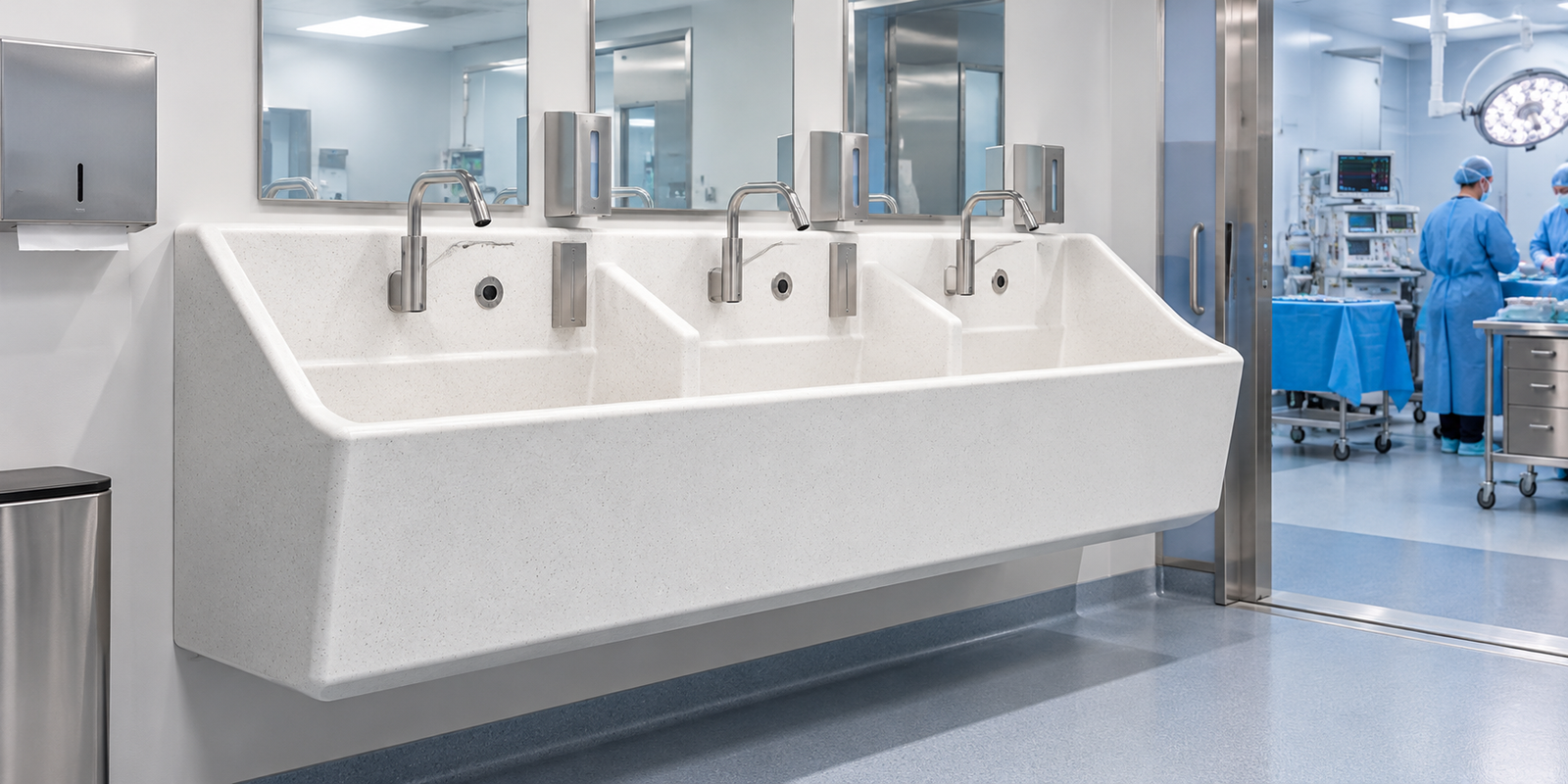
Introduction
Modern hospitals need hygienic, durable, and easy-to-maintain washing facilities to support infection prevention and daily clinical work. Choosing the right sink is especially important in operating theatres, surgical departments, and other controlled healthcare environments. A reliable Solid Surface Hospital Sink Manufacturer can help hospitals and healthcare projects select suitable sink designs based on hygiene requirements, workflow, available space, and installation needs. Whether you are planning a new hospital or upgrading an existing facility, understanding solid surface sink materials, features, and applications can help you make a practical purchasing decision.
Quick Summary: A solid surface hospital sink is a non-porous or low-porosity washing fixture designed for healthcare environments, depending on its material and construction. It can support routine cleaning, efficient workflows, and a seamless appearance. Hospitals, surgical departments, and healthcare project contractors should evaluate material compatibility, basin design, installation requirements, and cleaning procedures before purchasing.
What Is a Solid Surface Hospital Sink?
A solid surface hospital sink is a washing fixture made from engineered solid surface material, commonly based on acrylic or polyester resins combined with mineral fillers. Its smooth appearance and design flexibility make it suitable for selected clinical and healthcare applications.
Unlike conventional stainless steel sinks, solid surface sinks can offer integrated bowls, seamless-looking joints, and customized shapes. Actual performance depends on the material formulation, fabrication quality, and installation method.
A Solid Surface Medical Sink may be designed for general clinical washing, utility areas, or specialized healthcare applications. However, surgical scrub sinks must meet the specific hygiene, usability, and facility requirements of the intended installation.
Why Is It Important?
Hospitals manage demanding cleaning routines, frequent handwashing, and strict infection prevention procedures. Sink design can affect how easily staff clean surrounding surfaces and move through clinical workspaces.
A suitable sink helps healthcare teams maintain organized washing stations and supports established cleaning protocols. In operating theatres, a properly specified scrub sink can provide a dedicated area for surgical hand preparation before procedures.
Material selection matters because healthcare cleaning agents, repeated use, and water exposure can affect surface condition over time. The sink should therefore match the cleaning chemicals, temperature conditions, and usage requirements of its intended environment.
Key Features of Solid Surface Hospital Sinks
When evaluating a Solid Surface Hospital Sink, consider these features:
- Smooth surface: Helps make routine cleaning easier when the material and finish are properly maintained.
- Integrated basin options: Some designs allow the bowl and surrounding worktop to form a continuous-looking surface.
- Custom dimensions: Manufacturers may offer different widths, depths, and configurations to suit project layouts.
- Repairability: Certain solid surface materials can be repaired or refinished when minor scratches occur, subject to manufacturer instructions.
- Design flexibility: Available shapes and finishes can complement modern healthcare interiors.
- Chemical compatibility: The selected material should withstand the cleaning and disinfecting products used by the facility.
- Installation flexibility: Wall-mounted, countertop-integrated, and other configurations may be available depending on the product design.
Benefits of Solid Surface Hospital Sinks
A well-designed solid surface sink can provide several practical advantages:
- Simplified maintenance: Smooth, accessible surfaces can reduce cleaning difficulties when the installation minimizes hard-to-reach joints.
- Consistent appearance: Solid surface finishes can support a coordinated design across clinical rooms.
- Flexible planning: Custom fabrication may help accommodate restricted spaces and project-specific requirements.
- Potential repair savings: Repairable surfaces may reduce the need for complete replacement after certain types of minor damage.
- Improved workflow: Appropriate basin dimensions and placement can make washing stations easier for staff to use.
- Long-term usability: Correct material selection, installation, and maintenance can help preserve performance.
These benefits are not automatic. Hospitals should confirm product specifications and cleaning compatibility before selecting a model.
Applications of Solid Surface Hospital Sinks
Solid surface sinks may be suitable for several healthcare settings, depending on the product’s validated application and local requirements.
- Operating theatres: Selected scrub and handwashing stations.
- Hospitals and clinics: Clinical washing areas and designated hygiene stations.
- Radiology and diagnostic centres: Appropriate staff washing facilities.
- Medical colleges: Teaching hospitals, skills laboratories, and clinical training areas.
- Specialty healthcare centres: Treatment rooms and selected clinical workspaces.
- Hospital construction projects: New installations and renovation projects.
- Healthcare interiors: Projects where integrated basins and coordinated worktops are required.
For CSSD departments, cleanrooms, and other specialized environments, confirm that the sink material and design meet the facility’s process, contamination-control, and cleaning requirements.
How to Choose the Right Solid Surface Hospital Sink Manufacturer
Selecting the right manufacturer or supplier requires more than comparing prices. Use these practical checks before placing an order.
- Check material specifications: Ask for the material composition, surface properties, chemical resistance information, and care instructions.
- Confirm the intended application: Ensure the sink is designed for general clinical washing, surgical scrubbing, or the specific task required.
- Review dimensions and layout: Check basin depth, width, splash protection, tap position, drainage, and staff clearance.
- Evaluate customization: Ask whether the manufacturer can provide suitable sizes, bowl configurations, and mounting options.
- Verify documentation: Request technical drawings, product specifications, warranty terms, and applicable conformity documents.
- Compare total ownership costs: Consider purchase price, installation, maintenance, repair options, and expected service life.
A Solid Surface Surgical Sink Supplier should also clarify installation requirements and whether the proposed model is appropriate for your local healthcare regulations.
Common Mistakes to Avoid
Healthcare buyers can avoid costly problems by watching for these common mistakes:
- Choosing a sink based on appearance without reviewing technical specifications.
- Assuming every solid surface material has the same chemical resistance.
- Selecting a general-purpose basin for surgical scrubbing without confirming suitability.
- Ignoring plumbing access, drainage, splash control, or installation clearances.
- Overlooking compatibility with the hospital’s cleaning and disinfecting products.
- Failing to check warranty coverage, repair procedures, and replacement-part availability.
- Ordering custom dimensions before the final layout and service connections are approved.
Conclusion
Choosing a suitable solid surface hospital sink requires a balance of hygiene, durability, design, and practical maintenance. Hospitals, architects, healthcare consultants, and procurement teams should assess the intended use, material properties, installation requirements, and relevant local standards before finalizing a product.
If you are planning a healthcare project, contact CMP METAL to discuss your hospital sink and stainless steel healthcare equipment requirements. Share your application, preferred dimensions, and project location to help determine a suitable solution.
Frequently Asked Questions
What is a solid surface hospital sink?
A solid surface hospital sink is a healthcare washing fixture made from an engineered material, often combining resin and mineral fillers. Depending on its design, it may feature an integrated basin and smooth surrounding surfaces. Hospitals should check the manufacturer’s technical specifications to confirm suitability for their particular clinical application.
What are the benefits of a solid surface medical sink?
A solid surface medical sink can offer design flexibility, smooth finishes, integrated basin options, and repairability for certain types of surface damage. These characteristics may simplify routine maintenance and support coordinated healthcare interiors. Actual hygiene performance and service life depend on material quality, fabrication, cleaning practices, and proper installation.
Where are solid surface surgical sinks used?
Solid surface surgical sinks may be used in selected operating theatre preparation areas, clinical departments, and healthcare facilities where the material meets the intended requirements. Buyers should distinguish general handwashing sinks from dedicated surgical scrub sinks and confirm that the proposed design satisfies applicable facility protocols and regulations.
How do I choose the right solid surface hospital sink manufacturer?
Review the manufacturer’s material specifications, customization options, technical drawings, installation guidance, warranty, and quality documentation. Confirm that the product is suitable for your intended application and compatible with your cleaning chemicals. Compare the complete cost of ownership rather than selecting a supplier based only on the initial purchase price.
Can solid surface hospital sinks be customized?
Many solid surface sinks can be customized in terms of dimensions, basin configuration, colour, and integration with surrounding worktops. Available options depend on the material and manufacturer’s fabrication capabilities. Before ordering, provide approved drawings, plumbing locations, installation clearances, and the intended use so the proposed design can be evaluated properly.
Which material is best for hospital sinks?
The best material depends on the application. Solid surface may suit projects requiring integrated basins and flexible designs, while stainless steel is widely used where durability, cleanability, and compatibility with demanding clinical environments are priorities. Buyers should compare chemical resistance, repairability, hygiene requirements, cost, and manufacturer guidance before deciding.
What is the difference between a solid surface sink and a stainless steel sink?
Solid surface sinks are made from engineered resin-based materials and can offer integrated designs and repairable finishes. Stainless steel sinks are made from corrosion-resistant steel grades and are widely used in demanding healthcare environments. Neither material is automatically best for every application; suitability depends on cleaning requirements, construction quality, and intended use.
What should hospitals check before buying a surgical scrub sink?
Hospitals should confirm the number of users, basin dimensions, water delivery system, splash control, drainage, installation arrangement, and cleaning requirements. They should also verify that the design meets applicable surgical hand-preparation protocols and local regulations. The manufacturer’s drawings and technical documentation should be reviewed before procurement and installation.