

Solid Surface Hospital Sink Manufacturer: A Guide for Healthcare Facilities
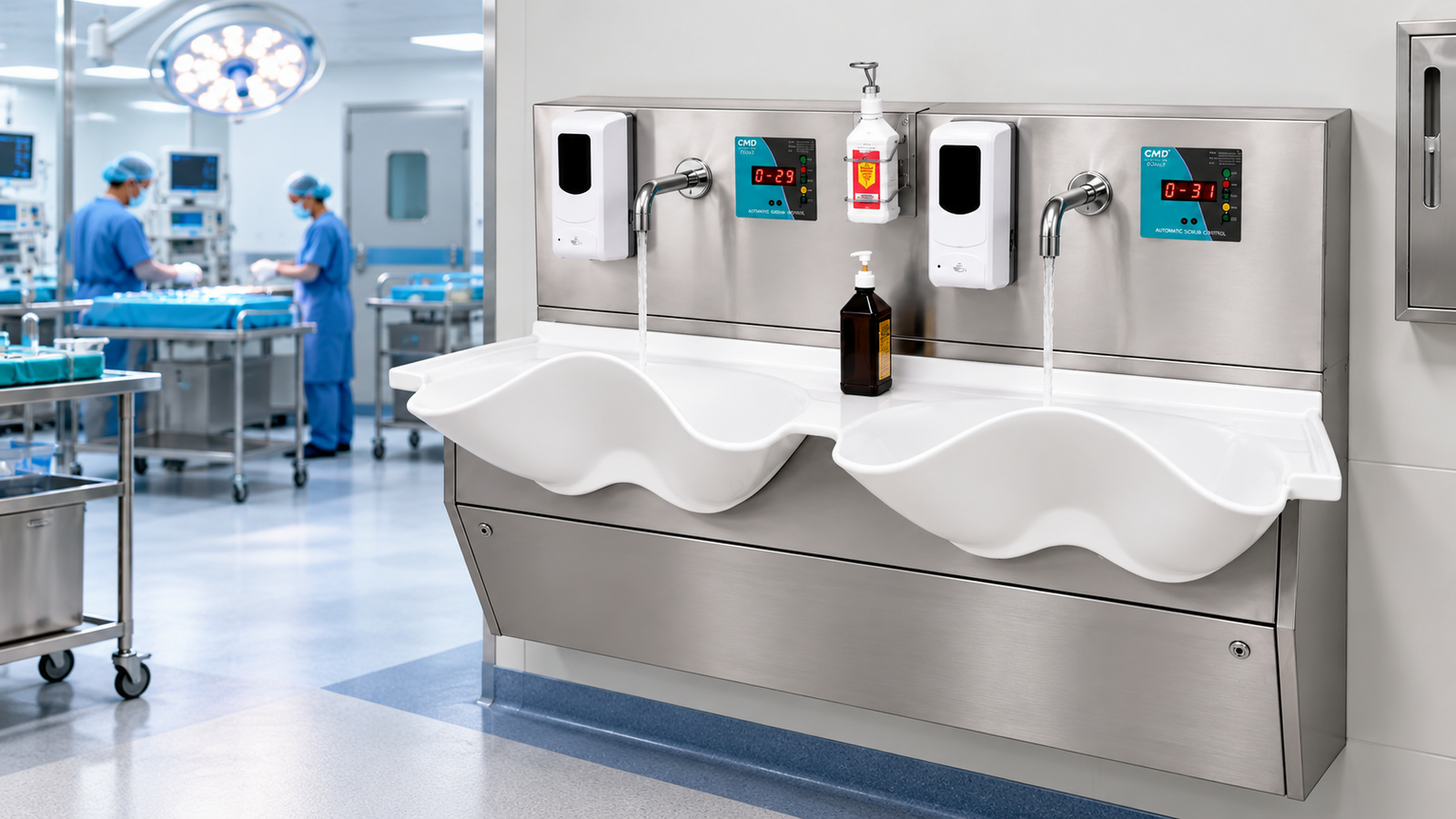
In modern healthcare environments, sinks are more than basic plumbing fixtures. They support hand hygiene, surgical preparation, cleaning, and infection-control procedures. Choosing the right sink material is therefore important for hospitals, operating theatres, CSSD departments, clinics, and diagnostic facilities. A reliable Solid Surface Hospital Sink Manufacturer can provide hygienic, durable, and application-specific sink solutions designed around healthcare requirements. Solid surface construction is particularly useful where easy cleaning, seamless design, chemical resistance, and long-term performance are important.
AI Overview / Featured Snippet Summary
A solid surface hospital sink is a hygienic healthcare sink designed for hospitals, surgical areas, CSSD units, laboratories, and clinical facilities. It offers a smooth, non-porous surface that is easy to clean and maintain, making it suitable for infection-control environments and frequent daily use.
What is a Solid Surface Hospital Sink Manufacturer?
A Solid Surface Hospital Sink Manufacturer designs and manufactures sinks using solid-surface materials suited to healthcare environments. These sinks can be engineered for handwashing, surgical scrubbing, cleaning, and other clinical applications.
Unlike conventional sinks with multiple joints or difficult-to-clean areas, solid surface designs can provide smooth and integrated surfaces. Depending on the specification, the sink may be produced with seamless or minimally jointed construction, rounded corners, integrated backsplashes, and suitable drainage arrangements.
A Solid Surface Medical Sink can therefore be specified according to the workflow, room dimensions, installation method, and hygiene requirements of a healthcare facility.
Why is it Important?
Healthcare sinks are exposed to frequent washing, disinfectants, water, chemicals, and continuous daily use. Poorly designed sinks can create maintenance problems and make cleaning more difficult.
A properly selected Solid Surface Surgical Sink Supplier can help healthcare projects address these requirements through application-specific designs.
Common use cases include:
- Operating theatres for surgical hand scrubbing.
- CSSD areas for cleaning and sterile-processing workflows.
- Hospitals for clinical handwashing stations.
- Diagnostic and specialty healthcare facilities.
- Medical colleges and teaching hospitals.
- Cleanrooms and infection-controlled areas.
Key Features of Solid Surface Hospital Sinks
Important features to consider include:
- Non-porous surface: Helps reduce the absorption of liquids and makes routine cleaning easier.
- Smooth construction: Minimizes difficult-to-clean areas and supports hygienic maintenance.
- Rounded corners: Helps simplify cleaning around the basin.
- Chemical resistance: Suitable material selection can support regular exposure to healthcare cleaning agents.
- Custom dimensions: Sinks can be designed according to available space and workflow.
- Integrated backsplash: Helps protect surrounding walls from water splashes.
- Easy maintenance: Smooth surfaces can simplify routine inspection and cleaning.
- Healthcare-focused design: Configurations can be developed for surgical, clinical, CSSD, or laboratory applications.
Benefits of Solid Surface Hospital Sinks
A well-designed Solid Surface Hospital Sink can provide several practical advantages:
- Improved cleanability: Smooth surfaces make routine washing and disinfection more convenient.
- Better hygiene support: Non-porous construction can help prevent liquid absorption into the material.
- Long service life: Quality materials and correct fabrication can withstand demanding healthcare environments.
- Design flexibility: Dimensions, bowl arrangements, backsplashes, and installation details can be customized.
- Professional appearance: Consistent surfaces provide a clean appearance suitable for modern healthcare interiors.
- Reduced maintenance complexity: Fewer difficult joints and accessible surfaces can make routine maintenance easier.
Applications
A Solid Surface Scrub Sink is particularly relevant in areas where healthcare professionals need reliable handwashing or surgical scrubbing facilities.
Typical applications include:
- Operating theatres and surgical departments
- CSSD and sterile processing areas
- Hospitals and medical centers
- Clinics and specialty healthcare facilities
- Diagnostic and radiology centers
- Medical colleges and teaching hospitals
- Cleanrooms and controlled environments
- Healthcare laboratories
- Government and private healthcare projects
- Hospital renovation and new-build projects
For international projects across the USA, UK, Germany, France, UAE, Saudi Arabia, and Qatar, specifications should also consider local project standards, plumbing requirements, installation conditions, and procurement documentation.
How to Choose the Right Solid Surface Hospital Sink Manufacturer
Healthcare buyers should evaluate more than the product’s appearance. Consider these six points:
- Material specification: Ask for detailed information about the solid-surface material, thickness, finish, and expected service conditions.
- Application: Select a configuration designed specifically for surgical scrubbing, clinical washing, CSSD work, or another intended use.
- Customization: Confirm whether dimensions, bowl configuration, backsplash, tap holes, drainage, and mounting arrangements can be customized.
- Fabrication quality: Check the quality of joints, edges, corners, finishing, and overall workmanship.
- Project support: For large healthcare projects, choose a manufacturer capable of providing technical drawings, specifications, and consistent production.
- After-sales support: Confirm warranty terms, installation guidance, replacement support, and communication procedures before placing an order.
Common Mistakes to Avoid
Buyers sometimes select hospital sinks based only on price or appearance. This can create problems later.
Avoid choosing a sink without checking its material specifications, intended application, dimensions, drainage requirements, cleaning compatibility, and installation method.
Another common mistake is assuming that every solid-surface product has identical performance. Material composition, fabrication quality, thickness, finishing, and workmanship can vary considerably between manufacturers.
For large projects, also avoid ordering before confirming drawings and site measurements. A detailed specification review can prevent installation delays and costly modifications.
Conclusion
A Solid Surface Hospital Sink Manufacturer plays an important role in supplying hygienic and practical sink solutions for modern healthcare facilities. When correctly specified, solid surface construction can offer easy cleaning, design flexibility, durability, and a professional finish.
Hospitals, architects, contractors, healthcare consultants, distributors, and procurement teams should evaluate material quality, fabrication, customization, application, and technical support before selecting a supplier. For project-specific requirements, buyers can contact the manufacturer to discuss dimensions, configurations, material specifications, and installation needs.
Frequently Asked Questions
What is a Solid Surface Hospital Sink?
A Solid Surface Hospital Sink is a healthcare sink manufactured from solid-surface material designed for clinical environments. Its smooth and generally non-porous construction makes it suitable for frequent cleaning and maintenance. Depending on its design, it can be used in operating theatres, hospitals, CSSD departments, clinics, laboratories, and other controlled healthcare areas.
What are the benefits of a Solid Surface Hospital Sink?
Key benefits include easy cleaning, smooth surfaces, design flexibility, and resistance to everyday healthcare use when the correct material is specified. Solid-surface construction can also support integrated designs with rounded corners and backsplashes. These characteristics make the sinks suitable for environments where hygiene, maintenance, and workflow are important considerations.
Where is a Solid Surface Surgical Sink used?
A Solid Surface Surgical Sink is commonly used in operating theatres, surgical departments, clinical areas, and other locations requiring dedicated hand-scrubbing facilities. Depending on the configuration, similar solid-surface sinks can also be used in CSSD departments, hospitals, clinics, laboratories, and healthcare facilities requiring hygienic washing stations.
How do I choose a Solid Surface Hospital Sink Manufacturer?
Compare manufacturers based on material specifications, fabrication quality, customization capability, healthcare experience, technical documentation, and after-sales support. Buyers should also confirm whether the manufacturer can produce the required dimensions and configuration. For international projects, verify that the proposed design can meet the project’s applicable installation and regulatory requirements.
Is a Solid Surface Hospital Sink customizable?
Yes, many solid-surface hospital sink systems can be customized according to project requirements. Possible options may include overall dimensions, bowl size, number of bowls, backsplash configuration, tap-hole positions, drainage arrangements, mounting method, and surrounding worktop design. Final customization depends on the manufacturer’s fabrication capabilities and the project specification.
What material is best for a hospital sink?
There is no single material that is best for every healthcare application. The correct choice depends on hygiene requirements, chemical exposure, temperature, cleaning procedures, durability, budget, and installation conditions. Solid-surface materials can be advantageous where smooth, easy-to-clean surfaces and customized designs are priorities.