Solid Surface Sink: The Complete Guide to Style, Durability & Easy Maintenance

Solid Surface Sink: The Complete Guide to Style, Durability & Easy Maintenance

Solid Surface Sink: The Complete Guide to Style, Durability & Easy Maintenance

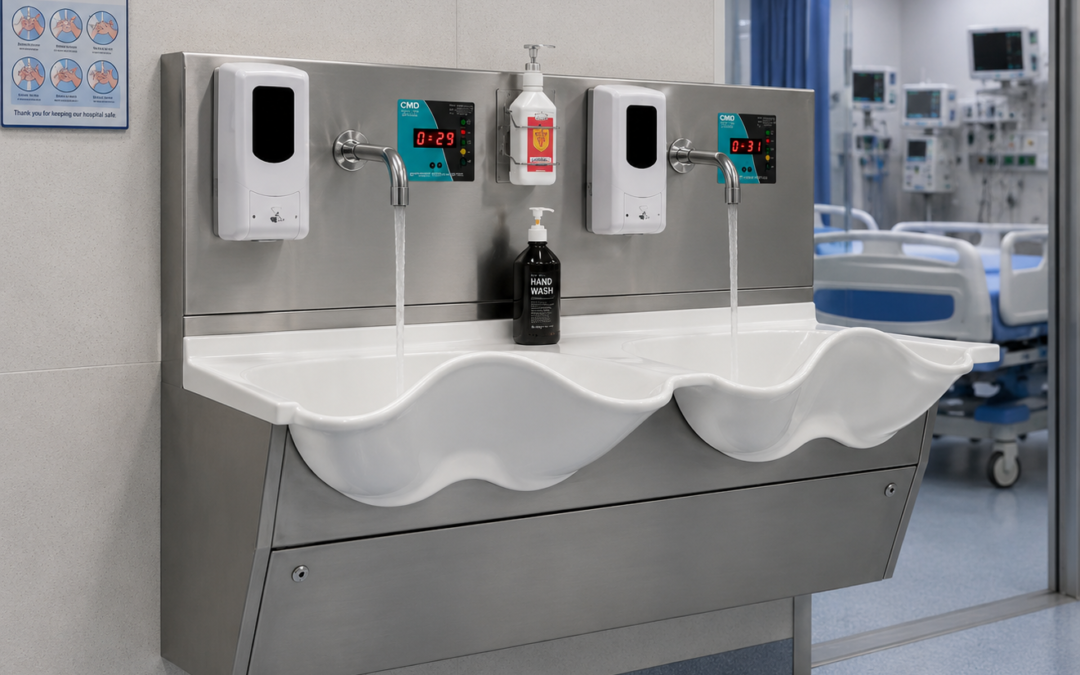
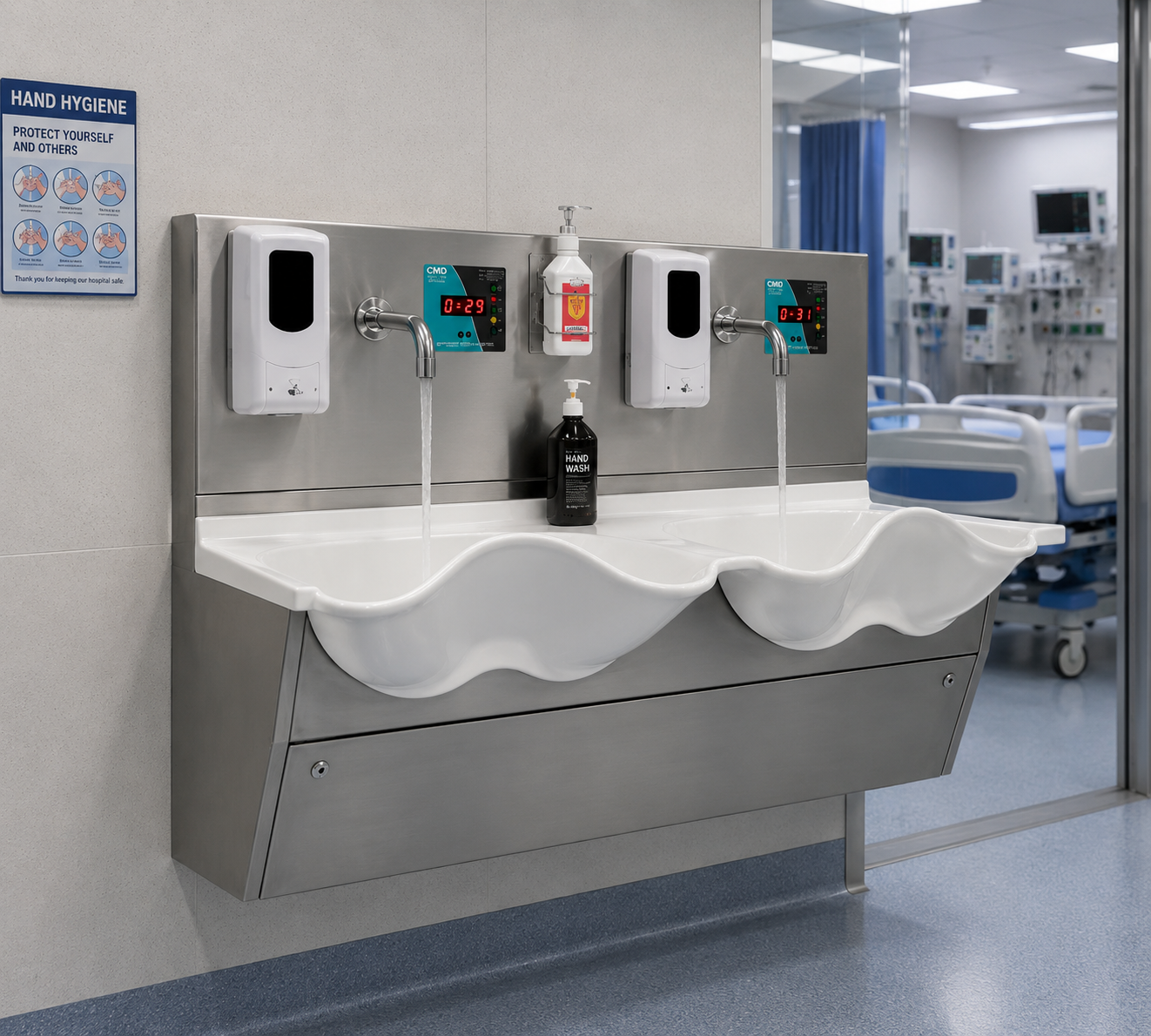
Solid Surface Sink

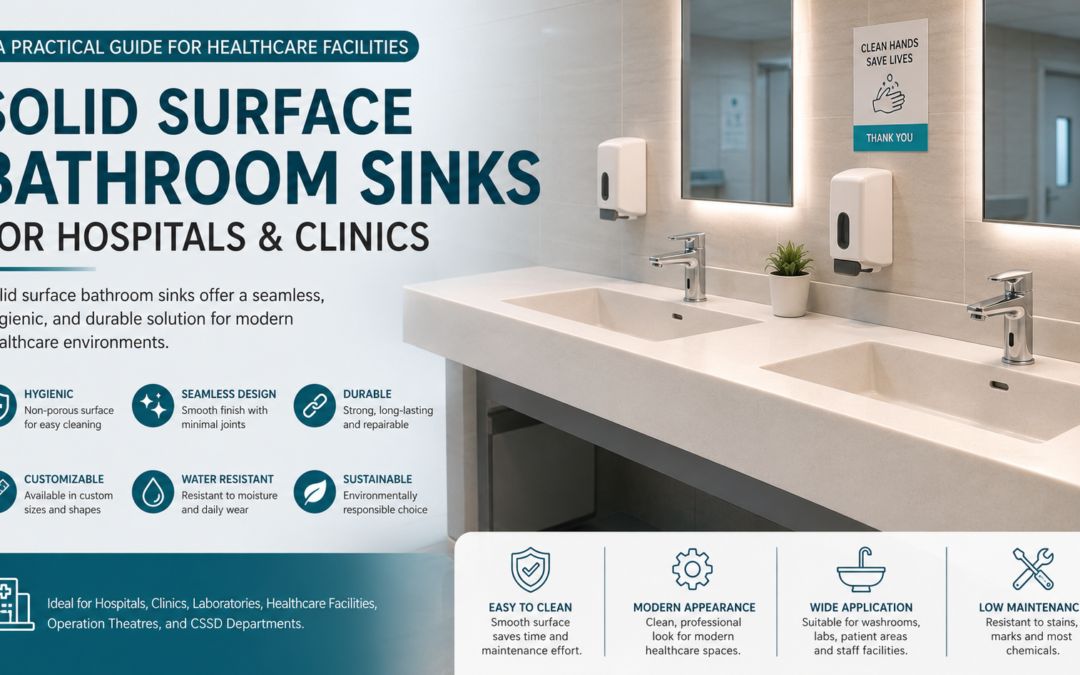
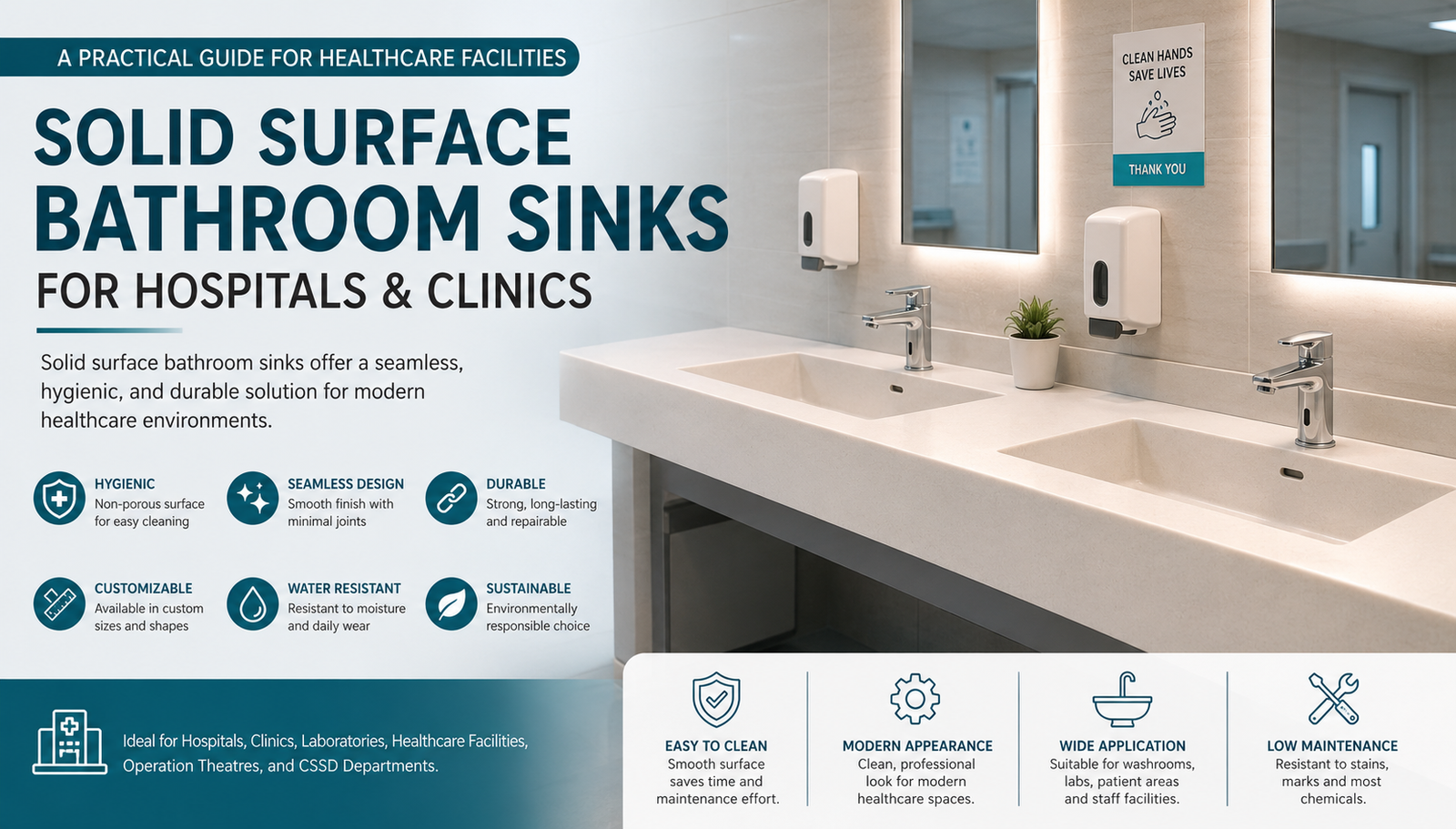
solid surface sink has become one of the most popular choices for modern kitchens, bathrooms, hospitals, laboratories, and commercial spaces. Known for its seamless appearance, exceptional durability, and hygienic surface, it offers an elegant alternative to traditional stainless steel or ceramic sinks.

Unlike conventional sinks that often have visible joints and edges, solid surface sinks are designed to blend perfectly with the countertop. This creates a clean, modern look while making daily cleaning much easier. Whether you’re renovating your home or planning a commercial project, investing in a quality solid surface sink provides long-term value, functionality, and aesthetics.

What is a Solid Surface Sink?

A solid surface sink is manufactured using a blend of natural minerals and high-performance acrylic or polyester resins. The material is non-porous, smooth, and highly resistant to stains, moisture, and bacteria.

One of its biggest advantages is the ability to create a seamless installation with the countertop. Since there are no exposed joints, dirt, food particles, and bacteria have fewer places to accumulate, making the sink both hygienic and visually appealing.

Key Benefits of a Solid Surface Sink

1. Seamless Modern Appearance

The integrated installation gives the countertop and sink a continuous look without visible seams. This minimalist design complements both residential and commercial interiors.

2. Excellent Hygiene

Because the material is non-porous, liquids cannot penetrate the surface. This prevents bacterial growth and makes the sink ideal for kitchens, healthcare environments, and laboratories.

3. Highly Durable

Solid surface materials resist everyday scratches, stains, and impact better than many traditional sink materials. Minor scratches can often be repaired by light sanding, extending the sink’s lifespan.

4. Easy Maintenance

Routine maintenance requires only mild soap, water, and a soft cloth. This simple process keeps the surface looking fresh for years.

5. Wide Range of Designs

Available in various shapes, bowl sizes, and colors, solid surface sinks easily match modern interiors while providing practical functionality.

Popular Types of Solid Surface Sinks

Integrated Solid Surface Sink

An integrated solid surface sink is permanently bonded with the countertop to create a completely seamless surface. This option is popular in luxury homes, hotels, hospitals, and commercial wash areas because it improves both appearance and hygiene.

Solid Surface Trough Sink

solid surface trough sink features an elongated basin designed for multiple users. These sinks are commonly installed in educational institutions, healthcare facilities, airports, shopping malls, and public restrooms.

Solid Surface Double Sink

solid surface double sink offers two separate bowls, making multitasking easier. One bowl can be used for washing dishes while the other is used for rinsing or food preparation.

Solid Surface Sink Bowls

Individual solid surface sink bowls are available in square, rectangular, oval, and custom shapes, allowing complete flexibility during countertop design.

Are Corian Solid Surface Sinks Worth Considering?

Many homeowners and designers choose Corian solid surface sinks because of their premium finish, seamless integration, and long-lasting performance. They are known for consistent quality, attractive designs, and the ability to match various countertop styles.

However, many other reputable manufacturers also produce high-quality solid surface sinks that deliver similar durability and aesthetic appeal.

Where are Solid Surface Sinks Used?

  • Residential kitchens
  • Luxury bathrooms
  • Hotels & resorts
  • Hospitals & healthcare facilities
  • Research laboratories
  • Corporate offices
  • Educational institutions
  • Shopping malls
  • Public washrooms

Cleaning Solid Surface Sinks

Proper cleaning solid surface sinks is simple and helps preserve their appearance for many years.

Daily Cleaning

  • Use warm water and mild dish soap.
  • Wipe with a soft microfiber cloth.
  • Dry the surface after cleaning to prevent water spots.

Removing Tough Stains

  • Use a non-abrasive household cleaner.
  • Gently scrub with a soft sponge.
  • Avoid harsh chemicals and steel wool.

Maintenance Tips

  • Use chopping boards instead of cutting directly on the surface.
  • Avoid placing extremely hot cookware directly inside the sink.
  • Clean spills promptly.
  • Use protective mats for heavy utensils.

How to Choose the Right Solid Surface Sink

  • Select the appropriate bowl size based on daily usage.
  • Consider whether a single or double bowl better suits your needs.
  • Choose colors that complement your countertop.
  • Check installation compatibility.
  • Purchase from trusted manufacturers with reliable warranty support.

Solid Surface Sink vs Stainless Steel Sink

Feature Solid Surface Sink Stainless Steel Sink
Appearance Seamless & modern Visible edges
Hygiene Excellent Very Good
Noise Very quiet Can be noisy
Repairability Minor scratches repairable Difficult
Customization Excellent Limited
Maintenance Easy Easy

Frequently Asked Questions (FAQs)

Are solid surface sinks durable?

Yes. They are designed to withstand daily use, resist stains, and maintain their appearance for many years with proper care.

Can scratches be repaired?

Minor scratches can usually be removed through light sanding or professional refinishing.

Are they hygienic?

Absolutely. Their non-porous surface prevents moisture absorption and bacterial growth, making them suitable for both residential and commercial environments.

Do solid surface sinks require special cleaning products?

No. Mild soap, warm water, and a soft cloth are sufficient for regular maintenance.

Conclusion

solid surface sink combines elegant design, long-lasting durability, and exceptional hygiene in one solution. Whether you choose an integrated solid surface sink, a spacious solid surface trough sink, premium Corian solid surface sinks, or a functional solid surface double sink, you’ll enjoy a product that enhances both appearance and everyday convenience.

With proper installation and regular care, your solid surface sink will continue to provide outstanding performance for years. If you’re looking for a seamless, easy-to-maintain sink that complements modern interiors, a solid surface sink is an excellent investment.

Surgical Tapper Wall Mounted Sink: The Complete Guide for Better Hospital Hygiene

Surgical Tapper Wall Mounted Sink: The Complete Guide for Better Hospital Hygiene

Surgical Tapper Wall Mounted Sink: The Complete Guide for Better Hospital Hygiene

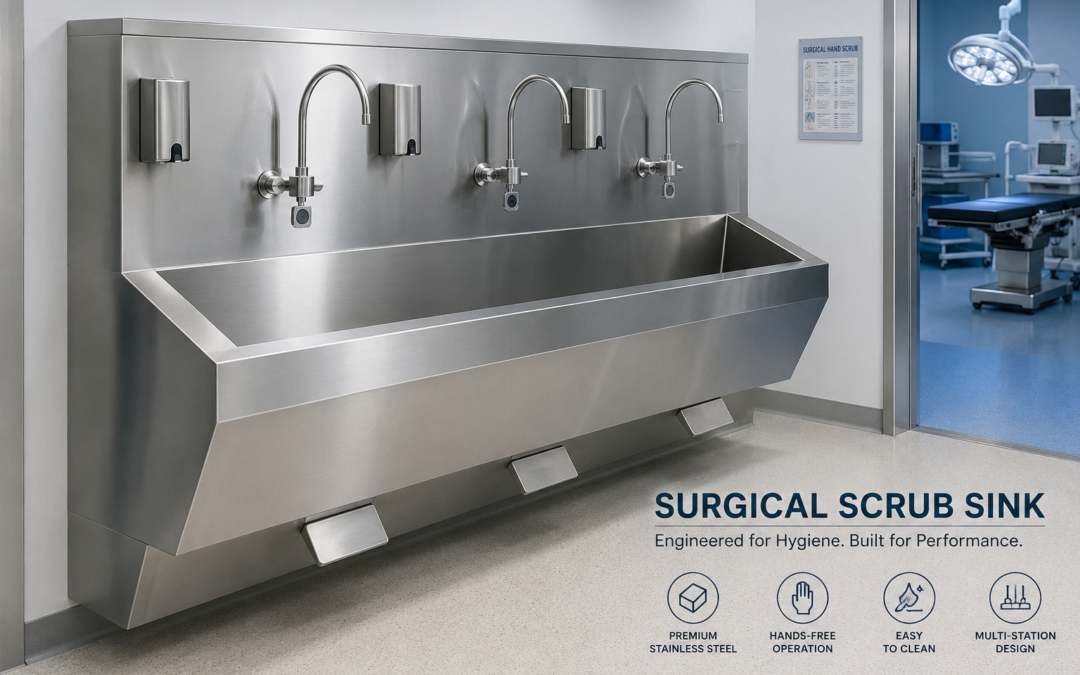
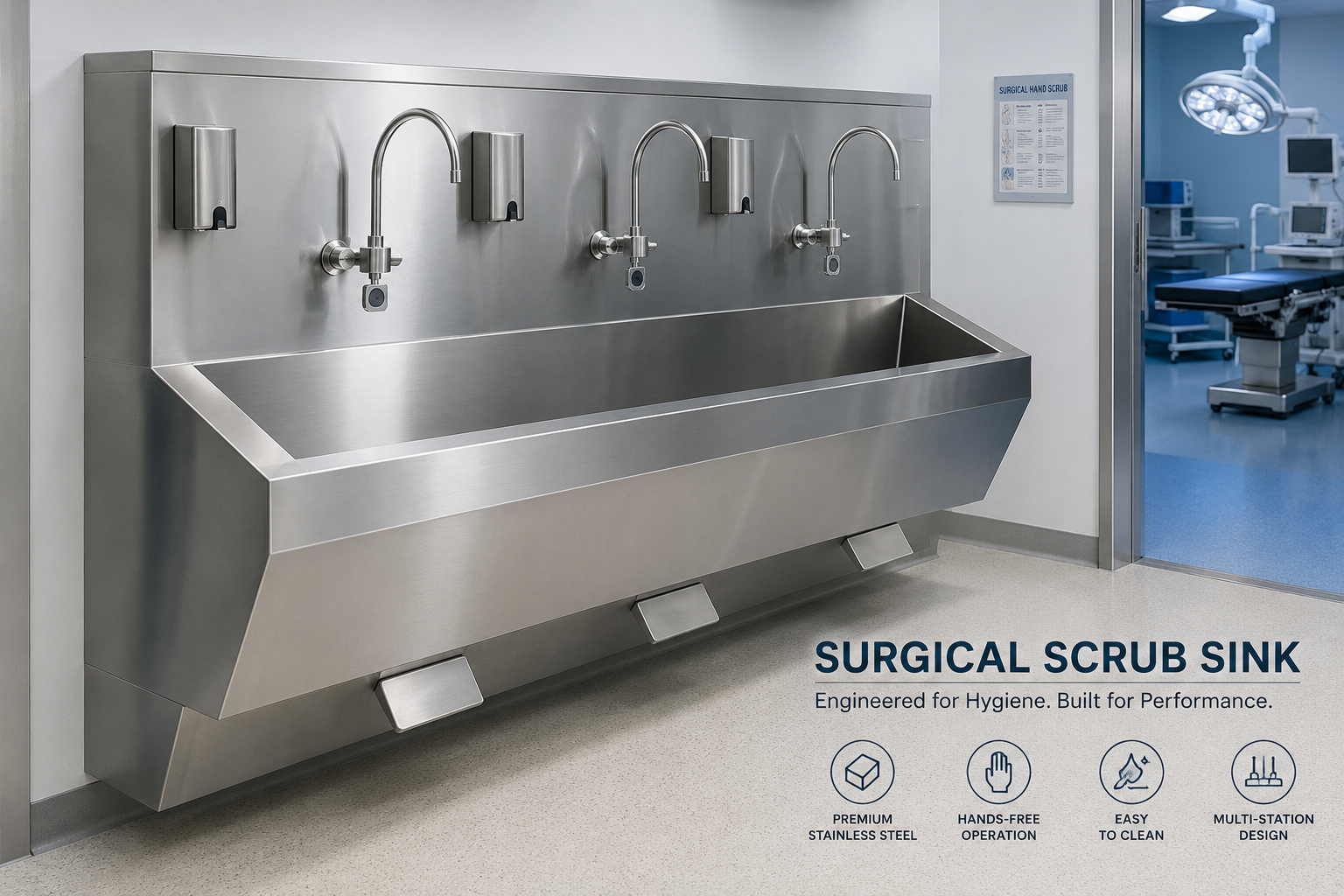
Surgical Tapper Wall Mounted Sink
Hospital hygiene isn’t just about regular cleaning—it’s about preventing infections before they happen. A Surgical Tapper Wall Mounted Sink plays a critical role in maintaining hand hygiene inside operation theatres, surgical departments, and healthcare facilities. Designed for touch-free operation and easy cleaning, these sinks help reduce contamination while improving workflow for medical professionals.

Why Hospital Hygiene Starts with the Right Surgical Tapper Wall Mounted Sink

Every surgical procedure requires proper hand scrubbing before entering a sterile environment. Traditional sinks often require unnecessary hand contact, increasing the risk of cross-contamination. Modern Scrub Sink Station solutions are designed to eliminate these problems with ergonomic construction and hygienic features.

  • Improves infection control
  • Reduces cross-contamination
  • Enhances workflow efficiency
  • Easy to clean and maintain
  • Suitable for modern operation theatres

Common Problems Healthcare Facilities Face

Hospitals and healthcare facilities often experience several issues with outdated handwashing systems.

  • Manual tap operation increases contamination risk.
  • Poor-quality sinks corrode over time.
  • Compact operation theatres require space-saving solutions.
  • Difficult-to-clean surfaces encourage bacterial growth.
  • Low-quality materials increase maintenance costs.

What is a Surgical Tapper Wall Mounted Sink?

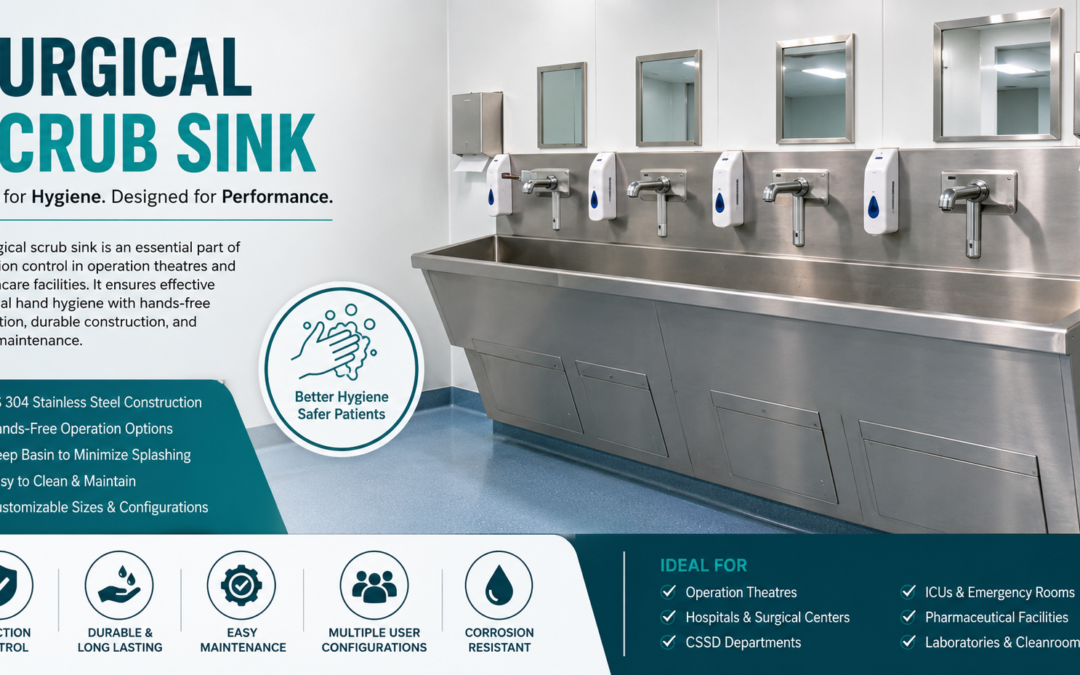
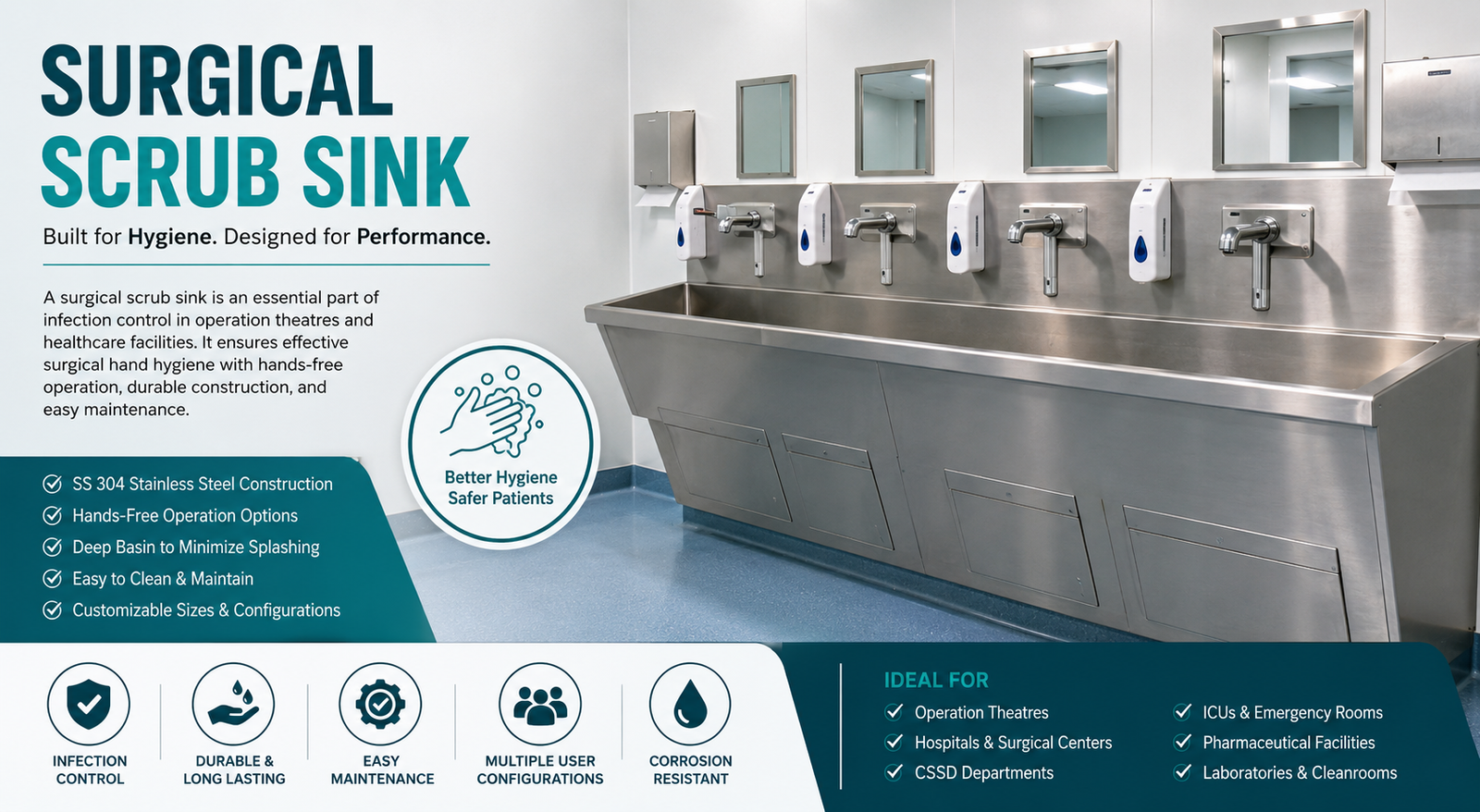
A Surgical Tapper Wall Mounted Sink is a stainless steel wall-mounted hand scrubbing station specifically designed for hospitals, clinics, and operation theatres. It provides a hygienic environment for surgeons and healthcare staff before surgical procedures.

Most modern models include a Surgical Scrub Sink with knee operation, allowing water flow without touching the faucet, significantly reducing the risk of contamination.

Types of Surgical Scrub Sink Stations

Single Station Scrub Sink Station

The Single Station Scrub Sink Station is ideal for clinics, day-care hospitals, and small operation theatres where one healthcare professional performs hand scrubbing at a time.

  • Compact design
  • Easy installation
  • Affordable solution
  • Space-saving wall-mounted construction

Double Station Scrub Sink

Designed for medium-sized hospitals where two users need simultaneous access.

Triple Bay Scrub Sink

The Triple Bay Scrub Sink is suitable for large hospitals and multi-specialty operation theatres. It allows multiple surgeons to scrub simultaneously while improving workflow.

Key Features

  • 304 Grade Stainless Steel Construction
  • Wall Mounted Design
  • Touch-Free Operation
  • Surgical Scrub Sink with knee operation
  • Deep Basin for Splash Prevention
  • Rounded Hygienic Corners
  • Easy Cleaning Surface
  • Long Service Life

Benefits of Installing a Surgical Tapper Wall Mounted Sink

  • Superior infection prevention
  • Improved surgical workflow
  • Space-saving installation
  • Reduced maintenance costs
  • Durable stainless steel construction
  • Professional appearance

Comparison of Different Scrub Sink Stations

Feature Single Station Double Station Triple Bay Scrub Sink
Users 1 2 3
Best For Clinics Medium Hospitals Large Hospitals
Space Required Low Medium High
Workflow Capacity Standard Good Excellent

Step-by-Step Buying Guide

  1. Measure available installation space.
  2. Determine daily surgical staff requirements.
  3. Select the appropriate station size.
  4. Choose knee-operated or sensor-operated controls.
  5. Verify 304 stainless steel construction.
  6. Select trusted Surgical Scrub Sink manufacturers.

Common Mistakes to Avoid

  • Buying residential-grade sinks.
  • Ignoring stainless steel quality.
  • Choosing manual taps for OT use.
  • Not considering future expansion.
  • Ignoring maintenance accessibility.

Expert Tips

Always invest in high-quality stainless steel equipment that complies with hospital hygiene standards. Touch-free operation, seamless construction, and ergonomic design significantly improve infection control and long-term durability.

Conclusion

A Surgical Tapper Wall Mounted Sink is an essential investment for hospitals, operation theatres, and healthcare facilities. Whether you choose a Single Station Scrub Sink Station or a Triple Bay Scrub Sink, selecting the right configuration helps improve hygiene, workflow, and patient safety while ensuring compliance with modern healthcare standards.

Frequently Asked Questions

What is a Surgical Tapper Wall Mounted Sink?

It is a stainless steel wall-mounted scrub sink designed specifically for surgical hand washing in hospitals and operation theatres.

Why choose a Surgical Scrub Sink with knee operation?

Knee-operated controls reduce hand contact and help prevent cross-contamination.

Which material is best?

304-grade stainless steel is preferred due to its corrosion resistance, hygiene, and durability.

Who should use a Triple Bay Scrub Sink?

Large hospitals and multi-specialty operation theatres benefit from Triple Bay Scrub Sink installations.

How do I choose the right Surgical Scrub Sink manufacturers?

Select manufacturers with proven healthcare experience, quality certifications, and medical-grade stainless steel fabrication expertise.

Hospital Furniture Manufacturer in India: Complete Guide for Modern Healthcare Facilities

Hospital Furniture Manufacturer in India: Complete Guide for Modern Healthcare Facilities

Hospital Furniture Manufacturer in India: Complete Guide for Modern Healthcare Facilities

Hospital Furniture Manufacturer in IndiaHealthcare infrastructure is evolving rapidly, and hospitals today need more than basic furniture. They require durable, hygienic, and intelligently designed solutions that improve patient care while supporting healthcare professionals. Choosing the right hospital furniture manufacturer in India can directly impact safety, workflow efficiency, infection control, and long-term operational costs.

From multi-specialty hospitals and clinics to pharmaceutical facilities and cleanrooms, modern healthcare environments depend on high-quality furniture and equipment. This guide explains what to look for when selecting a manufacturer and how to make the right investment for your facility.

Why Hospital Furniture Quality Matters More Than Ever

Healthcare environments operate around the clock. Furniture and equipment face constant use, frequent sanitization, and strict hygiene requirements. Low-quality products often result in rust, maintenance issues, poor performance, and higher replacement costs.

Working with a trusted manufacturer ensures products are designed for demanding healthcare conditions while maintaining safety, comfort, and durability.

  • Improved patient comfort and safety
  • Enhanced infection control
  • Better staff productivity
  • Long-lasting performance
  • Reduced maintenance expenses
  • Compliance with healthcare standards

Common Challenges Healthcare Facilities Face

Many hospitals encounter challenges when sourcing furniture and equipment for healthcare projects.

Poor Material Quality

Substandard materials can corrode quickly, reducing product lifespan and increasing maintenance costs.

Infection Control Concerns

Furniture with poor finishing and difficult-to-clean surfaces can become a breeding ground for bacteria and contaminants.

Limited Customization Options

Every healthcare facility has unique workflow requirements, but many suppliers offer only standard configurations.

Frequent Repairs and Downtime

Inferior manufacturing quality often results in repeated breakdowns, repairs, and operational disruptions.

What Does a Hospital Furniture Manufacturer in India Provide?

A professional manufacturer offers a comprehensive range of healthcare furniture and equipment solutions.

Patient Care Furniture

  • Hospital Beds
  • Examination Tables
  • Bedside Lockers
  • Overbed Tables
  • Wheelchairs
  • Patient Stretchers

Operation Theatre Furniture

  • OT Tables
  • Mayo Trolleys
  • Instrument Trolleys
  • Scrub Sinks
  • Stainless Steel Cabinets

CSSD Equipment Solutions

A trusted CSSD equipment manufacturer supplies specialized equipment that supports sterilization workflows and infection prevention.

  • Instrument Washing Sinks
  • Storage Racks
  • Pass Boxes
  • Workstations
  • Distribution Trolleys

Cleanroom Equipment Solutions

Healthcare and pharmaceutical facilities often work with a leading cleanroom equipment manufacturer India to maintain contamination-controlled environments.

  • Dynamic Pass Boxes
  • Static Pass Boxes
  • Garment Storage Units
  • Cleanroom Benches
  • Material Transfer Systems

Types of Hospital Furniture

Stainless Steel Hospital Furniture

Known for durability, corrosion resistance, easy cleaning, and superior hygiene standards.

Modular Healthcare Furniture

Ideal for hospitals seeking flexibility, efficient space utilization, and modern aesthetics.

ICU Furniture

Designed specifically for critical care environments where accessibility and durability are essential.

CSSD Furniture

Supports sterilization workflows and improves operational efficiency within sterile processing departments.

Pharmaceutical Facility Furniture

Many pharmaceutical equipment manufacturers rely on stainless steel furniture to meet GMP and hygiene requirements.

Key Features to Look For

  • SS 304 or SS 316 Stainless Steel Construction
  • Hygienic and Easy-to-Clean Surfaces
  • Heavy-Duty Structural Strength
  • Custom Manufacturing Capabilities
  • Ergonomic Design
  • Healthcare Industry Compliance
  • Low Maintenance Requirements

Hospital Furniture vs Commercial Furniture

Feature Hospital Furniture Commercial Furniture
Infection Control High Priority Limited Focus
Material Quality Medical Grade General Purpose
Durability Heavy Duty Moderate
Compliance Healthcare Standards General Standards

Step-by-Step Buying Guide

  1. Assess facility requirements and available space.
  2. Define product specifications and material grade.
  3. Review manufacturer experience and project portfolio.
  4. Verify stainless steel quality and fabrication standards.
  5. Evaluate customization options.
  6. Compare after-sales support and warranty coverage.
  7. Consider long-term ownership costs instead of initial price only.

Common Mistakes to Avoid

  • Choosing suppliers based only on price.
  • Ignoring stainless steel grades and specifications.
  • Overlooking future expansion requirements.
  • Skipping quality inspections.
  • Selecting suppliers with limited healthcare experience.

Expert Tips Before You Buy

  • Choose SS 304 or SS 316 materials whenever possible.
  • Prioritize infection-control-friendly designs.
  • Request customized solutions for better workflow efficiency.
  • Standardize equipment across departments.
  • Partner with experienced healthcare manufacturers.
  • Focus on lifecycle value rather than initial cost.

The Growing Demand for Integrated Healthcare Solutions

Today’s healthcare projects often require support from a medical equipment manufacturer India, hospital equipment supplier India, CSSD equipment manufacturer, and cleanroom equipment manufacturer India. Working with experienced partners helps ensure product compatibility, regulatory compliance, and long-term reliability.

Frequently Asked Questions

What is the role of a hospital furniture manufacturer in India?

They design and manufacture furniture and equipment used in hospitals, clinics, laboratories, and pharmaceutical facilities.

Why is stainless steel preferred in healthcare environments?

Stainless steel is hygienic, corrosion-resistant, durable, and easy to sanitize, making it ideal for medical applications.

What products are included in hospital furniture?

Hospital beds, trolleys, lockers, examination tables, scrub sinks, cabinets, and CSSD equipment are commonly included.

What is CSSD equipment?

CSSD equipment supports cleaning, sterilization, storage, and distribution of medical instruments.

How do pharmaceutical equipment manufacturers use healthcare furniture?

They use specialized stainless steel furniture and cleanroom equipment to maintain GMP compliance and contamination control.

How can I choose the right hospital equipment supplier in India?

Evaluate manufacturing experience, product quality, certifications, customization options, and after-sales support.

Conclusion

Choosing the right hospital furniture manufacturer in India is essential for creating a safe, hygienic, and efficient healthcare environment. Whether you are establishing a new hospital, upgrading a CSSD department, expanding a pharmaceutical facility, or developing a cleanroom, investing in quality healthcare furniture delivers long-term value.

Focus on quality materials, expert craftsmanship, customization capabilities, and healthcare industry experience to build a facility that supports both patients and healthcare professionals for years to come.

Scrub Sink: Complete Guide for Hospitals and Operation Theatres
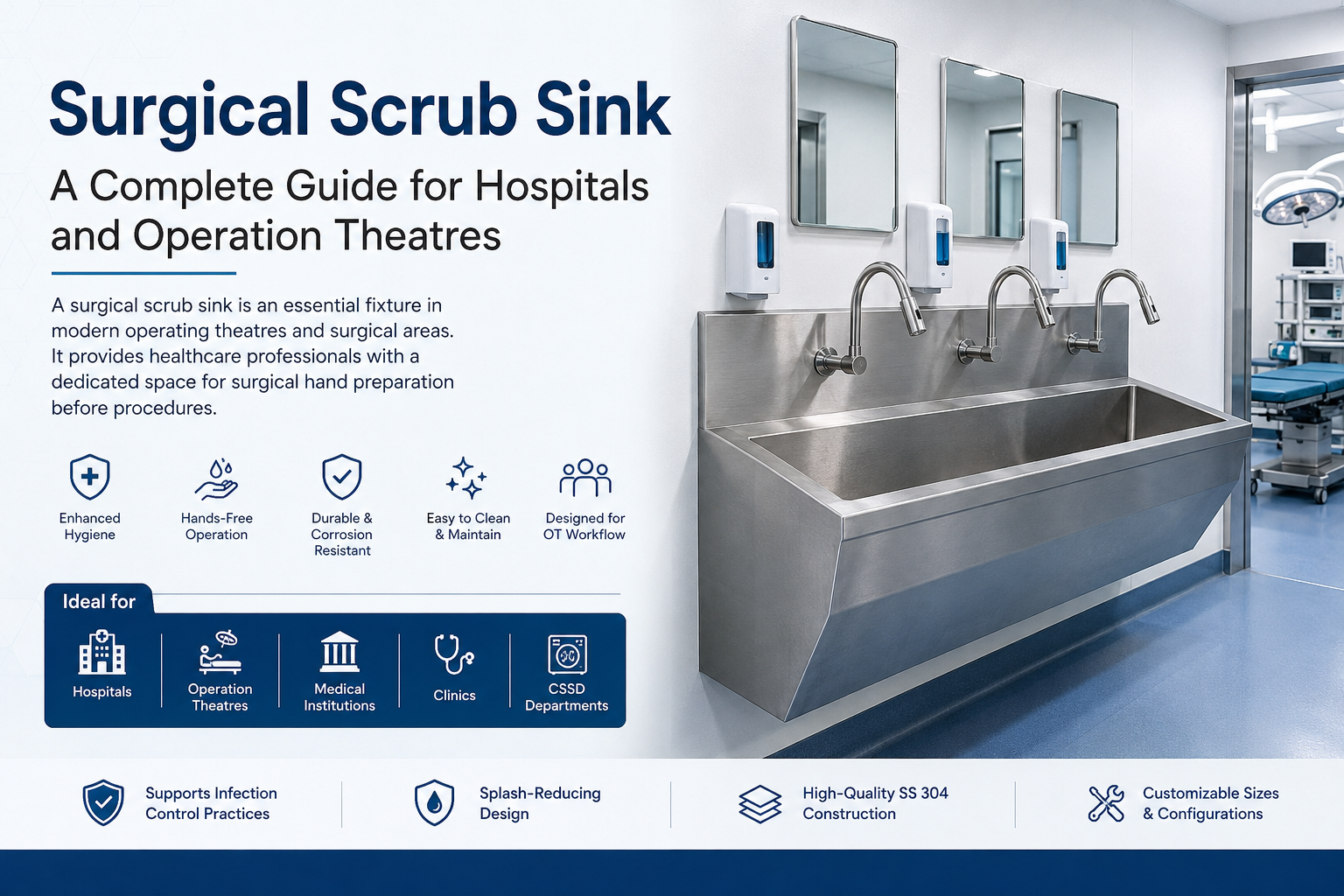
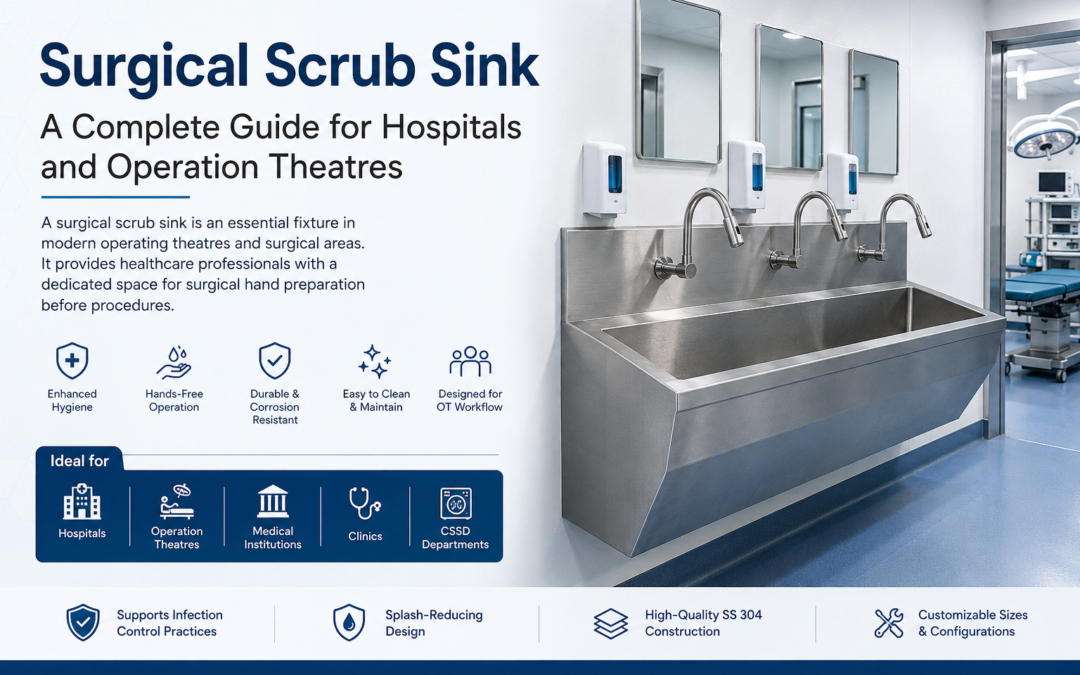
Scrub Sink: Complete Guide for Hospitals and Operation Theatres

Scrub Sink: Complete Guide for Hospitals and Operation Theatres

Introduction

In healthcare environments, maintaining strict hygiene standards is essential. One of the most important pieces of equipment supporting infection control is the scrub sink. Healthcare professionals use scrub sinks before entering sterile areas such as operation theatres to perform thorough hand and arm washing procedures.

A properly designed surgical scrub sink helps reduce the risk of contamination, improves compliance with hygiene protocols, and supports patient safety. Whether you’re building a new healthcare facility or upgrading an existing one, understanding scrub sinks can help you make the right investment.

This guide covers everything you need to know about hospital scrub sinks, including types, features, benefits, buying considerations, and expert recommendations.

Why Is a Scrub Sink Important?

In surgical environments, even minor contamination can lead to serious infections. Traditional handwashing stations are not designed to meet the rigorous standards required in healthcare facilities.

A hospital scrub sink provides:

  • Hands-free operation
  • Easy cleaning and maintenance
  • Controlled water flow
  • Hygienic washing environment
  • Compliance with healthcare regulations

These features make scrub sinks a critical component of infection prevention programs.

Common Challenges Healthcare Facilities Face

Many hospitals and clinics experience hygiene-related challenges due to inadequate handwashing infrastructure.

Common Issues Include:

  • Cross-contamination from manual taps
  • Poor sink design causing water splashing
  • Difficult-to-clean surfaces
  • Inadequate space for multiple users
  • Corrosion in low-quality materials

Installing a high-quality stainless steel scrub sink helps eliminate many of these problems while improving operational efficiency.

What Is a Scrub Sink?

A scrub sink is a specially designed handwashing station used by surgeons, nurses, and healthcare professionals before entering sterile environments.

Unlike standard sinks, a surgical scrub sink is engineered for extended hand and forearm washing procedures and often includes:

  • Sensor-operated faucets
  • Knee-operated controls
  • Foot-operated controls
  • Deep basins
  • Splash protection panels
  • Integrated soap dispensers

These features support proper surgical hand preparation.

Types of Scrub Sinks

1. Single-Station Scrub Sink

Ideal for:

  • Small clinics
  • Dental centers
  • Daycare surgery facilities

Benefits:

  • Space-saving design
  • Cost-effective installation
  • Easy maintenance

2. Double-Station Scrub Sink

Suitable for:

  • Medium-sized hospitals
  • Specialty healthcare centers

Benefits:

  • Supports multiple users
  • Reduces waiting time
  • Improves workflow efficiency

3. Triple-Station Scrub Sink

Recommended for:

  • High-volume operation theatres
  • Multi-specialty hospitals

Benefits:

  • Accommodates multiple surgeons
  • Optimizes pre-surgery preparation
  • Improves operational productivity

4. Sensor-Based Operation Theatre Scrub Sink

An advanced operation theatre scrub sink equipped with touch-free technology.

Benefits:

  • Enhanced hygiene
  • Reduced contamination risk
  • Water conservation

Key Features of a Quality Scrub Sink

Premium Stainless Steel Construction

A durable stainless steel scrub sink offers:

  • Corrosion resistance
  • Long service life
  • Easy cleaning
  • Professional appearance

Seamless Design

Smooth welded surfaces help prevent bacterial growth and simplify sanitation.

Touch-Free Operation

Sensor-based systems reduce contact points and improve infection control.

Deep Bowl Design

Deep basins minimize water splashing and keep surrounding areas dry.

Integrated Accessories

Many modern scrub sinks include:

  • Soap dispensers
  • Hand sanitizer dispensers
  • Brush holders
  • Mirror units
  • LED indicators

Benefits of Installing a Scrub Sink

  • Improved Infection Control: Proper handwashing significantly reduces the spread of harmful microorganisms.
  • Better Compliance: Supports healthcare standards and hospital hygiene protocols.
  • Increased Durability: High-quality stainless steel units withstand continuous use in demanding environments.
  • Enhanced Workflow: Multi-user configurations reduce delays before surgical procedures.
  • Lower Maintenance Costs: Corrosion-resistant materials require less frequent repairs and replacements.

Scrub Sink vs Traditional Handwashing Sink

Feature Scrub Sink Traditional Sink
Designed for Surgical Use Yes No
Touch-Free Operation Yes Limited
Infection Control High Moderate
Stainless Steel Construction Common Varies
Multi-User Capability Available Rare
Healthcare Compliance High Limited

Step-by-Step Buying Guide

Step 1: Assess Facility Requirements

  • Number of operation theatres
  • Daily surgical volume
  • Number of healthcare staff

Step 2: Select Capacity

  • Single station
  • Double station
  • Triple station

Step 3: Evaluate Material Quality

Always prioritize medical-grade stainless steel construction.

Step 4: Consider Automation

Sensor-operated models provide superior hygiene and convenience.

Step 5: Verify Manufacturer Credentials

Choose an experienced surgical scrub sink manufacturer with healthcare industry expertise.

Step 6: Check After-Sales Support

Reliable installation and maintenance services ensure long-term performance.

Common Mistakes to Avoid

  • Choosing low-grade materials
  • Ignoring user capacity requirements
  • Purchasing without hygiene certifications
  • Selecting sinks with difficult-to-clean designs
  • Overlooking future expansion needs
  • Not evaluating supplier experience

Working with an established OT scrub sink manufacturer can help prevent these issues.

Expert Tips for Selecting the Best Scrub Sink

  • Choose SS304 or SS316 stainless steel grades.
  • Prioritize touch-free technology.
  • Focus on ergonomic design.
  • Plan for future hospital expansion.
  • Select a trusted SS scrub sink manufacturer India.

Frequently Asked Questions (FAQs)

What is a scrub sink used for?

A scrub sink is used by surgeons and healthcare professionals for thorough hand and forearm washing before entering sterile surgical environments.

Why are scrub sinks made from stainless steel?

Stainless steel is durable, corrosion-resistant, hygienic, and easy to maintain in healthcare settings.

What is the difference between a scrub sink and a regular sink?

A scrub sink includes touch-free controls, deep bowls, and infection-control features designed specifically for surgical use.

Which material is best for a hospital scrub sink?

SS304 and SS316 stainless steel are considered the best options due to their durability and resistance to corrosion.

Are sensor-operated scrub sinks better?

Yes. Sensor-operated systems reduce physical contact and help minimize cross-contamination.

How many users can a scrub sink accommodate?

Scrub sinks are available in single, double, and triple-station configurations.

How do I choose the right surgical scrub sink manufacturer?

Look for healthcare experience, quality certifications, customization options, and dependable after-sales support.

Conclusion

A scrub sink is an essential component of modern healthcare facilities. Whether you require a hospital scrub sink, surgical scrub sink, or advanced operation theatre scrub sink, selecting the right model helps improve hygiene, support infection control, and enhance operational efficiency.

By understanding the various types, features, benefits, and buying considerations discussed in this guide, hospitals and healthcare facilities can make informed decisions that contribute to safer patient care and long-term reliability.

Portable Wash Basin: Complete Guide to Choosing the Right Solution

Portable Wash Basin: Complete Guide to Choosing the Right Solution

Portable Wash Basin: Complete Guide to Choosing the Right Solution

Portable Wash Basin with Water Tank | CMP METAL
A portable wash basin is an ideal solution for maintaining hygiene in locations where permanent plumbing is unavailable. Whether used in hospitals, clinics, construction sites, schools, salons, or outdoor events, portable wash basins provide a convenient and efficient handwashing solution. Modern units come with advanced features such as water storage tanks, touchless faucets, and wheelchair accessibility to meet various user requirements.

Why a Portable Wash Basin Matters

Proper hand hygiene is essential for preventing contamination and promoting health. However, not every location has access to fixed plumbing systems. A portable wash basin helps solve this challenge by offering a self-contained washing station that can be placed wherever needed.

Common situations where portable wash basins are beneficial include:

  • Temporary medical camps
  • Construction sites
  • Outdoor events and exhibitions
  • Schools and educational institutions
  • Healthcare facilities
  • Residential care environments

Common Problems Users Face

Many organizations struggle with hygiene management due to limited access to water and sanitation facilities. Some common challenges include:

  • Lack of plumbing infrastructure
  • Need for temporary handwashing stations
  • Mobility limitations for elderly or disabled users
  • Hair washing requirements for bedridden patients
  • Maintaining sanitation in outdoor environments

A portable wash basin addresses these challenges effectively while ensuring user convenience and compliance with hygiene standards.

Types of Portable Wash Basin Solutions

Portable Wash Basin with Water Tank

A portable wash basin with water tank includes built-in freshwater and wastewater storage. These units are ideal for locations where direct water supply connections are unavailable.

Suitable for:

  • Construction sites
  • Outdoor events
  • Schools
  • Medical camps

Portable Hand Wash Basin

A portable hand wash basin is designed specifically for hand hygiene and is commonly used in healthcare and food processing environments.

  • Compact design
  • Easy maintenance
  • Improved hygiene control

Portable Sink with Basin

A portable sink with basin offers additional functionality and can be used for washing equipment, utensils, and other items alongside handwashing.

Common applications include:

  • Laboratories
  • Healthcare facilities
  • Catering operations
  • Commercial kitchens

Portable Wash Basin for Washing Hair

A portable wash basin for washing hair is specially designed for salons, nursing homes, and home healthcare environments.

Benefits include:

  • Comfortable hair washing
  • Easy drainage system
  • Reduced water spillage

Portable Wash Basin for Disabled Users

A portable wash basin for disabled individuals includes accessibility-focused features such as wheelchair-friendly designs and ergonomic controls.

  • Improved independence
  • User-friendly operation
  • Enhanced safety and comfort

Key Features to Look For

Water Storage Capacity

Select a model with sufficient freshwater and wastewater tank capacity based on daily usage requirements.

Mobility

Portable units should be easy to move and reposition. Features such as wheels and lightweight construction improve mobility.

Hygiene Features

  • Touchless faucets
  • Soap dispensers
  • Splash guards
  • Antimicrobial surfaces

Durability

Choose units made from durable materials such as stainless steel or heavy-duty polyethylene for long-term performance.

Benefits of Using a Portable Wash Basin

  • Provides handwashing facilities without plumbing
  • Improves hygiene and sanitation
  • Supports infection control measures
  • Cost-effective installation
  • Suitable for multiple industries
  • Easy to relocate when needed
  • Supports accessibility requirements

Portable Wash Basin Comparison

Feature Portable Wash Basin with Water Tank Portable Hand Wash Basin Portable Wash Basin for Disabled
Mobility High High Medium
Water Storage Yes Optional Optional
Accessibility Standard Standard Enhanced
Healthcare Use Excellent Excellent Excellent
Outdoor Use Excellent Good Moderate

Step-by-Step Buying Guide

1. Identify Your Application

Determine whether the unit will be used in healthcare, hospitality, residential, educational, or outdoor environments.

2. Choose the Right Capacity

Select a water tank size suitable for the expected number of users.

3. Consider Accessibility Requirements

If the basin will be used by elderly or disabled individuals, prioritize ergonomic and wheelchair-accessible designs.

4. Evaluate Mobility Features

Look for wheel-mounted units if frequent relocation is required.

5. Review Maintenance Needs

Easy-to-clean designs help maintain hygiene and reduce operating costs.

Common Mistakes to Avoid

  • Choosing insufficient water tank capacity
  • Ignoring accessibility requirements
  • Focusing only on price rather than quality
  • Overlooking maintenance requirements
  • Selecting heavy units without mobility features

Expert Tips

  • Choose touchless operation for better hygiene.
  • Select stainless steel models for healthcare environments.
  • Ensure wastewater capacity exceeds freshwater capacity.
  • Check compliance with local hygiene regulations.
  • Prioritize ease of cleaning and maintenance.
  • Invest in durable materials for long-term reliability.

Conclusion

A portable wash basin offers a practical solution for maintaining hygiene wherever permanent plumbing is unavailable. From a portable wash basin with water tank for outdoor use to a portable hand wash basin for healthcare environments, these units provide flexibility, convenience, and improved sanitation. By understanding your requirements and evaluating key features, you can choose the most suitable portable washing solution for long-term use.

Frequently Asked Questions

What is a portable wash basin?

A portable wash basin is a movable handwashing station designed to operate without permanent plumbing connections.

Does a portable wash basin require plumbing?

No. Most portable wash basins are self-contained and include freshwater and wastewater tanks.

What is a portable wash basin with water tank?

It is a portable washing station equipped with integrated tanks for storing clean and wastewater.

Can a portable wash basin be used for washing hair?

Yes. A portable wash basin for washing hair is commonly used in salons, nursing homes, and home healthcare settings.

Are portable wash basins suitable for disabled users?

Yes. Many models are specifically designed to improve accessibility and ease of use for disabled individuals.

How often should a portable wash basin be cleaned?

Daily cleaning and regular tank sanitization are recommended to maintain hygiene standards.

Where are portable hand wash basins commonly used?

They are widely used in hospitals, clinics, schools, construction sites, food processing facilities, and outdoor events.

Sluice Sink: Complete Guide for Healthcare and Utility Applications

Sluice Sink: Complete Guide for Healthcare and Utility Applications

Sluice Sink: Complete Guide for Healthcare and Utility Applications

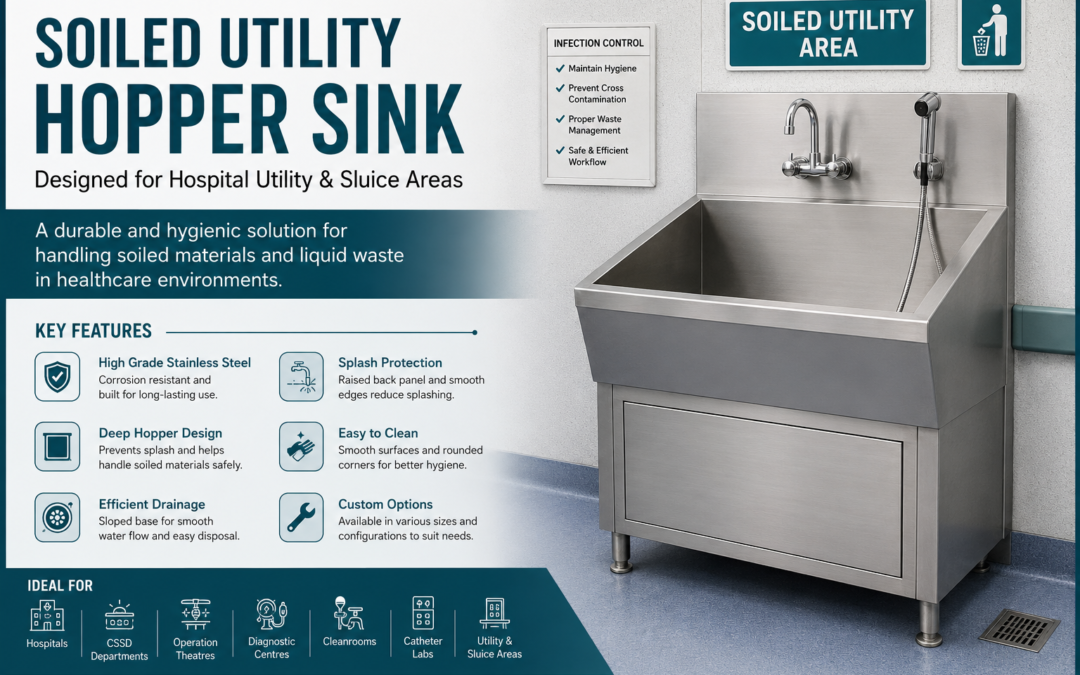
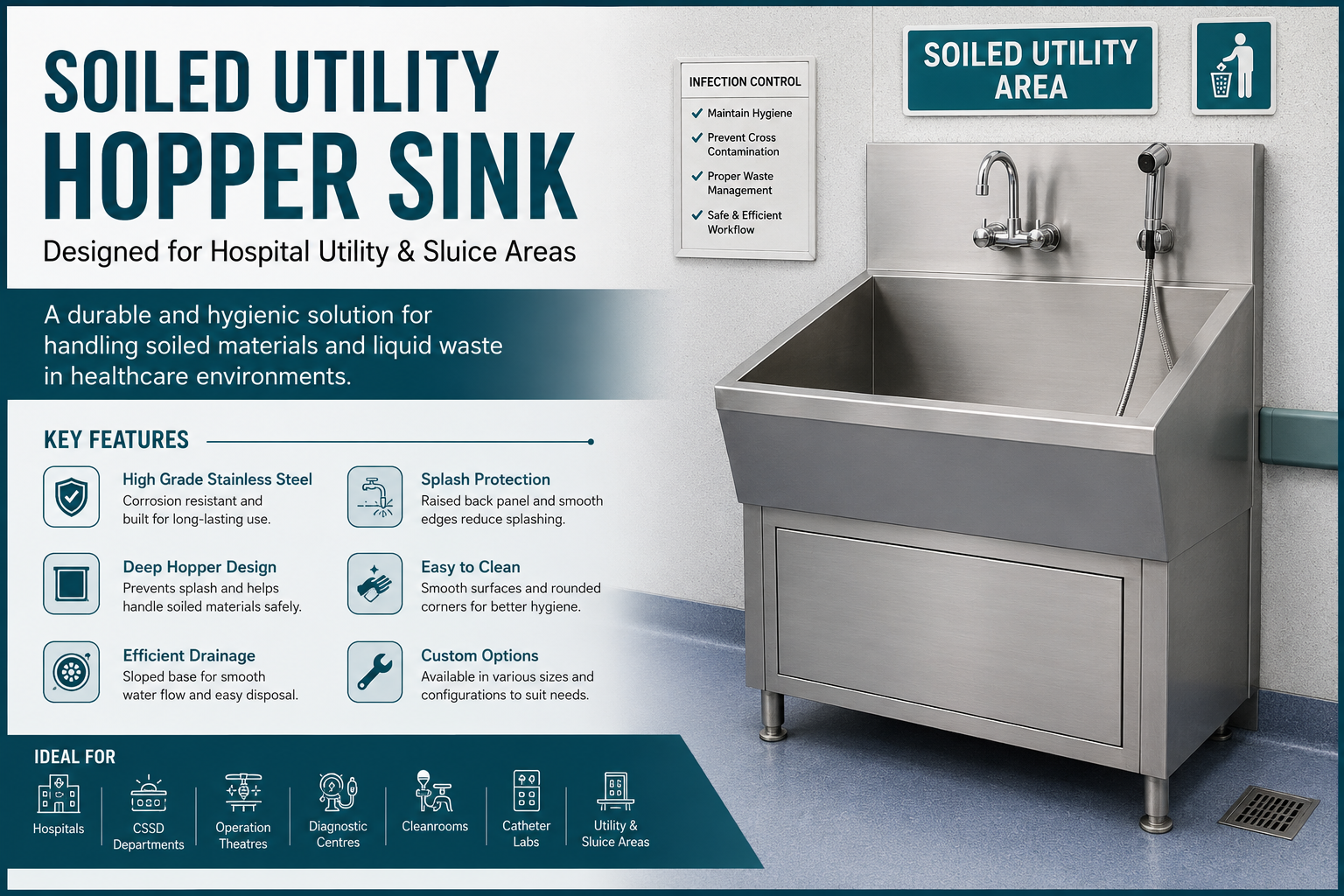
Sluice Sink

Introduction

Maintaining hygiene and preventing contamination are among the biggest challenges in hospitals, nursing homes, healthcare centers, and medical facilities. Every day, healthcare staff handle liquid waste, contaminated materials, and cleaning processes that require specialized equipment designed for safe disposal.

This is where a Sluice Sink becomes an essential part of healthcare infrastructure. Designed specifically for dirty utility rooms and waste disposal areas, these sinks help maintain cleanliness while supporting infection control protocols.

Whether you are planning a new healthcare facility or upgrading an existing utility room, understanding the functionality of a sluice sink can help you make an informed decision. Modern hospital sluice sink systems are designed to improve efficiency, hygiene, and durability while complying with healthcare standards.

Facilities looking for high-quality dirty utility solutions often prefer a professionally designed Sluice Sink that offers reliable performance and long-term durability in demanding healthcare environments.

Common Problems Healthcare Facilities Face

Healthcare environments generate significant amounts of liquid and biological waste every day. Without proper disposal systems, facilities can experience several challenges:

  • Cross-contamination risks
  • Difficult waste management processes
  • Unpleasant odors in utility rooms
  • Frequent maintenance issues
  • Reduced staff efficiency
  • Non-compliance with hygiene regulations
  • Damage caused by harsh cleaning chemicals

Traditional sinks often fail to meet the demanding requirements of healthcare environments. As a result, many facilities invest in specialized medical sluice sink systems designed specifically for contaminated waste handling.

What is a Sluice Sink?

A Sluice Sink is a specialized utility sink primarily installed in hospitals, nursing homes, clinics, and healthcare facilities for the safe disposal of liquid waste and cleaning of medical containers.

Unlike conventional sinks, sluice sinks are engineered to handle contaminated fluids, bedpan cleaning processes, and waste disposal activities. They are commonly installed in dirty utility rooms, making them a critical component of infection prevention systems.

Many modern models combine a sink basin with a hopper design, often referred to as a sluice hopper sink, allowing staff to dispose of waste safely and efficiently.

Types of Sluice Sinks

1. Standard Hospital Sluice Sink

A standard hospital sluice sink is commonly used in healthcare facilities for disposing of contaminated liquids and washing utility equipment.

2. Sluice Sink with Slop Hopper

A sluice sink with slop hopper combines a sink and hopper unit in a single system. It allows easier disposal of waste liquids and improves workflow efficiency.

3. Stainless Steel Sluice Sink

A stainless steel sluice sink offers superior corrosion resistance, durability, and ease of cleaning. Stainless steel construction is preferred because it withstands harsh disinfectants and frequent cleaning cycles.

4. Wall-Mounted Sluice Sink

These models save floor space while maintaining easy access for healthcare staff.

5. Floor-Mounted Utility Sluice Sink

Designed for heavy-duty usage, floor-mounted systems provide excellent stability and accommodate larger waste volumes.

Key Features of a Quality Sluice Sink

  • Heavy-duty stainless steel construction
  • Corrosion-resistant finish
  • Easy-to-clean surfaces
  • Integrated waste disposal system
  • Splash protection design
  • High-capacity drainage system
  • Durable welded construction
  • Compliance with healthcare hygiene standards
  • Long operational lifespan

Benefits of Using a Sluice Sink

Improved Infection Control

Dedicated waste disposal equipment minimizes contamination risks and supports hospital hygiene protocols.

Enhanced Operational Efficiency

Healthcare staff can dispose of waste quickly without disrupting patient care activities.

Easy Maintenance

Smooth stainless steel surfaces make cleaning faster and more effective.

Long-Term Durability

Quality systems can withstand years of intensive daily use.

Regulatory Compliance

Healthcare facilities can better meet infection control and sanitation requirements.

Sluice Sink vs Traditional Utility Sink

Feature Sluice Sink Traditional Utility Sink
Healthcare Waste Disposal Yes Limited
Infection Control Support High Low
Heavy-Duty Usage Excellent Moderate
Medical Applications Designed For It Not Specialized
Cleaning Efficiency High Standard

How to Choose the Right Sluice Sink

  1. Evaluate waste disposal requirements.
  2. Measure available installation space.
  3. Choose stainless steel construction.
  4. Consider hopper integration needs.
  5. Check drainage capacity.
  6. Review maintenance requirements.
  7. Select trusted Sluice Sink Manufacturers with healthcare experience.

Common Mistakes to Avoid

  • Choosing undersized units
  • Ignoring drainage requirements
  • Selecting non-medical-grade materials
  • Overlooking maintenance accessibility
  • Purchasing solely based on price
  • Ignoring future expansion requirements

Expert Tips

  • Always prioritize stainless steel construction.
  • Choose seamless welded designs for easier cleaning.
  • Inspect drainage performance before purchase.
  • Ensure compatibility with existing plumbing systems.
  • Invest in equipment designed specifically for healthcare environments.

FAQ Section

What is a sluice sink used for?

A sluice sink is used for safe disposal of contaminated liquids, cleaning utility equipment, and maintaining hygiene in healthcare facilities.

Why are stainless steel sluice sinks preferred?

Stainless steel offers excellent durability, corrosion resistance, and easy cleaning, making it ideal for healthcare environments.

What is the difference between a sluice sink and a utility sink?

Sluice sinks are specifically designed for healthcare waste management, while utility sinks are general-purpose cleaning fixtures.

Where are sluice room sinks commonly installed?

Sluice room sinks are typically installed in hospitals, clinics, nursing homes, and healthcare facilities.

What is a sluice hopper sink?

A sluice hopper sink combines a sink basin with a hopper unit for efficient disposal of liquid and contaminated waste.

How long does a quality sluice sink last?

A high-quality stainless steel model can provide reliable performance for many years with proper maintenance.

Conclusion

A Sluice Sink plays a vital role in maintaining hygiene, improving infection control, and supporting efficient waste disposal in healthcare environments. From standard hospital installations to advanced sluice sink with slop hopper systems, choosing the right solution can significantly improve operational efficiency and cleanliness. By understanding the available options, key features, and buying considerations, healthcare facilities can invest in equipment that delivers long-term reliability and compliance with modern sanitation standards.