Bed Pan Rack: Essential Hospital Equipment for Hygiene & Infection Control

Bed Pan Rack: Essential Hospital Equipment for Hygiene & Infection Control

Bed Pan Rack: Essential Hospital Equipment for Hygiene & Infection Control

Wall mounted stainless steel bed pan rack for hospital hygiene, infection control, and cleanroom storage

In healthcare environments like hospitals, clinics, and pharmaceutical facilities, maintaining hygiene is not just important—it’s critical. One of the most overlooked yet essential equipment used for sanitation is the bed pan rack. Designed for organized storage and proper drying of bedpans and urinals, this equipment plays a vital role in infection control and operational efficiency.

If you’re planning to upgrade your hospital sanitation system or looking for reliable solutions, understanding the importance of a high-quality bed pan rack is the first step.

What is a Bed Pan Rack?

A bed pan rack is a specialized storage unit used in hospitals and healthcare facilities to hold bedpans and urinal bottles after cleaning. It ensures proper drying, organized storage, and prevents cross-contamination.

These racks are commonly used in:

  • Hospitals
  • Nursing homes
  • Clinics
  • Pharmaceutical cleanrooms
  • Healthcare laboratories

The primary goal of a hospital bed pan rack is to maintain hygiene while improving workflow efficiency for healthcare staff.

Why Bed Pan Racks Are Important in Hospitals

In any healthcare facility, infection control is a top priority. Improper handling or storage of bedpans can lead to serious contamination risks. This is where a stainless steel bed pan rack becomes essential.

1. Prevents Cross-Contamination

After use, bedpans must be properly cleaned and dried. A dedicated rack ensures they are stored separately and hygienically, reducing infection risks.

2. Improves Workflow Efficiency

Healthcare staff can quickly access clean and dry bedpans without searching or handling contaminated items.

3. Supports Cleanroom Standards

In pharmaceutical and sterile environments, organized storage solutions like wall-mounted racks help maintain strict hygiene protocols.

4. Space Optimization

A wall mounted bed pan rack helps save floor space, making it ideal for compact hospital utility areas.

Types of Bed Pan Racks

Depending on the requirements and available space, different types of bed pan racks are used in healthcare setups.

Wall Mounted Bed Pan Rack

This type is fixed on the wall and is ideal for saving space. It allows proper drainage and drying while keeping the floor area clean and accessible.

Floor Standing Bed Pan Rack

These are portable and can be moved as needed. Suitable for larger hospital setups where flexibility is required.

Customized Bed Pan Rack

Some facilities require specific sizes or configurations. A reliable bed pan rack manufacturer India can provide customized solutions based on your needs.

Why Choose Stainless Steel Bed Pan Rack?

Material plays a huge role in the durability and hygiene of hospital equipment. A stainless steel bed pan rack is the most preferred option due to several benefits:

  • Corrosion Resistance: Ideal for wet environments
  • Easy to Clean: Smooth surface ensures easy maintenance
  • Durability: Long-lasting even in heavy usage
  • Hygienic: Non-porous material prevents bacterial growth
  • Professional Appearance: Clean and modern look

Most hospitals prefer 304-grade stainless steel for better strength and hygiene compliance.

Key Features to Look for in a Bed Pan Rack

Before purchasing, it’s important to evaluate the features to ensure you get the best value and performance.

High-Quality Material

Always choose racks made from 304-grade stainless steel for durability and hygiene.

Proper Drainage Design

The design should allow water to drain easily, ensuring faster drying.

Capacity

Select a rack that can accommodate the required number of bedpans and urinals based on your facility size.

Wall-Mounted Design

For space-saving and better organization, wall-mounted options are highly recommended.

Customization Options

A good manufacturer should offer customization based on your specific requirements.

Applications of Bed Pan Racks

The use of bed pan racks is not limited to hospitals. They are widely used across various healthcare sectors:

  • Hospitals and healthcare centers
  • Pharmaceutical industries
  • Cleanroom environments
  • Research laboratories
  • Nursing homes and clinics

In all these environments, hygiene and infection control are critical, making bed pan racks a must-have utility.

How to Choose the Right Bed Pan Rack?

Choosing the right bed pan rack depends on multiple factors. Here’s what you should consider:

1. Space Availability

If your space is limited, go for a wall-mounted bed pan rack.

2. Usage Requirement

For high-traffic hospitals, choose a rack with higher capacity.

3. Material Quality

Always opt for stainless steel to ensure long-term performance.

4. Compliance Standards

Ensure the rack meets healthcare and hygiene standards.

5. Manufacturer Reliability

Working with an experienced bed pan rack manufacturer India ensures better quality and service.

Benefits of Investing in a Quality Bed Pan Rack

Investing in a high-quality bed pan rack offers long-term advantages:

  • Improved hygiene and sanitation
  • Reduced infection risks
  • Better organization in utility areas
  • Enhanced staff efficiency
  • Long-lasting performance

In healthcare, even small improvements in hygiene systems can make a big difference in patient safety.

Why Choose a Reliable Bed Pan Rack Manufacturer in India?

India has become a hub for high-quality hospital equipment manufacturing. Choosing a trusted bed pan rack manufacturer India ensures:

  • High-quality stainless steel fabrication
  • Customization options
  • Affordable pricing
  • Compliance with international standards
  • Reliable after-sales support

Manufacturers like CMP Metal are known for delivering durable and hygienic hospital solutions tailored to modern healthcare needs.

Final Thoughts

A bed pan rack may seem like a small component in a hospital setup, but its role in maintaining hygiene and preventing infections is significant. Whether you are setting up a new facility or upgrading existing equipment, choosing the right rack can improve both efficiency and safety.

From stainless steel bed pan racks to wall mounted bed pan racks, selecting the right design and manufacturer ensures long-term performance and compliance with healthcare standards.

If you’re looking for a reliable solution, explore this high-quality bed pan rack designed specifically for hospital and pharma use.

Invest smartly today to maintain better hygiene, improve workflow, and ensure a safer healthcare environment.

Stainless Steel Slop Hopper: Complete Guide for Hospitals & Cleanroom Hygiene

Stainless Steel Slop Hopper: Complete Guide for Hospitals & Cleanroom Hygiene

Stainless Steel Slop Hopper: Complete Guide for Hospitals & Cleanroom Hygiene

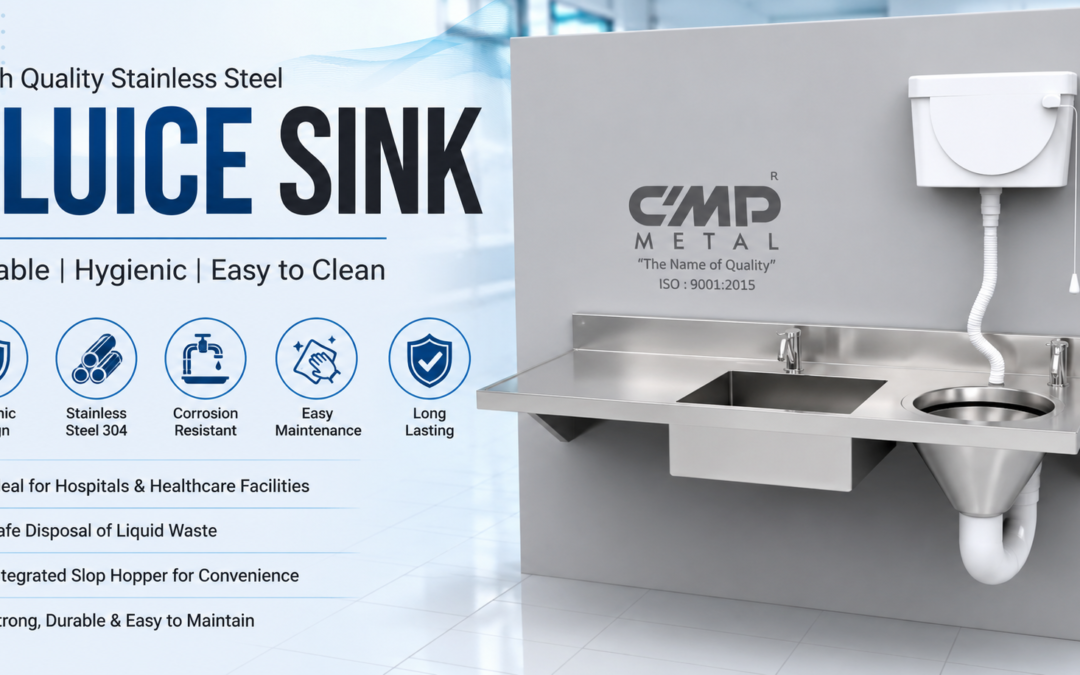
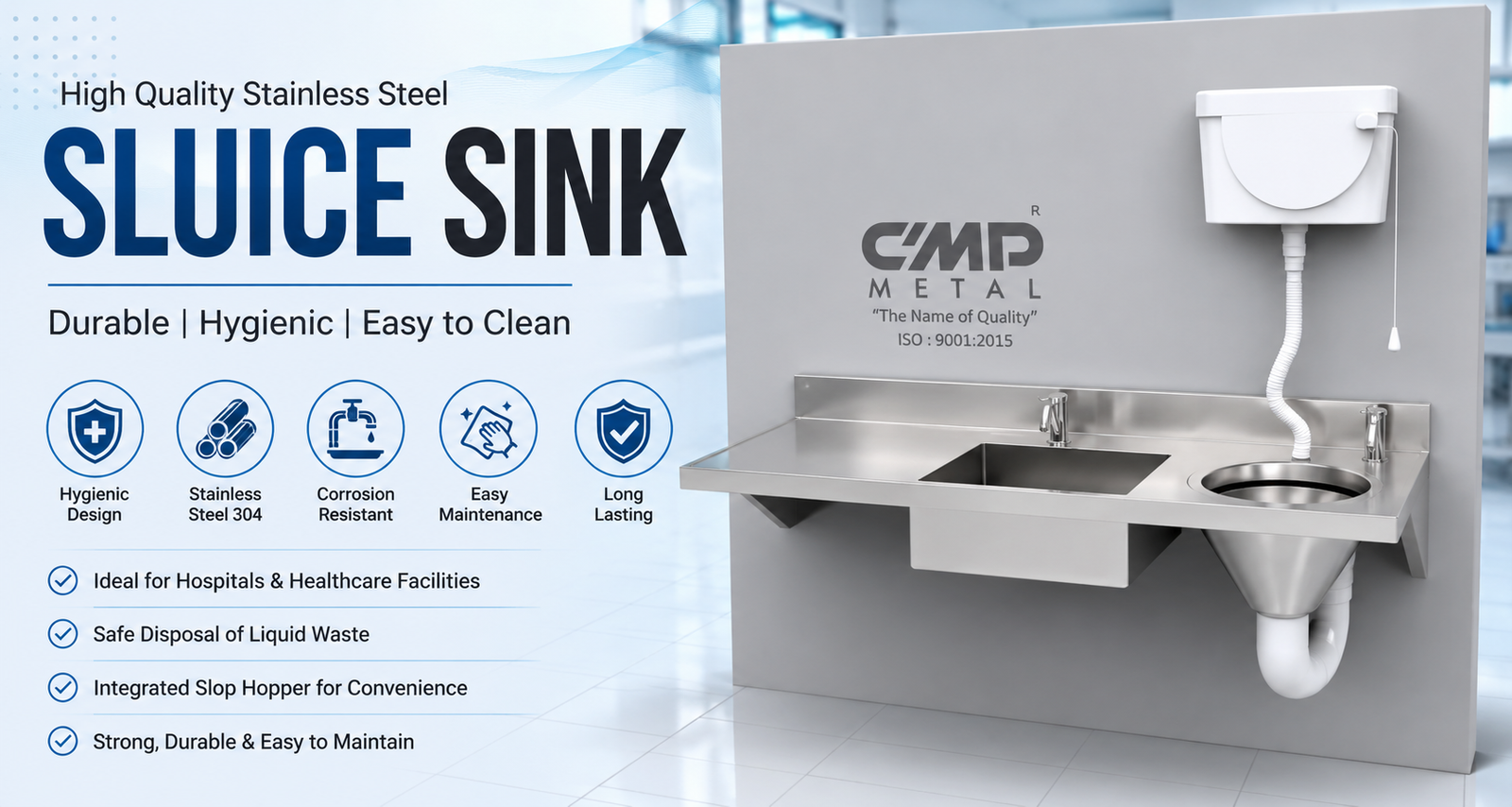
Stainless Steel Slop Hopper for hospital waste disposal and hygiene management in healthcare and industrial environments

In healthcare environments, maintaining hygiene and proper waste disposal is not just important—it is critical. One of the most essential yet often overlooked pieces of equipment used in hospitals and laboratories is the Stainless Steel Slop Hopper. Designed specifically for safe disposal of liquid and semi-liquid waste, this equipment plays a vital role in infection control and sanitation.

Whether you are managing a hospital, laboratory, or pharmaceutical unit, understanding the importance of a slop hopper can help you improve hygiene standards and operational efficiency.

What is a Stainless Steel Slop Hopper?

A Stainless Steel Slop Hopper is a specialized sink used for the disposal of medical waste such as body fluids, cleaning liquids, and contaminated materials. It is commonly installed in hospitals, CSSD departments, laboratories, and cleanrooms.

Unlike standard sinks, slop hoppers are designed with a deep basin, flush system, and drainage mechanism that ensures waste is disposed of safely without contamination risks.

Why Stainless Steel is the Best Material?

When it comes to hygiene-critical environments, stainless steel is the most preferred material. A reliable Hospital Slop Hopper Manufacturer always uses high-grade stainless steel like SS 304 due to its superior properties.

  • Corrosion Resistance: Resistant to chemicals and disinfectants
  • Hygienic Surface: Smooth finish prevents bacterial growth
  • Durability: Long-lasting even in heavy-duty environments
  • Easy Maintenance: Quick cleaning with minimal effort

These benefits make stainless steel slop hoppers ideal for healthcare and pharmaceutical applications.

Applications of Slop Hopper in Hospitals

A Slop Hopper is widely used in various departments where sanitation is crucial. Its role is essential in maintaining cleanliness and infection control.

  • Hospitals & Healthcare Facilities
  • CSSD (Central Sterile Services Department)
  • Laboratories & Research Centers
  • Pharmaceutical Manufacturing Units
  • Cleanroom Environments

In these environments, even a small lapse in hygiene can lead to serious contamination risks. That’s why having a reliable SS Sluice Sink India solution is necessary.

Key Features of a High-Quality Slop Hopper

Not all slop hoppers are the same. Choosing the right one from a trusted Hospital Slop Hopper Manufacturer ensures better performance and safety.

  • Seamless Construction: Prevents dirt accumulation and ensures easy cleaning
  • Flush System: Efficient waste disposal with proper flushing mechanism
  • Wall Mounted or Floor Mounted Options: Flexible installation
  • Integrated Drainage: Smooth and hygienic waste flow
  • Optional Accessories: Jet spray, taps, and flushing systems

These features are designed to improve usability while maintaining strict hygiene standards.

Importance of Infection Control

In hospitals and labs, infection control is a top priority. Improper waste disposal can lead to cross-contamination and the spread of harmful bacteria.

A Stainless Steel Slop Hopper helps in:

  • Safe disposal of contaminated liquids
  • Reducing bacterial spread
  • Maintaining sterile environments
  • Supporting infection control protocols

This is why slop hoppers are considered a mandatory component in modern healthcare infrastructure.

Difference Between Slop Hopper and SS Sluice Sink

Many people confuse a Slop Hopper with an SS Sluice Sink India system. While both serve similar purposes, there are slight differences:

  • Slop Hopper: Primarily used for dumping liquid waste
  • Sluice Sink: Often includes flushing systems and is used for cleaning medical utensils

Both are important, but selecting the right equipment depends on your specific application.

How to Choose the Right Slop Hopper?

Choosing the right slop hopper requires careful consideration. Here are some important factors:

  • Material Quality: Always choose SS 304 or higher
  • Size & Dimensions: Based on usage and space availability
  • Flush Mechanism: Ensure efficient water flow
  • Installation Type: Wall-mounted or floor-mounted
  • Manufacturer Reputation: Go with an experienced Hospital Slop Hopper Manufacturer

Investing in the right product ensures long-term reliability and better hygiene compliance.

Benefits of Using Stainless Steel Slop Hopper

Using a high-quality slop hopper offers multiple advantages for healthcare facilities:

  • Improved sanitation and hygiene
  • Reduced risk of infection
  • Easy cleaning and maintenance
  • Durable and cost-effective solution
  • Compliance with healthcare standards

These benefits make it a must-have for hospitals and cleanroom environments.

Role in Modern Healthcare Infrastructure

As healthcare standards continue to evolve, the demand for hygienic and efficient waste management solutions is increasing. Equipment like Stainless Steel Slop Hopper plays a crucial role in meeting these standards.

From small clinics to large hospitals, the importance of proper waste disposal systems cannot be ignored. It not only improves operational efficiency but also ensures patient and staff safety.

Maintenance Tips for Long-Term Use

To ensure long-lasting performance, proper maintenance is essential:

  • Clean regularly with disinfectants
  • Avoid harsh chemicals that damage the surface
  • Check drainage system periodically
  • Ensure proper flushing functionality

Regular maintenance helps in extending the life of the equipment and maintaining hygiene standards.

Conclusion

A Stainless Steel Slop Hopper is more than just a utility product—it is a critical component in maintaining hygiene and infection control in hospitals, laboratories, and pharmaceutical industries.

Choosing the right product from a trusted Hospital Slop Hopper Manufacturer ensures durability, efficiency, and compliance with healthcare standards. With increasing focus on cleanliness and safety, investing in a high-quality slop hopper is a smart and necessary decision.

Whether you are upgrading your facility or setting up a new one, integrating the right SS Sluice Sink India solution will significantly improve your sanitation system and overall operational efficiency.

Static & Dynamic Pass Box in Cleanrooms: How They Improve Contamination Control

Static & Dynamic Pass Box in Cleanrooms: How They Improve Contamination Control

Static & Dynamic Pass Box in Cleanrooms: How They Improve Contamination Control

Static Dynamic Pass Box Cleanroom Stainless Steel<br />

Maintaining a contamination-free environment is one of the most important requirements in industries such as pharmaceuticals, biotechnology, electronics, and healthcare laboratories. Cleanrooms are designed to control airborne particles and maintain strict hygiene standards, but transferring materials between rooms can create contamination risks.

This is where a Cleanroom Pass Box becomes an essential solution. Pass boxes allow safe transfer of materials between controlled environments without allowing contaminants to enter the cleanroom. These systems act as an intermediate chamber that reduces human movement between clean areas and helps maintain strict contamination control.

Modern cleanroom facilities often use Static and Dynamic Pass Box systems depending on the level of cleanliness required and the operational workflow of the facility.

What is a Cleanroom Pass Box?

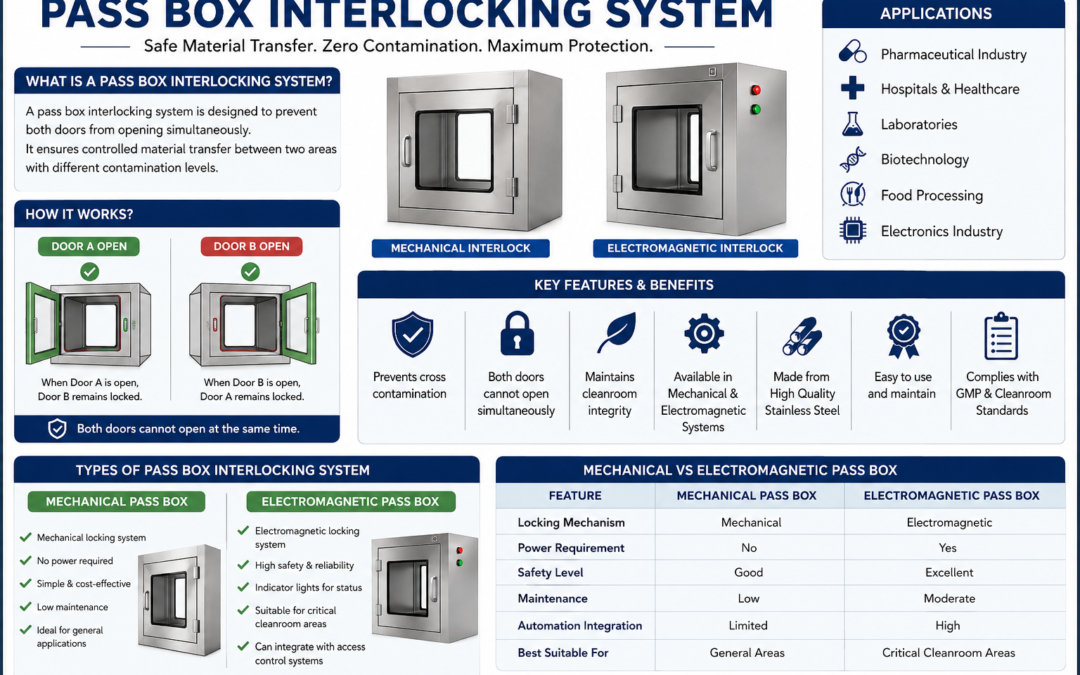
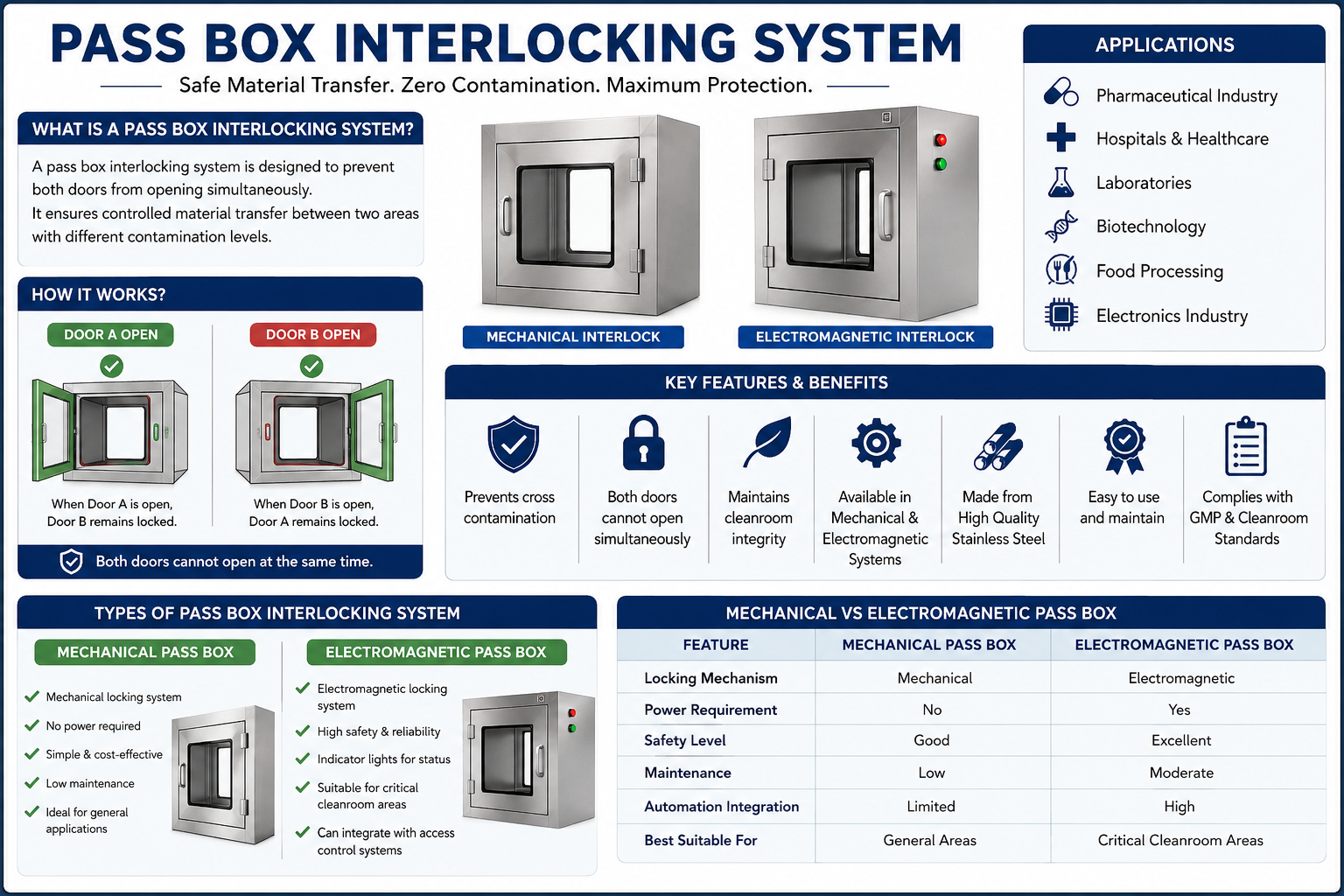
A pass box is a specialized stainless steel enclosure installed between two cleanroom areas. It allows materials, equipment, or documents to be transferred safely between rooms without opening both doors simultaneously.

This simple yet highly effective system prevents cross-contamination while maintaining the cleanroom environment.

Pass boxes are commonly installed in industries such as:

  • Pharmaceutical manufacturing
  • Hospitals and healthcare facilities
  • Biotechnology laboratories
  • Electronics and semiconductor manufacturing
  • Food processing clean zones

By minimizing human traffic inside cleanrooms, pass boxes help maintain strict hygiene and contamination control standards.

Types of Pass Boxes Used in Cleanrooms

Cleanroom facilities typically use two main types of pass boxes depending on operational requirements.

Static Pass Box
A Static Pass Box is installed between two cleanrooms of the same cleanliness level. It does not include air filtration systems and is mainly used to transfer materials between similar clean environments.

Static pass boxes are commonly used in pharmaceutical facilities where materials move between controlled areas with similar air quality standards.

Dynamic Pass Box
A Dynamic Pass Box is designed for environments where air filtration and airflow control are necessary. These systems include HEPA filters and controlled airflow to remove airborne contaminants during material transfer.

Dynamic pass boxes are often used between clean and less-clean areas to prevent contamination.

Both systems play an important role in maintaining cleanroom integrity.

How Pass Boxes Improve Cleanroom Efficiency

Cleanroom operations require strict protocols to maintain air purity and prevent contamination. Pass boxes help improve efficiency by allowing materials to be transferred without requiring staff to move between rooms.

This process offers several advantages:

Reduced Contamination Risk
By eliminating unnecessary human movement, pass boxes significantly reduce the risk of contaminants entering cleanroom environments.

Improved Workflow
Material transfer becomes faster and more organized, improving operational efficiency.

Better Cleanroom Compliance
Pass boxes help facilities maintain regulatory compliance required in pharmaceutical and medical industries.

Increased Safety
Interlocking door systems ensure that both doors cannot be opened at the same time, preventing contamination.

These benefits make cleanroom pass boxes essential equipment for controlled environments.

Key Features of Static and Dynamic Pass Boxes

High-quality pass boxes are designed to meet strict industry standards and ensure reliable performance in cleanroom environments.

Important features include:

Stainless Steel Construction
Most pass boxes are manufactured using SS304 stainless steel, which provides durability, corrosion resistance, and easy cleaning.

Interlocking Door Mechanism
Mechanical or electronic interlocking systems prevent both doors from opening simultaneously.

UV Sterilization
Some pass boxes include UV lights that help disinfect materials before transfer.

Glass Viewing Window
Transparent viewing panels allow operators to monitor the transfer process.

HEPA Filtration (Dynamic Models)
Dynamic pass boxes include HEPA filters that remove airborne particles and maintain clean airflow.

These features ensure that pass boxes perform effectively in contamination-controlled environments.

Applications of Pass Boxes in Different Industries

Pass boxes are widely used in industries where contamination control is critical.

Pharmaceutical Industry
Used for transferring raw materials, packaging components, and equipment between production zones.

Hospitals and Healthcare Facilities
Used in sterile areas such as operation theatres and laboratories.

Biotechnology Laboratories
Helps maintain contamination-free environments required for research and testing.

Electronics Manufacturing
Used in semiconductor production where even microscopic contamination can affect product performance.

Food Processing Cleanrooms
Used for transferring ingredients and tools while maintaining hygiene standards.

Because of their versatility, pass boxes are an important part of modern cleanroom infrastructure.

Choosing the Right Pass Box for Your Facility

Selecting the right pass box depends on the cleanliness requirements of the facility.

Factors to consider include:

Cleanroom Classification
Facilities with strict air purity standards may require dynamic pass boxes with HEPA filtration.

Material Construction
Stainless steel models provide better durability and hygiene.

Door Interlocking System
Reliable interlocking systems help prevent accidental contamination.

Custom Size Requirements
Different industries may require customized pass box dimensions depending on operational needs.

Choosing the right equipment ensures efficient material transfer and contamination control.

Conclusion

Cleanroom environments require strict contamination control to ensure product quality and safety. Material transfer between rooms is one of the most sensitive processes in controlled environments.

Installing reliable Static and Dynamic Pass Box systems helps industries maintain cleanroom integrity while improving operational efficiency.

High-quality pass boxes provide safe material transfer, reduce contamination risks, and support regulatory compliance in pharmaceutical, healthcare, and laboratory environments.

Manufacturers like CMP METAL design durable stainless steel cleanroom pass boxes that meet the needs of modern industries. Their solutions are engineered for reliability, safety, and long-term performance in controlled environments.

Instrument Washing Sink with Cabinet for Hospitals: Features, Uses and Benefits

Instrument Washing Sink with Cabinet for Hospitals: Features, Uses and Benefits

Instrument Washing Sink with Cabinet for Hospitals: Features, Uses and Benefits

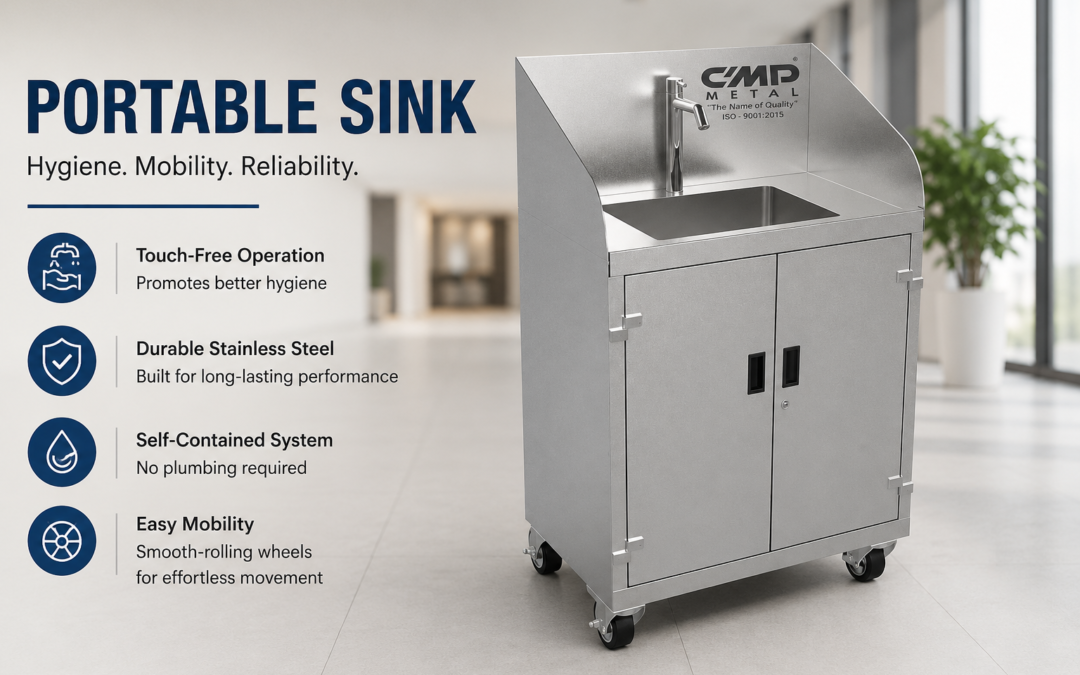
Stainless Steel Instrument Washing Sink With Cabinet for Hospitals

In modern healthcare facilities, maintaining strict hygiene and infection control standards is extremely important. Hospitals, laboratories, and CSSD departments handle surgical instruments that must be cleaned thoroughly before sterilization. Without proper cleaning, even the most advanced sterilization equipment cannot ensure complete safety.

This is why a Hospital Instrument Washing Sink plays a crucial role in healthcare environments. It provides a dedicated space for washing and disinfecting medical instruments before they move to the sterilization stage. A well-designed washing sink improves workflow efficiency, prevents contamination, and supports infection control protocols in hospitals. An Instrument Washing Sink With Cabinet further enhances functionality by providing organized storage for cleaning supplies, tools, and disinfectants. This combination of washing station and storage unit makes it an ideal solution for CSSD departments and healthcare laboratories.

Importance of Proper Instrument Cleaning in Hospitals

Surgical instruments are used in highly sensitive medical procedures. After use, they often contain blood residues, tissue particles, and microorganisms. If these contaminants are not removed properly, they may compromise the sterilization process.

Instrument cleaning is therefore the first and most important step before sterilization.

Healthcare facilities follow a multi-stage process that includes:

  • Pre-cleaning of instruments
  • Washing and rinsing
  • Disinfection
  • Sterilization

A well-designed washing sink ensures that the cleaning process is efficient and organized. It also reduces the risk of contamination within hospital environments.

In departments such as CSSD, where hundreds of surgical instruments are processed daily, proper washing infrastructure becomes essential for maintaining operational efficiency.

What is an Instrument Washing Sink With Cabinet?

An instrument washing sink is a specialized stainless steel sink designed for cleaning medical instruments in hospitals and laboratories. Unlike ordinary sinks, these units are engineered specifically for healthcare environments.

The Instrument Washing Sink With Cabinet combines washing compartments with storage space beneath the sink. This allows hospitals to store cleaning equipment, detergents, disinfectants, and other accessories in one convenient location.

These sinks are commonly installed in:

  • CSSD departments
  • Hospitals and clinics
  • Pharmaceutical laboratories
  • Diagnostic centers
  • Biotechnology research labs

Their ergonomic design allows healthcare professionals to wash instruments comfortably while maintaining a clean and organized workspace.

Key Features of Stainless Steel Instrument Washing Sinks

Hospital washing sinks must meet strict hygiene and durability standards. Most high-quality sinks are manufactured using stainless steel to ensure long-term performance.

Stainless Steel Construction

Most hospital sinks are made from SS304 stainless steel, which offers excellent resistance to corrosion, chemicals, and continuous exposure to water.

Multiple Washing Compartments

These sinks often include two or more washing sections, allowing staff to perform different cleaning stages such as washing, rinsing, and disinfecting.

Raised Edges for Spill Prevention

Raised edges around the sink prevent water and cleaning chemicals from spilling outside the workstation.

Flexible Faucet and Spray Gun

Flexible taps and spray guns help healthcare workers clean instruments thoroughly, even in hard-to-reach areas.

Storage Cabinet

The cabinet section beneath the sink provides additional storage space for cleaning accessories and hospital equipment.

Adjustable Height Legs

Adjustable legs allow proper leveling of the sink, ensuring stability on uneven floors.

These features make the Medical Instrument Cleaning Sink highly efficient for hospitals and laboratories that require strict hygiene standards.

Benefits of Using an Instrument Washing Sink

Installing a professional instrument washing sink provides multiple benefits for healthcare facilities.

Improved Infection Control

Proper washing helps remove contaminants before sterilization, reducing the risk of infection.

Efficient Workflow

Multiple washing compartments allow healthcare staff to clean instruments faster and more efficiently.

Organized Workspace

Cabinet storage helps maintain a clean and clutter-free working environment.

Long-Term Durability

Stainless steel construction ensures resistance to rust, chemicals, and heavy daily usage.

Easy Maintenance

Smooth stainless steel surfaces are easy to clean and disinfect, making them ideal for healthcare environments.

These advantages make the CSSD Instrument Washing Sink an essential part of hospital infrastructure.

Applications of Instrument Washing Sinks

Instrument washing sinks are used across various healthcare and pharmaceutical sectors where cleanliness and sterilization are critical.

Hospitals

Hospitals use washing sinks in CSSD departments to clean surgical instruments before sterilization.

Pharmaceutical Industry

Pharmaceutical companies require hygienic equipment to maintain contamination-free production environments.

Laboratories

Research laboratories use these sinks to clean sensitive instruments and lab equipment.

Diagnostic Centers

Diagnostic facilities require proper cleaning systems for testing instruments and tools.

Medical Research Facilities

These sinks help maintain sterile working environments required for medical research and testing.

Due to their durability and hygiene benefits, stainless steel washing sinks are widely used across healthcare industries.

Factors to Consider When Choosing an Instrument Washing Sink

Material Quality

Always choose sinks made from SS304 stainless steel for durability and corrosion resistance.

Number of Compartments

Hospitals processing a large number of instruments may require sinks with multiple washing sections.

Storage Requirements

Cabinet storage helps keep cleaning tools and accessories organized.

Drainage Design

Proper drainage prevents water accumulation and improves cleaning efficiency.

Ergonomic Design

Comfortable working height ensures better productivity for hospital staff.

Choosing the right washing sink helps hospitals maintain efficiency and hygiene standards.

Maintenance Tips for Long-Lasting Performance

  • Clean the sink daily with non-corrosive cleaners
  • Rinse thoroughly after each cleaning cycle
  • Check drainage systems regularly
  • Inspect faucets and spray guns for leaks
  • Avoid harsh abrasive chemicals

Proper maintenance helps extend the life of the equipment and ensures consistent performance.

Conclusion

Efficient cleaning of surgical instruments is a critical step in maintaining hygiene and infection control in hospitals and laboratories. A well-designed washing station improves workflow, prevents contamination, and supports the sterilization process.

A high-quality Stainless Steel Instrument Washing Sink provides durability, hygiene, and efficiency for healthcare environments. With features like multiple washing compartments, flexible faucets, and integrated storage cabinets, these sinks are essential for CSSD departments and medical laboratories.

Trusted manufacturers such as CMP METAL design and manufacture advanced hospital furniture and CSSD equipment that meet modern healthcare standards. Their instrument washing sinks combine strong stainless steel construction with practical design, making them a reliable solution for hospitals, pharmaceutical companies, and healthcare facilities that prioritize safety and efficiency.

Hospital Furniture Manufacturer: How to Choose the Right Stainless-Steel Solutions for Modern Healthcare Facilities

Hospital Furniture Manufacturer: How to Choose the Right Stainless-Steel Solutions for Modern Healthcare Facilities


Hospital Furniture Manufacturer: How to Choose the Right Stainless-Steel Solutions for Modern Healthcare Facilities

Healthcare infrastructure is evolving rapidly. Hospitals today are no longer just treatment centers; they are highly controlled environments where hygiene, efficiency, and workflow management directly impact patient outcomes.

Selecting the right hospital furniture manufacturer plays a crucial role in maintaining infection control standards, operational efficiency, and long-term durability.

From operation theaters and CSSD departments to IVF labs and cleanrooms, stainless steel furniture and equipment form the backbone of modern medical facilities. But how should decision-makers evaluate suppliers? What factors truly matter beyond pricing?

This article explores the practical considerations hospital administrators and project planners must evaluate before finalizing a manufacturer.

Why Stainless-Steel Furniture Is Critical in Healthcare Environments

Unlike conventional materials, stainless steel offers specific advantages essential in medical spaces:

  • Non-porous surface prevents microbial growth
  • Resistant to corrosion and chemical disinfectants
  • Long service life with minimal maintenance
  • Compatible with repeated sterilization processes
  • Structurally stable under heavy loads

In critical zones such as operation theaters and sterile departments, furniture must withstand constant cleaning using aggressive disinfectants. Inferior materials deteriorate quickly, leading to contamination risks and replacement costs.

High-grade stainless steel (such as SS 304 or SS 316) ensures structural reliability and hygiene compliance.

What Defines a Reliable Hospital Furniture Manufacturer?

Choosing a manufacturer should involve more than reviewing catalogs. Healthcare planners should assess:

  1. Industry Experience

A manufacturer serving hospitals, pharma units, and cleanrooms understands regulatory standards and workflow requirements.

  1. Customization Capability

Every hospital layout is different. Equipment dimensions, sink configurations, trolley designs, and cabinet sizes must align with architectural drawings.

  1. Manufacturing Infrastructure

Advanced fabrication technology ensures smooth weld joints, rounded edges, and seamless surfaces that reduce bacterial accumulation.

  1. Compliance Awareness

Familiarity with NABH, infection control guidelines, and sterile processing standards is essential.

CSSD Infrastructure: The Backbone of Infection Control

Central Sterile Supply Departments (CSSD) demand highly specialized furniture systems. A professional CSSD furniture manufacturer provides:

  • Washing and decontamination stations
  • Instrument packing workstations
  • Storage racks and basket systems
  • Closed transport trolleys
  • Stainless steel cabinets

Workflow separation between dirty, clean, and sterile zones must be maintained through ergonomic layout planning.

Well-designed CSSD furniture improves turnaround time for surgical instruments and minimizes cross-contamination risks.

Operation Theater Equipment: Precision and Hygiene

Operation theaters require specialized stainless steel solutions:

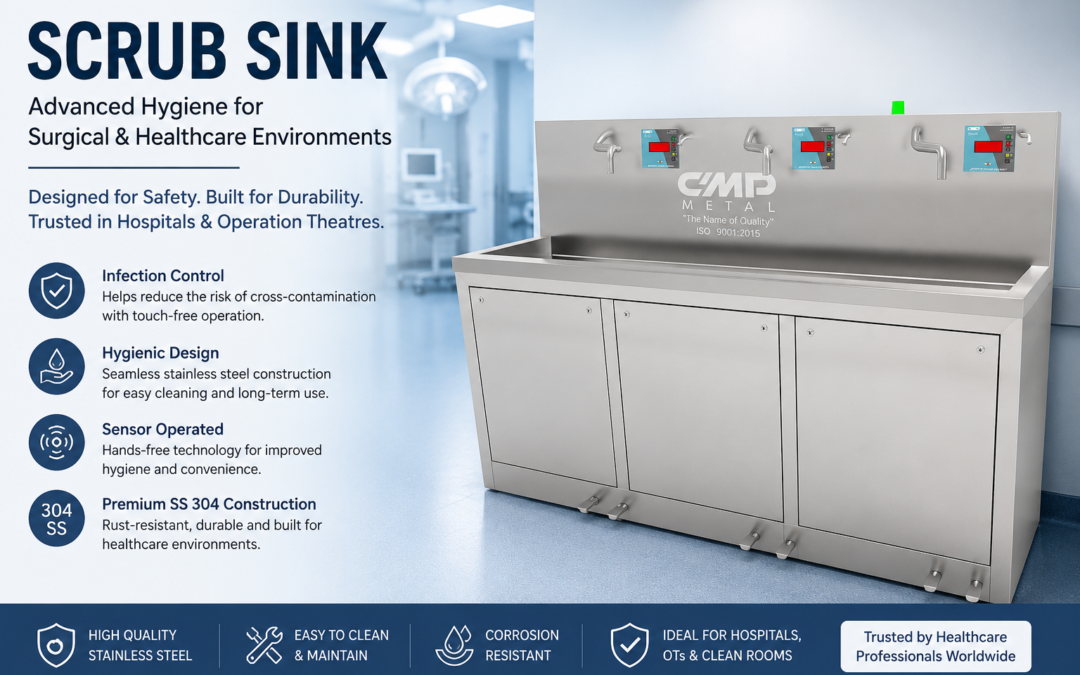
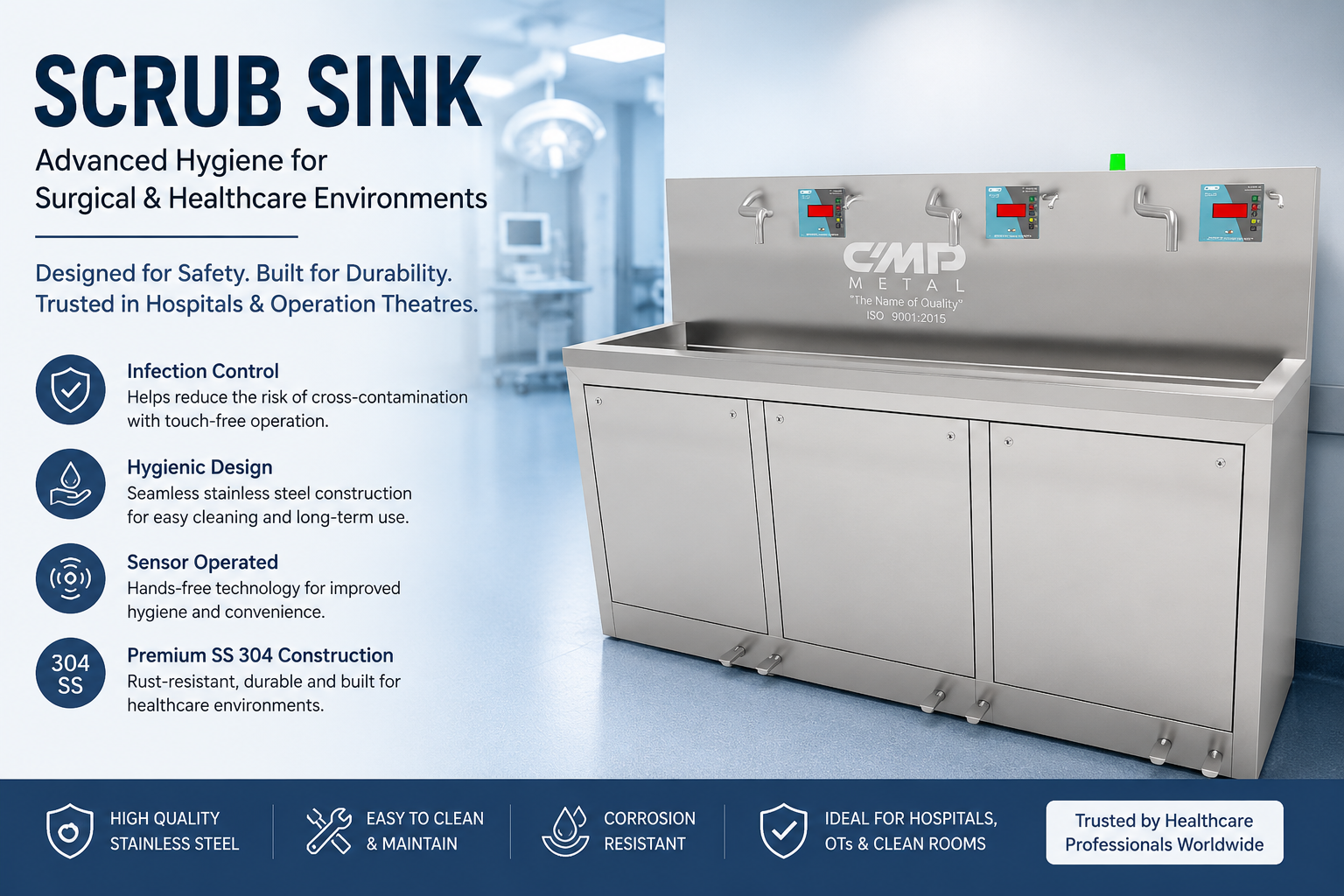
  • Surgical scrub sinks with elbow, knee, or sensor operation
  • Mayo trolleys and instrument trolleys
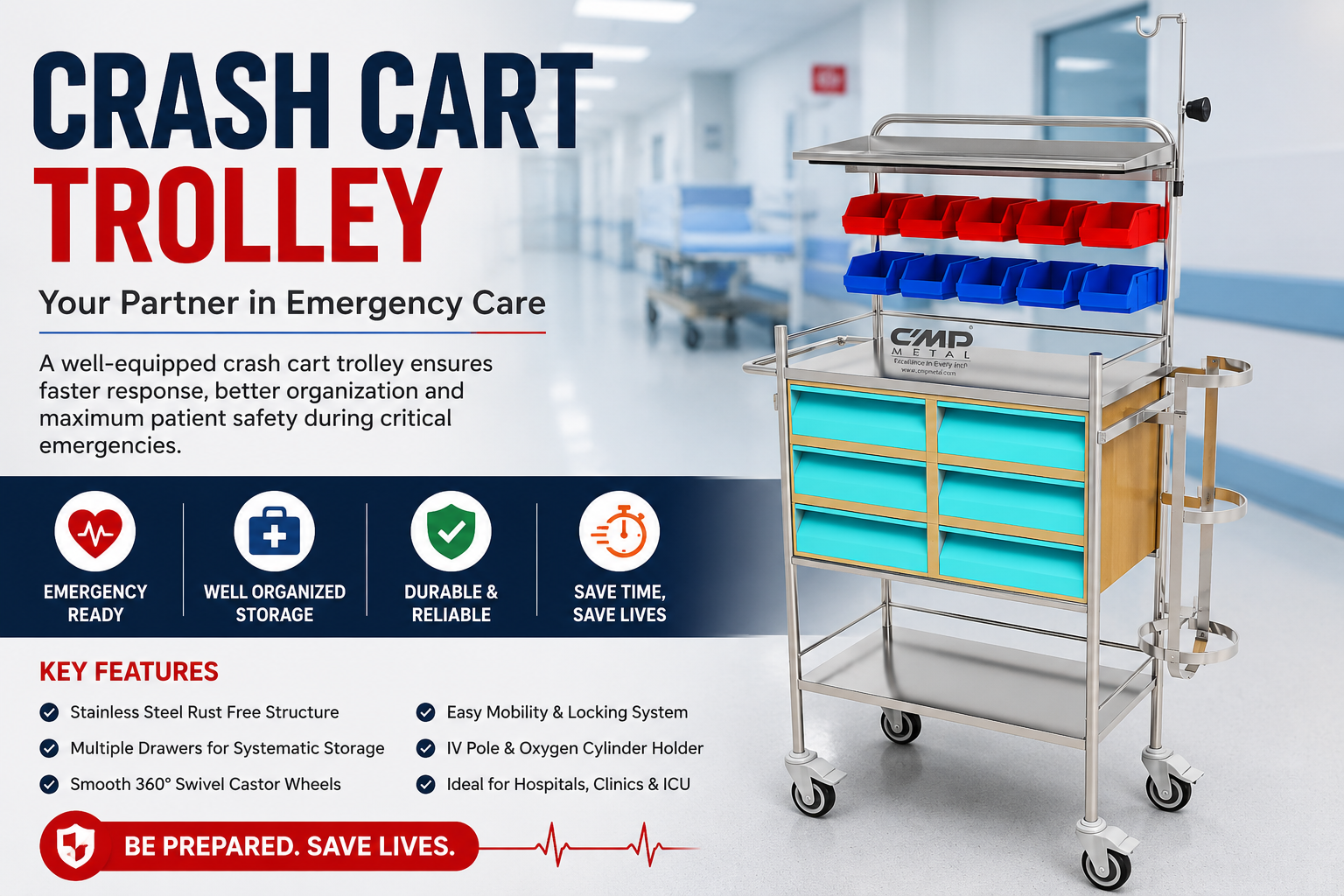
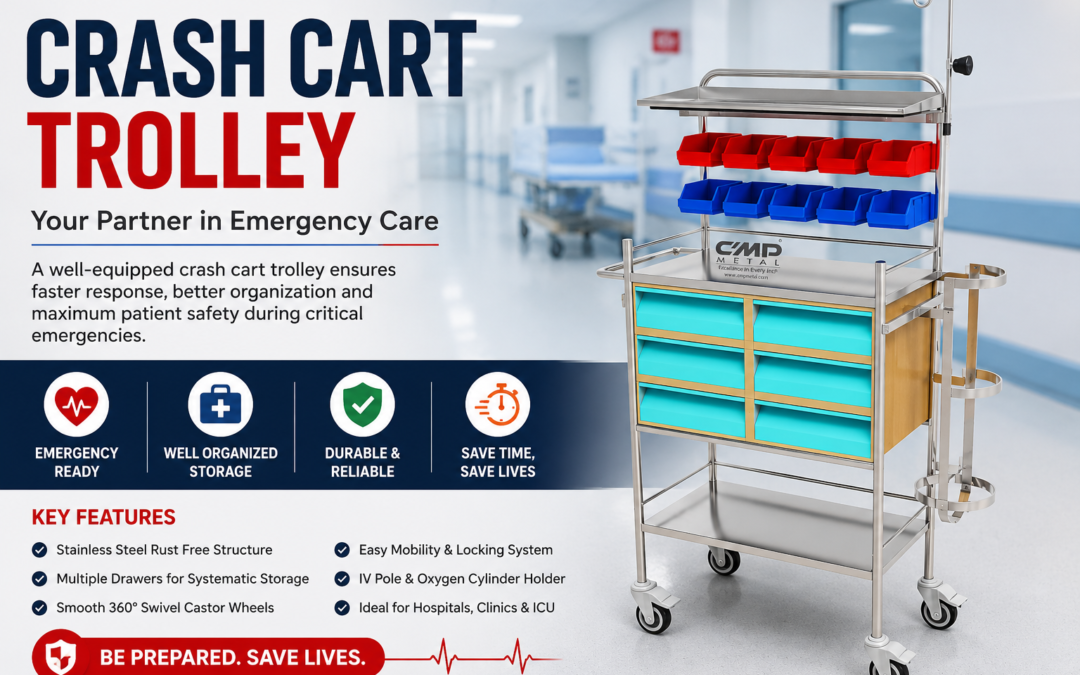
  • Crash carts for emergency response
  • OT cabinets and storage systems
  • Laparoscopic instrument trolleys

Furniture in OT environments must be easy to sanitize, mobile when required, and resistant to harsh sterilization chemicals.

A dependable OT furniture manufacturer understands sterile zoning and ensures smooth finishes without exposed edges.

Washing and Disinfection Systems: Why They Matter

Hospital washing systems are often overlooked during procurement, but they directly influence infection control.

Critical equipment includes:

  • Endoscope washing sinks
  • Dialyzer washing sinks
  • Dirty utility sinks
  • Bed pan washing sinks
  • Catheter cleaning stations

Design must allow proper drainage, splash control, and easy cleaning access.

Hospitals with inadequate washing infrastructure often struggle with hygiene audits and sterilization efficiency.

Cleanroom and Pass Box Systems for Pharma & Labs

Pharmaceutical and laboratory environments demand controlled material transfer systems.

Key equipment includes:

  • Mechanical pass boxes
  • Electromagnetic pass boxes
  • UV sterilization pass boxes
  • Stainless steel cleanroom furniture

Pass boxes help maintain air pressure integrity between controlled environments. Proper interlocking systems prevent cross-contamination.

Manufacturers supplying cleanroom equipment must understand airflow design, contamination control, and surface finish standards.

IVF Lab Furniture: Specialized Requirements

Fertility clinics require precision-focused furniture and workstations.

Important considerations include:

  • Vibration-resistant work tables
  • Hygienic stainless-steel surfaces
  • Controlled storage cabinets
  • Instrument washing stations
  • Mobile trolleys

IVF labs demand stability and contamination control. Furniture design must support sensitive procedures and equipment placement.

Long-Term Cost vs Initial Cost: A Strategic View

Hospital procurement teams often focus heavily on upfront cost. However, stainless steel medical furniture should be evaluated based on:

  • Lifespan
  • Maintenance cost
  • Repair frequency
  • Structural stability
  • Compliance durability

Low-cost alternatives frequently require replacement within a few years, increasing long-term operational expense.

Investing in durable, corrosion-resistant infrastructure reduces lifecycle cost.

Role of Engineering & Fabrication Quality

Precision fabrication determines product longevity.

Important technical aspects include:

  • TIG welding quality
  • Smooth grinding and finishing
  • Edge rounding for safety
  • Load-bearing capacity validation
  • Drain slope accuracy in sinks

Poor fabrication results in micro gaps that trap contaminants. High-quality finishing reduces bacterial retention and simplifies cleaning.

How Decision-Makers Should Evaluate Suppliers

Hospital directors and biomedical engineers should:

  1. Review completed project portfolio
  2. Inspect manufacturing facility if possible
  3. Request material grade certification
  4. Evaluate customization process
  5. Compare delivery timelines
  6. Understand after-sales support structure

Professional manufacturers focus on long-term partnerships rather than one-time transactions.

Sustainable and Future-Ready Infrastructure

Modern healthcare infrastructure must also consider sustainability.

Stainless steel is:

  • Recyclable
  • Durable
  • Environmentally safer compared to coated alternatives
  • Suitable for long-term healthcare expansion

Hospitals planning capacity growth benefit from modular stainless-steel systems that can be reconfigured.

Conclusion

Selecting the right hospital furniture manufacturer is not merely a purchasing decision — it is an infrastructure strategy.

From CSSD departments and operation theaters to IVF labs and cleanrooms, stainless steel equipment forms the operational foundation of healthcare facilities.

Decision-makers must prioritize hygiene compliance, fabrication quality, customization capability, and long-term durability over short-term savings.

A structured approach to evaluating manufacturers ensures safer environments for patients, improved workflow efficiency for medical staff, and sustainable infrastructure for healthcare institutions.