Sluice Sink: A Complete Guide for Hospitals and Healthcare Facilities

Sluice Sink: A Complete Guide for Hospitals and Healthcare Facilities

Introduction

Maintaining hygiene is one of the biggest priorities in hospitals and healthcare facilities. A Sluice Sink plays an essential role in safely disposing of contaminated liquids and cleaning reusable medical containers while reducing the risk of cross-contamination. Whether in hospitals, nursing homes, laboratories, or healthcare centers, choosing the right Hospital Sluice Sink helps improve infection control, supports staff efficiency, and ensures compliance with hygiene standards. This guide explains everything buyers need to know before selecting the right solution for their facility.

AI Overview Summary

A Sluice Sink is a specialized sink designed for the safe disposal of contaminated waste and cleaning of medical containers in healthcare environments. It improves infection control, supports hygiene compliance, and increases operational efficiency. Hospitals, pharmaceutical facilities, and healthcare institutions should choose stainless steel models that meet durability, cleaning, and safety requirements.

What is Sluice Sink?

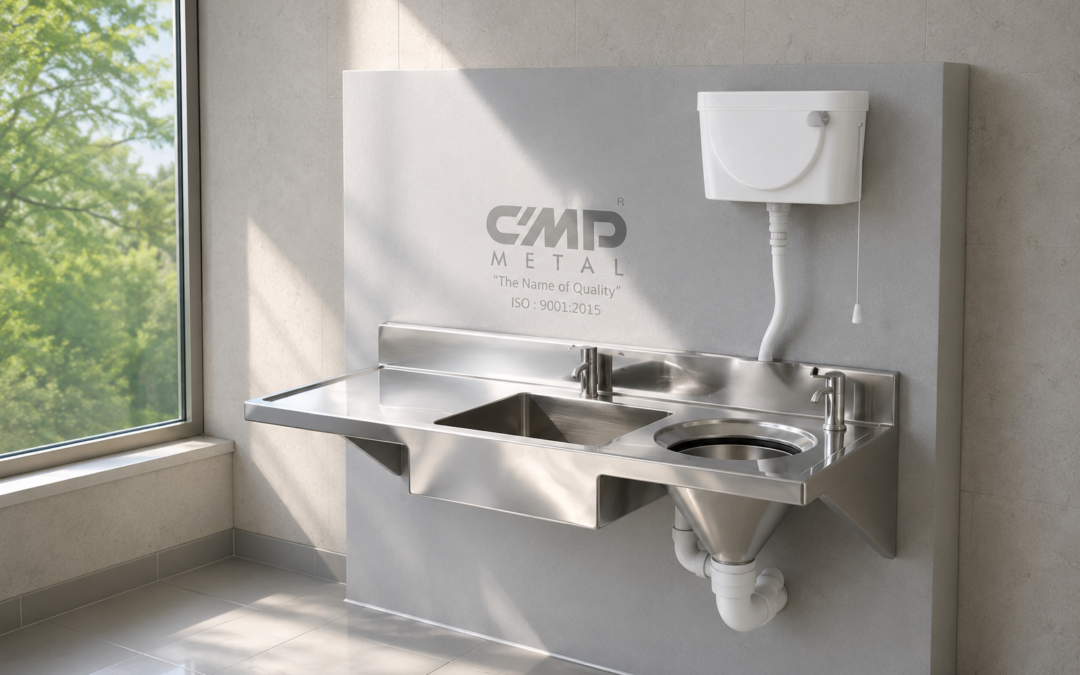
A Sluice Sink is a specially designed sanitation fixture used in hospitals and healthcare facilities to safely dispose of contaminated fluids and clean reusable medical equipment such as bedpans, urine bottles, and waste containers.

A Stainless Steel Sluice Sink is preferred because it offers excellent corrosion resistance, easy cleaning, long service life, and superior hygiene. These sinks are commonly installed in dirty utility rooms where infection prevention is a top priority.

Why is it Important?

Healthcare facilities deal with infectious waste every day. Improper disposal or cleaning increases the risk of contamination and healthcare-associated infections (HAIs).

A Sluice Sink for Hospitals provides a dedicated space for handling contaminated waste safely while protecting healthcare workers and patients. It also helps organizations comply with hospital hygiene protocols and infection control guidelines.

Common use cases include:

  • Cleaning bedpans and urinals
  • Disposal of contaminated liquids
  • Washing reusable medical containers
  • Infection control in isolation wards
  • Supporting hospital sanitation workflows

Key Features

  • Stainless Steel Construction – Provides excellent durability, corrosion resistance, and long service life.
  • Smooth Hygienic Finish – Easy to clean and minimizes bacterial buildup.
  • Deep Bowl Design – Reduces splashing during waste disposal.
  • Heavy-Duty Build – Designed for continuous use in busy healthcare environments.
  • Wall or Floor Mounted Options – Suitable for different room layouts.
  • Easy Drainage System – Ensures quick disposal of liquid waste.
  • Low Maintenance – Requires minimal upkeep while maintaining hygiene standards.

Benefits

  • Improves infection control by separating contaminated waste handling.
  • Supports hospital hygiene and sanitation protocols.
  • Reduces the risk of cross-contamination.
  • Provides a durable solution with long service life.
  • Saves cleaning time for healthcare staff.
  • Handles frequent daily use without compromising performance.
  • Offers a professional and organized waste management process.
  • Suitable for both new healthcare facilities and renovation projects.

Applications

A medical sluice sink is widely used across various healthcare and industrial environments, including:

  • Hospitals
  • Multi-specialty healthcare centers
  • Pharmaceutical manufacturing facilities
  • Diagnostic laboratories
  • Nursing homes
  • Rehabilitation centers
  • Medical colleges
  • Isolation wards
  • Healthcare research facilities

How to Choose the Right Sluice Sink

Before purchasing a Sluice Sink, consider these practical factors:

  1. Choose high-quality stainless steel for better corrosion resistance.
  2. Select the correct size based on available installation space.
  3. Ensure the sink is easy to clean with smooth welded joints.
  4. Check drainage design to prevent water accumulation.
  5. Verify compatibility with your hospital’s plumbing system.
  6. Purchase from an experienced manufacturer with healthcare expertise and customization options.

Common Mistakes to Avoid

Many buyers focus only on price instead of long-term performance. Avoid these common mistakes:

  • Choosing low-grade materials that corrode quickly.
  • Ignoring hospital hygiene requirements.
  • Selecting incorrect dimensions for the available space.
  • Overlooking drainage efficiency.
  • Buying products without checking manufacturing quality.
  • Not considering future maintenance requirements.

Making informed decisions reduces replacement costs and improves operational efficiency.

Conclusion

A Sluice Sink is an essential part of modern healthcare infrastructure. It supports infection prevention, improves workplace hygiene, and provides a safe solution for handling contaminated waste. Investing in a durable Stainless Steel Sluice Sink helps hospitals and healthcare facilities maintain high sanitation standards while ensuring reliable long-term performance. If you’re planning a new healthcare project or upgrading an existing facility, consulting an experienced manufacturer can help you select the right solution based on your operational requirements.
Solid Surface Sink Ideas That Make Everyday Kitchens and Bathrooms Feel Effortlessly Modern

Solid Surface Sink Ideas That Make Everyday Kitchens and Bathrooms Feel Effortlessly Modern

Have you ever walked into a beautifully designed kitchen or bathroom and wondered why everything feels so clean, seamless, and luxurious? Surprisingly, it often isn’t the expensive cabinets or designer tiles that create that impression. More often, it’s the sink.

Many homeowners spend weeks choosing countertops, backsplashes, and fixtures but treat the sink as an afterthought. The result is a beautiful space interrupted by visible joints, hard-to-clean edges, or a design that doesn’t quite fit the overall look.

A solid surface sink changes that experience completely. Instead of looking like a separate fixture, it blends naturally into the countertop, creating a smooth, continuous surface that is easy to clean and visually elegant. Whether you’re designing a modern Indian kitchen, renovating a hotel washroom, upgrading a hospital handwashing station, or creating a luxury bathroom, this type of sink offers practical benefits alongside timeless style.

Today’s solid surface materials also provide impressive durability, stain resistance, and design flexibility, making them increasingly popular among architects, interior designers, and homeowners across India. Let’s explore why these sinks continue to gain attention—and how to choose one that truly fits your space.

What Makes a Solid Surface Sink Different?

Unlike traditional stainless steel or ceramic models, solid surface sinks are manufactured from engineered materials made with natural minerals and acrylic resins. The biggest advantage is that they can be seamlessly joined with matching countertops.

Instead of a visible rim around the sink, the countertop flows directly into the basin. That means there are fewer places for dirt, food particles, soap residue, or bacteria to collect.

This seamless appearance works beautifully in:

  • Modern residential kitchens
  • Contemporary bathrooms
  • Hotels
  • Cafés
  • Hospitals
  • Commercial workspaces

The clean design isn’t only attractive—it also simplifies daily maintenance.

Why Homeowners in India Are Choosing Solid Surface Sink Countertops

A solid surface sink countertop offers more than visual appeal.

Many Indian homes deal with hard water stains, heavy cooking, frequent cleaning, and humid weather. Traditional sink installations often develop grime around silicone joints over time.

Integrated solid surface installations eliminate these exposed edges.

Major Benefits

Feature Benefit
Seamless design Easier cleaning
Non-porous material Better hygiene
Repairable surface Minor scratches can often be restored
Custom fabrication Fits unique layouts
Modern appearance Premium interior finish

For busy families, fewer cleaning hassles often become the biggest advantage.

Integrated Solid Surface Sink Designs Create a Minimalist Look

One of the fastest-growing trends is the integrated solid surface sink.

Instead of installing a separate sink, fabricators build the sink and countertop as one continuous piece.

The result feels calm, uncluttered, and highly architectural.

Why Designers Prefer Integrated Models

  • No raised edges
  • Modern minimalist appearance
  • Easy maintenance
  • Better water flow toward the drain
  • Ideal for luxury homes

This design is especially popular in premium apartments where clean lines define the overall aesthetic.

When a Solid Surface Integral Sink Makes the Most Sense

A solid surface integral sink is an excellent choice when hygiene matters just as much as appearance.

Think about places that require frequent cleaning:

  • Clinics
  • Hospitals
  • Beauty salons
  • Restaurants
  • Luxury hotels

Because there are no exposed seams around the basin, cleaning becomes quicker and more effective.

Even in residential bathrooms, homeowners appreciate how easily toothpaste, soap, and cosmetic residue wipe away without getting trapped around sink edges.

Why a Solid Surface Trough Sink Is Becoming More Popular

Families, schools, offices, and commercial spaces often need larger washing areas.

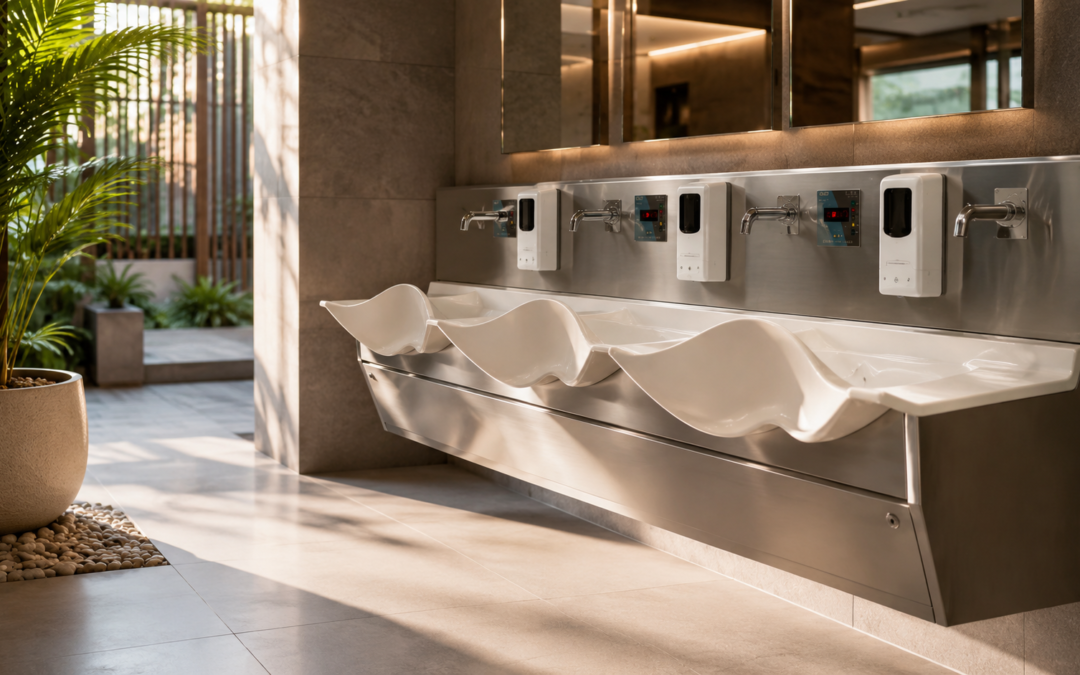
That’s where a solid surface trough sink stands out.

Instead of one small basin, trough sinks provide an extended washing area that multiple people can use comfortably.

Common applications include:

  • School washrooms
  • Office restrooms
  • Luxury resorts
  • Fitness centres
  • Hospital handwashing stations

Besides improving usability, trough sinks create a striking architectural statement.

Their long, uninterrupted design pairs perfectly with floating vanities and wall-mounted faucets.

Choosing the Right Sink Solid Surface Material

Not every sink solid surface product performs the same.

Material quality affects durability, stain resistance, colour consistency, and long-term appearance.

Look for These Features

Non-porous construction

Prevents moisture absorption and bacterial growth.

UV stability

Helps colours remain consistent over time.

Repairability

Minor scratches should be repairable through polishing.

Heat resistance

Useful in kitchens where hot cookware may occasionally come into contact with the surface.

Professional fabrication

Proper installation determines whether the seamless appearance lasts for years.

Choosing an experienced fabricator is often just as important as selecting the material itself.

Expert Tips for Long-Lasting Performance

After working on numerous residential and commercial interior projects, designers often recommend a few practical habits that keep solid surface installations looking new.

Daily Cleaning

Use:

  • Mild soap
  • Soft sponge
  • Warm water

Avoid harsh abrasive powders unless recommended by the manufacturer.

Remove Stains Quickly

Tea, coffee, turmeric, and food colouring should be cleaned soon after spills occur.

Although solid surfaces resist staining well, prompt cleaning helps preserve their original finish.

Use Cutting Boards

While the material is durable, chopping directly on the countertop can leave fine scratches.

Avoid Extreme Heat

Always place trivets under very hot cookware.

Small precautions greatly extend the life of your countertop.

Things Most Buyers Ignore Before Purchasing

Many people focus only on colour.

Professionals look much deeper.

Thickness Matters

A thicker countertop usually provides better structural stability and a more premium appearance.

Edge Profile

Straight edges create a modern look.

Rounded profiles feel softer and more traditional.

Drain Placement

An awkward drain location can reduce usable basin space.

Fabrication Quality

Poor joints—even on premium materials—can reduce durability and spoil the seamless effect.

Always ask to see previous installation projects before finalising your supplier.

Common Mistakes to Avoid

Buying a beautiful sink is only half the job.

These mistakes often reduce long-term satisfaction.

  • Choosing appearance over functionality.
  • Ignoring countertop thickness.
  • Selecting inexperienced installers.
  • Using harsh chemical cleaners regularly.
  • Forgetting adequate workspace around the sink.
  • Installing a basin that’s too small for family needs.

Planning around daily habits usually leads to better decisions than following design trends alone.

Buying Guide: How to Choose the Right Solid Surface Sink

Consider Your Lifestyle

Large families may benefit from wider integrated basins.

Compact apartments often work well with smaller minimalist designs.

Match Your Interior Style

Modern kitchens pair beautifully with white, grey, and matte finishes.

Luxury bathrooms often feature soft neutral colours with concealed drainage.

Think About Maintenance

Choose finishes that hide water spots if your area has hard water.

Compare Warranty

Quality manufacturers typically offer stronger warranties backed by experienced fabrication partners.

Budget Beyond the Sink

Remember to include:

  • Countertop fabrication
  • Installation
  • Plumbing
  • Cut-outs
  • Transportation

The complete project cost matters more than the sink price alone.

Frequently Asked Questions

Are solid surface sinks suitable for Indian kitchens?

Yes. Their non-porous surface makes them well suited to daily cooking, frequent cleaning, and humid conditions commonly found in many Indian homes.

Can scratches be repaired?

Most light scratches can be sanded and polished by trained professionals, restoring the surface close to its original appearance.

Are integrated solid surface sinks hygienic?

Yes. Their seamless construction reduces gaps where dirt, mould, and bacteria typically collect.

Do solid surface sinks stain easily?

They resist staining better than many traditional materials, especially when spills are cleaned promptly.

Can they be customised?

Absolutely. One of the biggest advantages is the ability to create custom sizes, shapes, colours, and countertop layouts.

Are they better than stainless steel?

It depends on your priorities. Stainless steel offers excellent durability, while solid surface options provide a quieter experience, seamless appearance, and greater design flexibility.

How long do solid surface sinks last?

With proper care and professional installation, they can remain attractive and functional for many years.

Final Thoughts

A thoughtfully selected solid surface sink does far more than hold dishes or provide a place to wash hands. It influences how clean your kitchen feels, how effortlessly your bathroom functions, and how polished your entire interior appears.

Whether you’re considering a solid surface integrated sink, a solid surface trough sink, or a custom solid surface sink countertop, focus on quality materials, skilled fabrication, and a design that fits the way you actually use the space. Those decisions will have a much bigger impact than simply following the latest trend.

If you’re planning a renovation, take time to compare materials, view real installations, and explore layouts that balance beauty with everyday practicality.


Portable Hand Wash Station: The Complete Guide to Cleaner, Safer, and Smarter Hygiene

Portable Hand Wash Station: The Complete Guide to Cleaner, Safer, and Smarter Hygiene

Introduction

Clean hands save lives—but access to running water isn’t always available. Whether you’re managing a construction site, organizing an outdoor event, operating a temporary medical facility, or working in food service, a portable hand wash station provides a practical hygiene solution wherever it’s needed.

Today’s workplaces demand better sanitation, stricter health compliance, and greater convenience. A modern portable washing solution helps maintain hygiene standards while offering flexibility in locations where permanent plumbing isn’t possible.

In this guide, you’ll learn everything you need to know before choosing the right unit, including types, benefits, features, buying tips, maintenance, and common mistakes to avoid.

Why Portable Hand Wash Stations Matter

Many workplaces struggle with maintaining proper hygiene because installing permanent plumbing can be expensive, time-consuming, or simply impossible.

Common challenges include:

  • No nearby water connection
  • Temporary work locations
  • Outdoor events and exhibitions
  • Construction and infrastructure projects
  • Emergency medical camps
  • Industrial maintenance sites
  • Need for fast deployment

A portable hygiene station solves these problems by providing instant access to clean water wherever people need it most.

What is a Portable Hand Wash Station?

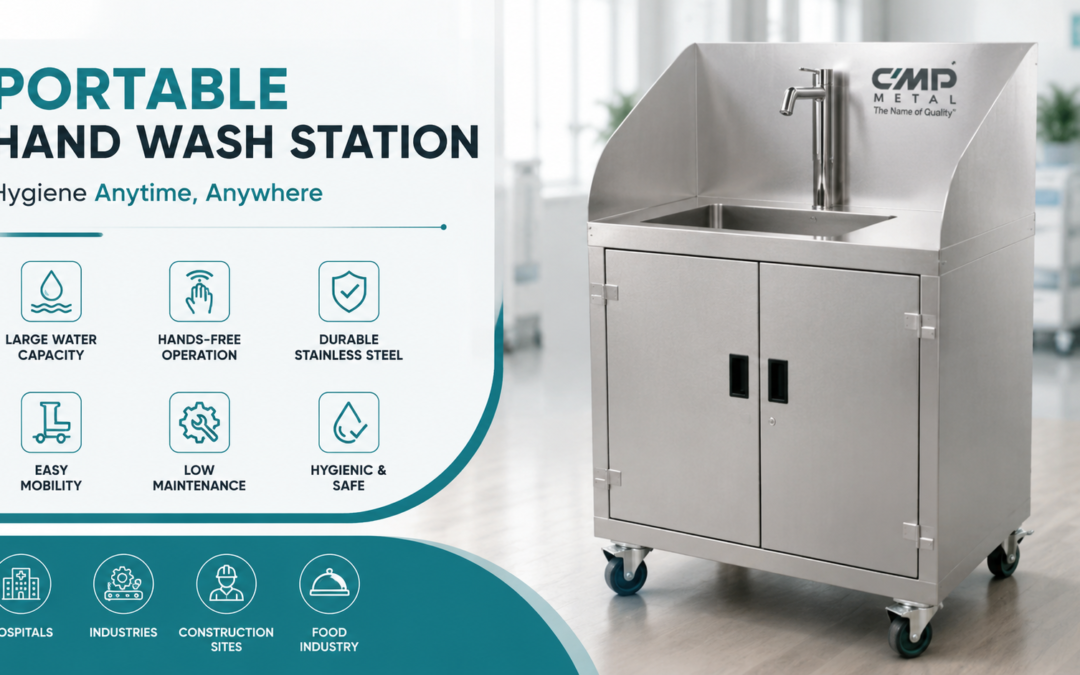
A portable hand wash station is a self-contained hygiene unit that includes fresh water storage, wastewater collection, a sink, faucet, and often soap and sanitizer dispensers. Since it doesn’t require permanent plumbing, it can be installed almost anywhere.

Many modern units also function as a portable sink, making them suitable for hospitals, laboratories, food preparation areas, schools, and commercial facilities.

Types of Portable Hand Wash Stations

1. Manual Portable Units

  • Foot pump operated
  • No electricity required
  • Ideal for outdoor environments

2. Electric Portable Stations

  • Automatic water dispensing
  • Touch-free operation
  • Higher hygiene standards

3. Mobile Hand Wash Sink

  • Easy to move using wheels
  • Suitable for hospitals and healthcare
  • Quick relocation between departments

4. Portable Wash Basin

  • Compact design
  • Lightweight construction
  • Perfect for clinics, offices, and schools

Key Features to Look For

  • Large fresh water capacity
  • Separate wastewater tank
  • Hands-free operation
  • Durable stainless steel construction
  • Lockable wheels for mobility
  • Soap dispenser
  • Paper towel holder
  • Easy drainage system
  • Leak-proof design
  • Corrosion-resistant finish

Benefits of Using a Portable Hand Wash Station

  • Improves workplace hygiene
  • Reduces cross-contamination
  • Easy installation without plumbing
  • Supports infection prevention
  • Suitable for temporary and permanent applications
  • Cost-effective sanitation solution
  • Easy transportation
  • Low maintenance
  • Environmentally responsible water management
  • Complies with workplace hygiene requirements

Portable Hand Wash Station vs Traditional Sink

Feature Portable Hand Wash Station Traditional Sink
Mobility Excellent No
Needs Plumbing No Yes
Installation Time Minutes Days
Relocation Easy Not Possible
Temporary Sites Ideal Not Suitable
Maintenance Simple Moderate

Step-by-Step Buying Guide

Step 1: Identify Your Industry

Healthcare, food service, construction, education, laboratories, and industrial facilities all have different hygiene requirements.

Step 2: Estimate Daily Usage

Choose water tank capacity based on the expected number of users.

Step 3: Consider Mobility

If the unit will move frequently, choose a mobile hand wash sink with heavy-duty wheels.

Step 4: Check Material Quality

Stainless steel offers better durability, hygiene, and corrosion resistance than plastic alternatives.

Step 5: Evaluate Maintenance

Look for easy-to-clean tanks, removable waste containers, and accessible drainage systems.

Step 6: Choose a Reliable Portable Sink Manufacturer

A trusted portable sink manufacturer provides quality construction, better after-sales support, and long-term reliability.

Common Mistakes to Avoid

  • Buying based only on price
  • Ignoring water tank capacity
  • Choosing poor-quality materials
  • Not considering mobility needs
  • Skipping maintenance requirements
  • Overlooking hygiene certifications
  • Ignoring warranty and service support

Expert Tips

  • Choose touch-free operation whenever possible.
  • Clean wastewater tanks daily.
  • Use food-grade or medical-grade materials for sensitive environments.
  • Inspect wheels and drainage regularly.
  • Replace soap and sanitizer before they run empty.
  • Schedule preventive maintenance every few months.
  • Select modular designs for future expansion.

Industries That Commonly Use Portable Hand Wash Stations

  • Hospitals
  • Clinics
  • Medical laboratories
  • Food processing plants
  • Commercial kitchens
  • Construction sites
  • Schools and colleges
  • Warehouses
  • Factories
  • Outdoor events
  • Agriculture
  • Disaster relief camps

Frequently Asked Questions

1. What is a portable hand wash station?

A portable hand wash station is a movable hygiene unit that provides clean water and wastewater storage without requiring permanent plumbing.

2. Where can portable hand wash stations be used?

They are commonly used in hospitals, schools, construction sites, food service areas, laboratories, exhibitions, and temporary workplaces.

3. Is a portable wash basin different from a portable sink?

Both provide washing functionality, although a portable wash basin is generally more compact, while a portable sink may include additional storage and accessories.

4. How often should the water tanks be cleaned?

For regular use, fresh and wastewater tanks should be cleaned daily to maintain hygiene and prevent bacterial growth.

5. Can a mobile hand wash sink be moved easily?

Yes. Most models include lockable caster wheels that allow smooth movement between different work areas.

6. What material is best for a portable hand wash station?

Stainless steel is generally preferred because it offers durability, corrosion resistance, and easy cleaning.

7. How do I choose the right portable sink manufacturer?

Look for manufacturers with proven quality, industry experience, strong customer support, warranty coverage, and durable product construction.

Semantic SEO Keywords Used Naturally

portable hygiene station, stainless steel sink, hand hygiene solution, self-contained sink, mobile sanitation unit, touch-free sink, healthcare hygiene equipment, wastewater tank, fresh water tank, commercial sink, construction hygiene, hospital sink, infection prevention, food safety equipment, sanitation station, mobile hygiene unit, handwashing solution, workplace hygiene, clean water station, portable sanitation equipment.

Conclusion

A portable hand wash station is more than just a convenience—it’s an essential hygiene solution for today’s fast-moving workplaces. Whether you need a portable sink, portable wash basin, or a fully equipped mobile hand wash sink, selecting the right model depends on your environment, daily usage, mobility requirements, and maintenance expectations.

By focusing on quality materials, practical features, and choosing an experienced portable sink manufacturer, you can ensure long-term reliability, improved sanitation, and better user experience. Investing in the right portable hand washing solution helps create safer, cleaner, and more efficient workplaces across a wide range of industries.

Solid Surface Sink: The Complete Guide to Style, Durability & Easy Maintenance

Solid Surface Sink: The Complete Guide to Style, Durability & Easy Maintenance

A solid surface sink has become one of the most popular choices for modern kitchens, bathrooms, hospitals, laboratories, and commercial spaces. Known for its seamless appearance, exceptional durability, and hygienic surface, it offers an elegant alternative to traditional stainless steel or ceramic sinks.

Unlike conventional sinks that often have visible joints and edges, solid surface sinks are designed to blend perfectly with the countertop. This creates a clean, modern look while making daily cleaning much easier. Whether you’re renovating your home or planning a commercial project, investing in a quality solid surface sink provides long-term value, functionality, and aesthetics.

What is a Solid Surface Sink?

A solid surface sink is manufactured using a blend of natural minerals and high-performance acrylic or polyester resins. The material is non-porous, smooth, and highly resistant to stains, moisture, and bacteria.

One of its biggest advantages is the ability to create a seamless installation with the countertop. Since there are no exposed joints, dirt, food particles, and bacteria have fewer places to accumulate, making the sink both hygienic and visually appealing.

Key Benefits of a Solid Surface Sink

1. Seamless Modern Appearance

The integrated installation gives the countertop and sink a continuous look without visible seams. This minimalist design complements both residential and commercial interiors.

2. Excellent Hygiene

Because the material is non-porous, liquids cannot penetrate the surface. This prevents bacterial growth and makes the sink ideal for kitchens, healthcare environments, and laboratories.

3. Highly Durable

Solid surface materials resist everyday scratches, stains, and impact better than many traditional sink materials. Minor scratches can often be repaired by light sanding, extending the sink’s lifespan.

4. Easy Maintenance

Routine maintenance requires only mild soap, water, and a soft cloth. This simple process keeps the surface looking fresh for years.

5. Wide Range of Designs

Available in various shapes, bowl sizes, and colors, solid surface sinks easily match modern interiors while providing practical functionality.

Popular Types of Solid Surface Sinks

Integrated Solid Surface Sink

An integrated solid surface sink is permanently bonded with the countertop to create a completely seamless surface. This option is popular in luxury homes, hotels, hospitals, and commercial wash areas because it improves both appearance and hygiene.

Solid Surface Trough Sink

A solid surface trough sink features an elongated basin designed for multiple users. These sinks are commonly installed in educational institutions, healthcare facilities, airports, shopping malls, and public restrooms.

Solid Surface Double Sink

A solid surface double sink offers two separate bowls, making multitasking easier. One bowl can be used for washing dishes while the other is used for rinsing or food preparation.

Solid Surface Sink Bowls

Individual solid surface sink bowls are available in square, rectangular, oval, and custom shapes, allowing complete flexibility during countertop design.

Are Corian Solid Surface Sinks Worth Considering?

Many homeowners and designers choose Corian solid surface sinks because of their premium finish, seamless integration, and long-lasting performance. They are known for consistent quality, attractive designs, and the ability to match various countertop styles.

However, many other reputable manufacturers also produce high-quality solid surface sinks that deliver similar durability and aesthetic appeal.

Where are Solid Surface Sinks Used?

  • Residential kitchens
  • Luxury bathrooms
  • Hotels & resorts
  • Hospitals & healthcare facilities
  • Research laboratories
  • Corporate offices
  • Educational institutions
  • Shopping malls
  • Public washrooms

Cleaning Solid Surface Sinks

Proper cleaning solid surface sinks is simple and helps preserve their appearance for many years.

Daily Cleaning

  • Use warm water and mild dish soap.
  • Wipe with a soft microfiber cloth.
  • Dry the surface after cleaning to prevent water spots.

Removing Tough Stains

  • Use a non-abrasive household cleaner.
  • Gently scrub with a soft sponge.
  • Avoid harsh chemicals and steel wool.

Maintenance Tips

  • Use chopping boards instead of cutting directly on the surface.
  • Avoid placing extremely hot cookware directly inside the sink.
  • Clean spills promptly.
  • Use protective mats for heavy utensils.

How to Choose the Right Solid Surface Sink

  • Select the appropriate bowl size based on daily usage.
  • Consider whether a single or double bowl better suits your needs.
  • Choose colors that complement your countertop.
  • Check installation compatibility.
  • Purchase from trusted manufacturers with reliable warranty support.

Solid Surface Sink vs Stainless Steel Sink

Feature Solid Surface Sink Stainless Steel Sink
Appearance Seamless & modern Visible edges
Hygiene Excellent Very Good
Noise Very quiet Can be noisy
Repairability Minor scratches repairable Difficult
Customization Excellent Limited
Maintenance Easy Easy

Frequently Asked Questions (FAQs)

Are solid surface sinks durable?

Yes. They are designed to withstand daily use, resist stains, and maintain their appearance for many years with proper care.

Can scratches be repaired?

Minor scratches can usually be removed through light sanding or professional refinishing.

Are they hygienic?

Absolutely. Their non-porous surface prevents moisture absorption and bacterial growth, making them suitable for both residential and commercial environments.

Do solid surface sinks require special cleaning products?

No. Mild soap, warm water, and a soft cloth are sufficient for regular maintenance.

Conclusion

A solid surface sink combines elegant design, long-lasting durability, and exceptional hygiene in one solution. Whether you choose an integrated solid surface sink, a spacious solid surface trough sink, premium Corian solid surface sinks, or a functional solid surface double sink, you’ll enjoy a product that enhances both appearance and everyday convenience.

With proper installation and regular care, your solid surface sink will continue to provide outstanding performance for years. If you’re looking for a seamless, easy-to-maintain sink that complements modern interiors, a solid surface sink is an excellent investment.

Surgical Tapper Wall Mounted Sink: The Complete Guide for Better Hospital Hygiene

Surgical Tapper Wall Mounted Sink: The Complete Guide for Better Hospital Hygiene

Hospital hygiene isn’t just about regular cleaning—it’s about preventing infections before they happen. A Surgical Tapper Wall Mounted Sink plays a critical role in maintaining hand hygiene inside operation theatres, surgical departments, and healthcare facilities. Designed for touch-free operation and easy cleaning, these sinks help reduce contamination while improving workflow for medical professionals.

Why Hospital Hygiene Starts with the Right Surgical Tapper Wall Mounted Sink

Every surgical procedure requires proper hand scrubbing before entering a sterile environment. Traditional sinks often require unnecessary hand contact, increasing the risk of cross-contamination. Modern Scrub Sink Station solutions are designed to eliminate these problems with ergonomic construction and hygienic features.

  • Improves infection control
  • Reduces cross-contamination
  • Enhances workflow efficiency
  • Easy to clean and maintain
  • Suitable for modern operation theatres

Common Problems Healthcare Facilities Face

Hospitals and healthcare facilities often experience several issues with outdated handwashing systems.

  • Manual tap operation increases contamination risk.
  • Poor-quality sinks corrode over time.
  • Compact operation theatres require space-saving solutions.
  • Difficult-to-clean surfaces encourage bacterial growth.
  • Low-quality materials increase maintenance costs.

What is a Surgical Tapper Wall Mounted Sink?

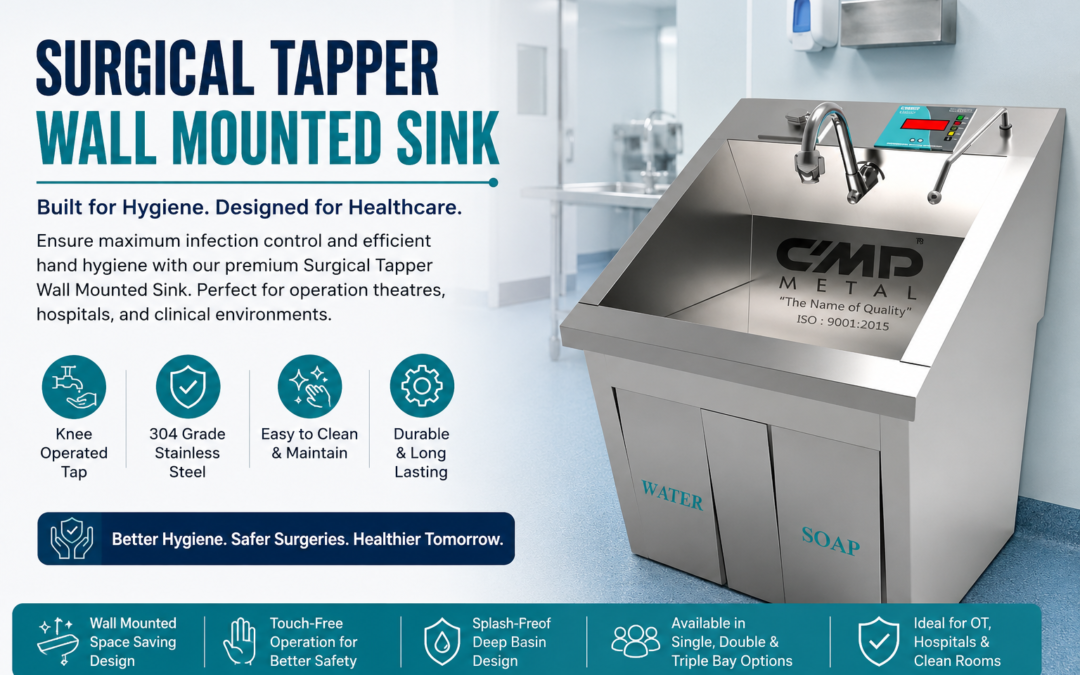
A Surgical Tapper Wall Mounted Sink is a stainless steel wall-mounted hand scrubbing station specifically designed for hospitals, clinics, and operation theatres. It provides a hygienic environment for surgeons and healthcare staff before surgical procedures.

Most modern models include a Surgical Scrub Sink with knee operation, allowing water flow without touching the faucet, significantly reducing the risk of contamination.

Types of Surgical Scrub Sink Stations

Single Station Scrub Sink Station

The Single Station Scrub Sink Station is ideal for clinics, day-care hospitals, and small operation theatres where one healthcare professional performs hand scrubbing at a time.

  • Compact design
  • Easy installation
  • Affordable solution
  • Space-saving wall-mounted construction

Double Station Scrub Sink

Designed for medium-sized hospitals where two users need simultaneous access.

Triple Bay Scrub Sink

The Triple Bay Scrub Sink is suitable for large hospitals and multi-specialty operation theatres. It allows multiple surgeons to scrub simultaneously while improving workflow.

Key Features

  • 304 Grade Stainless Steel Construction
  • Wall Mounted Design
  • Touch-Free Operation
  • Surgical Scrub Sink with knee operation
  • Deep Basin for Splash Prevention
  • Rounded Hygienic Corners
  • Easy Cleaning Surface
  • Long Service Life

Benefits of Installing a Surgical Tapper Wall Mounted Sink

  • Superior infection prevention
  • Improved surgical workflow
  • Space-saving installation
  • Reduced maintenance costs
  • Durable stainless steel construction
  • Professional appearance

Comparison of Different Scrub Sink Stations

Feature Single Station Double Station Triple Bay Scrub Sink
Users 1 2 3
Best For Clinics Medium Hospitals Large Hospitals
Space Required Low Medium High
Workflow Capacity Standard Good Excellent

Step-by-Step Buying Guide

  1. Measure available installation space.
  2. Determine daily surgical staff requirements.
  3. Select the appropriate station size.
  4. Choose knee-operated or sensor-operated controls.
  5. Verify 304 stainless steel construction.
  6. Select trusted Surgical Scrub Sink manufacturers.

Common Mistakes to Avoid

  • Buying residential-grade sinks.
  • Ignoring stainless steel quality.
  • Choosing manual taps for OT use.
  • Not considering future expansion.
  • Ignoring maintenance accessibility.

Expert Tips

Always invest in high-quality stainless steel equipment that complies with hospital hygiene standards. Touch-free operation, seamless construction, and ergonomic design significantly improve infection control and long-term durability.

Conclusion

A Surgical Tapper Wall Mounted Sink is an essential investment for hospitals, operation theatres, and healthcare facilities. Whether you choose a Single Station Scrub Sink Station or a Triple Bay Scrub Sink, selecting the right configuration helps improve hygiene, workflow, and patient safety while ensuring compliance with modern healthcare standards.

Frequently Asked Questions

What is a Surgical Tapper Wall Mounted Sink?

It is a stainless steel wall-mounted scrub sink designed specifically for surgical hand washing in hospitals and operation theatres.

Why choose a Surgical Scrub Sink with knee operation?

Knee-operated controls reduce hand contact and help prevent cross-contamination.

Which material is best?

304-grade stainless steel is preferred due to its corrosion resistance, hygiene, and durability.

Who should use a Triple Bay Scrub Sink?

Large hospitals and multi-specialty operation theatres benefit from Triple Bay Scrub Sink installations.

How do I choose the right Surgical Scrub Sink manufacturers?

Select manufacturers with proven healthcare experience, quality certifications, and medical-grade stainless steel fabrication expertise.

Hospital Furniture Manufacturer in India: Complete Guide for Modern Healthcare Facilities

Hospital Furniture Manufacturer in India: Complete Guide for Modern Healthcare Facilities

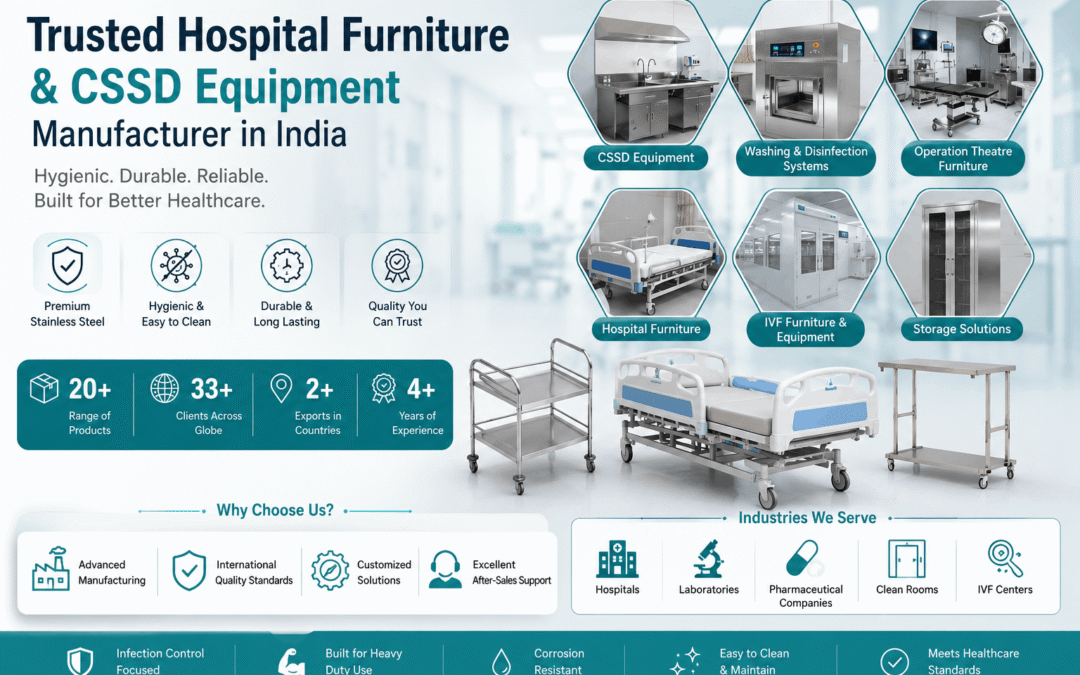
Healthcare infrastructure is evolving rapidly, and hospitals today need more than basic furniture. They require durable, hygienic, and intelligently designed solutions that improve patient care while supporting healthcare professionals. Choosing the right hospital furniture manufacturer in India can directly impact safety, workflow efficiency, infection control, and long-term operational costs.

From multi-specialty hospitals and clinics to pharmaceutical facilities and cleanrooms, modern healthcare environments depend on high-quality furniture and equipment. This guide explains what to look for when selecting a manufacturer and how to make the right investment for your facility.

Why Hospital Furniture Quality Matters More Than Ever

Healthcare environments operate around the clock. Furniture and equipment face constant use, frequent sanitization, and strict hygiene requirements. Low-quality products often result in rust, maintenance issues, poor performance, and higher replacement costs.

Working with a trusted manufacturer ensures products are designed for demanding healthcare conditions while maintaining safety, comfort, and durability.

  • Improved patient comfort and safety
  • Enhanced infection control
  • Better staff productivity
  • Long-lasting performance
  • Reduced maintenance expenses
  • Compliance with healthcare standards

Common Challenges Healthcare Facilities Face

Many hospitals encounter challenges when sourcing furniture and equipment for healthcare projects.

Poor Material Quality

Substandard materials can corrode quickly, reducing product lifespan and increasing maintenance costs.

Infection Control Concerns

Furniture with poor finishing and difficult-to-clean surfaces can become a breeding ground for bacteria and contaminants.

Limited Customization Options

Every healthcare facility has unique workflow requirements, but many suppliers offer only standard configurations.

Frequent Repairs and Downtime

Inferior manufacturing quality often results in repeated breakdowns, repairs, and operational disruptions.

What Does a Hospital Furniture Manufacturer in India Provide?

A professional manufacturer offers a comprehensive range of healthcare furniture and equipment solutions.

Patient Care Furniture

  • Hospital Beds
  • Examination Tables
  • Bedside Lockers
  • Overbed Tables
  • Wheelchairs
  • Patient Stretchers

Operation Theatre Furniture

  • OT Tables
  • Mayo Trolleys
  • Instrument Trolleys
  • Scrub Sinks
  • Stainless Steel Cabinets

CSSD Equipment Solutions

A trusted CSSD equipment manufacturer supplies specialized equipment that supports sterilization workflows and infection prevention.

  • Instrument Washing Sinks
  • Storage Racks
  • Pass Boxes
  • Workstations
  • Distribution Trolleys

Cleanroom Equipment Solutions

Healthcare and pharmaceutical facilities often work with a leading cleanroom equipment manufacturer India to maintain contamination-controlled environments.

  • Dynamic Pass Boxes
  • Static Pass Boxes
  • Garment Storage Units
  • Cleanroom Benches
  • Material Transfer Systems

Types of Hospital Furniture

Stainless Steel Hospital Furniture

Known for durability, corrosion resistance, easy cleaning, and superior hygiene standards.

Modular Healthcare Furniture

Ideal for hospitals seeking flexibility, efficient space utilization, and modern aesthetics.

ICU Furniture

Designed specifically for critical care environments where accessibility and durability are essential.

CSSD Furniture

Supports sterilization workflows and improves operational efficiency within sterile processing departments.

Pharmaceutical Facility Furniture

Many pharmaceutical equipment manufacturers rely on stainless steel furniture to meet GMP and hygiene requirements.

Key Features to Look For

  • SS 304 or SS 316 Stainless Steel Construction
  • Hygienic and Easy-to-Clean Surfaces
  • Heavy-Duty Structural Strength
  • Custom Manufacturing Capabilities
  • Ergonomic Design
  • Healthcare Industry Compliance
  • Low Maintenance Requirements

Hospital Furniture vs Commercial Furniture

Feature Hospital Furniture Commercial Furniture
Infection Control High Priority Limited Focus
Material Quality Medical Grade General Purpose
Durability Heavy Duty Moderate
Compliance Healthcare Standards General Standards

Step-by-Step Buying Guide

  1. Assess facility requirements and available space.
  2. Define product specifications and material grade.
  3. Review manufacturer experience and project portfolio.
  4. Verify stainless steel quality and fabrication standards.
  5. Evaluate customization options.
  6. Compare after-sales support and warranty coverage.
  7. Consider long-term ownership costs instead of initial price only.

Common Mistakes to Avoid

  • Choosing suppliers based only on price.
  • Ignoring stainless steel grades and specifications.
  • Overlooking future expansion requirements.
  • Skipping quality inspections.
  • Selecting suppliers with limited healthcare experience.

Expert Tips Before You Buy

  • Choose SS 304 or SS 316 materials whenever possible.
  • Prioritize infection-control-friendly designs.
  • Request customized solutions for better workflow efficiency.
  • Standardize equipment across departments.
  • Partner with experienced healthcare manufacturers.
  • Focus on lifecycle value rather than initial cost.

The Growing Demand for Integrated Healthcare Solutions

Today’s healthcare projects often require support from a medical equipment manufacturer India, hospital equipment supplier India, CSSD equipment manufacturer, and cleanroom equipment manufacturer India. Working with experienced partners helps ensure product compatibility, regulatory compliance, and long-term reliability.

Frequently Asked Questions

What is the role of a hospital furniture manufacturer in India?

They design and manufacture furniture and equipment used in hospitals, clinics, laboratories, and pharmaceutical facilities.

Why is stainless steel preferred in healthcare environments?

Stainless steel is hygienic, corrosion-resistant, durable, and easy to sanitize, making it ideal for medical applications.

What products are included in hospital furniture?

Hospital beds, trolleys, lockers, examination tables, scrub sinks, cabinets, and CSSD equipment are commonly included.

What is CSSD equipment?

CSSD equipment supports cleaning, sterilization, storage, and distribution of medical instruments.

How do pharmaceutical equipment manufacturers use healthcare furniture?

They use specialized stainless steel furniture and cleanroom equipment to maintain GMP compliance and contamination control.

How can I choose the right hospital equipment supplier in India?

Evaluate manufacturing experience, product quality, certifications, customization options, and after-sales support.

Conclusion

Choosing the right hospital furniture manufacturer in India is essential for creating a safe, hygienic, and efficient healthcare environment. Whether you are establishing a new hospital, upgrading a CSSD department, expanding a pharmaceutical facility, or developing a cleanroom, investing in quality healthcare furniture delivers long-term value.

Focus on quality materials, expert craftsmanship, customization capabilities, and healthcare industry experience to build a facility that supports both patients and healthcare professionals for years to come.