

Portable Hand Wash Station: The Complete Guide to Cleaner, Safer, and Smarter Hygiene
Introduction
Clean hands save lives—but access to running water isn’t always available. Whether you’re managing a construction site, organizing an outdoor event, operating a temporary medical facility, or working in food service, a portable hand wash station provides a practical hygiene solution wherever it’s needed.
Today’s workplaces demand better sanitation, stricter health compliance, and greater convenience. A modern portable washing solution helps maintain hygiene standards while offering flexibility in locations where permanent plumbing isn’t possible.
In this guide, you’ll learn everything you need to know before choosing the right unit, including types, benefits, features, buying tips, maintenance, and common mistakes to avoid.
Why Portable Hand Wash Stations Matter
Many workplaces struggle with maintaining proper hygiene because installing permanent plumbing can be expensive, time-consuming, or simply impossible.
Common challenges include:
- No nearby water connection
- Temporary work locations
- Outdoor events and exhibitions
- Construction and infrastructure projects
- Emergency medical camps
- Industrial maintenance sites
- Need for fast deployment
A portable hygiene station solves these problems by providing instant access to clean water wherever people need it most.
What is a Portable Hand Wash Station?
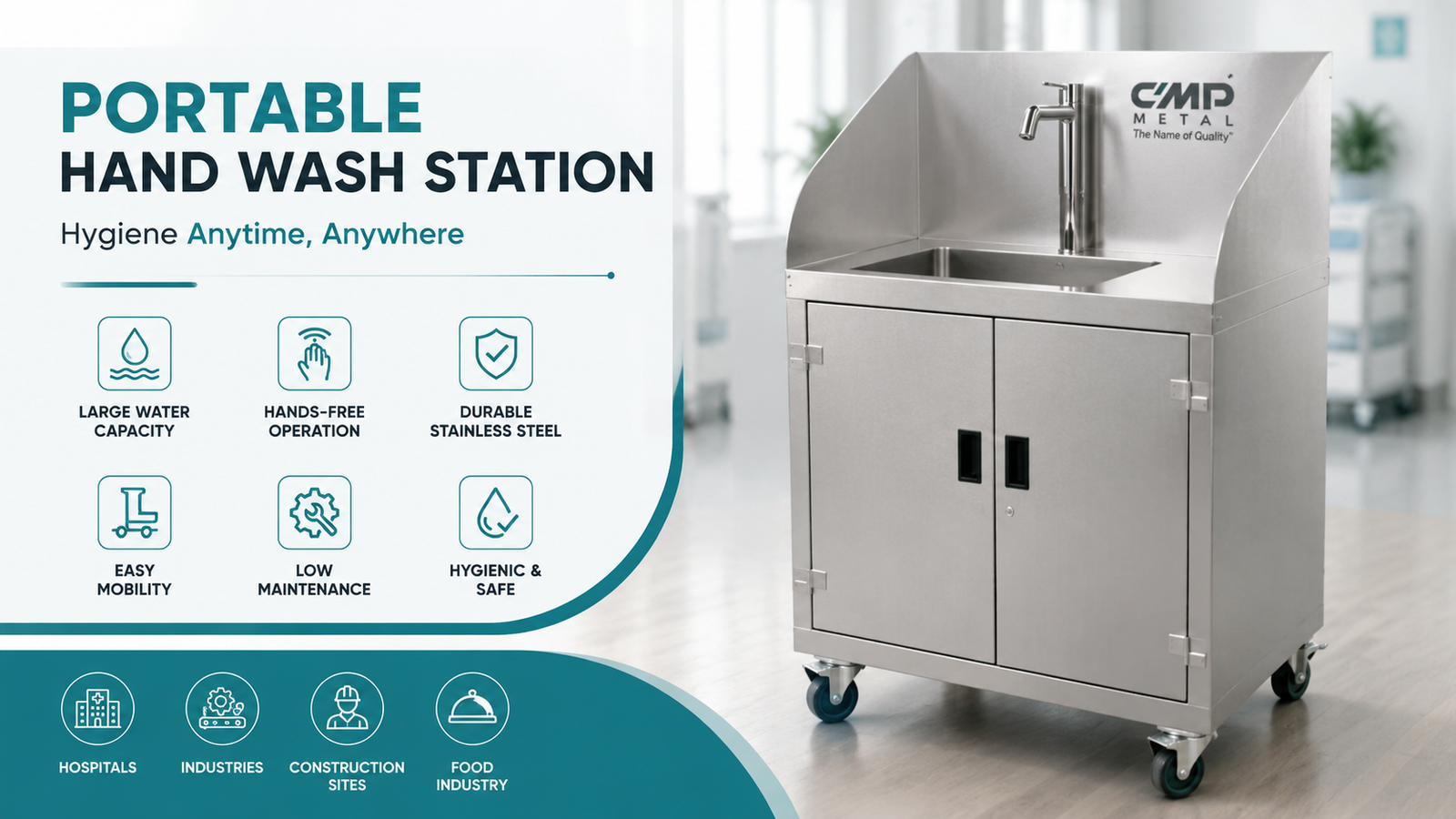
A portable hand wash station is a self-contained hygiene unit that includes fresh water storage, wastewater collection, a sink, faucet, and often soap and sanitizer dispensers. Since it doesn’t require permanent plumbing, it can be installed almost anywhere.
Many modern units also function as a portable sink, making them suitable for hospitals, laboratories, food preparation areas, schools, and commercial facilities.
Types of Portable Hand Wash Stations
1. Manual Portable Units
- Foot pump operated
- No electricity required
- Ideal for outdoor environments
2. Electric Portable Stations
- Automatic water dispensing
- Touch-free operation
- Higher hygiene standards
3. Mobile Hand Wash Sink
- Easy to move using wheels
- Suitable for hospitals and healthcare
- Quick relocation between departments
4. Portable Wash Basin
- Compact design
- Lightweight construction
- Perfect for clinics, offices, and schools
Key Features to Look For
- Large fresh water capacity
- Separate wastewater tank
- Hands-free operation
- Durable stainless steel construction
- Lockable wheels for mobility
- Soap dispenser
- Paper towel holder
- Easy drainage system
- Leak-proof design
- Corrosion-resistant finish
Benefits of Using a Portable Hand Wash Station
- Improves workplace hygiene
- Reduces cross-contamination
- Easy installation without plumbing
- Supports infection prevention
- Suitable for temporary and permanent applications
- Cost-effective sanitation solution
- Easy transportation
- Low maintenance
- Environmentally responsible water management
- Complies with workplace hygiene requirements
Portable Hand Wash Station vs Traditional Sink
| Feature | Portable Hand Wash Station | Traditional Sink |
|---|---|---|
| Mobility | Excellent | No |
| Needs Plumbing | No | Yes |
| Installation Time | Minutes | Days |
| Relocation | Easy | Not Possible |
| Temporary Sites | Ideal | Not Suitable |
| Maintenance | Simple | Moderate |
Step-by-Step Buying Guide
Step 1: Identify Your Industry
Healthcare, food service, construction, education, laboratories, and industrial facilities all have different hygiene requirements.
Step 2: Estimate Daily Usage
Choose water tank capacity based on the expected number of users.
Step 3: Consider Mobility
If the unit will move frequently, choose a mobile hand wash sink with heavy-duty wheels.
Step 4: Check Material Quality
Stainless steel offers better durability, hygiene, and corrosion resistance than plastic alternatives.
Step 5: Evaluate Maintenance
Look for easy-to-clean tanks, removable waste containers, and accessible drainage systems.
Step 6: Choose a Reliable Portable Sink Manufacturer
A trusted portable sink manufacturer provides quality construction, better after-sales support, and long-term reliability.
Common Mistakes to Avoid
- Buying based only on price
- Ignoring water tank capacity
- Choosing poor-quality materials
- Not considering mobility needs
- Skipping maintenance requirements
- Overlooking hygiene certifications
- Ignoring warranty and service support
Expert Tips
- Choose touch-free operation whenever possible.
- Clean wastewater tanks daily.
- Use food-grade or medical-grade materials for sensitive environments.
- Inspect wheels and drainage regularly.
- Replace soap and sanitizer before they run empty.
- Schedule preventive maintenance every few months.
- Select modular designs for future expansion.
Industries That Commonly Use Portable Hand Wash Stations
- Hospitals
- Clinics
- Medical laboratories
- Food processing plants
- Commercial kitchens
- Construction sites
- Schools and colleges
- Warehouses
- Factories
- Outdoor events
- Agriculture
- Disaster relief camps
Frequently Asked Questions
1. What is a portable hand wash station?
A portable hand wash station is a movable hygiene unit that provides clean water and wastewater storage without requiring permanent plumbing.
2. Where can portable hand wash stations be used?
They are commonly used in hospitals, schools, construction sites, food service areas, laboratories, exhibitions, and temporary workplaces.
3. Is a portable wash basin different from a portable sink?
Both provide washing functionality, although a portable wash basin is generally more compact, while a portable sink may include additional storage and accessories.
4. How often should the water tanks be cleaned?
For regular use, fresh and wastewater tanks should be cleaned daily to maintain hygiene and prevent bacterial growth.
5. Can a mobile hand wash sink be moved easily?
Yes. Most models include lockable caster wheels that allow smooth movement between different work areas.
6. What material is best for a portable hand wash station?
Stainless steel is generally preferred because it offers durability, corrosion resistance, and easy cleaning.
7. How do I choose the right portable sink manufacturer?
Look for manufacturers with proven quality, industry experience, strong customer support, warranty coverage, and durable product construction.
Semantic SEO Keywords Used Naturally
portable hygiene station, stainless steel sink, hand hygiene solution, self-contained sink, mobile sanitation unit, touch-free sink, healthcare hygiene equipment, wastewater tank, fresh water tank, commercial sink, construction hygiene, hospital sink, infection prevention, food safety equipment, sanitation station, mobile hygiene unit, handwashing solution, workplace hygiene, clean water station, portable sanitation equipment.
Conclusion
A portable hand wash station is more than just a convenience—it’s an essential hygiene solution for today’s fast-moving workplaces. Whether you need a portable sink, portable wash basin, or a fully equipped mobile hand wash sink, selecting the right model depends on your environment, daily usage, mobility requirements, and maintenance expectations.
By focusing on quality materials, practical features, and choosing an experienced portable sink manufacturer, you can ensure long-term reliability, improved sanitation, and better user experience. Investing in the right portable hand washing solution helps create safer, cleaner, and more efficient workplaces across a wide range of industries.