Portable Wash Basin: Complete Guide for Smart & Hygienic Use

Portable Wash Basin: Complete Guide for Smart & Hygienic Use

Portable Wash Basin: Complete Guide for Smart & Hygienic Use

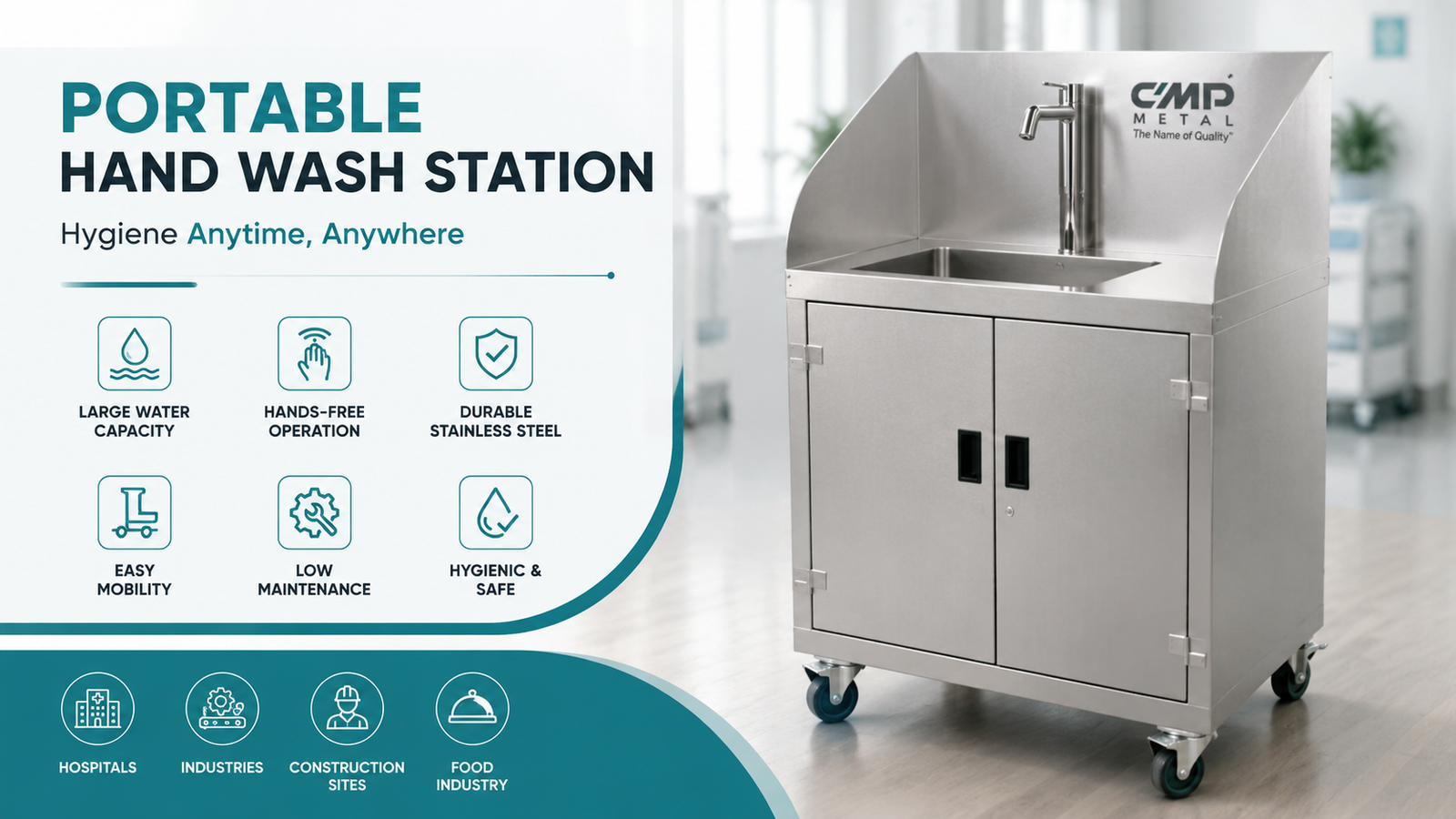
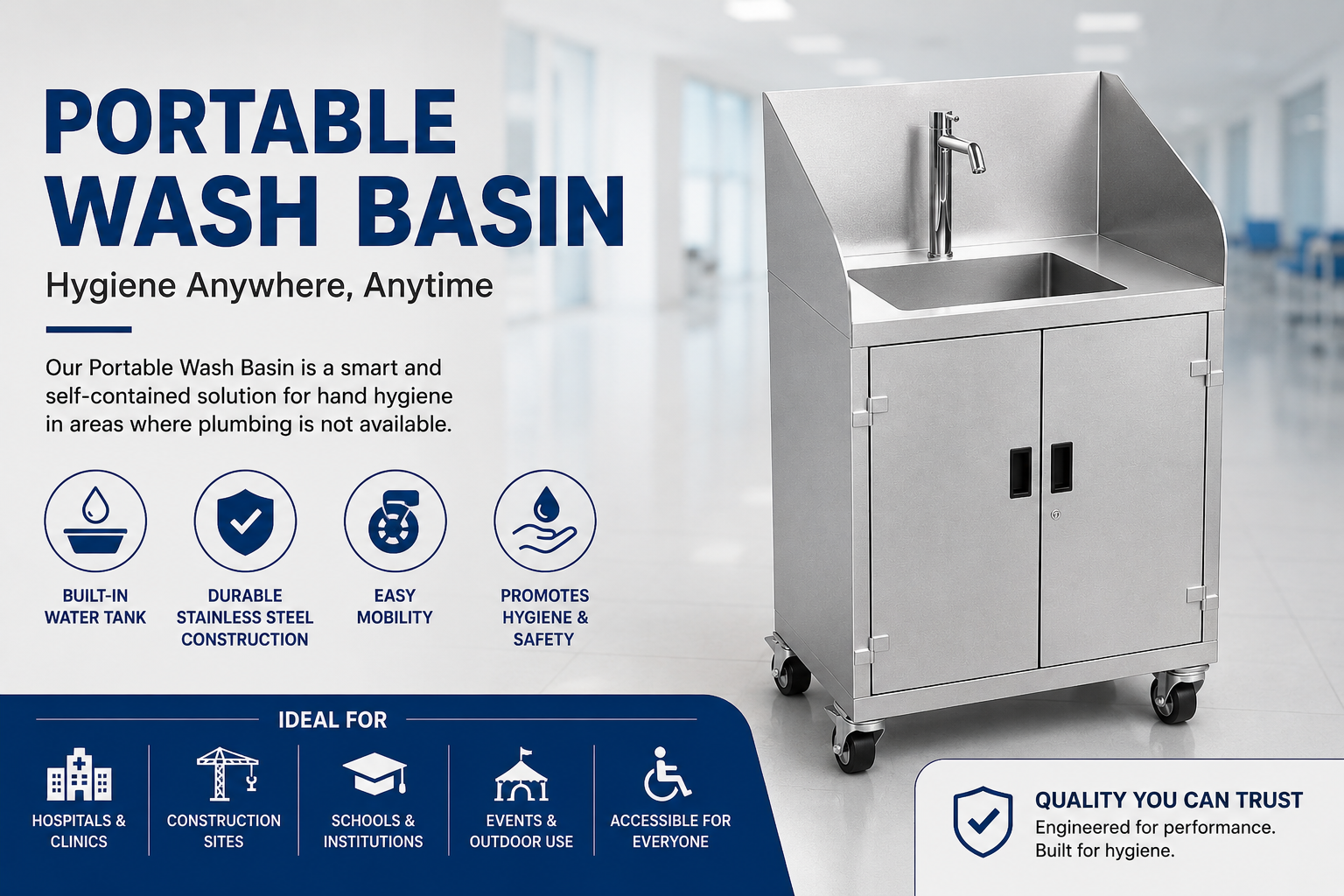
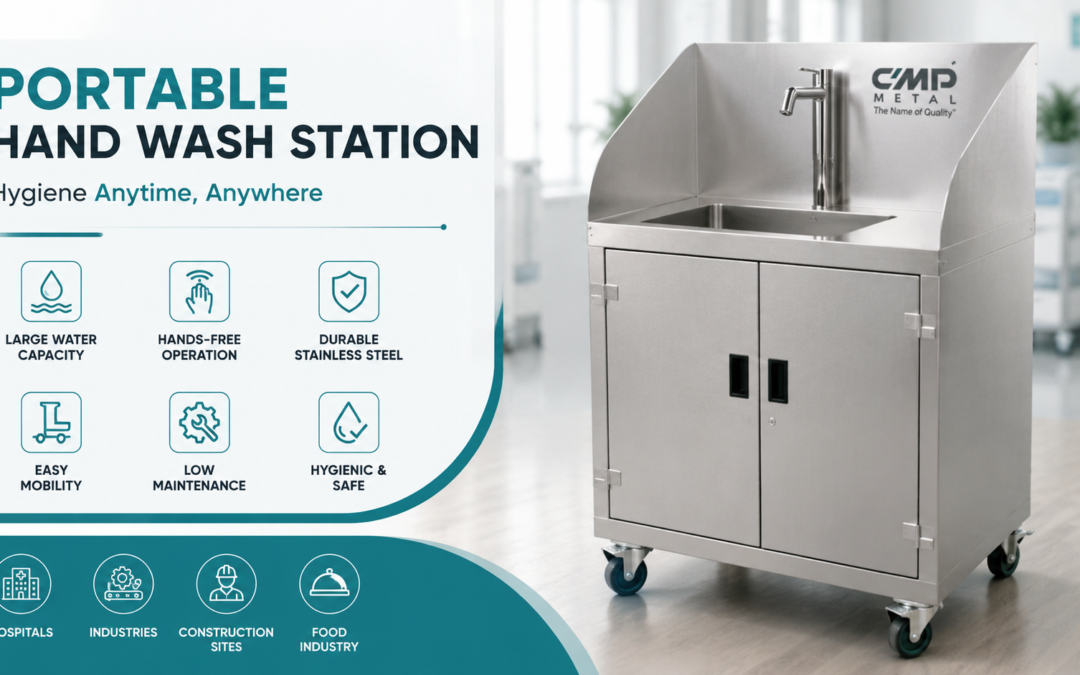
Portable Wash Basin

Introduction

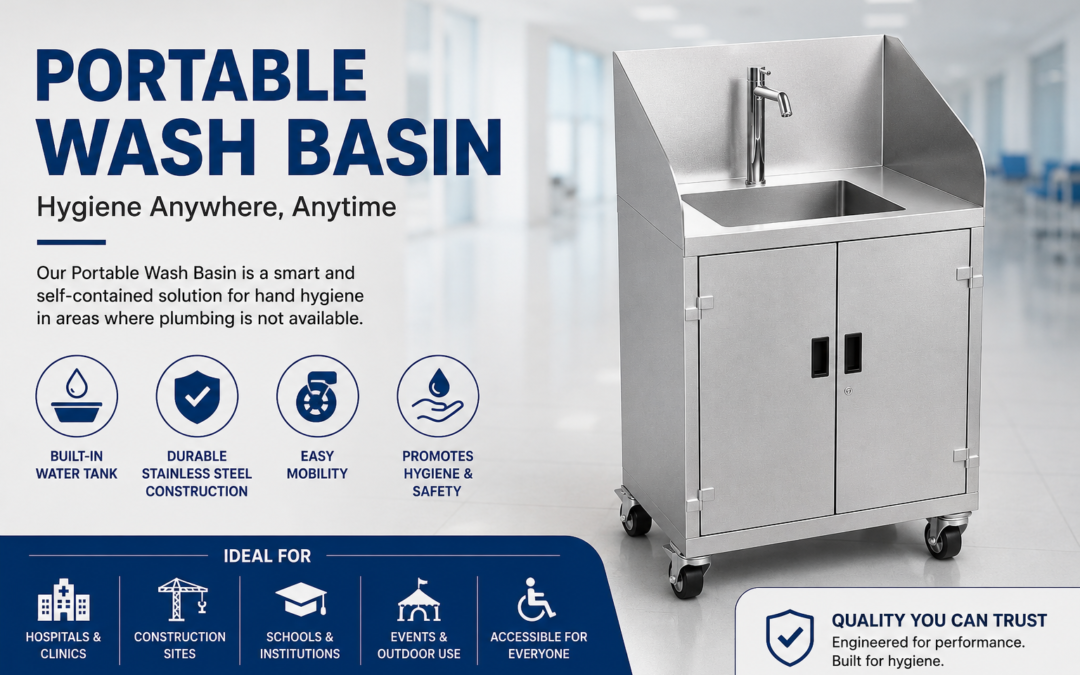
A portable wash basin is becoming an essential solution for modern hygiene needs. Whether you need a temporary handwashing setup at an outdoor event, a convenient sink for camping, or a salon-friendly washing station, portable basins offer flexibility and convenience without complicated plumbing.

Many people struggle with maintaining hygiene in places where permanent wash stations are unavailable. Construction sites, outdoor kitchens, campsites, medical camps, salons, and even small apartments often need a practical washing solution. That’s where portable systems become highly useful.

Today, users want compact, lightweight, easy-to-carry, and water-efficient solutions. From a portable hand wash basin with water tank to a portable wash basin with stand, there are several options designed for different purposes.

Common Problems Users Face

Limited Access to Plumbing

Outdoor events, campsites, and temporary workplaces often do not have permanent water connections.

Hygiene Concerns

Poor hand hygiene can increase health risks, especially in food preparation areas and healthcare environments.

Space Constraints

Small spaces may not support traditional sink installations, making portable units a practical alternative.

Difficult Transportation

Heavy washing units are difficult to move. Users prefer foldable and lightweight designs.

What Is a Portable Wash Basin?

A portable wash basin is a movable sink system designed for washing hands, utensils, hair, or small items without permanent plumbing installation.

These units may include:

  • Water tank
  • Drainage system
  • Faucet or tap
  • Foldable stand
  • Soap dispenser
  • Mobility wheels

A portable wash basin sink is highly useful for temporary setups and outdoor hygiene applications.

Types of Portable Wash Basin

1. Portable Hand Wash Basin with Water Tank

These units come with clean water storage and wastewater collection systems.

Best for:

  • Medical camps
  • Outdoor food stalls
  • Schools
  • Public events

2. Portable Wash Basin for Camping

A portable wash basin for camping is lightweight, compact, and easy to carry during outdoor trips.

Features include:

  • Foldable structure
  • Compact storage
  • Foot pump operation
  • Easy assembly

3. Portable Hair Wash Basin

A portable hair wash basin is commonly used in salons, elderly care, and home beauty services.

Main features:

  • Adjustable height
  • Comfortable neck support
  • Drain hose system
  • Portable design

4. Portable Wash Basin with Stand

This type provides better stability and user comfort for commercial or outdoor use.

Key Features to Look For

Water Capacity

Choose the tank size according to usage duration and number of users.

Material Quality

High-quality plastic and stainless steel provide durability and easy cleaning.

Mobility

Lightweight construction and wheels improve portability.

Drainage System

Efficient wastewater drainage helps maintain hygiene and cleanliness.

Ease of Setup

Quick installation saves time and effort.

Benefits of Using a Portable Wash Basin

  • Improves hygiene in temporary spaces
  • No permanent plumbing required
  • Easy transportation and mobility
  • Space-saving design
  • Simple maintenance and cleaning
  • Suitable for indoor and outdoor use

Portable Wash Basin Comparison Table

Feature Basic Portable Basin Portable Basin with Water Tank Portable Wash Basin with Stand
Water Storage No Yes Optional
Mobility Medium High Medium
Best Use Indoor temporary use Outdoor & events Commercial use
Plumbing Needed Sometimes No Sometimes
Setup Time Quick Moderate Moderate
Stability Basic Good Excellent

Step-by-Step Buying Guide

Step 1: Identify the Purpose

Understand where and how the basin will be used:

  • Camping
  • Salon services
  • Industrial hygiene
  • Outdoor events

Step 2: Check Water Capacity

Larger tanks are ideal for long-duration use and multiple users.

Step 3: Evaluate Portability

Choose foldable and lightweight models if frequent transportation is required.

Step 4: Consider User Comfort

Adjustable height and ergonomic design improve usability.

Step 5: Verify Maintenance Requirements

Easy-to-clean surfaces and removable tanks simplify maintenance.

Common Mistakes to Avoid

  • Ignoring water tank size
  • Choosing poor-quality materials
  • Overlooking drainage systems
  • Buying oversized models
  • Ignoring actual usage requirements

Expert Tips

  • Use separate clean and wastewater tanks
  • Clean the basin regularly to prevent odor buildup
  • Store the unit dry after use
  • Choose foot-operated models for public use
  • Invest in durable materials for long-term performance

Related Semantic Keywords

portable sink station, mobile hand wash station, outdoor handwashing sink, camping wash station, portable hygiene station, foldable wash basin, compact portable sink, portable sanitation solution, travel wash basin, salon wash basin, movable sink unit, temporary hand wash station, utility wash station, lightweight wash basin, self-contained wash basin

FAQs

1. What is a portable wash basin used for?

A portable wash basin is used for handwashing, dishwashing, hair washing, and hygiene maintenance in places without permanent plumbing.

2. Is a portable wash basin suitable for camping?

Yes, a portable wash basin for camping is specially designed for outdoor use and travel convenience.

3. What is the advantage of a portable hand wash basin with water tank?

It provides a complete washing solution without requiring direct plumbing connections.

4. Can portable wash basins be used indoors?

Yes, they are commonly used in salons, clinics, apartments, and temporary workspaces.

5. How do you clean a portable wash basin?

Use mild detergent, empty wastewater tanks regularly, and dry the system before storage.

6. Are portable hair wash basins comfortable?

Yes, modern portable hair wash basin models include ergonomic neck support and adjustable height features.

7. Which material is best for a portable wash basin sink?

Stainless steel and durable plastic are considered reliable, lightweight, and easy to maintain.

Conclusion

A portable wash basin is a practical and flexible hygiene solution for locations where permanent plumbing is unavailable. Whether you need a portable wash basin with stand, a portable hand wash basin with water tank, or a portable wash basin sink for camping or commercial use, selecting the right model can significantly improve convenience and cleanliness.

By understanding the features, avoiding common buying mistakes, and focusing on long-term usability, users can choose a portable washing solution that delivers reliable performance and better hygiene management.


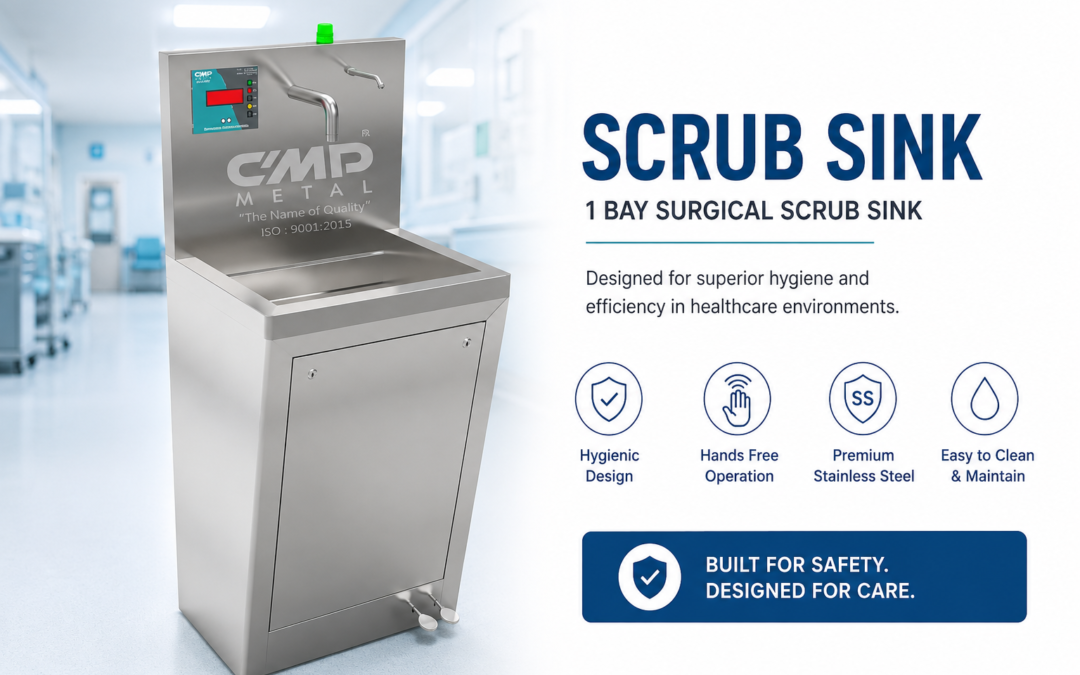
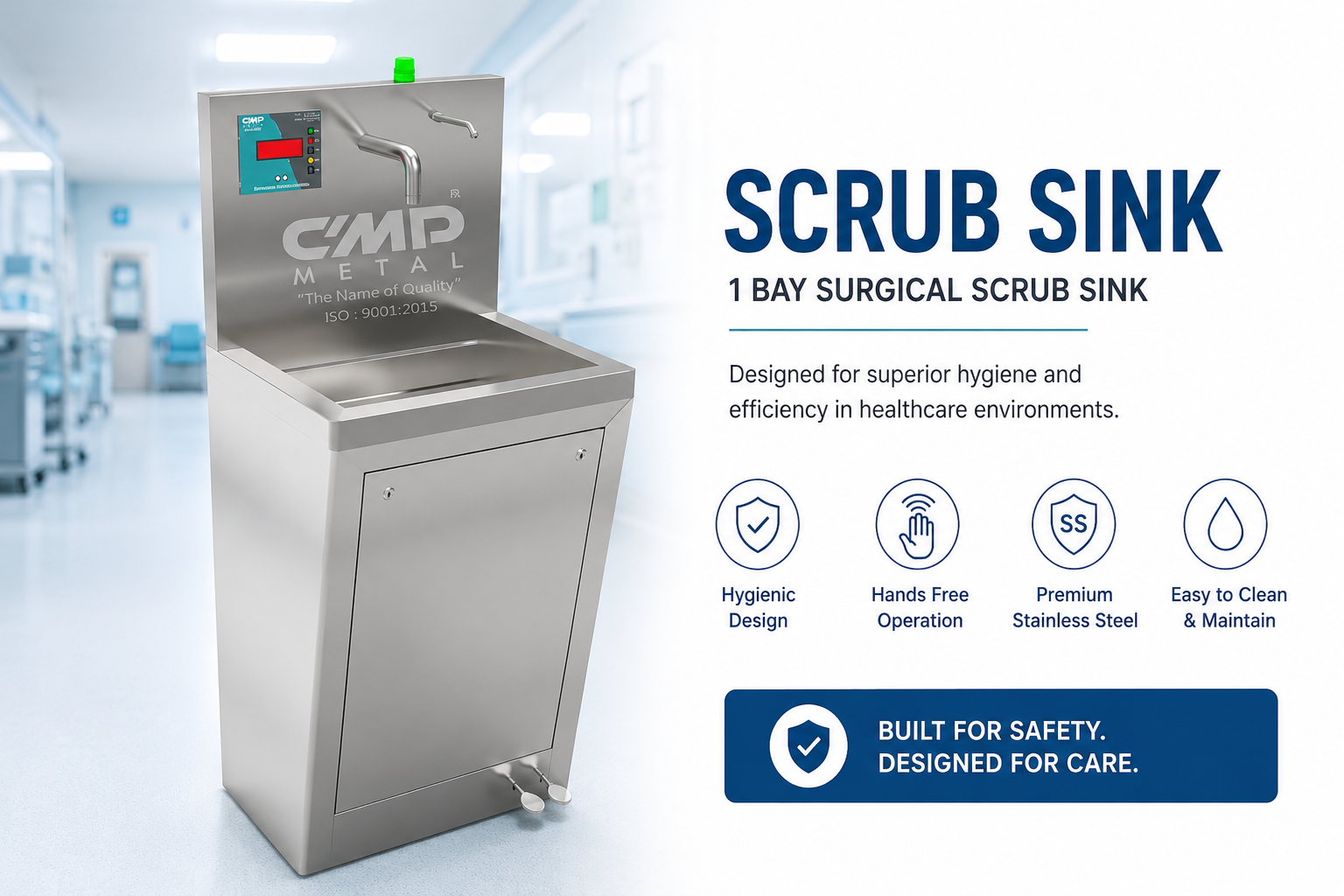
Surgical Scrub Sink Manufacturer: Complete Guide for Hospitals & Operating Rooms

Surgical Scrub Sink Manufacturer: Complete Guide for Hospitals & Operating Rooms

Surgical Scrub Sink Manufacturer: Complete Guide for Hospitals & Operating Rooms

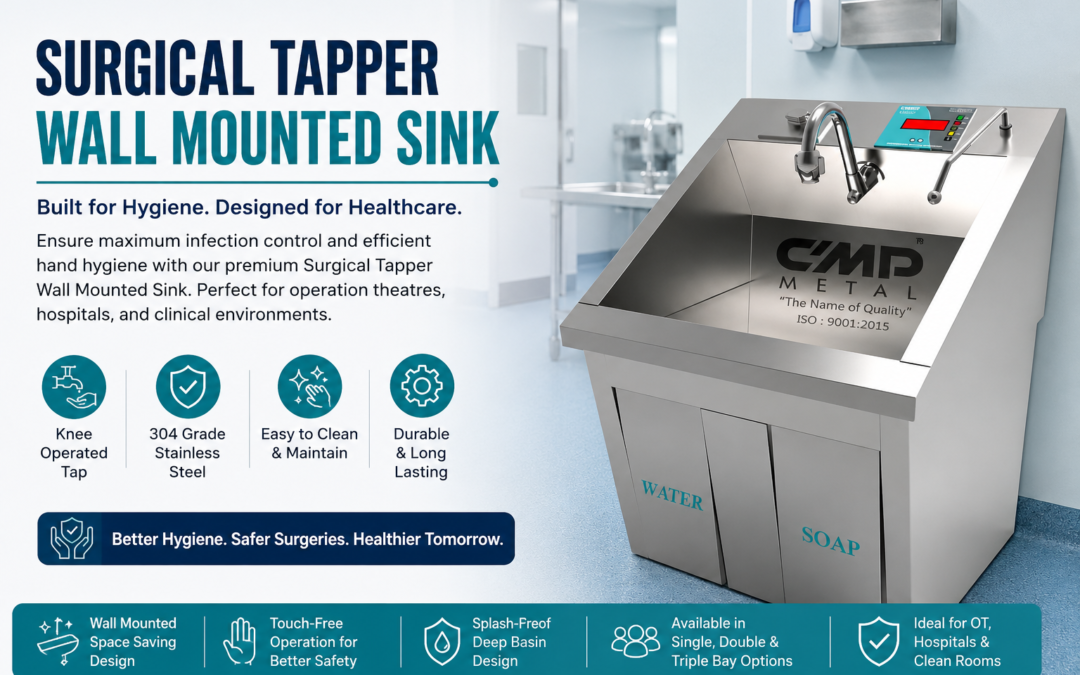
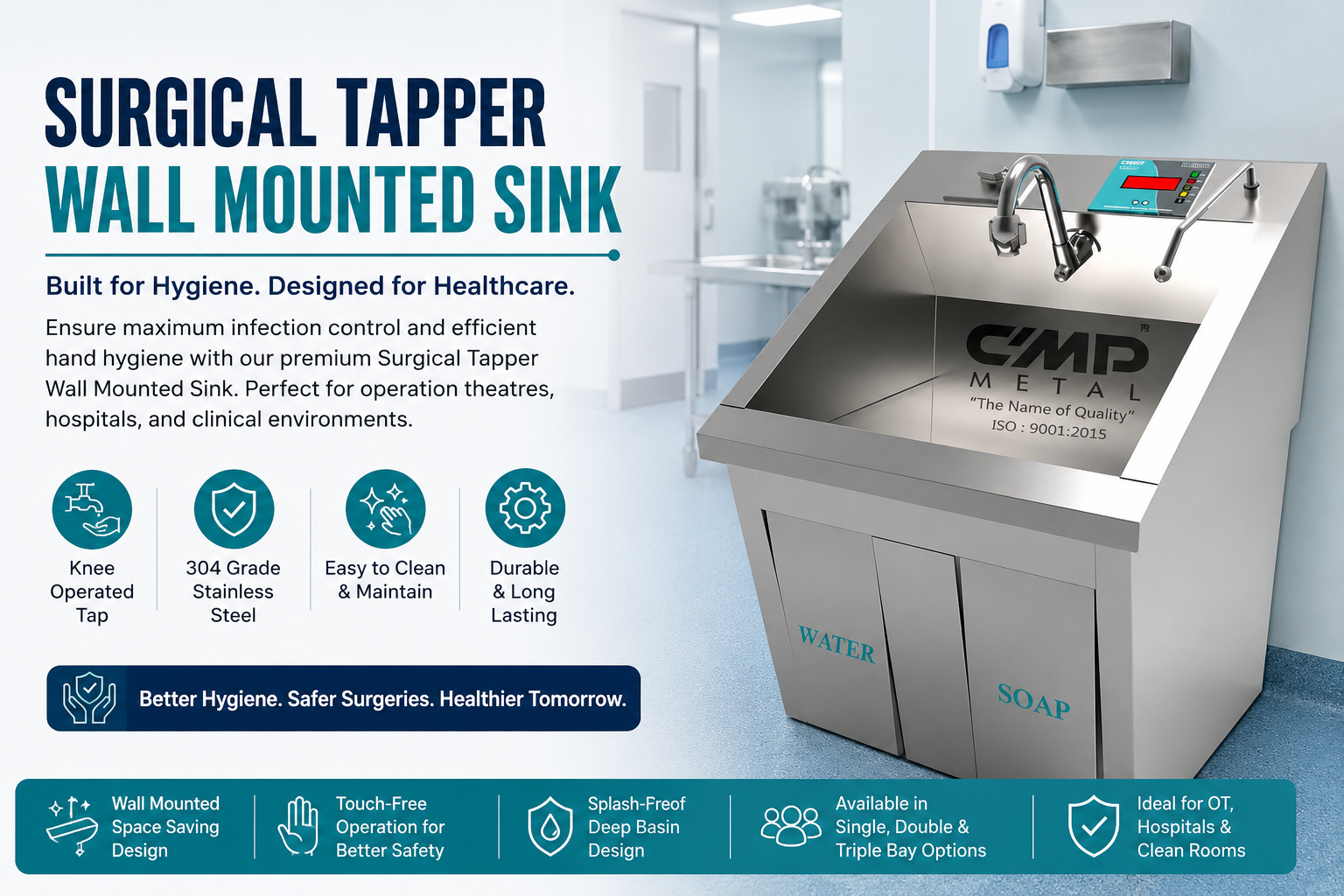
Surgical Scrub Sink Manufacturer

Surgical Scrub Sink Manufacturer: Complete Guide for Hospitals & Operating Rooms

Introduction

In hospitals and healthcare facilities, hygiene is not just important — it is critical. A small mistake in sanitation can increase the risk of infections, especially inside operation theatres. That is why choosing the right surgical scrub sink manufacturer becomes a major decision for hospitals, clinics, and healthcare infrastructure projects.

A high-quality hospital scrub sink helps surgeons and medical staff maintain strict hand hygiene before entering the operating room. Modern healthcare environments now require durable, easy-to-clean, and ergonomically designed scrub stations that support infection control standards.

Whether you are building a new hospital, upgrading an OT setup, or searching for an ot scrub sink manufacturer, understanding the right features and buying process can help you make a better long-term investment.

Why Surgical Scrub Sinks Matter in Hospitals

Before every surgery, doctors and surgical staff must properly scrub their hands and arms to reduce contamination risks. A standard wash basin is not enough for this process. Hospitals require specially designed surgical scrub sink station systems that support sterile practices.

These sinks are commonly installed in:

  • Operation theatres
  • Pre-operative areas
  • Emergency surgery departments
  • ICU surgical preparation zones
  • Specialty healthcare centers

A professionally manufactured operating room scrub sink improves workflow efficiency and helps maintain strict hygiene protocols.

Common Problems Hospitals Face

1. Rust and Corrosion

Low-grade stainless steel often starts corroding after continuous exposure to water and disinfectants.

2. Difficult Cleaning

Poor sink design creates corners and joints where bacteria can accumulate.

3. Water Splashing

Improper basin depth can lead to water splashing on surgical clothing and surrounding floors.

4. Touch-Based Operation

Traditional taps require physical contact, increasing contamination risks.

5. Poor Drainage

Inadequate drainage systems can cause water stagnation and hygiene concerns.

Choosing an experienced ss scrub sink manufacturer india helps avoid these issues and ensures long-lasting performance.

What Is a Surgical Scrub Sink Station?

A surgical scrub sink station is a specially designed stainless steel sink unit used by surgeons and medical staff for pre-surgical hand washing.

Unlike regular sinks, these stations are designed with:

  • Deep bowls
  • Sensor taps
  • Knee-operated controls
  • Seamless welding
  • Splash prevention
  • Medical-grade stainless steel

The goal is to support sterile hand preparation while minimizing contamination risks.

Types of Surgical Scrub Sinks

Single Station Scrub Sink

Suitable for:

  • Small clinics
  • Dental surgery rooms
  • Diagnostic centers

Features:

  • Compact design
  • Space-saving installation
  • Cost-effective option

Double Station Scrub Sink

Suitable for:

  • Medium-sized hospitals
  • Multi-doctor OT rooms

Features:

  • Allows two users simultaneously
  • Better workflow management

Triple or Multi-Station Scrub Sink

Suitable for:

  • Large hospitals
  • Advanced surgical centers

Features:

  • High efficiency
  • Supports multiple surgeons
  • Ideal for busy operation theatres

Wall-Mounted Scrub Sink

  • Easy floor cleaning
  • Modern appearance
  • Better hygiene maintenance

Key Features to Look For

Medical-Grade Stainless Steel

Most premium sinks use SS 304 stainless steel because it offers:

  • Corrosion resistance
  • Long life
  • Easy cleaning
  • Smooth surface finish

Hands-Free Operation

Touchless systems reduce cross-contamination.

Common options include:

  • Sensor taps
  • Knee-operated valves
  • Foot-operated controls

Seamless Construction

A seamless design prevents dirt and bacteria buildup.

Ergonomic Design

Good sink depth and height improve comfort during long surgical procedures.

Efficient Drainage System

Proper drainage prevents water accumulation and supports faster cleaning.

Benefits of Choosing a Professional OT Scrub Sink Manufacturer

Feature Professional Manufacturer Low-Quality Supplier
Material Quality Medical-grade SS Low-grade steel
Hygiene Standards High Inconsistent
Durability Long-lasting Short lifespan
Customization Available Limited
Maintenance Easy Frequent repairs
Compliance Hospital standards Often missing

Step-by-Step Buying Guide

Step 1: Assess Hospital Requirements

  • Number of OT rooms
  • Daily surgical load
  • Space availability
  • User capacity

Step 2: Check Material Quality

  • SS 304 grade
  • Anti-rust finish
  • Smooth welded construction

Step 3: Decide the Operation Type

  • Sensor-operated
  • Knee-operated
  • Foot-operated systems

Step 4: Verify Hygiene Features

  • Rounded corners
  • Easy cleaning
  • Splash control
  • Seamless welding

Step 5: Ask for Customization

  • Multiple stations
  • Custom dimensions
  • Special plumbing setups
  • Integrated soap dispensers

Step 6: Compare Manufacturer Experience

  • Hospital project experience
  • OT equipment expertise
  • Positive client history
  • Technical support availability

Common Mistakes to Avoid

Ignoring Stainless Steel Grade

Using poor-quality steel can lead to rust and contamination problems.

Choosing Based Only on Price

Cheap products often result in:

  • Frequent repairs
  • Hygiene issues
  • Short product life

Poor Space Planning

Improper installation affects movement inside surgical preparation areas.

Skipping Maintenance Considerations

Complex designs can make daily cleaning difficult.

Not Checking Water Flow Design

Improper faucet positioning increases splashing and water wastage.

Expert Tips for Better Performance

Use Sensor-Based Systems

Touch-free systems improve infection control significantly.

Prefer Rounded Edges

Sharp edges trap dirt and are harder to clean.

Install Proper Lighting Near the Sink

Good visibility improves cleaning and maintenance efficiency.

Schedule Regular Maintenance

Routine inspection helps prevent:

  • Water leakage
  • Drain blockage
  • Sensor malfunction

Train Staff Properly

Even the best scrub the sink process becomes ineffective without proper hand hygiene training.

How Surgical Scrub Sinks Support Infection Control

Hospital-acquired infections remain a major challenge worldwide. Proper scrub stations help reduce contamination risks before surgery.

Benefits include:

  • Better surgical hygiene
  • Reduced bacterial transfer
  • Improved OT safety
  • Compliance with healthcare standards

Modern operating room scrub sink systems are designed specifically to support infection prevention protocols.

FAQ Section

1. What is a surgical scrub sink used for?

A surgical scrub sink is used by surgeons and medical staff to wash and disinfect their hands before entering the operation theatre.

2. Which material is best for hospital scrub sinks?

SS 304 stainless steel is considered the best choice because it is corrosion-resistant, durable, and easy to clean.

3. Why are touchless scrub sinks preferred in hospitals?

Touchless systems reduce physical contact and help prevent bacterial contamination during surgical preparation.

4. How many scrub stations should a hospital install?

The number depends on the size of the OT department, surgical workload, and staff requirements.

5. What is the difference between a normal sink and an operating room scrub sink?

An operating room scrub sink is specially designed for sterile surgical hand washing and includes hygiene-focused features like deep basins and touch-free operation.

6. Can scrub sinks be customized?

Yes, many professional manufacturers provide customized sizes, multi-station setups, and additional accessories based on hospital needs.

7. How do I choose the right OT scrub sink manufacturer?

Look for manufacturers with healthcare industry experience, high-quality stainless steel fabrication, customization options, and strong hygiene standards.

Conclusion

Selecting the right surgical scrub sink manufacturer is essential for maintaining hygiene, improving workflow, and supporting infection control in healthcare environments.

A well-designed hospital scrub sink not only enhances safety for surgeons and patients but also ensures long-term durability and easier maintenance.

Whether you need a compact scrub station for a clinic or a multi-user surgical scrub sink station for a large hospital, focusing on material quality, ergonomic design, hygiene standards, and reliable manufacturing can help you make the right decision.

Investing in a high-quality operating room scrub sink ultimately supports safer surgeries and better healthcare outcomes.


Endoscope Washing Sink: A Complete Guide for Safe and Efficient Reprocessing

Endoscope Washing Sink: A Complete Guide for Safe and Efficient Reprocessing

Endoscope Washing Sink: A Complete Guide for Safe and Efficient Reprocessing

Endoscope Washing Sink

Introduction

In hospitals, diagnostic centers, and endoscopy clinics, hygiene is not just important — it is critical. One small mistake during endoscope cleaning can increase the risk of contamination, infection transmission, and equipment damage. That is why an endoscope washing sink plays such an important role in healthcare environments.

Modern healthcare facilities rely on specialized endoscope washing sinks to maintain proper cleaning, disinfection, and reprocessing workflows. Unlike standard sinks, these systems are designed specifically for handling delicate endoscopic instruments safely and efficiently.

As infection control standards become stricter worldwide, the demand in the endoscope washing sinks market is also growing rapidly. Facilities are now focusing on better cleaning infrastructure to improve compliance, workflow efficiency, and patient safety.

This guide explains everything you need to know about endoscope cleaning systems, sink types, benefits, buying factors, and common mistakes to avoid.

Why Endoscope Cleaning Requires Specialized Sinks

Endoscopes are delicate medical instruments with narrow channels and sensitive surfaces. Improper cleaning can lead to:

  • Cross-contamination
  • Device damage
  • Biofilm buildup
  • Infection outbreaks
  • Failed compliance inspections

A regular stainless steel sink may not provide the correct dimensions, ergonomics, or contamination control needed for medical reprocessing. That is why hospitals use dedicated endoscope cleaning sink systems designed according to healthcare hygiene standards.

These sinks help create a controlled workflow for:

  • Pre-cleaning
  • Leak testing
  • Manual washing
  • Rinsing
  • High-level disinfection
  • Drying preparation

Common Problems Healthcare Facilities Face

Many hospitals and clinics struggle with inefficient reprocessing setups. Some of the most common issues include:

Insufficient Sink Depth

Standard sinks may not fit long endoscopes properly, increasing the risk of bending or damage.

Poor Workflow Design

Improper sink placement can create contamination risks between dirty and clean instruments.

Water Splash and Spillage

Without proper sink design, water contamination can spread to nearby work areas.

Chemical Exposure Risks

Harsh disinfectants used during cleaning require sinks that resist corrosion and chemical damage.

Difficult Cleaning Procedures

Improper sink configuration increases staff fatigue and slows down reprocessing operations.

This is why specialized endoscope decontamination sinks are becoming essential in modern medical infrastructure.

What Is an Endoscope Washing Sink?

An endoscope washing sink is a medical-grade sink system specifically designed for cleaning and reprocessing flexible or rigid endoscopes.

These sinks are generally manufactured using high-quality stainless steel and include features that support infection control standards.

Typical Components Include:

  • Deep sink bowls
  • Rounded corners for easy cleaning
  • Drainage systems
  • Water spray guns
  • Storage cabinets
  • Flexible faucets
  • Sink dividers
  • Drying accessories
  • Chemical-resistant surfaces

Many advanced systems also include an endoscope cleaning sink insert for separating instruments safely during washing.

Types of Endoscope Washing Sinks

1. Single-Bowl Endoscope Cleaning Sink

Best for:

  • Small clinics
  • Low-volume endoscopy centers

Advantages:

  • Space-saving
  • Cost-effective
  • Easy installation

2. Double-Bowl Endoscope Reprocessing Sink

Best for:

  • Mid-sized healthcare facilities

Advantages:

  • Separate washing and rinsing
  • Better contamination control
  • Improved workflow efficiency

3. Triple-Bowl Endoscope Decontamination Sinks

Best for:

  • Large hospitals
  • High-volume endoscopy departments

Advantages:

  • Dedicated stages for cleaning, rinsing, and disinfection
  • Supports standardized protocols
  • Reduces cross-contamination risks

4. Customized Endoscope Reprocessing Sink Systems

Best for:

  • Specialized medical facilities
  • Custom workflow environments

Advantages:

  • Tailored dimensions
  • Integrated accessories
  • Better ergonomic performance

Key Features to Look For

Choosing the right endoscope washing sink requires attention to both hygiene and operational efficiency.

Deep Bowl Design

Allows safe placement of long endoscopes without bending or twisting.

Seamless Stainless Steel Construction

Helps reduce bacterial growth and improves cleaning efficiency.

Ergonomic Height

Reduces staff fatigue during long cleaning procedures.

Chemical Resistance

Protects against corrosion caused by disinfectants and cleaning agents.

Rounded Internal Corners

Prevents dirt accumulation and simplifies sanitation.

Integrated Spray Systems

Improves washing efficiency and water flow control.

Endoscope Cleaning Sink Insert

An endoscope cleaning sink insert helps organize delicate instruments and prevent accidental damage during washing.

Benefits of Using Specialized Endoscope Washing Sinks

Improved Infection Control

Proper sink systems support healthcare hygiene standards and reduce contamination risks.

Better Equipment Protection

Specialized sinks minimize physical damage to expensive endoscopic instruments.

Faster Workflow

Dedicated reprocessing stations improve operational efficiency.

Regulatory Compliance

Healthcare facilities must follow strict cleaning guidelines. Proper sink systems help maintain compliance.

Staff Safety

Ergonomic and well-designed sinks reduce strain injuries and chemical exposure.

Endoscope Washing Sink vs Standard Sink

Feature Endoscope Washing Sink Standard Sink
Designed for medical instruments Yes No
Deep bowl structure Yes Limited
Chemical resistance High Moderate
Infection control support Excellent Poor
Ergonomic design Yes Limited
Instrument protection High Low
Healthcare compliance Suitable Often unsuitable

Step-by-Step Buying Guide

Step 1: Evaluate Facility Size

Understand daily endoscope cleaning volume before selecting sink capacity.

Step 2: Check Workflow Requirements

Determine whether you need single, double, or triple-bowl systems.

Step 3: Verify Material Quality

Choose medical-grade stainless steel with corrosion resistance.

Step 4: Focus on Ergonomics

Ensure staff comfort during long cleaning procedures.

Step 5: Consider Accessories

  • Spray guns
  • Sink inserts
  • Drying racks
  • Storage cabinets

Step 6: Ensure Compliance

Check compatibility with healthcare hygiene and infection control standards.

Step 7: Choose Reliable Manufacturers

Experienced manufacturers provide better customization, durability, and after-sales support.

Growth of the Endoscope Washing Sinks Market

The global endoscope washing sinks market is growing because of:

  • Rising healthcare infrastructure
  • Increasing endoscopy procedures
  • Stricter infection control regulations
  • Growing awareness about patient safety
  • Demand for advanced reprocessing systems

Hospitals now invest heavily in efficient endoscope reprocessing sink solutions to improve operational standards and reduce infection risks.

Common Mistakes to Avoid

Choosing Standard Utility Sinks

Regular sinks are not suitable for delicate medical equipment.

Ignoring Workflow Design

Poor sink placement can create contamination issues.

Buying Without Measuring Endoscope Length

Incorrect dimensions can damage instruments.

Overlooking Water Drainage

Improper drainage increases hygiene risks.

Ignoring Staff Ergonomics

Uncomfortable sink heights can reduce productivity and increase fatigue.

Expert Tips for Better Endoscope Reprocessing

  • Use dedicated dirty-to-clean workflow zones
  • Clean sinks regularly after every cycle
  • Train staff on reprocessing procedures
  • Inspect sink drainage systems frequently
  • Replace damaged sink accessories immediately
  • Use compatible cleaning chemicals only

A properly maintained endoscope cleaning sink improves both patient safety and equipment lifespan.

FAQs

1. What is an endoscope washing sink used for?

An endoscope washing sink is used for cleaning, rinsing, and reprocessing endoscopic instruments safely in healthcare facilities.

2. Why are specialized endoscope cleaning sinks important?

They help reduce contamination risks, protect delicate instruments, and support infection control compliance.

3. What material is best for endoscope washing sinks?

Medical-grade stainless steel is the preferred material because it is durable, corrosion-resistant, and easy to sanitize.

4. What is an endoscope cleaning sink insert?

An endoscope cleaning sink insert is an accessory that helps organize and protect instruments during cleaning procedures.

5. How many bowls should an endoscope reprocessing sink have?

The number of bowls depends on workflow requirements. High-volume facilities often use double or triple-bowl systems.

6. Are endoscope decontamination sinks required for hospitals?

Many healthcare facilities use them to meet hygiene standards and improve patient safety during endoscope reprocessing.

7. What factors affect the endoscope washing sinks market?

Growing healthcare infrastructure, increasing endoscopy procedures, and stricter infection control regulations are major growth factors.

Conclusion

An endoscope washing sink is more than just a cleaning station. It is a critical part of modern healthcare infection control and endoscope reprocessing workflows.

With rising healthcare standards and growing patient safety concerns, hospitals and clinics are investing in advanced endoscope washing sinks, endoscope decontamination sinks, and specialized reprocessing systems.

Choosing the right sink setup improves workflow efficiency, protects delicate instruments, supports compliance, and helps create a safer healthcare environment for both patients and medical staff.


Clinical Sink Unit for Hospital: Complete Guide to Bed Pan Washing Sink & Hygiene Solutions

Clinical Sink Unit for Hospital: Complete Guide to Bed Pan Washing Sink & Hygiene Solutions

Clinical Sink Unit for Hospital: Complete Guide to Bed Pan Washing Sink & Hygiene Solutions

Maintaining hygiene in healthcare environments is one of the most critical responsibilities for hospitals and medical facilities. Proper cleaning and disposal of medical waste require specialized equipment designed to meet strict sanitation standards. One such essential solution is the Clinical Sink, widely used in dirty utility rooms and hospital sanitation areas.

Today, leading Clinical Sink Unit Manufacturers in Mumbai are offering advanced stainless steel solutions that improve workflow, safety, and infection control across healthcare facilities.

What is a Clinical Sink Unit?

A Clinical Sink Unit for Hospital is a specially designed washing and disposal system used for cleaning bedpans, medical instruments, and contaminated materials. It plays a crucial role in maintaining hygiene and preventing infection spread.

These units are commonly installed in:

  • Hospitals and healthcare facilities
  • CSSD departments
  • Nursing homes
  • Laboratories
  • Sanitation zones

Importance of Bed Pan Washing Sink in Hospitals

A bed pan washing sink is a type of Medical Station designed specifically for cleaning and disinfecting bedpans and similar equipment. It ensures safe disposal of waste and reduces the risk of contamination.

Modern Washing Station solutions come with integrated flushing systems, spray guns, and ergonomic designs for efficient use.

Key Features of SS 304 Dirty Utility Station with Spray Gun

High-quality SS 304 Dirty Utility Station with Spray Gun units are designed to deliver durability, hygiene, and ease of use. These features make them ideal for demanding hospital environments.

  • Premium SS 304 stainless steel construction
  • Corrosion-resistant and rust-proof surface
  • Integrated spray gun for efficient cleaning
  • Seamless design for easy maintenance
  • Long service life

Hospital Instrument Washing Sink: Why It Matters

A Hospital Instrument Washing Sink Mumbai is essential for cleaning surgical tools and medical instruments before sterilization. It ensures that all equipment is free from contaminants before reuse.

Using high-quality Stainless Steel Sinks ensures better hygiene and long-term durability, especially in high-usage environments.

Sluice Sink with Handheld Spray – Efficient Cleaning Solution

The Sluice Sink with Handheld Spray Mumbai is designed for quick and effective cleaning of waste containers and medical tools. The handheld spray improves reach and efficiency, reducing manual effort.

These systems are widely used in dirty utility rooms where hygiene and speed are critical.

Medical Disposal Sink with Integrated Taps

Modern hospitals require advanced solutions like Medical Disposal Sink with Integrated Taps to streamline cleaning processes. These units combine flushing, washing, and drainage systems into a single compact design.

This not only saves space but also improves workflow efficiency in busy healthcare environments.

Applications of Clinical Sink Units

Clinical sink units are used in a wide range of healthcare applications:

  • Cleaning bedpans and urinals
  • Washing medical instruments
  • Handling contaminated waste
  • Maintaining hygiene in utility rooms
  • Supporting infection control protocols

Why Choose Stainless Steel for Healthcare Equipment?

Stainless steel is the preferred material for healthcare equipment due to its hygienic properties. Stainless Steel Sinks are easy to clean, resistant to corrosion, and highly durable.

  • Non-porous surface prevents bacteria growth
  • Easy to disinfect and maintain
  • Long-lasting performance
  • Cost-effective in the long run

Choosing the Right Manufacturer in Mumbai

Selecting the right manufacturer is crucial for ensuring product quality and performance. Trusted Clinical Sink Unit Manufacturers in Mumbai provide certified products that meet healthcare standards.

They also offer customization options based on hospital requirements, ensuring better usability and efficiency.

Explore High-Quality Bed Pan Washing Sink

If you are looking for a reliable and durable solution, explore this
Clinical Sink designed for modern healthcare environments.

It is built to deliver high performance, hygiene, and long-term reliability.

Conclusion

Healthcare facilities require efficient and hygienic solutions for waste disposal and cleaning. Clinical sink units, bed pan washing sinks, and dirty utility stations play a vital role in maintaining cleanliness and preventing infections.

Investing in high-quality stainless steel solutions ensures better performance, safety, and long-term value. Whether you are upgrading your facility or building a new one, choosing the right equipment is essential for maintaining healthcare standards.

Stainless Steel Sluice Sink: Complete Guide for Hospitals & CSSD Units

Stainless Steel Sluice Sink: Complete Guide for Hospitals & CSSD Units

Stainless Steel Sluice Sink: Complete Guide for Hospitals & CSSD Units

Hospital Slop Hopper with Wash Basin

Maintaining hygiene in healthcare environments is not just important—it is critical. From hospitals to laboratories, every facility dealing with contaminated waste requires efficient sanitation systems. One such essential solution is the Stainless Steel Sluice Sink, also known as a Hospital Slop Hopper with Wash Basin.

This blog provides a complete understanding of sluice sinks, their applications, benefits, and why they are widely used in modern healthcare infrastructure.

What is a Stainless Steel Sluice Sink?

A Sluice Sink is a specialized sanitation unit designed to safely dispose of contaminated liquids and waste materials such as bedpan contents, urine, and other medical waste. It is commonly installed in dirty utility rooms in hospitals.

These units are typically made of high-grade stainless steel, ensuring durability, corrosion resistance, and hygiene. When combined with a wash basin, it becomes a Sluice Unit with Wash Basin, allowing healthcare staff to clean equipment and maintain hygiene in one place.

Why Stainless Steel is Preferred for Sluice Sinks

Material selection plays a crucial role in healthcare equipment. Stainless steel, especially SS 304 grade, is the most preferred material due to its hygienic and durable properties.

  • Corrosion Resistance: Suitable for wet environments and chemical exposure
  • Easy to Clean: Smooth surface prevents bacterial growth
  • Durability: Long-lasting even in high-usage areas
  • Hygienic Construction: Seamless welding ensures no contamination traps

This makes stainless steel sluice sinks ideal for CSSD (Central Sterile Services Department) and hospital applications.

Key Components of a Hospital Slop Hopper with Wash Basin

A well-designed Hospital Slop Hopper comes with multiple functional components that improve efficiency and safety.

  • Flushing rim for effective waste removal
  • Jet spray or faucet for cleaning
  • Integrated wash basin for hand hygiene
  • P-trap drainage system to prevent odors
  • Wall-mounted or floor-standing options

These features ensure that healthcare workers can manage waste disposal and cleaning operations efficiently.

Applications of Sluice Sink in Healthcare

Sluice sinks are used across various healthcare and laboratory environments where sanitation is critical.

  • Hospitals (Dirty Utility Rooms)
  • CSSD Departments
  • Pharmaceutical Manufacturing Units
  • Diagnostic Laboratories
  • Research Facilities

In these environments, proper disposal of contaminated fluids is necessary to prevent infection and maintain safety standards.

Role of CSSD Sluice Sink in Infection Control

The CSSD Sluice Sink plays a vital role in infection control by ensuring safe handling and disposal of medical waste. Improper waste management can lead to cross-contamination and serious health risks.

With a dedicated sluice unit, hospitals can:

  • Minimize risk of infection spread
  • Maintain hygiene standards
  • Improve workflow efficiency
  • Ensure compliance with healthcare regulations

This makes sluice sinks an essential part of any infection control strategy.

Advantages of Sluice Unit with Wash Basin

A Sluice Unit with Wash Basin offers dual functionality, making it highly practical in hospital settings.

  • Allows simultaneous cleaning and waste disposal
  • Reduces movement between different stations
  • Improves staff productivity
  • Enhances overall hygiene management

This integrated solution is especially useful in high-traffic hospital areas.

Factors to Consider Before Choosing a Sluice Sink

Selecting the right sluice sink depends on multiple factors. Healthcare facilities must evaluate their requirements carefully.

  • Material Quality: Always choose SS 304 or higher
  • Design Type: Wall-mounted or floor-standing
  • Flushing System: Manual or automated
  • Size & Dimensions: Based on available space
  • Customization Options: As per hospital workflow

Choosing the right design ensures long-term usability and efficiency.

Importance of Choosing Reliable Manufacturers

When investing in healthcare equipment, quality should never be compromised. Choosing trusted Sluice Sink Manufacturers in Mumbai ensures you get reliable, durable, and compliant products.

Experienced manufacturers provide:

  • Custom design solutions
  • High-quality materials
  • Compliance with healthcare standards
  • After-sales support

This ensures long-term performance and safety.

Installation and Maintenance Tips

Proper installation and maintenance are essential to ensure the longevity and efficiency of sluice sinks.

  • Install in designated dirty utility areas
  • Ensure proper drainage and plumbing setup
  • Clean regularly with approved disinfectants
  • Check flushing systems periodically
  • Avoid using harsh chemicals that damage steel

Regular maintenance helps in maintaining hygiene and performance.

Modern Trends in Sluice Sink Design

Healthcare infrastructure is evolving, and so are sanitation solutions. Modern sluice sinks are designed with advanced features to enhance usability.

  • Sensor-based flushing systems
  • Ergonomic designs for easy use
  • Compact units for space-saving
  • Improved water efficiency

These innovations help hospitals improve efficiency while maintaining hygiene standards.

Explore a Reliable Sluice Sink Solution

If you are looking for a high-quality and durable solution, you can explore this product:

Stainless Steel Sluice Sink for Hospitals

This solution is designed to meet modern healthcare requirements with a focus on hygiene, durability, and efficiency.

Conclusion

The Stainless Steel Sluice Sink is a crucial component in maintaining hygiene and infection control in hospitals and healthcare facilities. Whether it is a Hospital Slop Hopper with Wash Basin or a CSSD Sluice Sink, these units ensure safe disposal of contaminated waste while supporting efficient cleaning processes.

By choosing the right Sluice Unit with Wash Basin and working with trusted Sluice Sink Manufacturers in Mumbai, healthcare facilities can significantly improve their sanitation standards and operational efficiency.

Investing in the right equipment today ensures a safer and more hygienic environment for tomorrow.

Dirty Utility Mop Sink: Hospital Cleaning System ka Essential Solution

Dirty Utility Mop Sink: Hospital Cleaning System ka Essential Solution

Dirty Utility Mop Sink: Hospital Cleaning System ka Essential Solution

dirty utility mop sink stainless steel with deep basin and anti splash design for hospitals

Healthcare industry me hygiene aur sanitation ka level bahut high maintain karna padta hai. Isi process ko efficient banane ke liye dirty utility mop sink ek important role play karta hai. Ye specially design kiya gaya sink hota hai jo hospital, laboratories aur healthcare facilities me cleaning aur waste handling ke liye use hota hai.

Aaj ke time me infection control aur contamination prevention ke liye utility mop sink for hospitals ka use almost mandatory ho gaya hai. Ye blog aapko detail me samjhata hai ki mop sink kya hota hai, iska use kahan hota hai, aur kyun stainless steel mop sink best choice maana jata hai.

What is a Dirty Utility Mop Sink?

Dirty utility sink ek specialized cleaning station hota hai jahan hospital ke housekeeping staff mops, buckets aur cleaning tools ko wash karte hain. Iska main purpose contaminated water ko safely dispose karna aur hygiene maintain karna hota hai.

Ye sinks specially design hote hain taki water splashing kam ho aur cleaning process smooth rahe. Hospital mop sink ka structure deep bowl design ke saath aata hai jo large cleaning equipment ke liye ideal hota hai.

Why Mop Sink is Important in Hospitals?

Hospitals me infection control sabse important factor hota hai. Agar cleaning process sahi na ho to bacteria aur viruses easily spread ho sakte hain. Isi liye mop sink hospital setup kaafi essential ho jata hai.

  • Contaminated water ka safe disposal
  • Cleaning tools ka proper sanitization
  • Cross contamination ko rokna
  • Housekeeping efficiency improve karna

Ek well-designed SS mop sink cleaning process ko fast aur hygienic banata hai.

Benefits of Stainless Steel Mop Sink

Market me different materials available hain, lekin Mop Sink Stainless Steel sabse jyada preferred option hai. Iske peeche kuch strong reasons hain:

1. Corrosion Resistance

Stainless steel water aur chemicals ke contact me bhi rust nahi hota, jo ise long-lasting banata hai.

2. Easy Cleaning

Smooth surface hone ki wajah se bacteria accumulate nahi hote aur cleaning easy ho jati hai.

3. High Durability

Stainless steel mop sink heavy usage ke liye perfect hai aur long time tak performance maintain karta hai.

4. Hygiene Friendly

Hospitals me hygiene sabse important hota hai, aur stainless steel iske liye ideal material hai.

Applications of Utility Mop Sink

Utility mop sink for hospitals sirf ek jagah nahi balki multiple areas me use hota hai:

  • Hospital utility rooms
  • Housekeeping stations
  • Pharmaceutical industries
  • Laboratories
  • Cleaning and sanitation zones

In sab areas me dirty utility mop sink ka use hygiene maintain karne ke liye hota hai.

Key Features of Mop Sink 400

Mop Sink 400 ek standard model hai jo hospitals aur industries ke liye suitable hai. Isme kuch important features hote hain:

  • Premium SS 304 stainless steel construction
  • Deep bowl design for easy washing
  • Anti-splash structure
  • Strong support legs
  • Efficient waste disposal system

Ye features ise ek reliable hospital mop sink solution banate hain.

Difference Between Mop Sink and Utility Sink

Kaafi log confuse hote hain ki mop sink aur utility sink same hote hain. Lekin dono me difference hota hai:

  • Mop Sink: Specially cleaning tools aur dirty water ke liye design hota hai
  • Utility Sink: General purpose washing ke liye use hota hai

Hospitals me specially dirty utility sink ka use hota hai kyunki ye contamination control ke liye designed hota hai.

How to Choose the Right Mop Sink?

Jab bhi aap SS mop sink select karte ho, kuch important factors dhyan me rakhna chahiye:

  • Material quality (SS 304 recommended)
  • Size and depth
  • Installation space
  • Drainage system
  • Cleaning requirements

Correct selection se aapka cleaning process aur efficient ho jata hai.

Installation and Maintenance Tips

Proper installation aur maintenance se stainless steel mop sink ki life aur performance dono improve hote hain.

  • Regular cleaning karo
  • Harsh chemicals avoid karo
  • Drain system check karte raho
  • Proper water flow maintain karo

Ye simple steps aapke mop sink hospital system ko long-lasting banate hain.

Why Stainless Steel is Best for Hospitals?

Healthcare sector me stainless steel ka use sabse jyada hota hai kyunki ye hygienic, durable aur easy to maintain hota hai. Isi wajah se Mop Sink Stainless Steel sabse best option maana jata hai.

Ye material infection control standards ko follow karta hai aur hospital environment ke liye perfectly suitable hai.

Explore High Quality Mop Sink Solutions

Agar aap hospital ya industrial use ke liye high-quality dirty utility mop sink dhoond rahe hain, to aap detailed product specifications yahan check kar sakte hain:

View Dirty Utility Mop Sink Product

Conclusion

Aaj ke time me hygiene aur sanitation ko maintain karna bahut important ho gaya hai, especially healthcare sector me. Isi requirement ko fulfill karne ke liye utility mop sink for hospitals ek essential solution hai.

Chahe aap hospital manage kar rahe ho ya industrial cleaning system setup kar rahe ho, ek high-quality stainless steel mop sink aapko better performance aur long-term durability provide karta hai.

Isliye sahi design aur material ke saath hospital mop sink choose karna bahut zaroori hai taki aapka sanitation system effective aur reliable rahe.