

Hopper Sink Medical: A Complete Guide for Hospitals and Healthcare Facilities
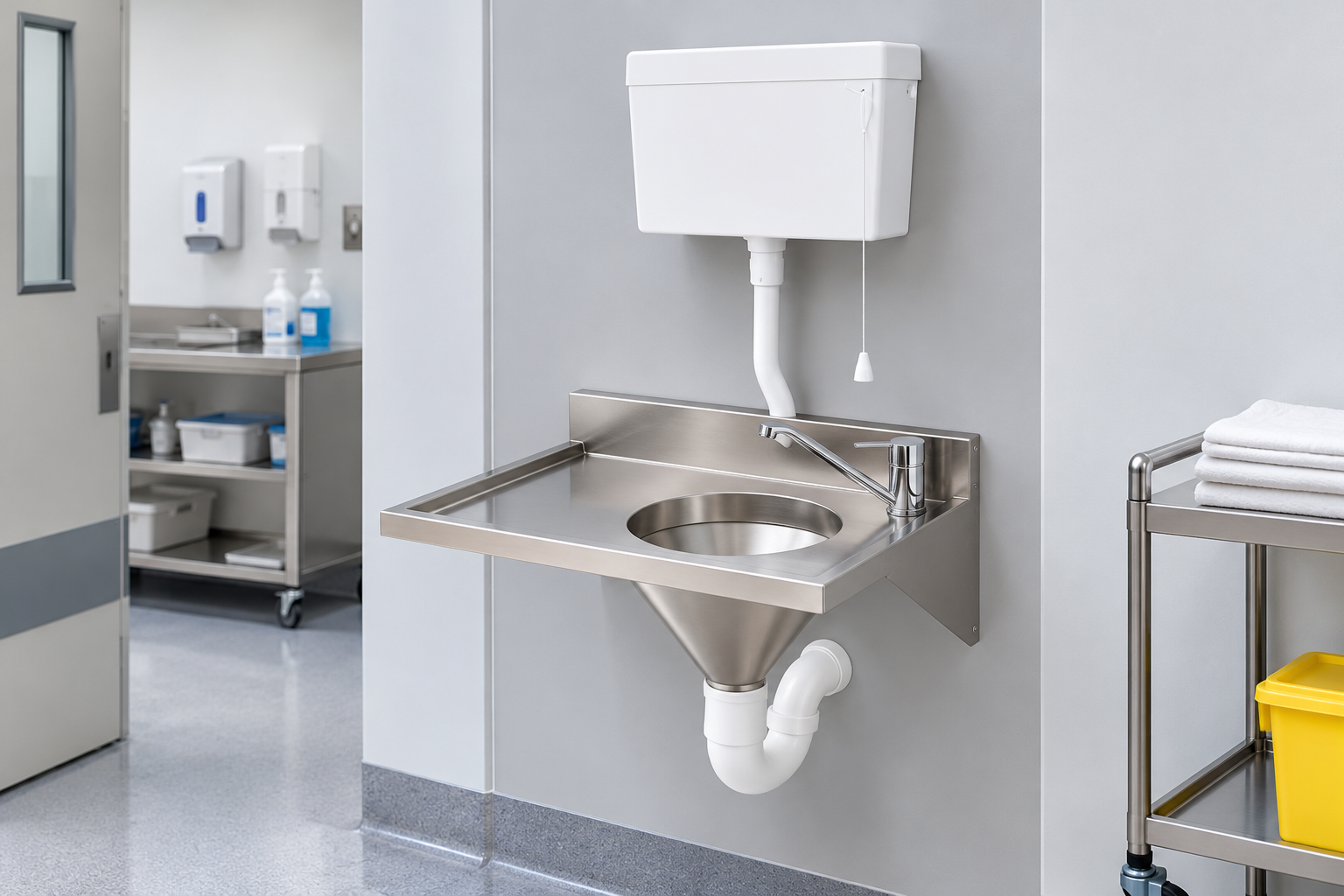
Hospitals generate different types of liquid and solid waste during daily patient care. Safe disposal of this waste is essential for hygiene, infection control, and smooth facility operations. A hopper sink medical unit is designed specifically to support the disposal and cleaning requirements of hospital soiled utility areas.
From disposing of contaminated liquids to cleaning medical containers, a properly designed hopper sink helps healthcare facilities maintain cleaner and safer environments. Understanding its purpose, features, and selection criteria can help hospitals choose equipment that meets their operational and hygiene requirements.
AI Overview Summary: A hopper sink medical unit is specialized healthcare equipment used mainly in soiled utility rooms for the hygienic disposal of contaminated liquids and waste. It helps hospitals improve infection control, simplify cleaning processes, and maintain efficient waste-handling workflows.
What is a Hopper Sink Medical?
A hopper sink medical is a specialized sanitary fixture commonly installed in hospitals and healthcare facilities. It is generally used for disposing of contaminated liquids and waste from items such as bedpans, urinals, and other medical containers.
Many people searching for what is a hopper in a hospital are referring to this type of waste-disposal fixture. A hopper is usually located in a designated soiled utility room, where healthcare staff handle contaminated materials safely.
A soiled utility hopper sink is designed differently from a standard handwashing sink. Its structure supports waste disposal, washing, and cleaning activities while helping separate contaminated workflows from clean areas.
Why is it Important?
A hopper plays an important role in hospital hygiene and infection-control procedures. Healthcare facilities handle contaminated materials every day, and improper disposal can increase cleaning challenges and contamination risks.
A hopper in soiled utility room provides a dedicated location for handling these materials. This helps staff follow organized workflows and reduces the need to use unsuitable fixtures for contaminated waste.
In practical hospital operations, a hospital hopper can support:
- Disposal of contaminated liquids.
- Cleaning of reusable medical containers.
- Better organization of soiled utility activities.
- Separation between clean and contaminated work areas.
For hospitals, the right hopper medical equipment can contribute to a safer and more efficient housekeeping and clinical support process.
Key Features of Hopper Sinks
A quality hopper sink should be designed for frequent use and demanding healthcare environments.
- Durable construction: Strong materials support regular cleaning and long-term use.
- Deep bowl design: Provides sufficient space for waste disposal and washing activities.
- Easy-to-clean surfaces: Smooth surfaces help simplify routine cleaning.
- Drainage system: Proper drainage supports efficient disposal of liquids.
- Splash control: The design can help reduce splashing during use.
- Wall or floor installation options: Different configurations can suit hospital layouts.
- Corrosion resistance: Suitable materials can withstand moisture and regular cleaning.
These features make hospital hopper sinks practical for busy healthcare environments.
Benefits of Using a Hopper Sink Medical Unit
Installing a dedicated hopper provides several operational advantages.
- Supports hygiene: A dedicated waste-handling point helps maintain cleaner workflows.
- Improves infection-control practices: Separating soiled activities from clean areas supports better facility management.
- Makes cleaning easier: Staff have a designated location for handling contaminated containers.
- Improves workflow efficiency: Proper placement in a soiled utility area reduces unnecessary movement.
- Supports frequent use: Healthcare-grade construction is suitable for demanding environments.
- Helps organize utility rooms: A dedicated sink hopper creates a more structured workspace.
These practical benefits make the equipment useful for facilities focused on efficient sanitation management.
Applications of Hopper Sinks
A hopper in hospital environments is commonly installed wherever contaminated liquids and medical containers need controlled handling.
Typical applications include:
- Government hospitals.
- Private hospitals.
- Clinics and healthcare centers.
- Medical institutions.
- Patient wards.
- Soiled utility rooms.
- Nursing stations with designated utility areas.
- Long-term care facilities.
- Specialized healthcare departments.
A medical hopper may also be selected according to the workflow and space requirements of specific departments.
How to Choose the Right Hopper Sink Medical
Choosing the right hopper requires more than selecting a standard sanitary fixture. Healthcare buyers should consider the following factors.
1. Understand the Intended Application
First, identify where the hopper will be installed and how frequently it will be used. A busy hospital utility room may require a more robust design than a small clinic.
2. Choose a Suitable Material
Select a material that is durable, corrosion-resistant, and easy to clean. Stainless steel is commonly preferred for demanding healthcare environments because of its strength and hygienic surface.
3. Check the Size and Layout
Measure the available installation area before purchasing. The hopper should fit comfortably without disrupting staff movement.
4. Consider Drainage Requirements
Proper drainage is essential for efficient operation. Ensure the design is compatible with the facility’s plumbing system.
5. Evaluate Cleaning Requirements
Choose a design with smooth surfaces and accessible areas to support regular cleaning and maintenance.
6. Ask About Customization
Hospitals may have specific dimensional, installation, or operational requirements. Custom manufacturing can help match the equipment to the facility’s workflow.
Common Mistakes to Avoid
Healthcare procurement teams should avoid several common mistakes when purchasing a hopper.
- Choosing a standard sink instead of a dedicated waste-handling fixture.
- Ignoring available installation space.
- Selecting materials that are difficult to maintain.
- Overlooking drainage compatibility.
- Focusing only on initial price instead of long-term durability.
- Failing to consider the workflow of the hopper room or soiled utility area.
- Purchasing without discussing customization requirements.
Careful planning can prevent installation problems and improve long-term usability.
Conclusion
A hopper sink medical unit is an important part of hospital sanitation and soiled utility management. It provides a dedicated area for handling contaminated liquids and medical containers while supporting organized workflows and hygiene practices.
Hospitals, clinics, and healthcare institutions should select hopper sinks based on their available space, usage requirements, material preferences, and plumbing needs. Working with an experienced healthcare equipment manufacturer can also help procurement teams find a solution suited to their specific facility requirements.
Frequently Asked Questions
What is a hopper sink medical?
A hopper sink medical unit is a specialized sanitary fixture used in healthcare facilities, mainly for handling and disposing of contaminated liquids and cleaning medical containers. It is commonly installed in soiled utility rooms and supports organized waste-handling workflows within hospitals and medical institutions.
What is a hopper in a hospital?
A hopper in a hospital is generally a dedicated fixture used for handling contaminated waste and liquids from medical containers. It is usually located in a soiled utility area rather than a clean handwashing area, helping healthcare facilities maintain separate workflows.
What are the benefits of a hopper sink?
A hopper sink provides a dedicated location for contaminated liquid disposal and cleaning activities. Its benefits include improved workflow organization, easier cleaning, support for hygiene practices, and better separation between clean and soiled utility operations in healthcare facilities.
Where are hospital hopper sinks used?
Hospital hopper sinks are mainly used in soiled utility rooms, patient-care areas, nursing support spaces, and other designated healthcare utility locations. They can be found in government hospitals, private hospitals, clinics, medical institutions, and long-term healthcare facilities.
How do I choose the right hopper sink?
Consider the installation location, available space, expected usage, material quality, drainage requirements, and cleaning needs. Healthcare buyers should also check whether customization is available, especially when the hospital has specific dimensions or workflow requirements.
Is a hopper sink customizable?
Yes, many healthcare equipment manufacturers can provide customization based on dimensions, material requirements, installation preferences, and facility layouts. Customization can help hospitals integrate the hopper sink properly into their soiled utility room and existing plumbing infrastructure.
What material is best for a hospital hopper sink?
Stainless steel is often a practical choice for healthcare applications because it is strong, corrosion-resistant, and easy to clean. The final material selection should depend on the facility’s usage requirements, cleaning procedures, and applicable project specifications.