Hospital Furniture Manufacturer in India: Complete Guide for Smart Healthcare Setup

Hospital Furniture Manufacturer in India: Complete Guide for Smart Healthcare Setup

Hospital Furniture Manufacturer in India: Complete Guide for Smart Healthcare Setup

hospital furniture manufacturer in India
Choosing the right hospital furniture manufacturer in India is one of the most important decisions when setting up a hospital, clinic, or laboratory. It’s not just about furniture—it’s about hygiene, durability, patient safety, and long-term efficiency.Many healthcare businesses face issues like low-quality materials, poor design, and high maintenance costs. This guide will help you understand everything you need to know before selecting the right manufacturer.

Common Problems While Choosing Hospital Furniture

  • Low-quality materials that rust or break easily
  • Lack of compliance with healthcare standards
  • Poor after-sales service
  • No customization options
  • Limited product range

These issues often arise when buyers focus only on price instead of quality and expertise.

How to Choose the Right Hospital Equipment Supplier in India

1. Check Industry Experience

Always choose manufacturers with experience in healthcare, pharmaceutical, and cleanroom industries. Experienced pharmaceutical equipment manufacturers understand hygiene and compliance requirements better.

2. Focus on Material Quality

High-quality stainless steel (SS 304/316) is essential for durability and hygiene. This is especially important when working with a cleanroom equipment manufacturer India.

3. Verify Certifications

Ensure the manufacturer follows ISO standards and GMP compliance, especially when dealing with a cssd equipment manufacturer.

4. Look for Customization

Hospitals have different layouts and needs. A good medical equipment manufacturer India should offer customized solutions.

5. Check Product Range

A reliable hospital equipment supplier India should provide multiple products under one roof.

Types of Hospital Furniture

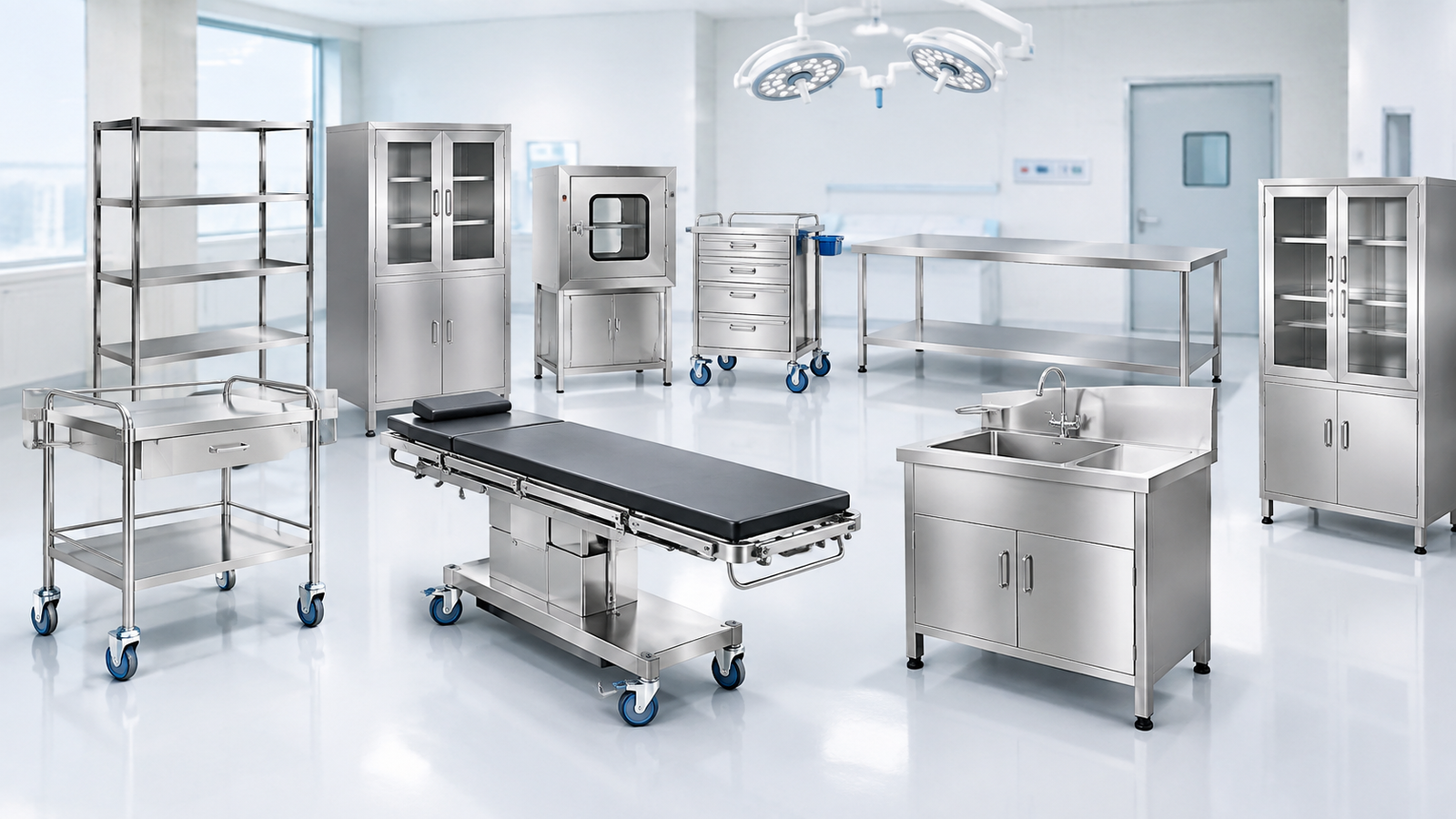
Patient Care Furniture

  • ICU Beds
  • Fowler Beds
  • Examination Tables

CSSD Equipment

  • Instrument Trolleys
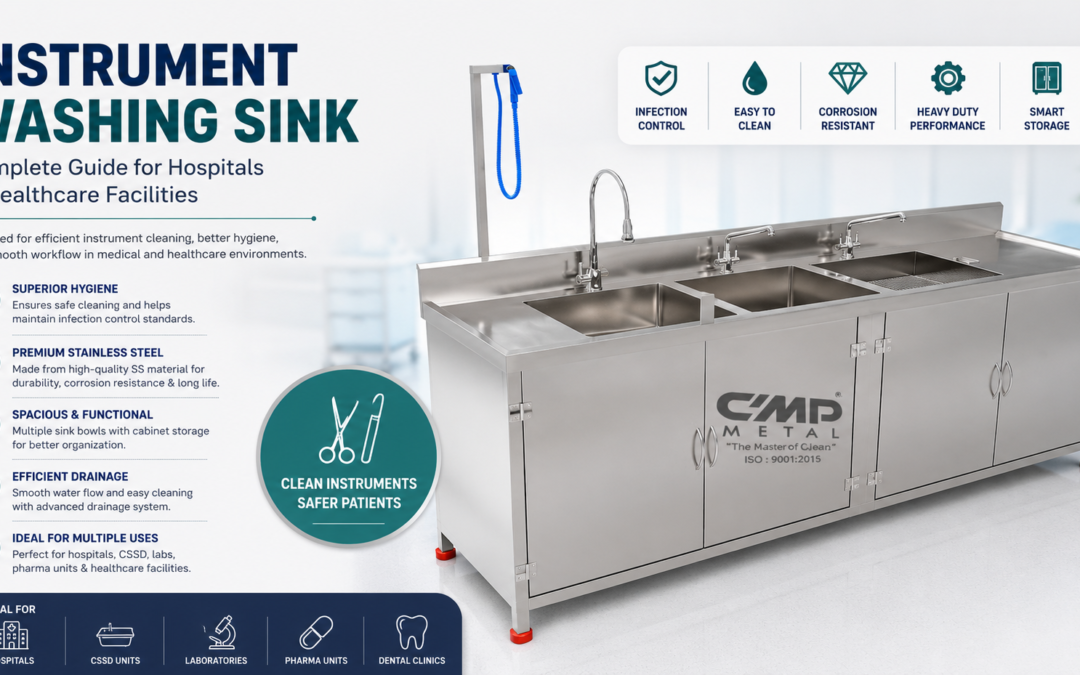
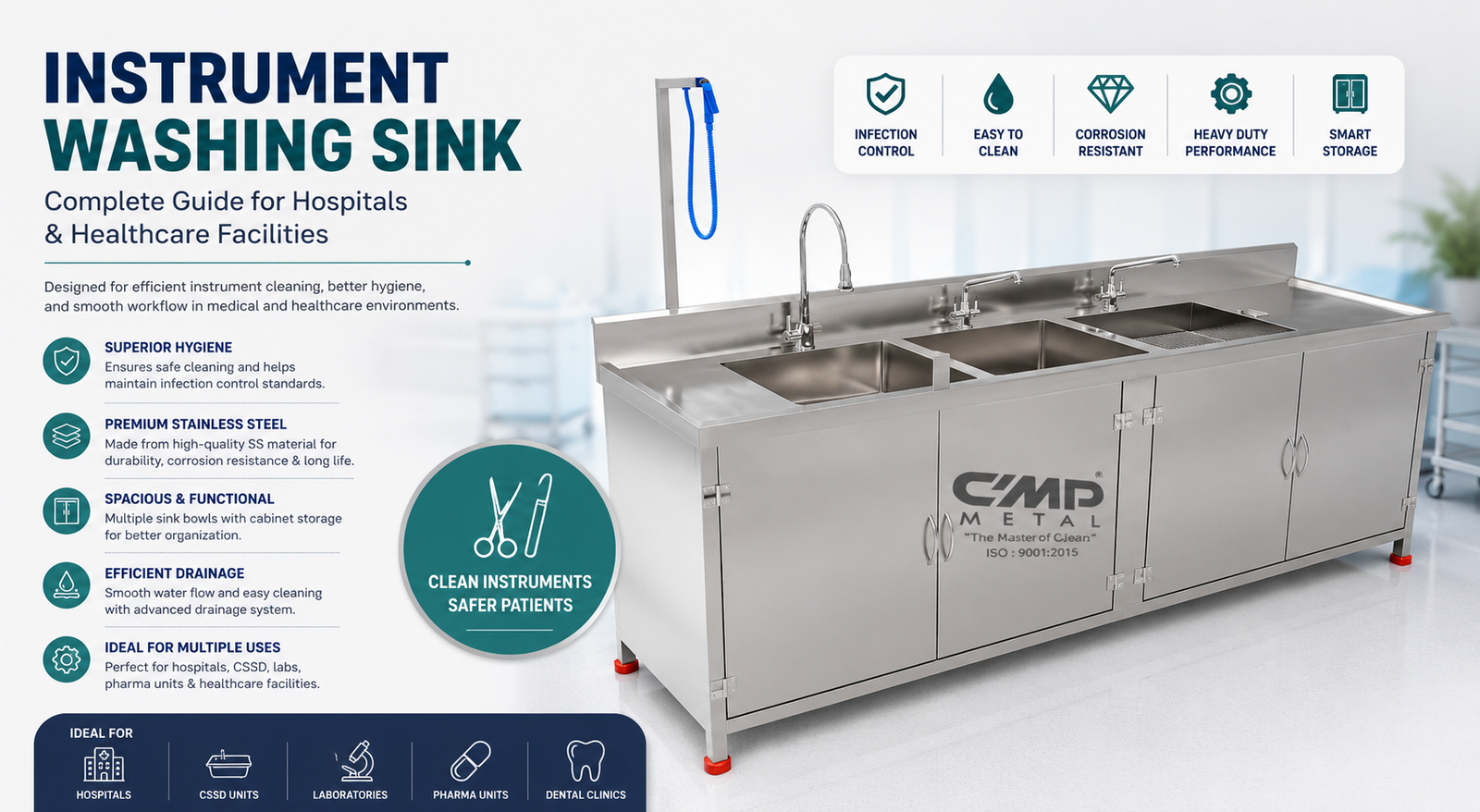
  • Washing Sinks
  • Sterilization Storage Units

Cleanroom Furniture

  • Pass Boxes
  • Storage Cabinets
  • Workstations

Storage Solutions

  • Modular Storage Cabinets
  • Medical Storage Systems
  • Basket Storage Units

Key Features & Benefits

  • High durability and long life
  • Easy to clean and maintain
  • Supports infection control
  • Improves workflow efficiency
  • Meets healthcare compliance standards

Comparison: Local Vendor vs Professional Manufacturer

Feature Local Vendor Professional Manufacturer
Quality Low High
Customization Limited Advanced
Compliance Not Guaranteed Certified
Durability Short-Term Long-Term
Support Weak Reliable

Step-by-Step Buying Guide

  1. Define your requirements clearly
  2. Shortlist top manufacturers
  3. Check product quality and samples
  4. Compare pricing and value
  5. Verify certifications
  6. Discuss customization options
  7. Confirm after-sales support

Common Mistakes to Avoid

  • Choosing based only on low price
  • Ignoring material quality
  • Not checking certifications
  • Skipping customization
  • Not verifying experience

Expert Tips

  • Choose manufacturers with proven healthcare experience
  • Invest in stainless steel furniture
  • Ask for past project references
  • Prefer modular and scalable solutions
  • Ensure compatibility with cleanroom standards

Conclusion

Selecting the right hospital furniture manufacturer in India is a long-term investment. By focusing on quality, compliance, and expertise, you can ensure better performance, safety, and efficiency for your healthcare facility.

Frequently Asked Questions

What does a hospital furniture manufacturer provide?

They provide beds, trolleys, cabinets, and specialized equipment for hospitals and laboratories.

Why is stainless steel used in hospital furniture?

It is durable, corrosion-resistant, and easy to clean, making it ideal for medical environments.

How to choose the best hospital equipment supplier in India?

Check experience, certifications, product quality, and customization options.

What is CSSD equipment?

CSSD equipment is used for sterilization and infection control in hospitals.

Do manufacturers provide customization?

Yes, most professional manufacturers offer tailored solutions.


Static & Dynamic Pass Box in Cleanrooms: How They Improve Contamination Control

Static & Dynamic Pass Box in Cleanrooms: How They Improve Contamination Control

Static & Dynamic Pass Box in Cleanrooms: How They Improve Contamination Control

Static Dynamic Pass Box Cleanroom Stainless Steel<br />

Maintaining a contamination-free environment is one of the most important requirements in industries such as pharmaceuticals, biotechnology, electronics, and healthcare laboratories. Cleanrooms are designed to control airborne particles and maintain strict hygiene standards, but transferring materials between rooms can create contamination risks.

This is where a Cleanroom Pass Box becomes an essential solution. Pass boxes allow safe transfer of materials between controlled environments without allowing contaminants to enter the cleanroom. These systems act as an intermediate chamber that reduces human movement between clean areas and helps maintain strict contamination control.

Modern cleanroom facilities often use Static and Dynamic Pass Box systems depending on the level of cleanliness required and the operational workflow of the facility.

What is a Cleanroom Pass Box?

A pass box is a specialized stainless steel enclosure installed between two cleanroom areas. It allows materials, equipment, or documents to be transferred safely between rooms without opening both doors simultaneously.

This simple yet highly effective system prevents cross-contamination while maintaining the cleanroom environment.

Pass boxes are commonly installed in industries such as:

  • Pharmaceutical manufacturing
  • Hospitals and healthcare facilities
  • Biotechnology laboratories
  • Electronics and semiconductor manufacturing
  • Food processing clean zones

By minimizing human traffic inside cleanrooms, pass boxes help maintain strict hygiene and contamination control standards.

Types of Pass Boxes Used in Cleanrooms

Cleanroom facilities typically use two main types of pass boxes depending on operational requirements.

Static Pass Box
A Static Pass Box is installed between two cleanrooms of the same cleanliness level. It does not include air filtration systems and is mainly used to transfer materials between similar clean environments.

Static pass boxes are commonly used in pharmaceutical facilities where materials move between controlled areas with similar air quality standards.

Dynamic Pass Box
A Dynamic Pass Box is designed for environments where air filtration and airflow control are necessary. These systems include HEPA filters and controlled airflow to remove airborne contaminants during material transfer.

Dynamic pass boxes are often used between clean and less-clean areas to prevent contamination.

Both systems play an important role in maintaining cleanroom integrity.

How Pass Boxes Improve Cleanroom Efficiency

Cleanroom operations require strict protocols to maintain air purity and prevent contamination. Pass boxes help improve efficiency by allowing materials to be transferred without requiring staff to move between rooms.

This process offers several advantages:

Reduced Contamination Risk
By eliminating unnecessary human movement, pass boxes significantly reduce the risk of contaminants entering cleanroom environments.

Improved Workflow
Material transfer becomes faster and more organized, improving operational efficiency.

Better Cleanroom Compliance
Pass boxes help facilities maintain regulatory compliance required in pharmaceutical and medical industries.

Increased Safety
Interlocking door systems ensure that both doors cannot be opened at the same time, preventing contamination.

These benefits make cleanroom pass boxes essential equipment for controlled environments.

Key Features of Static and Dynamic Pass Boxes

High-quality pass boxes are designed to meet strict industry standards and ensure reliable performance in cleanroom environments.

Important features include:

Stainless Steel Construction
Most pass boxes are manufactured using SS304 stainless steel, which provides durability, corrosion resistance, and easy cleaning.

Interlocking Door Mechanism
Mechanical or electronic interlocking systems prevent both doors from opening simultaneously.

UV Sterilization
Some pass boxes include UV lights that help disinfect materials before transfer.

Glass Viewing Window
Transparent viewing panels allow operators to monitor the transfer process.

HEPA Filtration (Dynamic Models)
Dynamic pass boxes include HEPA filters that remove airborne particles and maintain clean airflow.

These features ensure that pass boxes perform effectively in contamination-controlled environments.

Applications of Pass Boxes in Different Industries

Pass boxes are widely used in industries where contamination control is critical.

Pharmaceutical Industry
Used for transferring raw materials, packaging components, and equipment between production zones.

Hospitals and Healthcare Facilities
Used in sterile areas such as operation theatres and laboratories.

Biotechnology Laboratories
Helps maintain contamination-free environments required for research and testing.

Electronics Manufacturing
Used in semiconductor production where even microscopic contamination can affect product performance.

Food Processing Cleanrooms
Used for transferring ingredients and tools while maintaining hygiene standards.

Because of their versatility, pass boxes are an important part of modern cleanroom infrastructure.

Choosing the Right Pass Box for Your Facility

Selecting the right pass box depends on the cleanliness requirements of the facility.

Factors to consider include:

Cleanroom Classification
Facilities with strict air purity standards may require dynamic pass boxes with HEPA filtration.

Material Construction
Stainless steel models provide better durability and hygiene.

Door Interlocking System
Reliable interlocking systems help prevent accidental contamination.

Custom Size Requirements
Different industries may require customized pass box dimensions depending on operational needs.

Choosing the right equipment ensures efficient material transfer and contamination control.

Conclusion

Cleanroom environments require strict contamination control to ensure product quality and safety. Material transfer between rooms is one of the most sensitive processes in controlled environments.

Installing reliable Static and Dynamic Pass Box systems helps industries maintain cleanroom integrity while improving operational efficiency.

High-quality pass boxes provide safe material transfer, reduce contamination risks, and support regulatory compliance in pharmaceutical, healthcare, and laboratory environments.

Manufacturers like CMP METAL design durable stainless steel cleanroom pass boxes that meet the needs of modern industries. Their solutions are engineered for reliability, safety, and long-term performance in controlled environments.

Hospital Furniture Manufacturer: How to Choose the Right Stainless-Steel Solutions for Modern Healthcare Facilities

Hospital Furniture Manufacturer: How to Choose the Right Stainless-Steel Solutions for Modern Healthcare Facilities


Hospital Furniture Manufacturer: How to Choose the Right Stainless-Steel Solutions for Modern Healthcare Facilities

Healthcare infrastructure is evolving rapidly. Hospitals today are no longer just treatment centers; they are highly controlled environments where hygiene, efficiency, and workflow management directly impact patient outcomes.

Selecting the right hospital furniture manufacturer plays a crucial role in maintaining infection control standards, operational efficiency, and long-term durability.

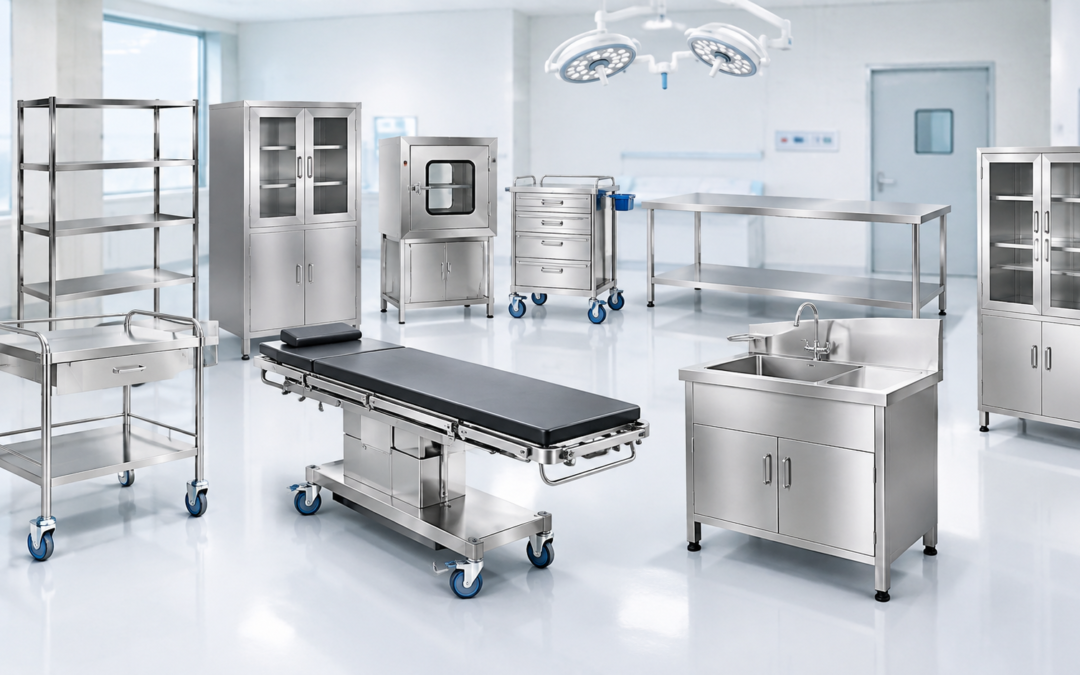
From operation theaters and CSSD departments to IVF labs and cleanrooms, stainless steel furniture and equipment form the backbone of modern medical facilities. But how should decision-makers evaluate suppliers? What factors truly matter beyond pricing?

This article explores the practical considerations hospital administrators and project planners must evaluate before finalizing a manufacturer.

Why Stainless-Steel Furniture Is Critical in Healthcare Environments

Unlike conventional materials, stainless steel offers specific advantages essential in medical spaces:

  • Non-porous surface prevents microbial growth
  • Resistant to corrosion and chemical disinfectants
  • Long service life with minimal maintenance
  • Compatible with repeated sterilization processes
  • Structurally stable under heavy loads

In critical zones such as operation theaters and sterile departments, furniture must withstand constant cleaning using aggressive disinfectants. Inferior materials deteriorate quickly, leading to contamination risks and replacement costs.

High-grade stainless steel (such as SS 304 or SS 316) ensures structural reliability and hygiene compliance.

What Defines a Reliable Hospital Furniture Manufacturer?

Choosing a manufacturer should involve more than reviewing catalogs. Healthcare planners should assess:

  1. Industry Experience

A manufacturer serving hospitals, pharma units, and cleanrooms understands regulatory standards and workflow requirements.

  1. Customization Capability

Every hospital layout is different. Equipment dimensions, sink configurations, trolley designs, and cabinet sizes must align with architectural drawings.

  1. Manufacturing Infrastructure

Advanced fabrication technology ensures smooth weld joints, rounded edges, and seamless surfaces that reduce bacterial accumulation.

  1. Compliance Awareness

Familiarity with NABH, infection control guidelines, and sterile processing standards is essential.

CSSD Infrastructure: The Backbone of Infection Control

Central Sterile Supply Departments (CSSD) demand highly specialized furniture systems. A professional CSSD furniture manufacturer provides:

  • Washing and decontamination stations
  • Instrument packing workstations
  • Storage racks and basket systems
  • Closed transport trolleys
  • Stainless steel cabinets

Workflow separation between dirty, clean, and sterile zones must be maintained through ergonomic layout planning.

Well-designed CSSD furniture improves turnaround time for surgical instruments and minimizes cross-contamination risks.

Operation Theater Equipment: Precision and Hygiene

Operation theaters require specialized stainless steel solutions:

  • Surgical scrub sinks with elbow, knee, or sensor operation
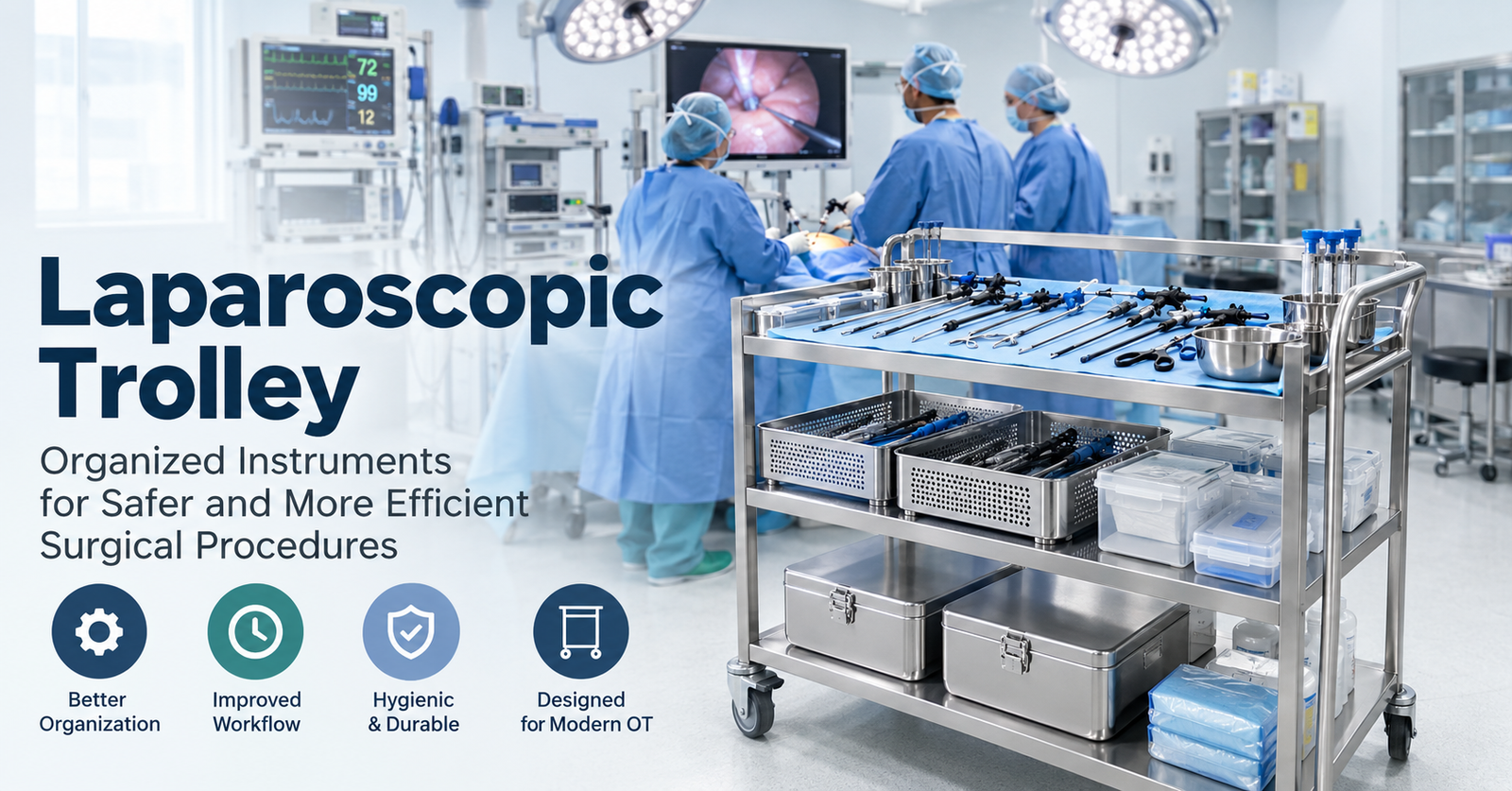
  • Mayo trolleys and instrument trolleys
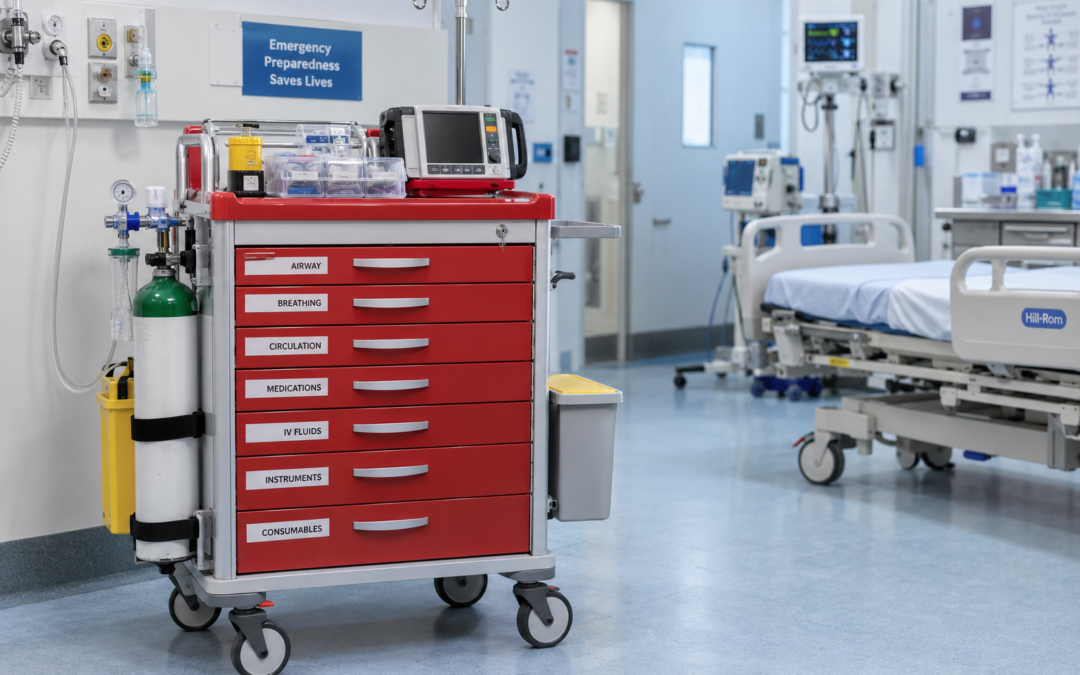
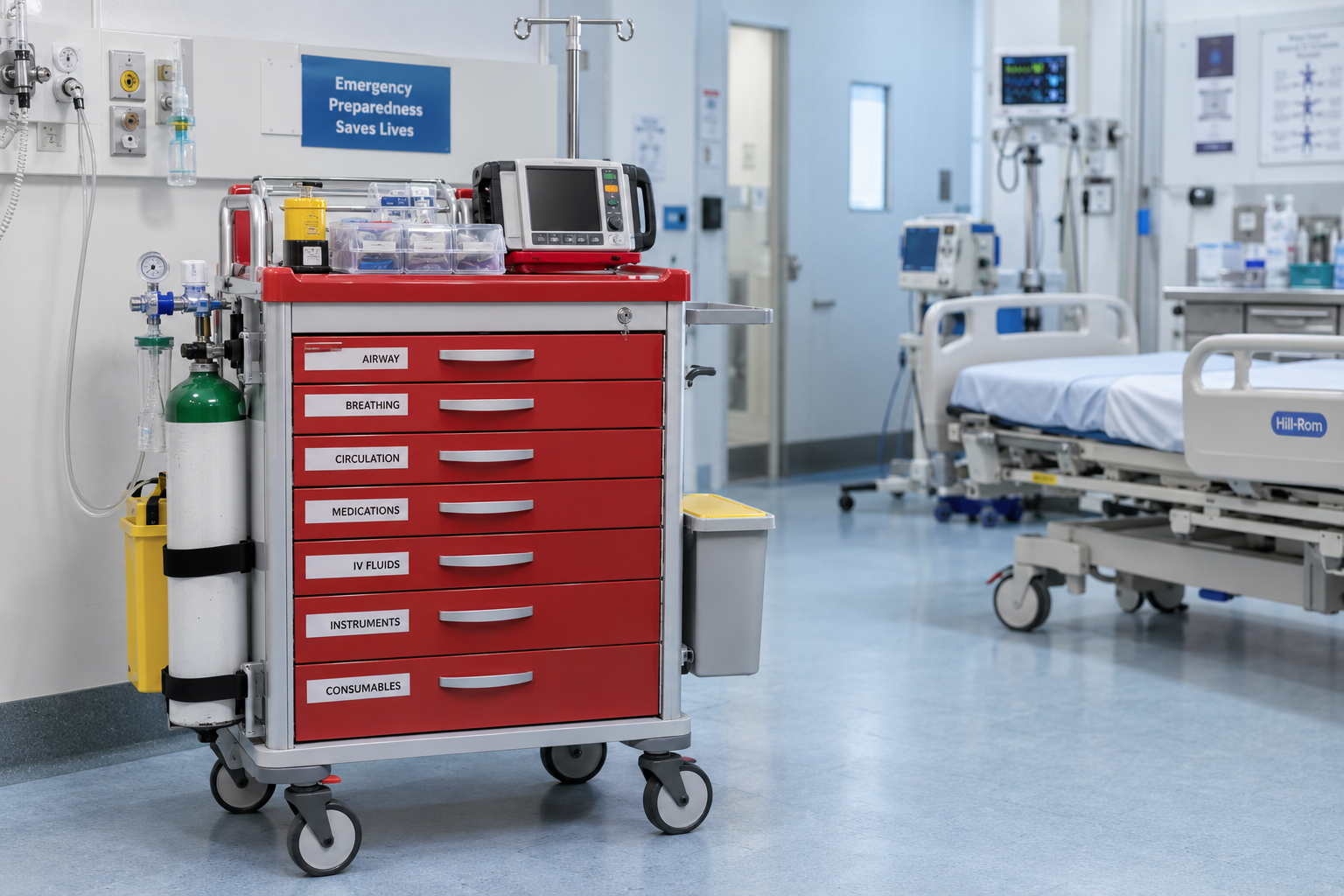
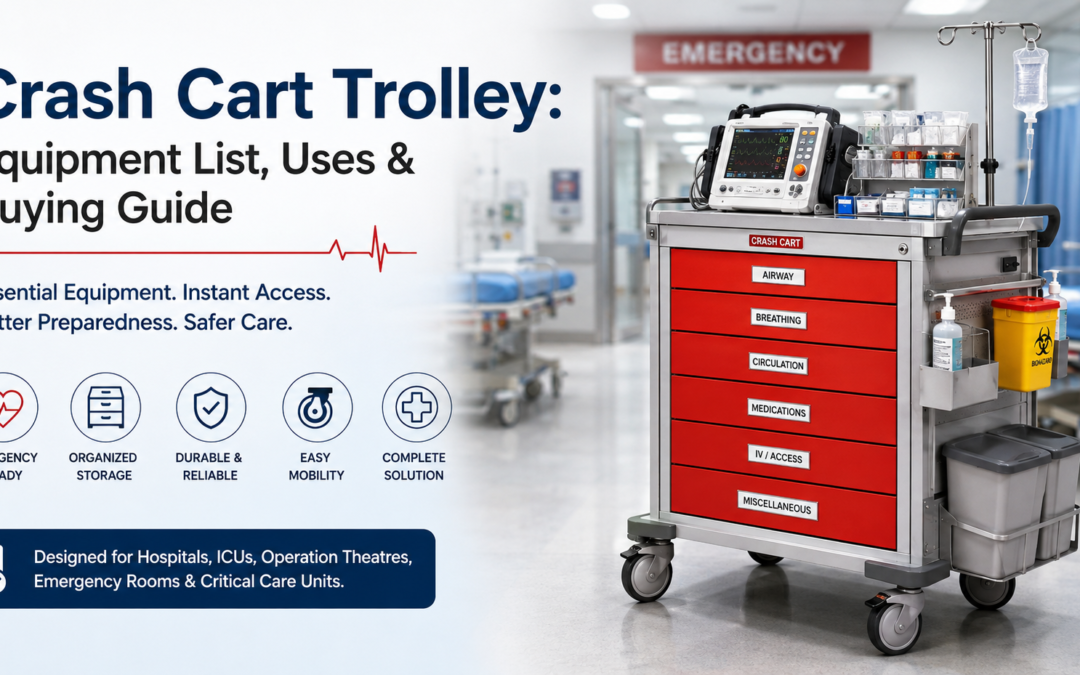
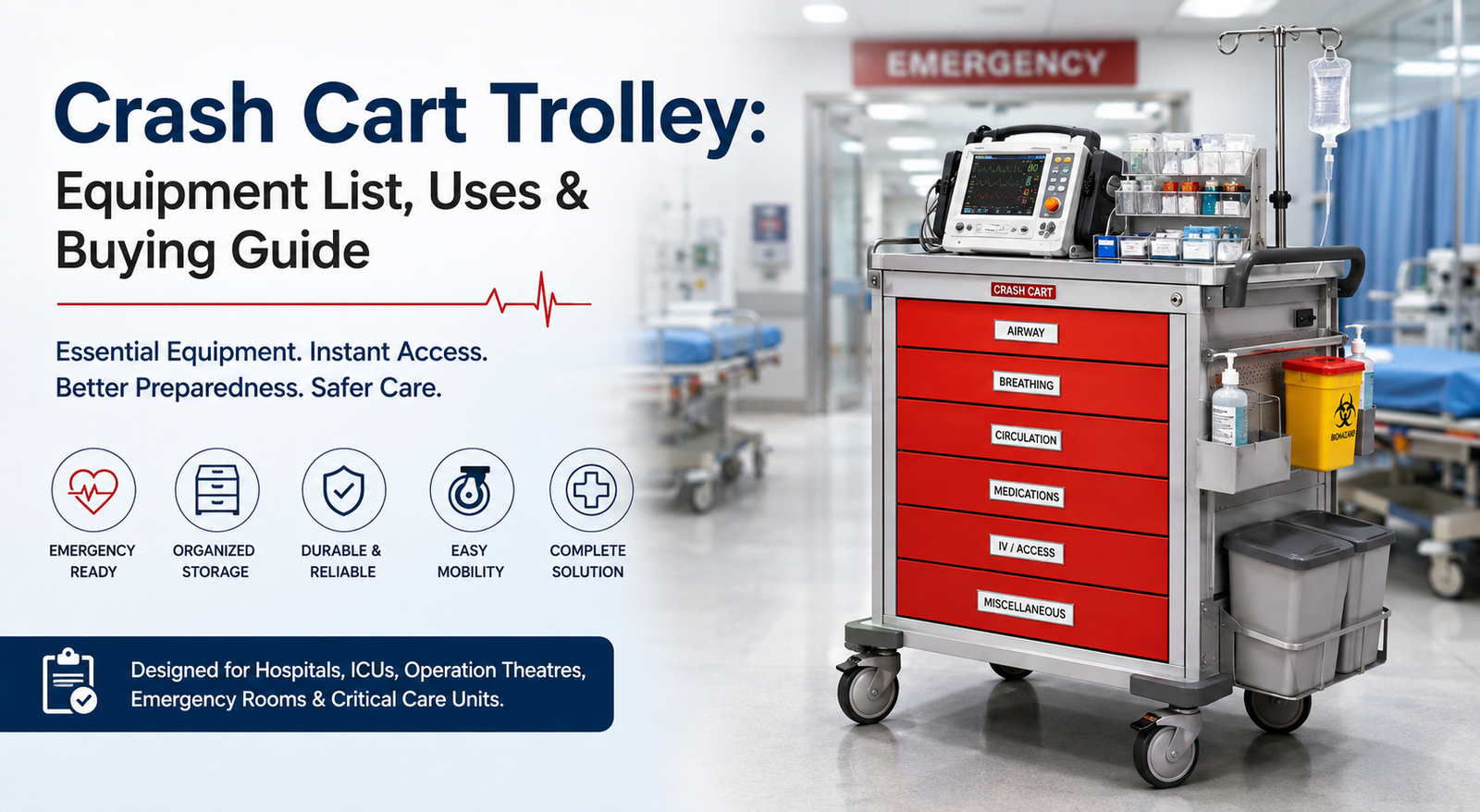
  • Crash carts for emergency response
  • OT cabinets and storage systems
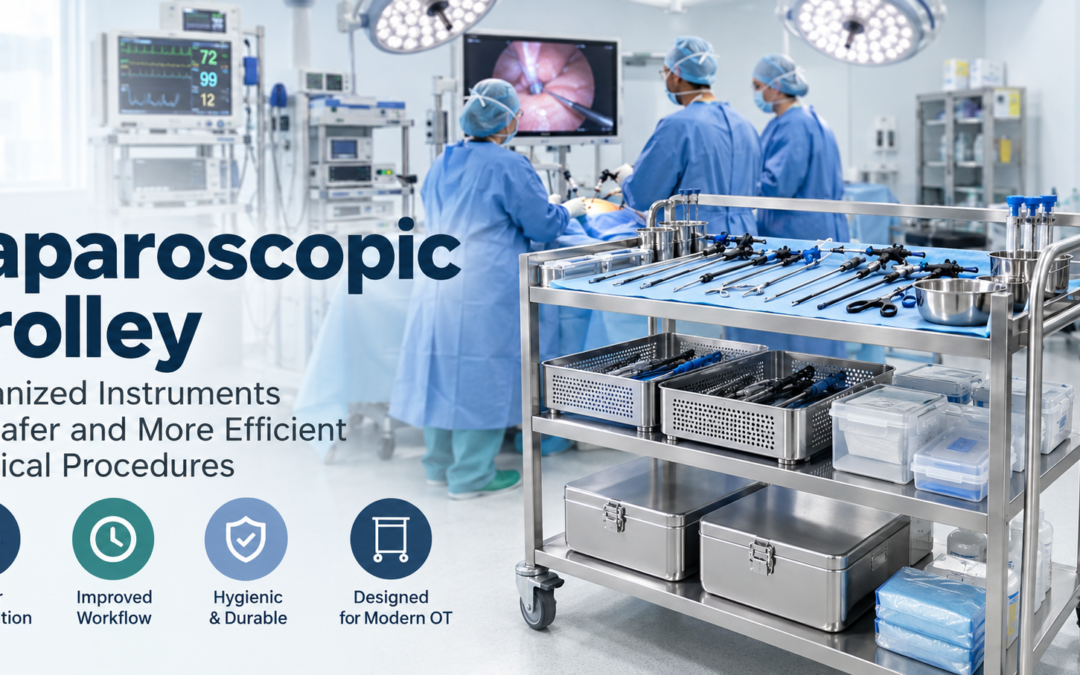
  • Laparoscopic instrument trolleys

Furniture in OT environments must be easy to sanitize, mobile when required, and resistant to harsh sterilization chemicals.

A dependable OT furniture manufacturer understands sterile zoning and ensures smooth finishes without exposed edges.

Washing and Disinfection Systems: Why They Matter

Hospital washing systems are often overlooked during procurement, but they directly influence infection control.

Critical equipment includes:

  • Endoscope washing sinks
  • Dialyzer washing sinks
  • Dirty utility sinks
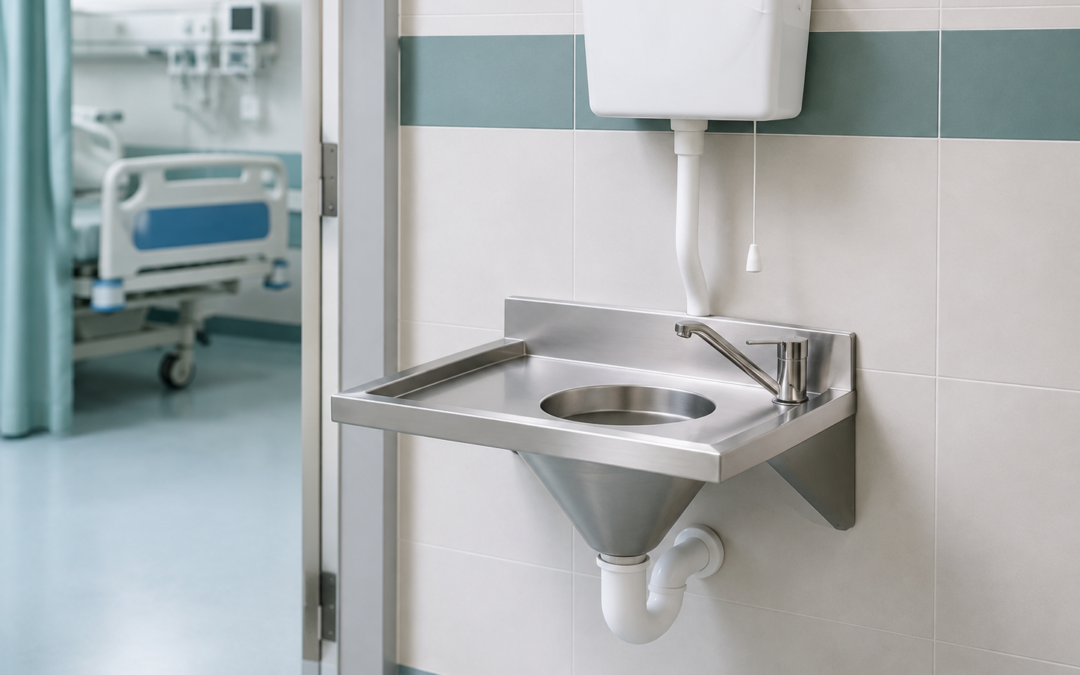
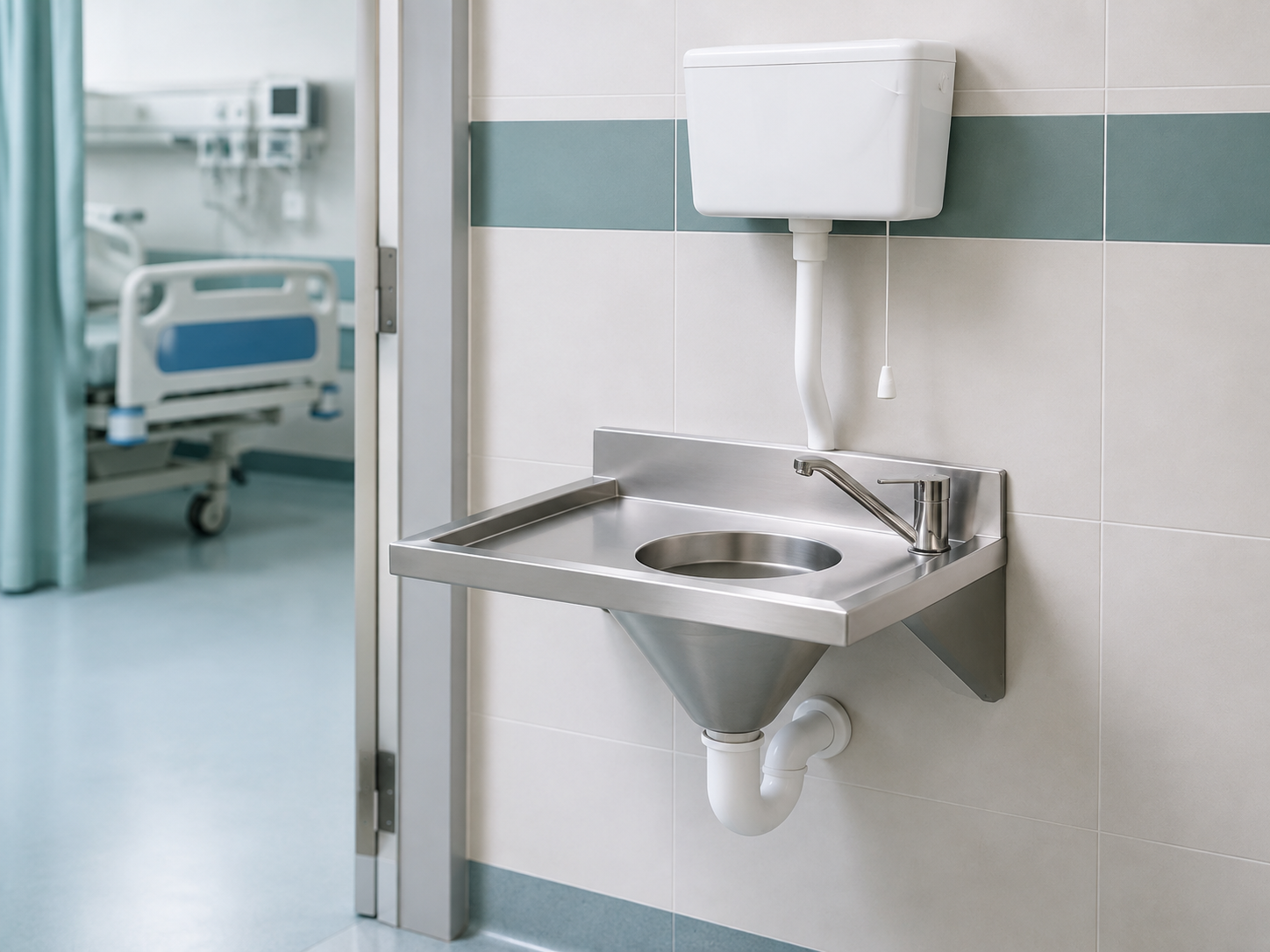
  • Bed pan washing sinks
  • Catheter cleaning stations

Design must allow proper drainage, splash control, and easy cleaning access.

Hospitals with inadequate washing infrastructure often struggle with hygiene audits and sterilization efficiency.

Cleanroom and Pass Box Systems for Pharma & Labs

Pharmaceutical and laboratory environments demand controlled material transfer systems.

Key equipment includes:

  • Mechanical pass boxes
  • Electromagnetic pass boxes
  • UV sterilization pass boxes
  • Stainless steel cleanroom furniture

Pass boxes help maintain air pressure integrity between controlled environments. Proper interlocking systems prevent cross-contamination.

Manufacturers supplying cleanroom equipment must understand airflow design, contamination control, and surface finish standards.

IVF Lab Furniture: Specialized Requirements

Fertility clinics require precision-focused furniture and workstations.

Important considerations include:

  • Vibration-resistant work tables
  • Hygienic stainless-steel surfaces
  • Controlled storage cabinets
  • Instrument washing stations
  • Mobile trolleys

IVF labs demand stability and contamination control. Furniture design must support sensitive procedures and equipment placement.

Long-Term Cost vs Initial Cost: A Strategic View

Hospital procurement teams often focus heavily on upfront cost. However, stainless steel medical furniture should be evaluated based on:

  • Lifespan
  • Maintenance cost
  • Repair frequency
  • Structural stability
  • Compliance durability

Low-cost alternatives frequently require replacement within a few years, increasing long-term operational expense.

Investing in durable, corrosion-resistant infrastructure reduces lifecycle cost.

Role of Engineering & Fabrication Quality

Precision fabrication determines product longevity.

Important technical aspects include:

  • TIG welding quality
  • Smooth grinding and finishing
  • Edge rounding for safety
  • Load-bearing capacity validation
  • Drain slope accuracy in sinks

Poor fabrication results in micro gaps that trap contaminants. High-quality finishing reduces bacterial retention and simplifies cleaning.

How Decision-Makers Should Evaluate Suppliers

Hospital directors and biomedical engineers should:

  1. Review completed project portfolio
  2. Inspect manufacturing facility if possible
  3. Request material grade certification
  4. Evaluate customization process
  5. Compare delivery timelines
  6. Understand after-sales support structure

Professional manufacturers focus on long-term partnerships rather than one-time transactions.

Sustainable and Future-Ready Infrastructure

Modern healthcare infrastructure must also consider sustainability.

Stainless steel is:

  • Recyclable
  • Durable
  • Environmentally safer compared to coated alternatives
  • Suitable for long-term healthcare expansion

Hospitals planning capacity growth benefit from modular stainless-steel systems that can be reconfigured.

Conclusion

Selecting the right hospital furniture manufacturer is not merely a purchasing decision — it is an infrastructure strategy.

From CSSD departments and operation theaters to IVF labs and cleanrooms, stainless steel equipment forms the operational foundation of healthcare facilities.

Decision-makers must prioritize hygiene compliance, fabrication quality, customization capability, and long-term durability over short-term savings.

A structured approach to evaluating manufacturers ensures safer environments for patients, improved workflow efficiency for medical staff, and sustainable infrastructure for healthcare institutions.

error: Content is protected !!