

Hospital Washing Sink Manufacturer: Complete Guide for Healthcare Hygiene
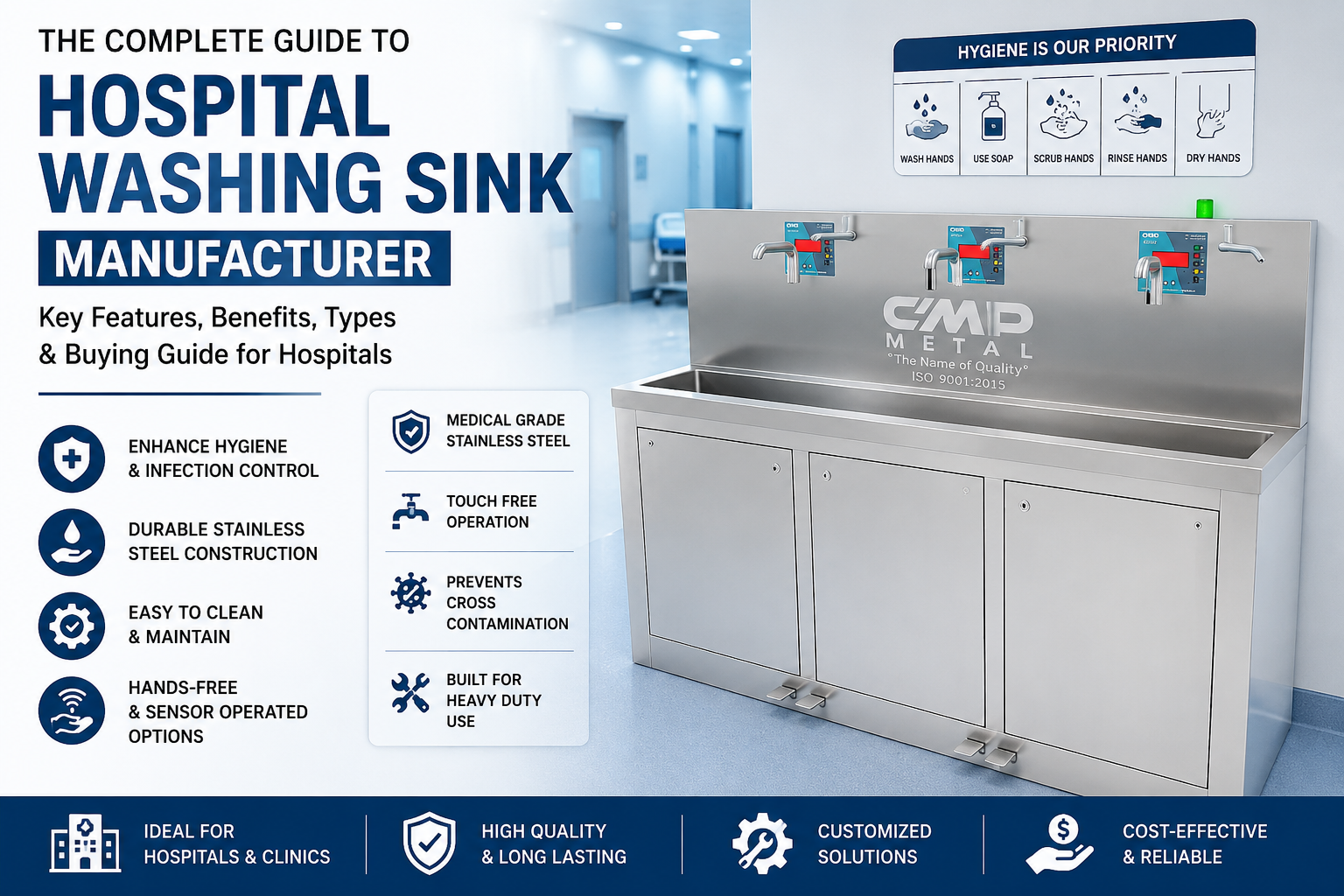
Introduction
Maintaining hygiene in healthcare environments is not just important — it is critical. Hospitals deal with infections, contamination risks, biohazard waste, and constant patient movement every day. This is why selecting the right hospital washing sink manufacturer plays a major role in improving safety, cleanliness, and operational efficiency.
From surgical departments to CSSD units and patient care areas, hospitals require durable and hygienic washing systems that support proper sanitation practices. Poor-quality washing stations can lead to water leakage, bacterial growth, maintenance issues, and inefficient cleaning processes.
Modern healthcare facilities now invest in advanced hospital washing equipment and stainless steel cleaning systems designed specifically for medical environments. Whether it is handwashing stations, scrub sinks, sluice sinks, or disinfection units, choosing reliable equipment directly impacts infection control standards.
In this guide, we will explain everything you need to know about selecting the right manufacturer, understanding equipment types, key features, benefits, and common mistakes to avoid.
Why Hospital Washing Equipment Matters
Hospitals operate in highly sensitive environments where contamination control is essential. Standard commercial sinks are not suitable for healthcare applications because hospitals require specialized cleaning and disinfection systems.
Here are some common challenges healthcare facilities face:
- Cross-contamination risks
- Poor drainage systems
- Rusting or low-quality materials
- Difficult cleaning procedures
- Non-compliance with healthcare hygiene standards
- High maintenance costs
- Inadequate washing space for medical tools
A trusted hospital washing equipment supplier helps solve these problems by providing healthcare-grade solutions designed for heavy-duty daily use.
Common Problems Hospitals Face with Cleaning Equipment
1. Infection Control Issues
Improper sink design can trap bacteria and contaminants. In hospitals, even minor hygiene failures can create serious infection risks.
2. Equipment Durability Problems
Low-grade steel or poor manufacturing quality often causes corrosion, leakage, and structural damage over time.
3. Inefficient Cleaning Workflow
Hospitals need fast and organized cleaning processes. Poor sink placement or incorrect sizing reduces productivity.
4. Water Wastage
Outdated washing systems may consume excessive water, increasing operational costs.
5. Compliance Challenges
Healthcare facilities must meet hygiene and sanitation regulations. Non-compliant equipment may lead to inspection failures.
How a Hospital Washing Sink Manufacturer Helps Healthcare Facilities
A professional washing and disinfection equipment manufacturer focuses on designing equipment specifically for healthcare environments.
These manufacturers provide:
- Stainless steel washing stations
- Sluice sinks
- Surgical scrub sinks
- Instrument cleaning sinks
- CSSD washing systems
- Hand hygiene stations
- Utility washing units
- Automated disinfection equipment
Their products are designed to improve sanitation, workflow efficiency, and long-term durability.
Types of Hospital Washing Equipment
1. Surgical Scrub Sinks
Used by surgeons and medical staff before entering operation theatres.
Features:
- Hands-free operation
- Deep sink bowls
- Splash protection
- Sensor-based faucets
2. Sluice Sinks
Designed for disposing of medical waste and contaminated liquids.
Common Uses:
- Utility rooms
- Cleaning departments
- Patient care areas
3. Instrument Washing Sinks
Used for cleaning surgical instruments before sterilization.
Benefits:
- Large workspace
- Chemical-resistant design
- Easy drainage systems
4. Hand Wash Stations
Installed across hospitals for regular hygiene maintenance.
5. CSSD Cleaning Units
Used in Central Sterile Supply Departments for washing and disinfecting medical equipment.
Important Features to Look for in Hospital Cleaning Equipment
Choosing the right hospital cleaning equipment requires careful evaluation. Here are the key features hospitals should prioritize.
Stainless Steel Construction
Healthcare environments require corrosion-resistant materials. Stainless steel provides:
- Easy cleaning
- Long life
- Rust resistance
- Better hygiene
Seamless Design
Smooth edges and seamless welding reduce bacterial buildup.
Hands-Free Technology
Sensor taps and foot-operated systems improve infection control.
Proper Drainage System
Efficient water flow prevents stagnant water and contamination.
Chemical Resistance
Hospital cleaning solutions contain strong disinfectants. Equipment should withstand regular chemical exposure.
Customization Options
A reliable hospital washing sink manufacturer should provide customized solutions based on department requirements.
Benefits of High-Quality Hospital Washing Equipment
Improved Infection Control
Proper cleaning systems reduce contamination risks and support hospital hygiene protocols.
Better Workflow Efficiency
Well-designed washing stations help healthcare staff work faster and more effectively.
Long-Term Cost Savings
Durable equipment reduces repair and replacement expenses.
Regulatory Compliance
Healthcare-grade washing systems help hospitals meet sanitation standards.
Easy Maintenance
Modern cleaning equipment used in hospitals is designed for simple daily cleaning and maintenance.
Comparison: Standard Commercial Sink vs Hospital Washing Sink
| Feature | Commercial Sink | Hospital Washing Sink |
|---|---|---|
| Material Quality | Basic steel | Medical-grade stainless steel |
| Hygiene Standards | Limited | High healthcare compliance |
| Infection Control | Standard | Advanced |
| Chemical Resistance | Moderate | High |
| Durability | Medium | Heavy-duty |
| Cleaning Efficiency | Basic | Optimized for healthcare |
Step-by-Step Guide to Choosing the Right Hospital Washing Sink Manufacturer
Step 1: Check Industry Experience
Choose manufacturers with experience in healthcare and hospital infrastructure projects.
Step 2: Evaluate Product Quality
Inspect:
- Stainless steel grade
- Welding quality
- Finishing
- Drainage design
Step 3: Ask for Customization
Every hospital has different requirements. A good manufacturer should offer tailored designs.
Step 4: Verify Compliance Standards
Ensure the equipment follows healthcare hygiene and sanitation guidelines.
Step 5: Review Installation Support
Professional installation improves equipment performance and durability.
Step 6: Compare Maintenance Services
Reliable after-sales service is important for healthcare operations.
Common Mistakes to Avoid
Choosing Based Only on Price
Cheap equipment often leads to higher maintenance costs later.
Ignoring Hygiene Design
Poorly designed sinks can trap contaminants and create infection risks.
Selecting Non-Healthcare Equipment
Commercial washing systems may not meet hospital standards.
Not Considering Workflow
Improper sink placement can reduce staff efficiency.
Skipping Manufacturer Verification
Always check certifications, project experience, and product quality before purchasing.
Expert Tips for Better Hospital Hygiene Systems
Prioritize Stainless Steel Equipment
Medical-grade stainless steel remains the preferred choice for healthcare environments.
Choose Hands-Free Systems
Touchless washing systems improve infection prevention.
Focus on Easy Cleaning Design
Simple, smooth surfaces reduce bacterial accumulation.
Invest in Long-Term Quality
High-quality hospital washing equipment supplier solutions provide better durability and lower operational costs.
Plan According to Department Needs
Operation theatres, CSSD units, and patient areas require different washing systems.
FAQ Section
What does a hospital washing sink manufacturer provide?
A hospital washing sink manufacturer designs and manufactures specialized washing systems used in healthcare environments, including scrub sinks, sluice sinks, and instrument cleaning stations.
Why is stainless steel preferred for hospital washing equipment?
Stainless steel is durable, corrosion-resistant, easy to clean, and suitable for maintaining healthcare hygiene standards.
What is the purpose of hospital cleaning equipment?
Hospital cleaning equipment helps maintain sanitation, infection control, and safe cleaning processes in healthcare facilities.
How do hospitals choose washing and disinfection equipment?
Hospitals evaluate material quality, hygiene design, durability, compliance standards, customization options, and manufacturer experience.
What are the benefits of hands-free hospital washing systems?
Hands-free systems reduce physical contact, improve hygiene, and help prevent cross-contamination.
Which departments use hospital washing equipment?
Departments such as operation theatres, CSSD units, laboratories, patient wards, and utility rooms commonly use washing systems.
How often should hospital washing equipment be maintained?
Routine cleaning should happen daily, while professional inspection and maintenance should be scheduled periodically based on usage.
Conclusion
Choosing the right hospital washing sink manufacturer is essential for maintaining healthcare hygiene, operational efficiency, and infection control. Hospitals require specialized washing systems that are durable, easy to clean, and compliant with healthcare standards.
From surgical scrub sinks to advanced hospital cleaning equipment, investing in quality solutions improves patient safety and supports smooth hospital operations. By focusing on material quality, hygiene-focused design, and manufacturer expertise, healthcare facilities can build reliable sanitation systems that perform efficiently for years.