
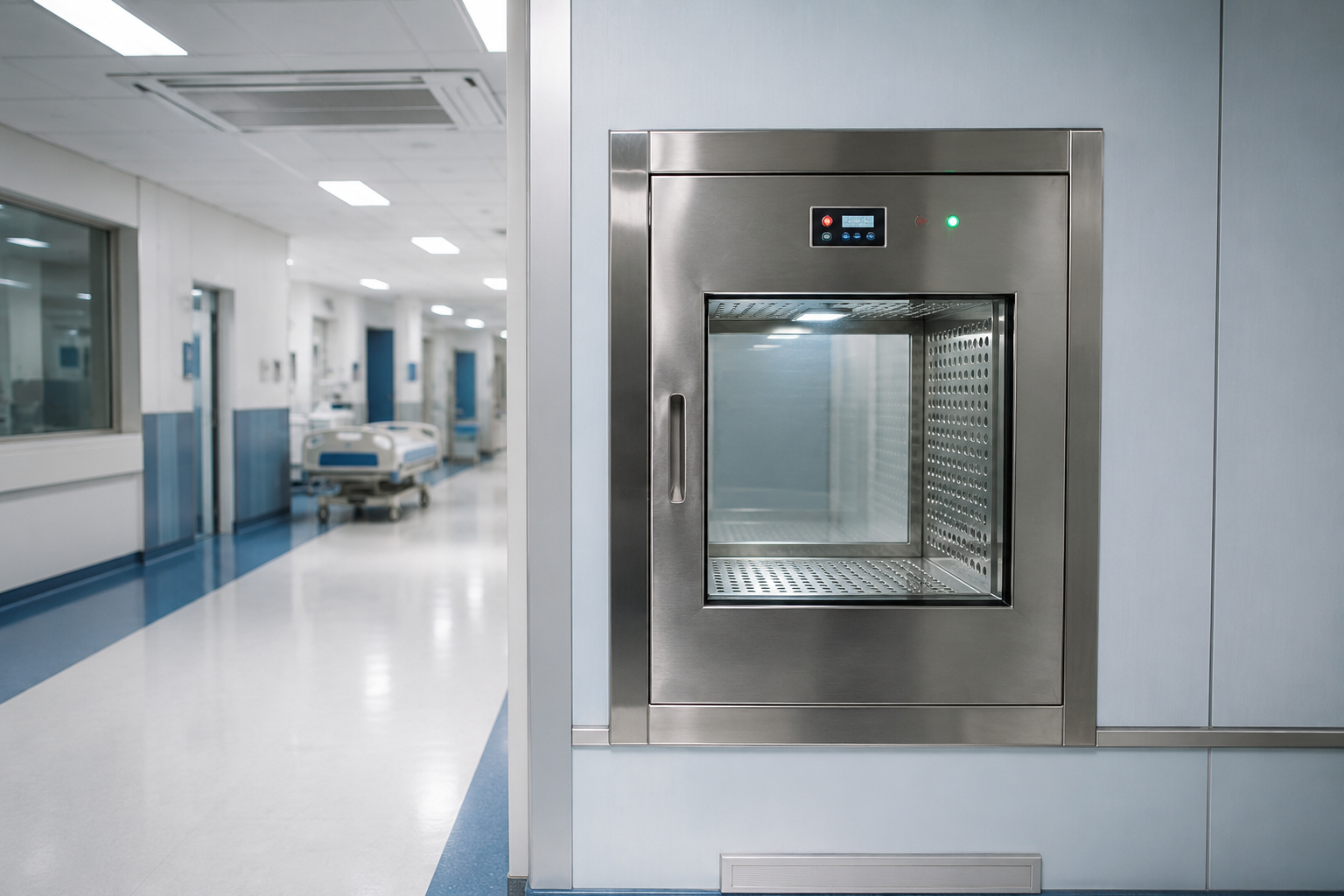
Cleanrooms are designed to keep contamination under control, but one small mistake during material transfer can compromise the entire environment. Whether it’s a pharmaceutical production facility, biotechnology laboratory, electronics manufacturing unit, or hospital cleanroom, transferring materials between controlled areas is one of the highest-risk activities.
This is where a dynamic pass box becomes an essential part of the contamination control process. It provides a safe transfer point while maintaining cleanroom integrity through controlled airflow and HEPA filtration. However, not every unit offers the same level of performance. The quality of design, filtration, airflow balance, construction materials, and manufacturing standards all make a significant difference.
Choosing the right dynamic pass box manufacturer isn’t simply about purchasing a stainless steel cabinet. It’s about investing in equipment that supports product quality, regulatory compliance, and long-term operational efficiency.
If you’re planning a new cleanroom or upgrading an existing facility in India, understanding how these systems work—and what separates a premium manufacturer from an average supplier—can help you make a smarter investment.
Why a Dynamic Pass Box Is Essential for Modern Cleanrooms
A dynamic pass box is an enclosed transfer chamber installed between two controlled areas with different cleanliness classifications. Instead of opening doors directly between rooms, materials are transferred through the chamber, reducing contamination risks.
Unlike static transfer systems, a cleanroom dynamic pass box continuously circulates filtered air using a blower and HEPA filter pass box technology. This airflow removes airborne particles before materials enter the cleaner environment.
Industries that commonly use these systems include:
- Pharmaceutical manufacturing
- Biotechnology laboratories
- Medical device production
- Food processing
- Electronics manufacturing
- Research laboratories
- Hospital sterile areas
The goal is simple: maintain cleanroom classification while improving operational efficiency.
How HEPA Filter Pass Box Technology Protects Sensitive Products
The biggest advantage of a HEPA pass box is its filtration system.
Inside the chamber, powerful blowers circulate air through high-efficiency particulate air (HEPA) filters capable of removing up to 99.97% of particles measuring 0.3 microns.
This creates a controlled airflow that continuously cleans the chamber before, during, and after material transfer.
| Feature | Dynamic Pass Box | Static Pass Box |
|---|---|---|
| HEPA Filtration | ✔ Yes | ✘ No |
| Continuous Airflow | ✔ Yes | ✘ No |
| Suitable for Critical Cleanrooms | ✔ Yes | Limited |
| Higher Contamination Protection | ✔ Excellent | Moderate |
| Pharmaceutical Applications | ✔ Ideal | Limited |
For facilities handling sterile medicines or precision components, this extra level of protection is often essential.
Where Pharmaceutical Dynamic Pass Boxes Deliver the Greatest Value
In pharmaceutical manufacturing, contamination control isn’t optional.
A pharmaceutical dynamic pass box helps prevent cross-contamination during the movement of raw materials, packaging components, sampling containers, and finished products.
Manufacturers frequently install these systems between:
- Production rooms
- Sterile filling areas
- Material preparation rooms
- Packaging sections
- Quality control laboratories
Many pharmaceutical facilities also integrate UV sterilization, pressure monitoring, differential pressure gauges, and digital control panels for additional safety.
The result is a smoother workflow without compromising Good Manufacturing Practice (GMP) standards.
Dynamic Transfer Hatch vs Air Shower Pass Box: What’s the Difference?
Many buyers confuse a dynamic transfer hatch with an air shower pass box, but each serves a slightly different purpose.
Dynamic Transfer Hatch
A dynamic transfer hatch focuses on maintaining clean airflow inside the chamber using HEPA filtration. It is ideal for routine material transfers between cleanrooms.
Air Shower Pass Box
An air shower pass box includes high-velocity air jets that actively blow contaminants off transferred items before they enter the next clean area.
Choose a dynamic transfer hatch if you need:
- Continuous filtered airflow
- Routine material transfer
- Energy-efficient operation
- Standard GMP applications
Choose an air shower pass box if you require:
- Higher contamination removal
- Critical sterile manufacturing
- Sensitive pharmaceutical production
- Advanced contamination control
Understanding the intended application helps avoid paying for features you don’t actually need.
What to Look for in a Dynamic Pass Box Manufacturer
Selecting the right manufacturer goes beyond comparing prices.
A reliable dynamic pass box manufacturer should focus on engineering quality, regulatory compliance, and long-term service support.
Key Features to Check
- 304 or 316 stainless steel construction
- High-quality HEPA filtration
- Door interlocking system
- Low vibration blower
- Digital pressure monitoring
- UV sterilization option
- Easy-to-clean internal surfaces
- Energy-efficient operation
- GMP-compliant design
- Custom sizing options
A manufacturer should also provide proper validation documents, operating manuals, testing reports, and after-sales support.
Expert Tips for Buying a Cleanroom Dynamic Pass Box
Small decisions during procurement can have a big impact later.
Match the Cleanroom Classification
Don’t over-specify or under-specify filtration. Choose a model that matches your cleanroom class.
Verify Filter Testing
Ask whether HEPA filters are individually tested before installation.
Think About Maintenance
Filters eventually require replacement. Choose designs with easy service access to reduce downtime.
Consider Future Expansion
If production may increase, investing in a larger chamber now can save money later.
Ask About Validation Support
Good manufacturers assist with installation qualification (IQ), operational qualification (OQ), and performance qualification (PQ)
Things Most Buyers Ignore Before Purchasing
Many purchasing teams focus almost entirely on price.
Unfortunately, that’s often where long-term problems begin.
Some overlooked factors include:
- Noise level during operation
- Power consumption
- Availability of replacement filters
- Door seal quality
- Local service support
- Delivery timelines
- Warranty coverage
- Spare parts availability
A slightly higher upfront investment often reduces maintenance costs over the equipment’s lifespan.
Common Mistakes When Choosing a HEPA Pass Box
Avoiding these mistakes can save both time and money.
Choosing Based Only on Price
Lower-cost models may use lower-grade filters or thinner stainless steel.
Ignoring Airflow Specifications
Incorrect airflow affects contamination control performance.
Forgetting Validation Requirements
Regulated industries require documented testing and validation.
Buying Non-Custom Sizes
Standard dimensions don’t always fit existing cleanroom layouts.
Skipping After-Sales Service
Reliable technical support becomes extremely valuable during maintenance and inspections.
Buying Guide: How to Select the Right Dynamic Pass Box
Before requesting quotations, answer these questions.
| Question | Why It Matters |
| What cleanroom class do you have? | Determines filtration requirements |
| What materials will be transferred? | Affects chamber size |
| Do you need UV sterilization? | Extra contamination control |
| Is GMP compliance required? | Important for pharmaceuticals |
| What stainless steel grade is needed? | Chemical compatibility |
| Is local service available? | Faster maintenance |
| Can the unit be customized? | Better installation fit |
A clear specification sheet makes comparing manufacturers much easier.
Frequently Asked Questions
What is a dynamic pass box?
A dynamic pass box is a cleanroom transfer chamber that uses continuous HEPA-filtered airflow to reduce contamination during material transfer.
What is the difference between a static and dynamic pass box?
A static pass box has no active airflow, while a dynamic pass box uses blowers and HEPA filters to maintain cleaner transfer conditions.
Why is a HEPA filter used?
HEPA filters remove extremely small airborne particles, helping maintain cleanroom standards.
Which industries use pharmaceutical dynamic pass boxes?
Pharmaceutical companies, biotechnology laboratories, hospitals, electronics manufacturers, medical device facilities, and research laboratories commonly use them.
Can a dynamic pass box be customized?
Yes. Most manufacturers offer custom dimensions, stainless steel grades, UV sterilization, digital controls, and additional accessories.
How often should HEPA filters be replaced?
Replacement depends on usage, operating hours, and validation results. Regular inspection and performance testing are recommended.
Is an air shower pass box better than a standard dynamic pass box?
Not always. Air shower models provide additional particle removal but are mainly used in highly critical cleanroom environments.
Final Thoughts
A well-designed dynamic pass box is far more than a transfer chamber. It plays a direct role in contamination control, product quality, and regulatory compliance.
Choosing a trusted dynamic pass box manufacturer means looking beyond the initial purchase price. Build quality, HEPA filtration performance, validation support, customization options, and reliable after-sales service all contribute to the long-term value of the equipment.
For pharmaceutical plants, hospitals, laboratories, and other cleanroom facilities across India, investing in the right system helps protect products, improve operational efficiency, and maintain consistent cleanroom performance for years to come.