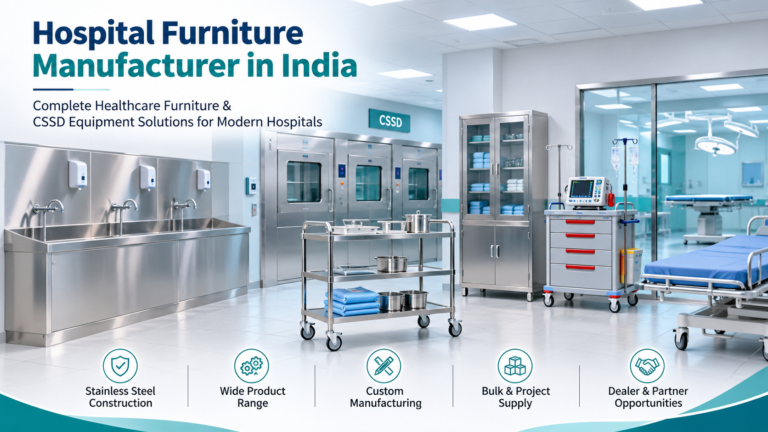
Healthcare facilities require more than advanced medical technology to deliver safe and efficient patient care. They also need durable, hygienic, and well-designed furniture and equipment that support doctors, nurses, surgeons, and hospital staff in their daily activities. Choosing the right Hospital Furniture Manufacturer in India is therefore an important decision for hospitals, clinics, medical colleges, and healthcare institutions.
From patient beds and medical trolleys to surgical scrub sinks and sterilization equipment, every product plays a role in maintaining hygiene, improving workflow, and supporting infection prevention.
With increasing demand for modern healthcare infrastructure, hospitals are looking for equipment that combines functionality, durability, easy maintenance, and practical design.
Why Quality Hospital Furniture Is Important in Modern Healthcare
Hospital furniture is used continuously throughout the day. It must withstand regular handling, frequent cleaning, and exposure to disinfectants.
Poor-quality furniture can create maintenance problems, increase replacement costs, and affect the efficiency of hospital staff.
High-quality hospital furniture offers several advantages:
-
Improved hygiene: Smooth surfaces make cleaning and disinfection easier.
-
Long-term durability: Strong materials withstand regular hospital operations.
-
Better workflow: Properly designed furniture helps staff work efficiently.
-
Patient comfort: Ergonomic designs improve patient convenience and safety.
-
Cost efficiency: Durable products reduce frequent repairs and replacements.
Hospitals should consider the intended application, material quality, construction, and maintenance requirements before purchasing any equipment.
What to Look for in a Hospital Furniture Manufacturer in India
Selecting a suitable manufacturer requires more than comparing product prices. Healthcare facilities should evaluate product specifications, manufacturing quality, and customization capabilities.
Here are some important factors to consider.
1. Material Quality
Stainless steel is widely used in healthcare environments because of its durability, corrosion resistance, and easy-to-clean surface.
Grades such as SS 304 are commonly preferred for many hospital applications. However, the appropriate grade depends on the environment, cleaning chemicals, and intended use.
2. Design and Functionality
Hospital furniture should be designed around actual medical requirements.
Important considerations include:
-
Appropriate dimensions and working height.
-
Smooth edges and safe construction.
-
Easy-to-clean surfaces.
-
Strong frames and stable structures.
-
Mobility through suitable wheels and locking systems.
3. Customization Options
Every hospital has different space requirements and operational needs.
Customized dimensions, storage arrangements, configurations, and accessories can help healthcare facilities use their available space more effectively.
Essential Hospital Equipment for Different Healthcare Departments
Modern hospitals require specialized equipment for different departments. Understanding these requirements helps buyers select suitable products.
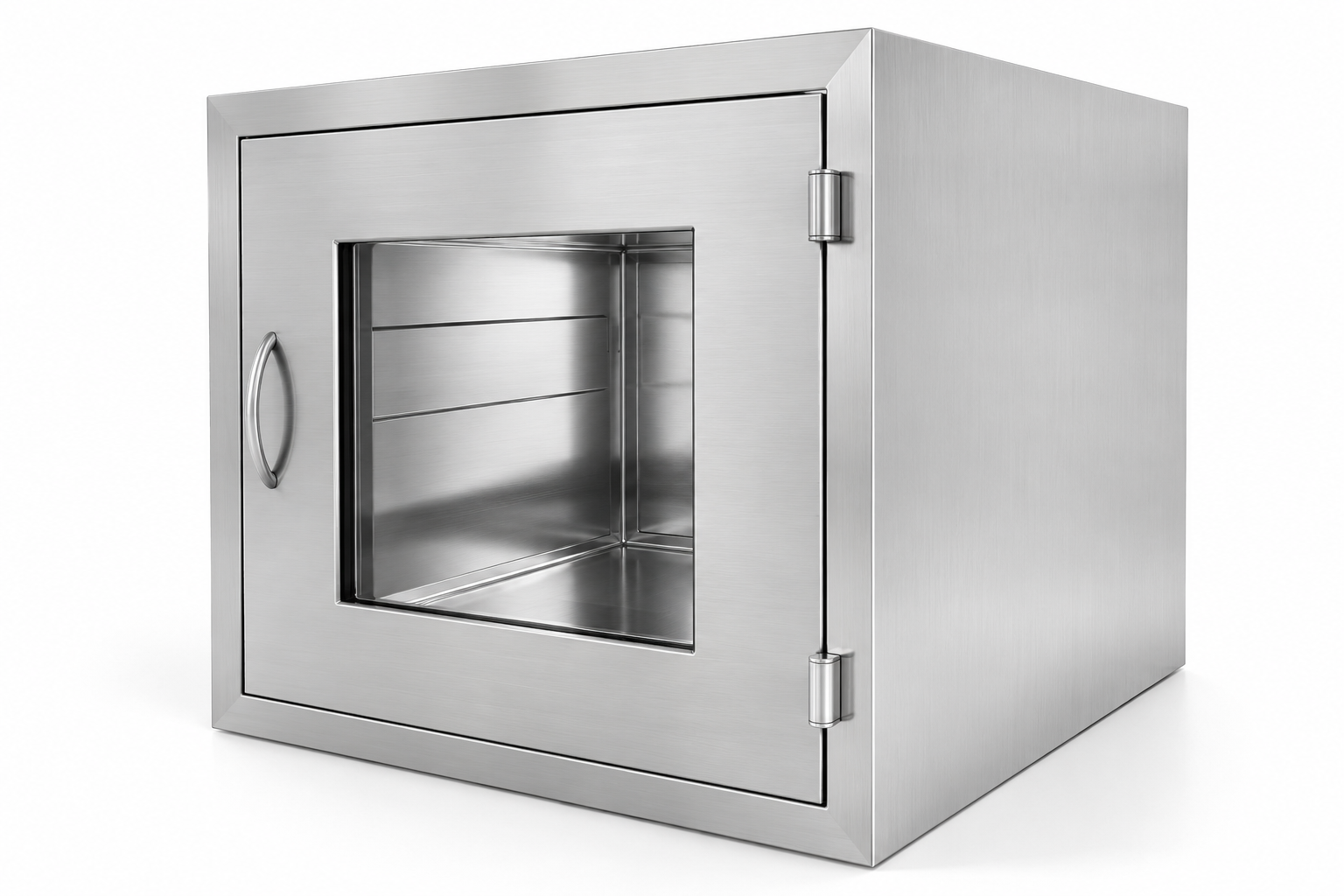
1. CSSD Equipment for Sterilization and Infection Control
The Central Sterile Services Department (CSSD) plays an essential role in hospital infection prevention.
It manages the cleaning, inspection, preparation, packaging, sterilization, and distribution of reusable medical instruments.
Professional CSSD Equipment Manufacturers provide specialized equipment to support these processes.
Common CSSD equipment includes:
-
Instrument washing sinks.
-
Ultrasonic cleaning equipment.
-
Sterilization baskets and trays.
-
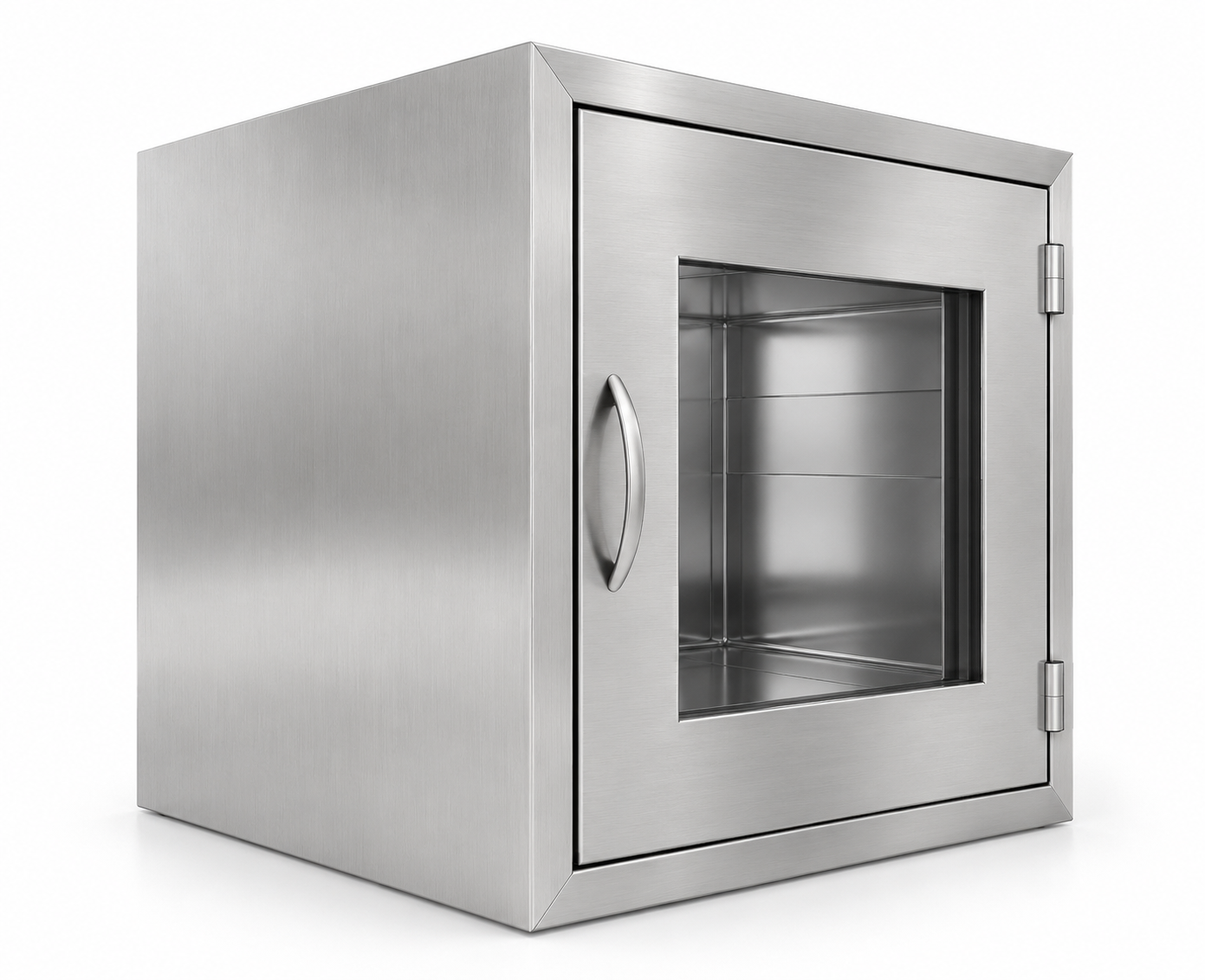
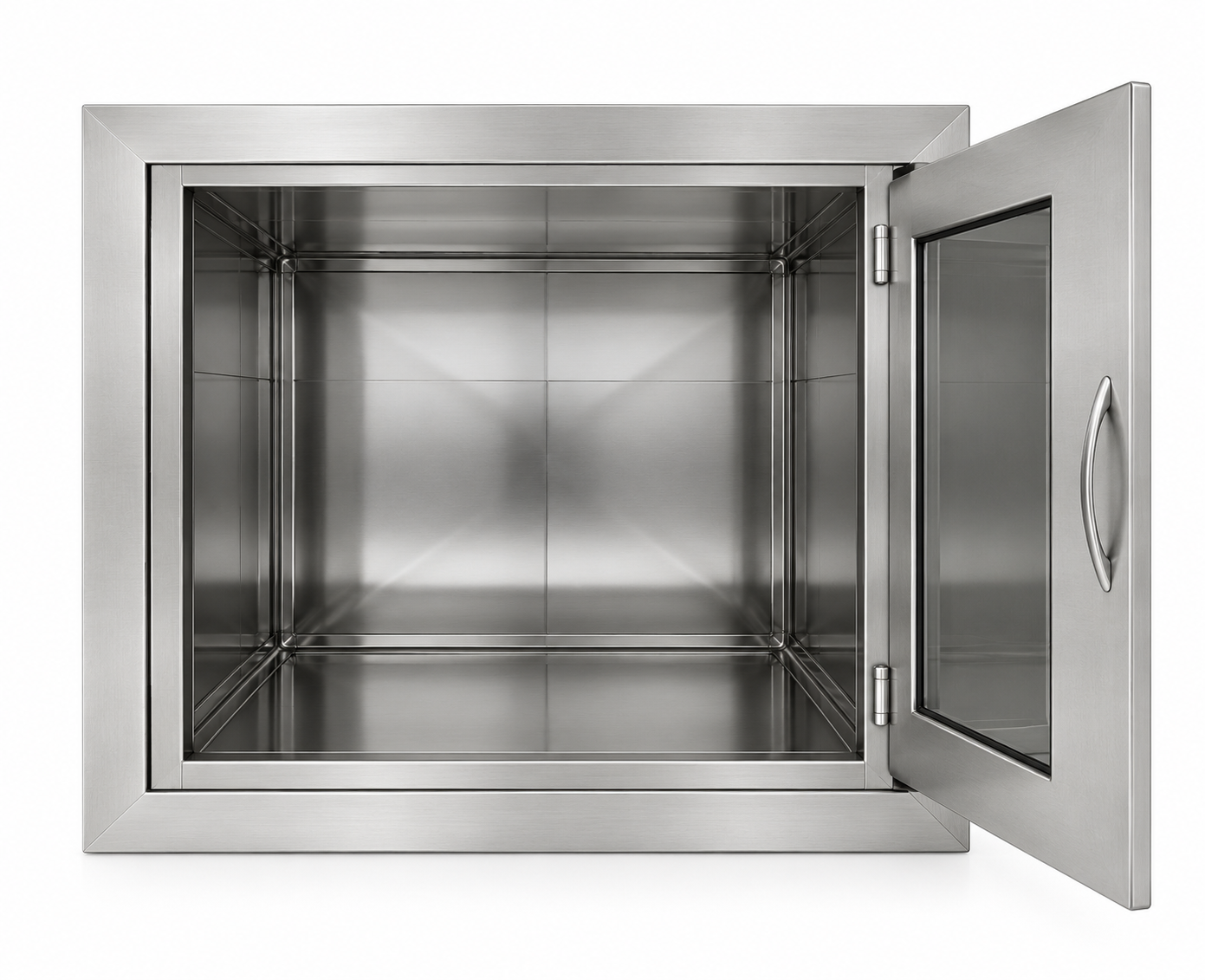
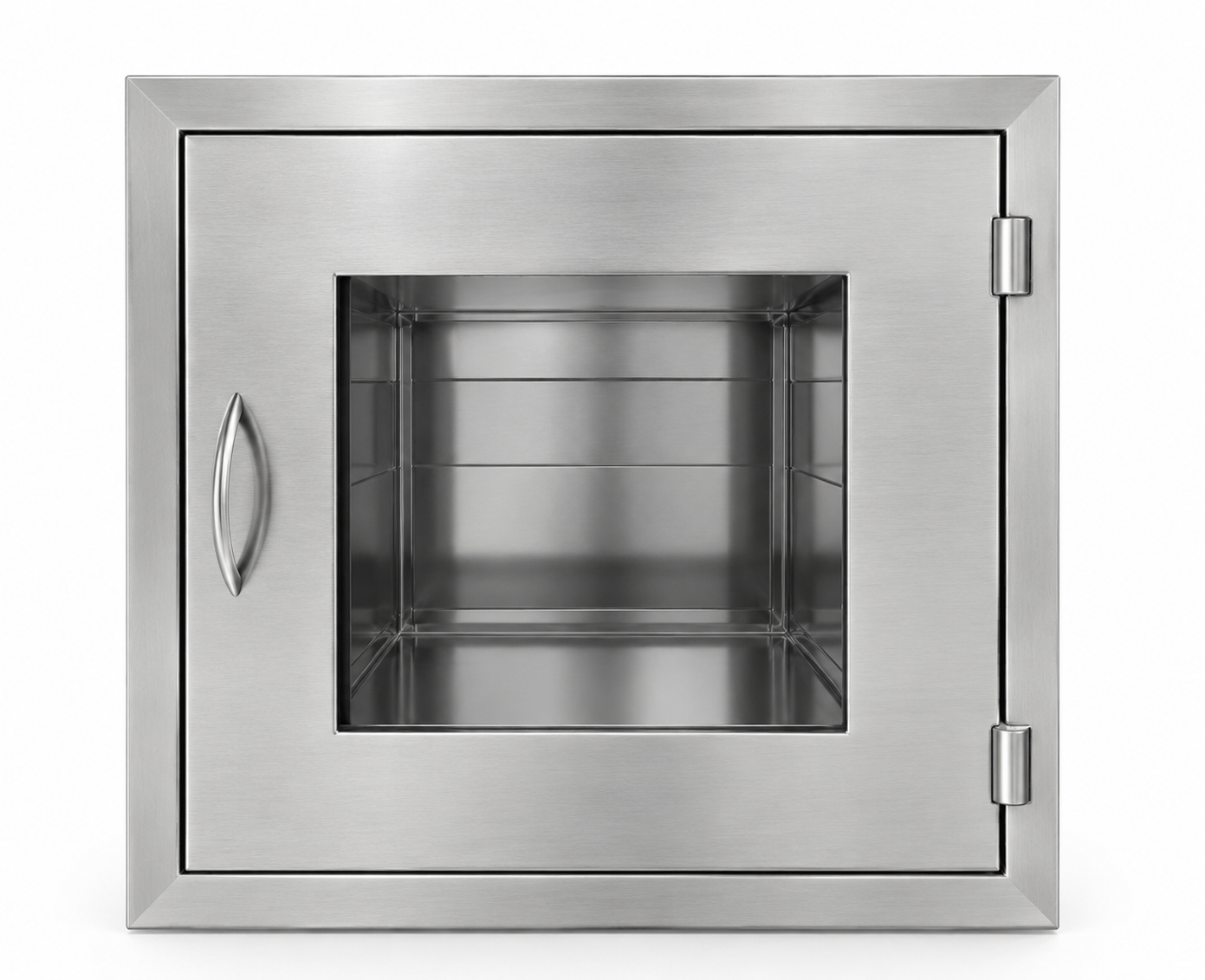
Instrument storage cabinets.
-
CSSD worktables.
-
Loading and unloading trolleys.
-
Drying and preparation stations.
Why is quality CSSD equipment important?
Properly designed equipment helps maintain organized workflows, supports effective instrument processing, and reduces unnecessary handling between different stages.
Hospitals should select equipment according to their sterilization protocols, department capacity, and applicable infection-control requirements.
2. Stainless Steel Scrub Sink for Surgical Hygiene
Hand hygiene is one of the most important practices in preventing healthcare-associated infections.
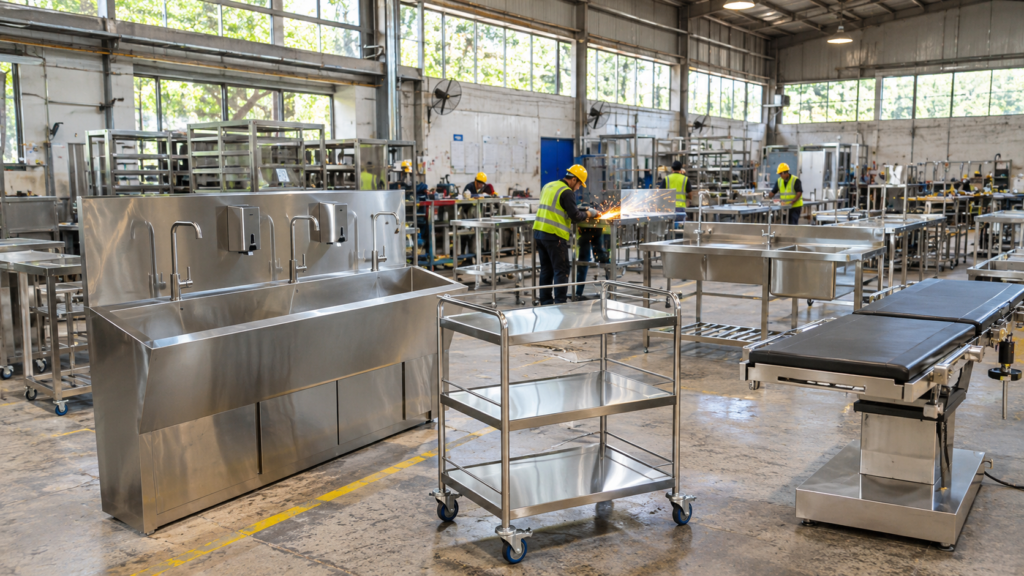
A Stainless Steel Scrub Sink is specially designed for surgeons and medical professionals to perform surgical hand and arm scrubbing before entering an operation theatre.
These sinks are commonly installed in scrub rooms near surgical areas.
Important features include:
-
High-quality stainless steel construction.
-
Deep and hygienic sink bowls.
-
Hands-free sensor-operated water taps.
-
Knee-operated or elbow-operated controls.
-
Splash-resistant design.
-
Easy-to-clean surfaces.
-
Optional soap and antiseptic dispensers.
Some advanced models also include automatic water controls and digital timers to support standardized scrubbing procedures.
Choosing the right surgical scrub sink depends on the number of users, available installation space, water supply arrangements, and hospital requirements.
Single-bay, double-bay, and triple-bay configurations are available for different surgical department capacities.
3. Operation Theater SS Furniture for Surgical Departments
Operation theatres require specialized furniture that supports sterile working conditions, efficient movement, and organized surgical procedures.
Operation Theater SS Furniture is commonly manufactured using stainless steel because of its strength, corrosion resistance, and suitability for frequent cleaning.
Common products include:
-
Mayo instrument trolleys.
-
Dressing trolleys.
-
Instrument tables.
-
Operating room storage cabinets.
-
Kick buckets.
-
Utility trolleys.
-
Surgical stools.
-
Equipment stands.
These products should have smooth surfaces, stable construction, and designs that minimize difficult-to-clean areas.
Properly selected OT furniture helps medical professionals organize surgical instruments and maintain an efficient working environment.
4. Commercial Kitchen Sink for Hospitals and Institutional Kitchens
Hospital kitchens prepare meals for patients, doctors, visitors, and staff members. Maintaining food hygiene is essential in these environments.
A reliable Commercial Kitchen Sink Manufacturer focuses on producing sinks that support washing, cleaning, food preparation, and dishwashing activities.
Stainless steel commercial kitchen sinks are widely used because they offer:
-
Corrosion resistance.
-
Easy cleaning and maintenance.
-
Strong construction.
-
Resistance to regular water exposure.
-
Long service life.
-
Multiple bowl configurations.
Depending on kitchen requirements, facilities can choose single-bowl, double-bowl, or multi-bowl sinks.
Additional features such as drainboards, undershelves, splashbacks, and waste outlets can improve functionality.
When selecting a commercial kitchen sink, consider bowl dimensions, installation space, drainage arrangements, and daily washing volume.
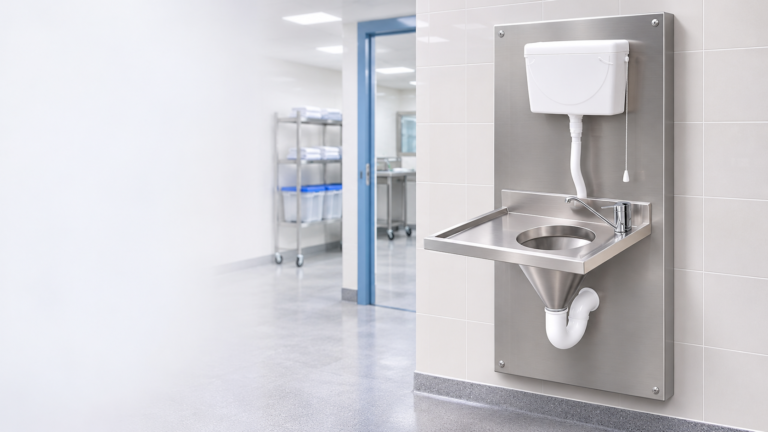
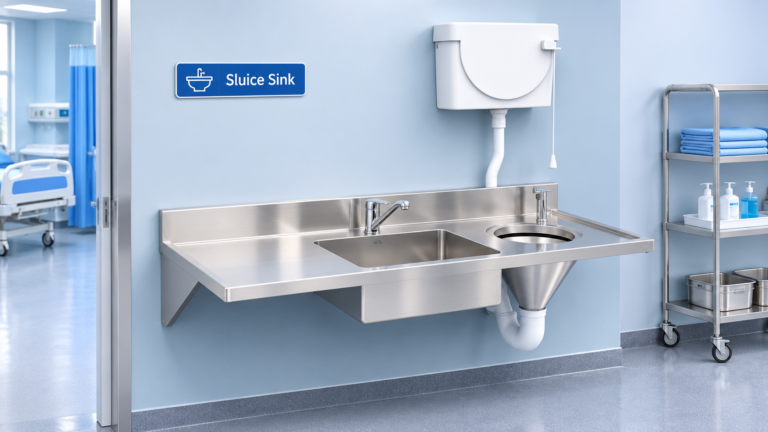
5. Slop Hopper Sink for Hospital Waste Management
Proper disposal of liquid medical waste and cleaning waste is an important part of hospital sanitation.
A slop hopper sink is designed for disposing of liquid waste and cleaning reusable containers such as bedpans and similar sanitary equipment, according to the facility’s waste-management procedures.
A professional Slop Hopper Sink Manufacturer focuses on practical designs that support hygienic cleaning and easier maintenance.
Important product features include:
-
Durable stainless steel construction.
-
Deep hopper-style bowl.
-
Efficient water flushing arrangements.
-
Easy-to-clean internal surfaces.
-
Suitable drainage connections.
-
Wall-mounted or floor-mounted installation options, depending on design.
Slop hopper sinks are generally installed in designated utility rooms and sanitary areas.
Choosing the correct model requires checking the available space, plumbing connections, flushing mechanism, and hospital sanitation requirements.
How to Choose the Right Healthcare Equipment?
Before purchasing hospital furniture or stainless steel equipment, buyers should evaluate their operational requirements.
Consider the following checklist:
-
Application: Identify the department where the equipment will be installed.
-
Material: Check stainless steel grade and material specifications.
-
Dimensions: Ensure the equipment fits the available space.
-
Construction: Evaluate welding, finishing, stability, and load capacity.
-
Hygiene: Look for designs with accessible and easy-to-clean surfaces.
-
Customization: Confirm whether special sizes or configurations are available.
-
After-sales support: Understand warranty, installation, and maintenance arrangements.
Comparing technical specifications instead of focusing only on price can help avoid purchasing unsuitable equipment.
Future of Hospital Furniture and Stainless Steel Healthcare Equipment
Healthcare infrastructure is continuously evolving. Hospitals are investing in better sterilization facilities, improved surgical environments, and more efficient patient-care systems.
Modern healthcare equipment increasingly focuses on:
-
Hands-free and sensor-operated technology.
-
Ergonomic and space-saving designs.
-
Improved infection-control practices.
-
Durable and low-maintenance materials.
-
Department-specific customized solutions.
-
Efficient equipment handling and storage.
These developments are encouraging healthcare facilities to select products that support long-term operational efficiency.
Conclusion: Invest in the Right Hospital Furniture and Equipment
Hospital furniture and stainless steel equipment are essential components of a well-organized healthcare facility. From CSSD sterilization systems and surgical scrub sinks to operation theatre furniture, commercial kitchen sinks, and slop hopper sinks, every product serves a specific purpose.
Selecting the right equipment requires careful consideration of material quality, functionality, hygiene, dimensions, and long-term maintenance.
Whether you are developing a new hospital, upgrading an existing medical facility, or planning a specialized department, choosing suitable healthcare equipment can improve daily operations and support better hygiene management.
Looking for the right hospital furniture or stainless steel healthcare equipment? Discuss your project requirements, department specifications, preferred dimensions, and customization needs with an experienced manufacturer. Request product details and technical specifications to identify solutions that match your facility’s operational requirements.