

Hopper Sink Medical: A Complete Guide for Hospitals and Healthcare Facilities
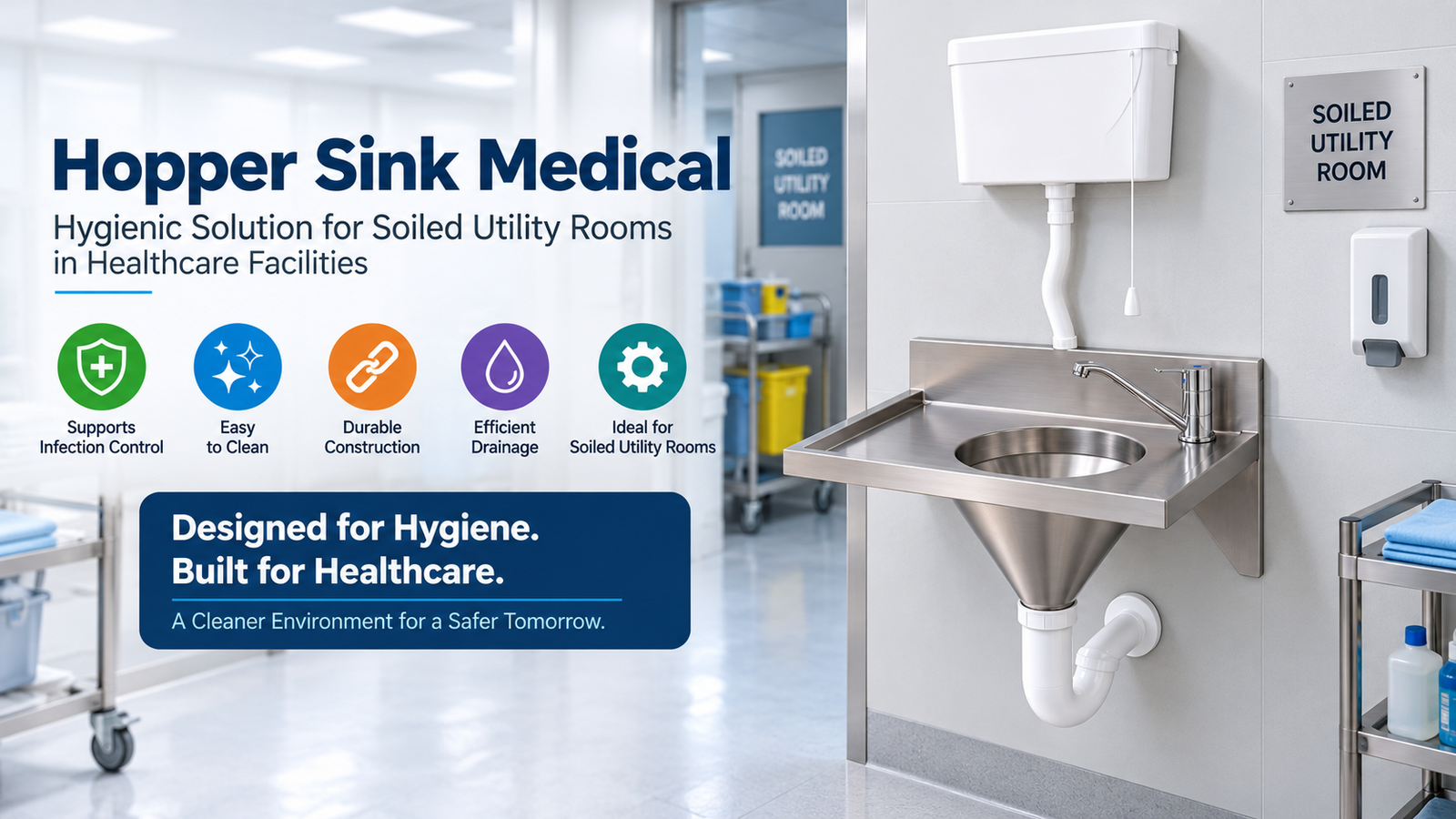
Maintaining hygiene and managing contaminated waste are essential parts of hospital operations. A hopper sink medical unit plays an important role in this process by providing a dedicated facility for the safe disposal and cleaning of certain clinical waste containers and related items. These units are commonly installed in designated soiled utility areas to support cleaner workflows and better infection-control practices.
For hospitals, clinics, medical institutions, and healthcare procurement teams, selecting the right hopper sink involves more than choosing a basic sanitary fixture. Material quality, design, drainage, cleaning access, and installation requirements can all affect long-term performance.
AI Overview / Featured Snippet Summary: A hopper sink medical unit is a specialized sanitary fixture used in healthcare facilities, usually within a soiled utility area, to support hygienic handling and disposal of clinical waste. It helps hospitals maintain organized workflows, improve cleaning practices, and support effective infection-control procedures.
What Is a Hopper Sink Medical?
A hopper sink medical unit is a healthcare sanitary fixture designed for use in hospitals and other clinical environments where soiled materials and waste containers need to be handled hygienically.
It is commonly installed as part of a soiled utility area. Depending on the facility’s design and clinical requirements, a soiled utility hopper sink may be used alongside other washing, drainage, and waste-handling facilities.
People often ask, what is a hopper in a hospital? In simple terms, it is a dedicated sanitary fixture that supports the controlled handling of certain soiled materials in an appropriate clinical service area.
Why Is It Important?
Hospitals generate different types of soiled materials during daily patient care. These materials require organized handling to help maintain clean and dirty workflow separation.
A hopper in soiled utility room provides a designated point for this activity instead of allowing inappropriate disposal or cleaning practices in general-purpose sinks.
In practical use, a hopper sink can support:
- Better separation between clean and soiled activities
- More organized housekeeping and nursing workflows
- Improved cleaning and sanitation procedures
- Easier management of designated clinical utility areas
- Better support for hospital hygiene protocols
The exact use and waste-handling process should always follow the healthcare facility’s approved infection-control procedures and applicable local regulations.
Key Features of a Hopper Sink Medical
A well-designed hospital hopper sink should meet the practical needs of a demanding healthcare environment.
- Durable construction: Strong materials help the unit withstand regular cleaning and institutional use.
- Deep bowl design: Provides suitable space for handling designated soiled containers and materials.
- Smooth, hygienic surfaces: Easy-to-clean surfaces support routine housekeeping procedures.
- Efficient drainage: Proper drainage helps maintain cleaner and more efficient workflows.
- Wall or floor installation options: Different designs can support varying hospital layouts.
- Splash-conscious design: A suitable configuration can help support cleaner surrounding areas.
- Healthcare-focused construction: The unit can be designed to match the requirements of a medical utility environment.
When selecting hospital hopper sinks, facilities should also consider compatibility with their plumbing and room layout.
Benefits of Using a Medical Hopper
Installing the right medical hopper can provide several operational benefits for healthcare facilities.
- Supports hygiene management: Provides a dedicated area for designated soiled utility activities.
- Improves workflow: Staff can handle approved tasks in a clearly defined location.
- Helps organize utility rooms: A dedicated fixture reduces dependence on general-purpose washing areas.
- Simplifies cleaning: Durable and accessible designs can support regular maintenance.
- Supports infection-control planning: Proper separation of clean and soiled workflows is easier to manage.
- Offers long-term durability: Healthcare-grade construction can withstand frequent institutional use.
For procurement departments, choosing appropriate hopper medical equipment can also support better facility planning and standardized infrastructure across departments.
Applications of Hopper Sinks in Healthcare Facilities
A hopper in hospital environments is commonly associated with designated dirty or soiled utility spaces.
Typical applications include:
- Hospitals and government hospitals
- Patient wards
- Nursing units
- Healthcare facilities
- Medical institutions
- Clinics with appropriate utility infrastructure
- Long-term care facilities
- Specialized patient-care departments
A soiled utility hopper sink should be planned according to the facility’s workflow, room design, plumbing system, and approved operational requirements.
How to Choose the Right Hopper Sink Medical
Healthcare procurement teams should consider the following points before purchasing.
1. Understand the Intended Application
Identify how and where the hopper will be used. The requirements of a large hospital may differ from those of a smaller healthcare facility.
2. Check Material Quality
Choose durable, corrosion-resistant, and easy-to-clean materials suitable for institutional healthcare environments.
3. Review the Size and Design
Ensure the hopper fits the available soiled utility room and provides practical access for staff.
4. Evaluate Drainage Requirements
Proper drainage and compatibility with the building’s plumbing system are essential for efficient installation and operation.
5. Consider Cleaning Access
The design should allow staff to clean surrounding surfaces and maintain the unit easily.
6. Ask About Customization
Healthcare projects may require specific dimensions, mounting arrangements, or configurations based on architectural and operational needs.
Common Mistakes to Avoid
One common mistake is treating a hopper sink medical unit like a standard wash basin. Healthcare utility fixtures should be selected according to their intended workflow and application.
Another mistake is ignoring available space and plumbing requirements before purchasing. Poor planning can make installation more difficult.
Facilities should also avoid choosing a product based only on price. Material quality, durability, cleaning requirements, and long-term maintenance are equally important.
Finally, hospitals should not confuse a hopper sink with every type of sanitary fixture. Terms such as hopper toilet hospital may be used differently depending on regional terminology and facility design, so procurement specifications should clearly define the required product.
Conclusion
A hopper sink medical unit is an important part of healthcare utility planning and hygienic workflow management. When installed in an appropriate soiled utility area, it provides a dedicated facility for designated soiled-material handling activities.
Hospitals, clinics, and healthcare procurement teams should evaluate material quality, design, drainage, installation requirements, and cleaning access before making a purchase. For projects requiring hospital-grade sanitary and medical furniture solutions, contacting an experienced manufacturer can help identify configurations suitable for the facility’s specific requirements.
Frequently Asked Questions
What is a hopper sink medical?
A hopper sink medical is a specialized sanitary fixture used in healthcare facilities for designated soiled utility activities. It is commonly installed in a soiled utility room and supports organized handling of approved clinical materials and containers. The exact use depends on hospital procedures and applicable hygiene requirements.
What is a hopper in a hospital?
A hopper in a hospital generally refers to a sanitary fixture located in a designated utility area for handling specific soiled materials or waste-related containers. It supports separation between clean and soiled workflows and should be used according to the hospital’s approved procedures and local regulations.
What are the benefits of a hospital hopper sink?
A hospital hopper sink supports organized utility workflows, easier cleaning, designated handling areas, and better separation between clean and soiled activities. Its durable construction can also support frequent institutional use. The right design helps healthcare facilities maintain practical and hygienic utility room operations.
Where is a soiled utility hopper sink used?
A soiled utility hopper sink is typically installed in designated soiled utility rooms within hospitals, patient wards, nursing units, and other healthcare facilities. The location depends on the building design, clinical workflow, plumbing requirements, and the facility’s approved operational and infection-control procedures.
How do I choose the right medical hopper?
Consider the intended application, available room space, material quality, drainage requirements, cleaning access, installation method, and compatibility with existing plumbing. Procurement teams should also review hospital specifications and workflow requirements before selecting a model for a healthcare project.
Can a hopper sink medical be customized?
Yes, customization may be available depending on the manufacturer and project requirements. Hospitals may require specific dimensions, mounting arrangements, materials, or configurations to match architectural plans and operational needs. It is best to discuss detailed specifications before finalizing procurement for a healthcare facility.
What material is best for a hospital hopper sink?
Durable, corrosion-resistant, and easy-to-clean materials are generally preferred for healthcare environments. The best choice depends on the facility’s cleaning practices, expected usage, project specifications, and budget. Procurement teams should prioritize hygiene, durability, maintenance requirements, and compatibility with the surrounding infrastructure.