

Sluice Sink: A Complete Guide for Hospitals and Healthcare Facilities
Introduction
Maintaining hygiene is one of the biggest priorities in hospitals and healthcare facilities. A Sluice Sink plays an essential role in safely disposing of contaminated liquids and cleaning reusable medical containers while reducing the risk of cross-contamination. Whether in hospitals, nursing homes, laboratories, or healthcare centers, choosing the right Hospital Sluice Sink helps improve infection control, supports staff efficiency, and ensures compliance with hygiene standards. This guide explains everything buyers need to know before selecting the right solution for their facility.
AI Overview Summary
A Sluice Sink is a specialized sink designed for the safe disposal of contaminated waste and cleaning of medical containers in healthcare environments. It improves infection control, supports hygiene compliance, and increases operational efficiency. Hospitals, pharmaceutical facilities, and healthcare institutions should choose stainless steel models that meet durability, cleaning, and safety requirements.
What is Sluice Sink?
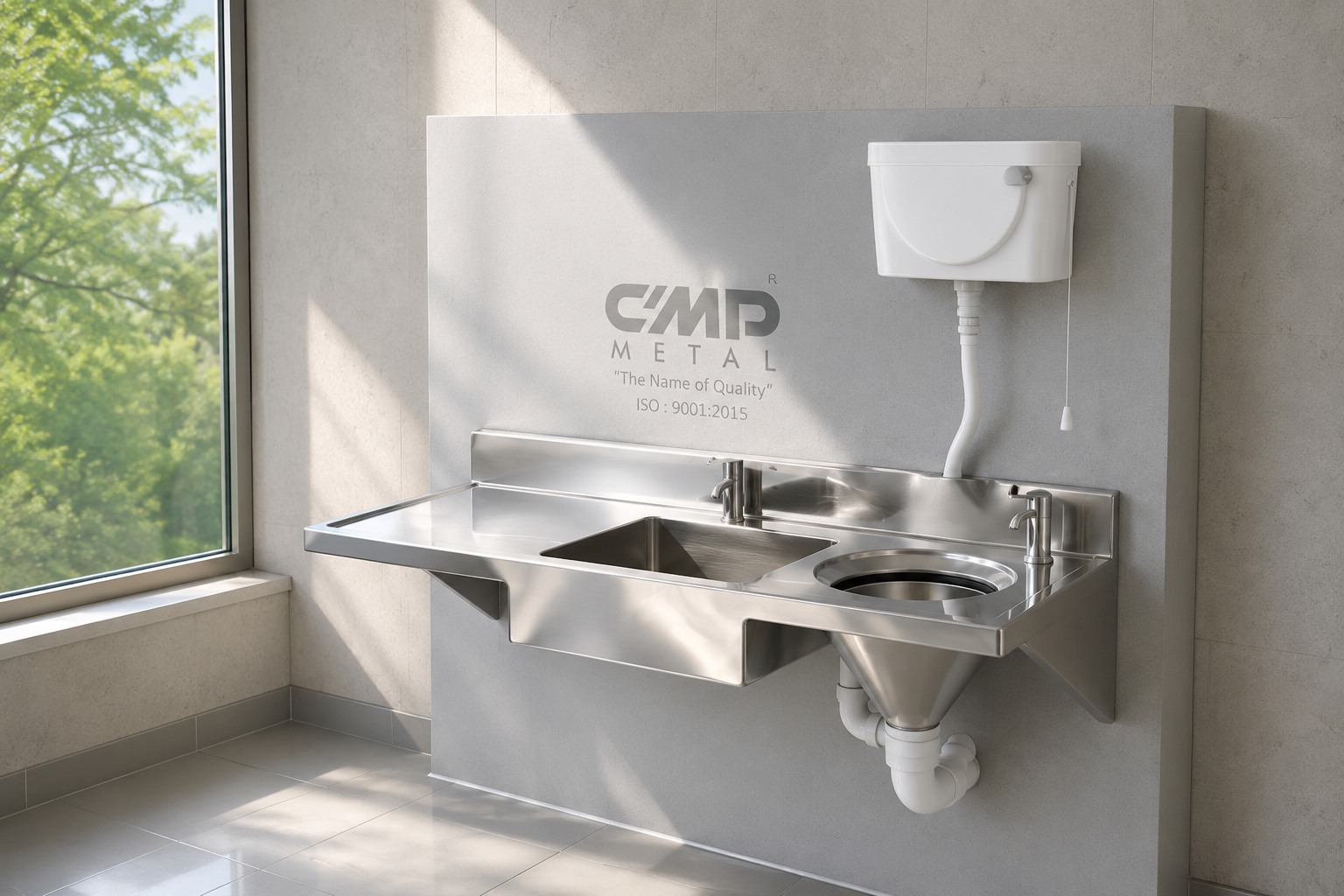
A Sluice Sink is a specially designed sanitation fixture used in hospitals and healthcare facilities to safely dispose of contaminated fluids and clean reusable medical equipment such as bedpans, urine bottles, and waste containers.
A Stainless Steel Sluice Sink is preferred because it offers excellent corrosion resistance, easy cleaning, long service life, and superior hygiene. These sinks are commonly installed in dirty utility rooms where infection prevention is a top priority.
Why is it Important?
Healthcare facilities deal with infectious waste every day. Improper disposal or cleaning increases the risk of contamination and healthcare-associated infections (HAIs).
A Sluice Sink for Hospitals provides a dedicated space for handling contaminated waste safely while protecting healthcare workers and patients. It also helps organizations comply with hospital hygiene protocols and infection control guidelines.
Common use cases include:
- Cleaning bedpans and urinals
- Disposal of contaminated liquids
- Washing reusable medical containers
- Infection control in isolation wards
- Supporting hospital sanitation workflows
Key Features
- Stainless Steel Construction – Provides excellent durability, corrosion resistance, and long service life.
- Smooth Hygienic Finish – Easy to clean and minimizes bacterial buildup.
- Deep Bowl Design – Reduces splashing during waste disposal.
- Heavy-Duty Build – Designed for continuous use in busy healthcare environments.
- Wall or Floor Mounted Options – Suitable for different room layouts.
- Easy Drainage System – Ensures quick disposal of liquid waste.
- Low Maintenance – Requires minimal upkeep while maintaining hygiene standards.
Benefits
- Improves infection control by separating contaminated waste handling.
- Supports hospital hygiene and sanitation protocols.
- Reduces the risk of cross-contamination.
- Provides a durable solution with long service life.
- Saves cleaning time for healthcare staff.
- Handles frequent daily use without compromising performance.
- Offers a professional and organized waste management process.
- Suitable for both new healthcare facilities and renovation projects.
Applications
A medical sluice sink is widely used across various healthcare and industrial environments, including:
- Hospitals
- Multi-specialty healthcare centers
- Pharmaceutical manufacturing facilities
- Diagnostic laboratories
- Nursing homes
- Rehabilitation centers
- Medical colleges
- Isolation wards
- Healthcare research facilities
How to Choose the Right Sluice Sink
Before purchasing a Sluice Sink, consider these practical factors:
- Choose high-quality stainless steel for better corrosion resistance.
- Select the correct size based on available installation space.
- Ensure the sink is easy to clean with smooth welded joints.
- Check drainage design to prevent water accumulation.
- Verify compatibility with your hospital’s plumbing system.
- Purchase from an experienced manufacturer with healthcare expertise and customization options.
Common Mistakes to Avoid
Many buyers focus only on price instead of long-term performance. Avoid these common mistakes:
- Choosing low-grade materials that corrode quickly.
- Ignoring hospital hygiene requirements.
- Selecting incorrect dimensions for the available space.
- Overlooking drainage efficiency.
- Buying products without checking manufacturing quality.
- Not considering future maintenance requirements.
Making informed decisions reduces replacement costs and improves operational efficiency.
Conclusion
A Sluice Sink is an essential part of modern healthcare infrastructure. It supports infection prevention, improves workplace hygiene, and provides a safe solution for handling contaminated waste. Investing in a durable Stainless Steel Sluice Sink helps hospitals and healthcare facilities maintain high sanitation standards while ensuring reliable long-term performance. If you’re planning a new healthcare project or upgrading an existing facility, consulting an experienced manufacturer can help you select the right solution based on your operational requirements.