

Endoscope Drying Cabinet: Protecting Endoscopes with Safe Drying and Storage
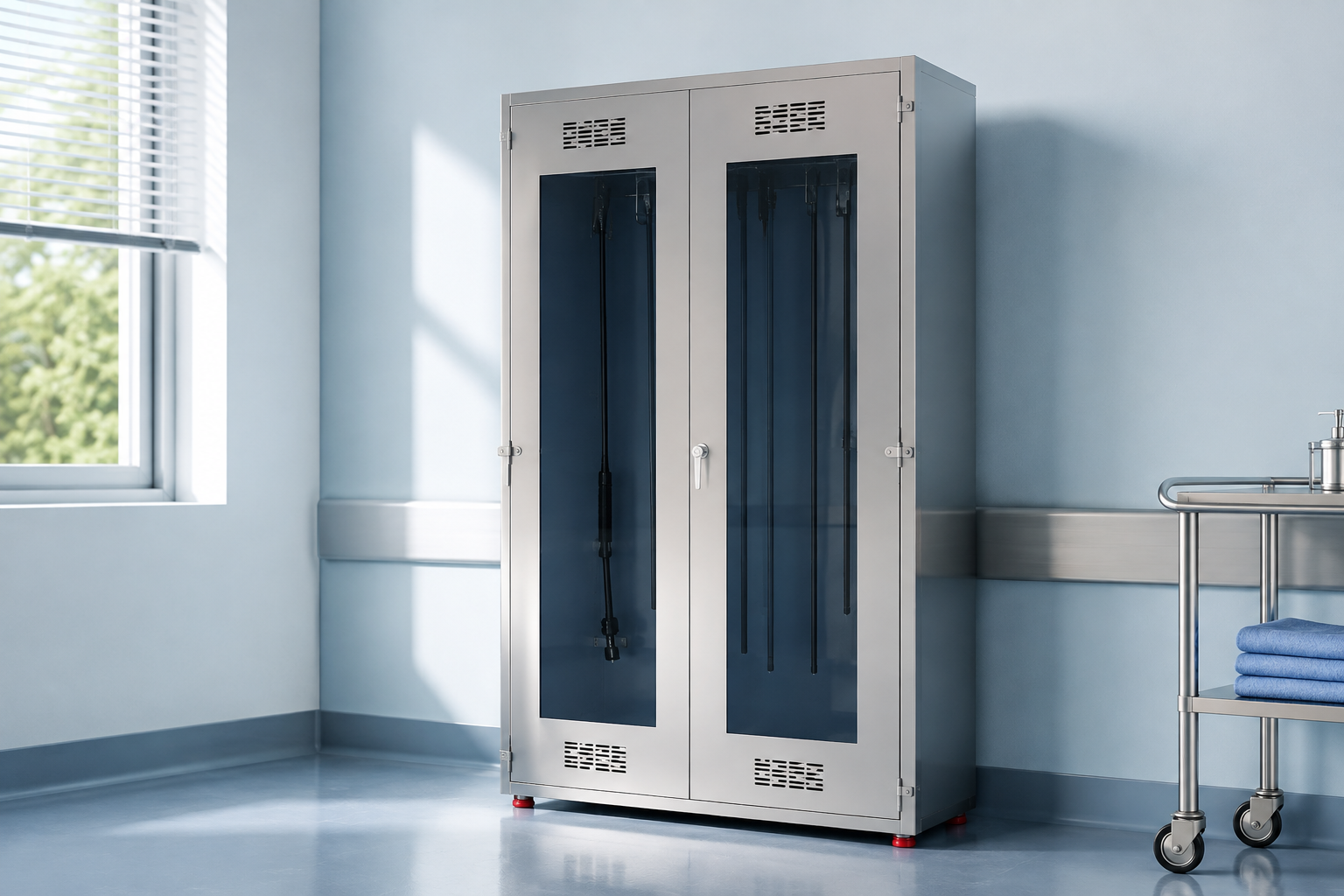
Endoscopes are valuable medical instruments that require careful handling after every procedure. Proper cleaning is only one part of the reprocessing cycle. Once disinfected, endoscopes must be dried and stored correctly to prevent moisture buildup and microbial contamination. An Endoscope Drying Cabinet is designed specifically for this purpose, providing a controlled environment that helps maintain instrument hygiene while extending equipment life.
Hospitals, endoscopy centers, surgical facilities, and healthcare institutions increasingly rely on advanced drying cabinets to support infection prevention protocols and comply with international reprocessing guidelines. Choosing the right storage solution can improve workflow, reduce contamination risks, and protect costly medical equipment.
What is an Endoscope Drying Cabinet?
An Endoscope Drying Cabinet is a medical-grade storage system that safely dries and stores flexible endoscopes after cleaning and high-level disinfection. It continuously circulates clean, filtered air through internal channels and storage compartments to remove residual moisture.
Many modern systems combine HEPA filtration, controlled airflow, and optional UV disinfection to create a clean storage environment. Depending on the application, these units may also be referred to as an Endoscope Storage Cabinet, Endoscope Drying & Storage Cabinet, Medical Drying Cabinet, Hospital Drying Cabinet, or Endoscope Dry Cabinet.
Why is it Important?
Residual moisture inside an endoscope can encourage bacterial growth if the instrument is not dried properly. A dedicated Endoscope Storage System helps healthcare facilities maintain high hygiene standards while reducing the possibility of cross-contamination.
Proper drying and storage are important because they:
- Minimize the risk of microbial contamination.
- Support infection prevention protocols.
- Protect delicate internal channels.
- Extend the service life of expensive endoscopes.
- Improve compliance with healthcare quality standards.
- Keep instruments ready for the next procedure.
For hospitals performing multiple endoscopic procedures every day, an Endoscope Hanging Cabinet provides both organized storage and consistent drying performance.
Key Features
- HEPA Filter Air Circulation – A HEPA Filter Endoscope Cabinet delivers filtered air that helps keep stored endoscopes free from airborne contaminants.
- Continuous Drying System – Removes internal moisture after the reprocessing cycle.
- Vertical Hanging Design – An Endoscope Hanging Cabinet stores scopes without bending, reducing mechanical stress.
- Optional UV Technology – A UV Endoscope Storage Cabinet provides an additional layer of surface protection.
- Stainless Steel Construction – Offers durability, corrosion resistance, and easy cleaning.
- Transparent Viewing Door – Allows quick inspection without opening the cabinet.
- Multiple Scope Capacity – Available in different sizes for hospitals and endoscopy units.
- Secure Locking System – Prevents unauthorized access to valuable medical equipment.
Benefits
- Helps maintain endoscope cleanliness between procedures.
- Reduces moisture that may contribute to contamination.
- Extends the operational life of expensive medical equipment.
- Improves workflow by keeping scopes organized and ready to use.
- Supports healthcare facilities in maintaining infection control standards.
- Reduces maintenance costs caused by improper storage.
- Enhances staff efficiency with dedicated storage space.
- Provides a professional and hygienic storage solution.
Applications
An Endoscope Drying & Storage Cabinet is widely used across healthcare and medical industries, including:
- Hospitals
- Endoscopy Departments
- Gastroenterology Clinics
- Urology Centers
- Pulmonology Units
- ENT Clinics
- Ambulatory Surgical Centers
- Medical Device Reprocessing Departments
- Central Sterile Supply Departments (CSSD)
- Specialty Healthcare Facilities
How to Choose the Right Endoscope Drying Cabinet
When selecting an Endoscope Drying Cabinet, consider the following factors:
- Choose the storage capacity based on your daily procedure volume.
- Look for HEPA-filtered airflow for improved air quality.
- Select stainless steel construction for durability and hygiene.
- Ensure the cabinet supports vertical hanging to protect delicate scopes.
- Check whether UV disinfection is available if required by your facility.
- Verify that the cabinet complies with applicable healthcare standards and your infection control protocols.
Common Mistakes to Avoid
- Choosing a cabinet with insufficient storage capacity.
- Ignoring airflow and filtration quality.
- Purchasing units made from materials that are difficult to sanitize.
- Overlooking future expansion requirements.
- Storing endoscopes before they are completely dried.
- Selecting products without considering maintenance and service support.
Conclusion
An Endoscope Drying Cabinet is an essential investment for healthcare facilities that prioritize patient safety, infection prevention, and equipment longevity. By combining controlled drying, organized storage, and advanced filtration, these cabinets help maintain high standards of endoscope reprocessing while improving operational efficiency.
If you are planning a new endoscopy department or upgrading your existing storage system, consult an experienced manufacturer to find a solution that matches your workflow, capacity requirements, and compliance needs.
Frequently Asked Questions
What is an Endoscope Drying Cabinet?
An Endoscope Drying Cabinet is a specialized medical storage unit that dries and stores flexible endoscopes after cleaning and disinfection. It uses filtered airflow to remove residual moisture, helping reduce contamination risks while protecting sensitive medical instruments.
What are the benefits of using an Endoscope Drying Cabinet?
The main benefits include improved infection control, reduced moisture, longer equipment life, organized storage, better workflow efficiency, and support for healthcare compliance requirements. Proper drying also helps maintain endoscope performance between procedures.
Where are Endoscope Drying Cabinets commonly used?
They are widely used in hospitals, endoscopy centers, gastroenterology clinics, surgical facilities, ENT departments, pulmonology units, urology clinics, and CSSD departments where flexible endoscopes require safe storage after reprocessing.
How do I choose the right Endoscope Drying Cabinet?
Consider storage capacity, airflow technology, HEPA filtration, cabinet material, vertical hanging support, optional UV technology, ease of cleaning, and compliance with healthcare standards. Selecting the right size for your daily workload is equally important.
Can an Endoscope Drying Cabinet be customized?
Yes. Many manufacturers offer customized sizes, storage capacities, door configurations, hanging systems, airflow options, and additional features to meet the operational requirements of hospitals and healthcare facilities.
What material is best for an Endoscope Drying Cabinet?
Medical-grade stainless steel is the preferred material because it is corrosion-resistant, durable, easy to sanitize, and suitable for demanding healthcare environments where hygiene and long-term performance are essential.