In modern hospitals, endoscopy suites, diagnostic centers, and gastroenterology clinics, flexible and rigid endoscopes are used throughout the day. Because these delicate instruments come into direct contact with internal tissues and mucous membranes, thorough pre-cleaning is mandatory before high-level disinfection (HLD) or sterilization. A dedicated endoscope washing sink provides a structured, hygienic, and safe workstation for medical staff to clean instruments without risking damage or cross-contamination.
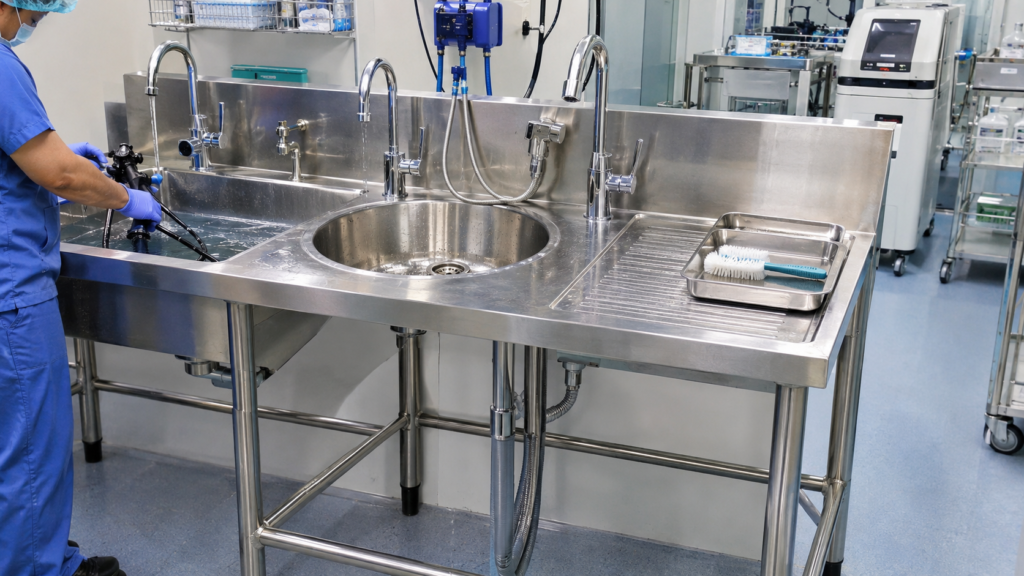
Unlike standard utility sinks, a specialized medical reprocessing sink is built around clinical infection-control workflows, featuring multiple basins, dedicated drainboards, and heavy-duty stainless steel construction. This guide explains how these workstations improve hospital hygiene and what features to look for when equipping an endoscopy reprocessing room.
Why a Dedicated Endoscope Reprocessing Sink is Essential
Endoscopes contain long, narrow internal channels and sensitive optical components that cannot be cleaned in ordinary basins. Standard sinks create several operational and clinical challenges:
-
Risk of Scope Damage: Shallow basins force technicians to coil flexible endoscopes too tightly, which can crack internal fiber-optic bundles or damage insertion tubes.
-
Cross-Contamination Hazards: Washing and rinsing instruments in the same basin increases the risk of transferring organic debris and pathogens between cleaning stages.
-
Lack of Dedicated Drying & Staging Space: Without an integrated side drainboard, technicians have nowhere safe to place washed scopes or accessories before transferring them to automated reprocessors.
-
Chemical & Water Damage: Ordinary metal sinks corrode quickly when exposed daily to enzymatic detergents, disinfectants, and continuous water flow.
Key Design Features of a Modern Stainless Steel Endoscope Sink
When evaluating an endoscope washing sink manufacturer in India, look for practical structural features that match your facility’s daily procedure volume and room layout:
1. SS 304 Grade Heavy-Duty Construction
Medical reprocessing stations should be built from high-grade SS 304 stainless steel with a smooth, non-porous satin finish. This prevents rust, resists harsh enzymatic cleaners, and allows staff to sanitize the entire workstation quickly between shifts.
2. Multi-Basin Layouts (Square & Round Sink Combinations)
Different stages of endoscope cleaning require different basin shapes and capacities:
-
Square Basins: Provide generous rectangular space for soaking full-length flexible endoscopes comfortably without tight coiling.
-
Round Basins: Ideal for concentrated detergent washing, valve/accessory cleaning, or dedicated final rinsing stages.
-
Multi-Bowl Models (2-Basin & 3-Basin Units): Allow facilities to separate dirty pre-washing, enzymatic soaking, and clean water rinsing into distinct compartments.
3. Integrated Side Drainboard / Work Deck
A built-in flat drainboard positioned beside the basins gives technicians a clean, sloped surface to stage instrument trays, place leak-testing equipment, and drain excess water before moving scopes to the disinfection area.
4. Individual Gooseneck Faucets & Water/Air Rinsing Support
Having dedicated, high-arc gooseneck taps over each basin ensures smooth water access for simultaneous soaking and rinsing. Compatibility with pressurized water and air rinsing guns further helps technicians flush internal biopsy and suction channels efficiently.
5. Hygienic Seamless Corners & Splash Protection
Deep-drawn basins with rounded inner corners prevent dirt and biofilm buildup. Combined with a raised rear backsplash and anti-drip front edge, the unit keeps surrounding walls and floors dry and safe from slip hazards.
6. Sturdy Open Tubular Frame with Adjustable Feet
An open stainless steel tubular under-frame provides strong weight support while keeping the floor underneath visible and easy to mop—an essential requirement for hospital infection-control audits.
Step-by-Step Manual Endoscope Reprocessing Workflow
A well-designed multi-basin endoscope washing sink directly supports standard clinical cleaning protocols by dividing the workstation into clear operational zones:
Stage 1 – Leak Testing & Pre-Rinse (First Basin): The technician places the endoscope in the first basin to perform a pressure leak test and flush out gross organic debris using clean water.
Stage 2 – Enzymatic Detergent Soaking & Brushing (Middle / Main Basin): The scope is submerged in an enzymatic detergent solution in a deep basin, where external surfaces are wiped and internal channels are brushed thoroughly.
Stage 3 – Final Clean Water Rinsing (Rinsing Basin): The cleaned endoscope and detached valves are transferred to a separate basin for thorough rinsing with clean or RO-treated water to remove all detergent residue.
Stage 4 – Draining & Channel Drying (Side Drainboard): The rinsed instrument is placed on the integrated stainless steel drainboard where excess water drains back into the sink, and channels are purged with air before high-level disinfection.
Best Practices for Setting Up an Endoscopy Reprocessing Room
To maintain smooth daily operations and comply with hospital accreditation standards, consider these layout tips:
-
Follow a Unidirectional Workflow: Arrange your room so instruments move strictly from dirty to clean—placing the washing sink between the procedure room drop-off point and the clean disinfection/storage area.
-
Choose the Right Length for Your Room: Compact 2-basin units with a side drainboard work well for outpatient clinics, while longer 3-basin models handle high-turnover hospital endoscopy departments.
-
Ensure Proper Exhaust Ventilation: Install adequate local ventilation above the washing station to clear moisture and chemical vapors from enzymatic cleaners.
-
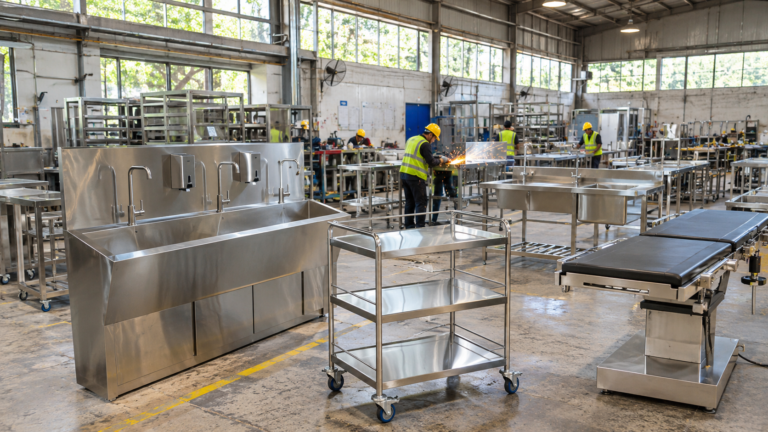
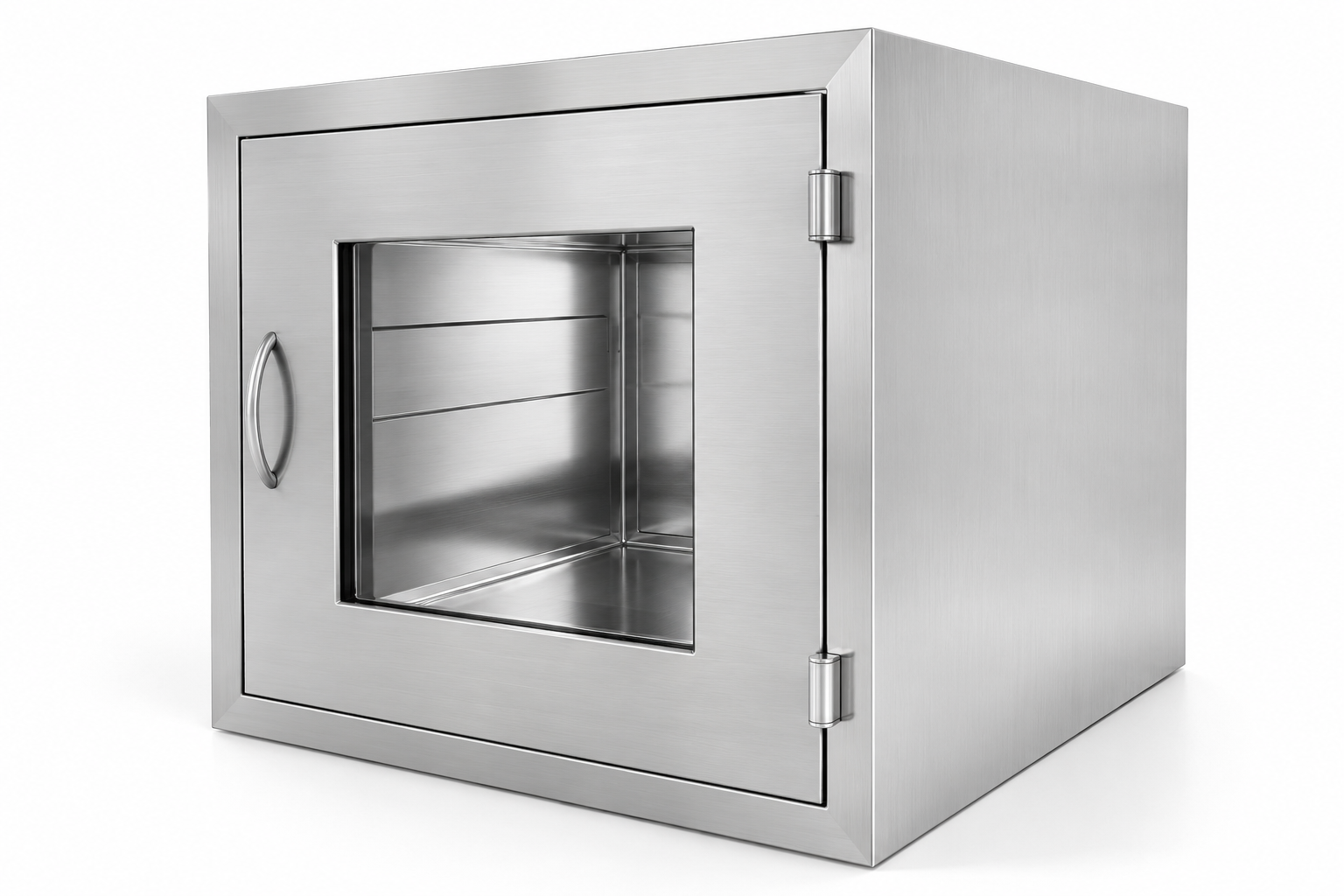
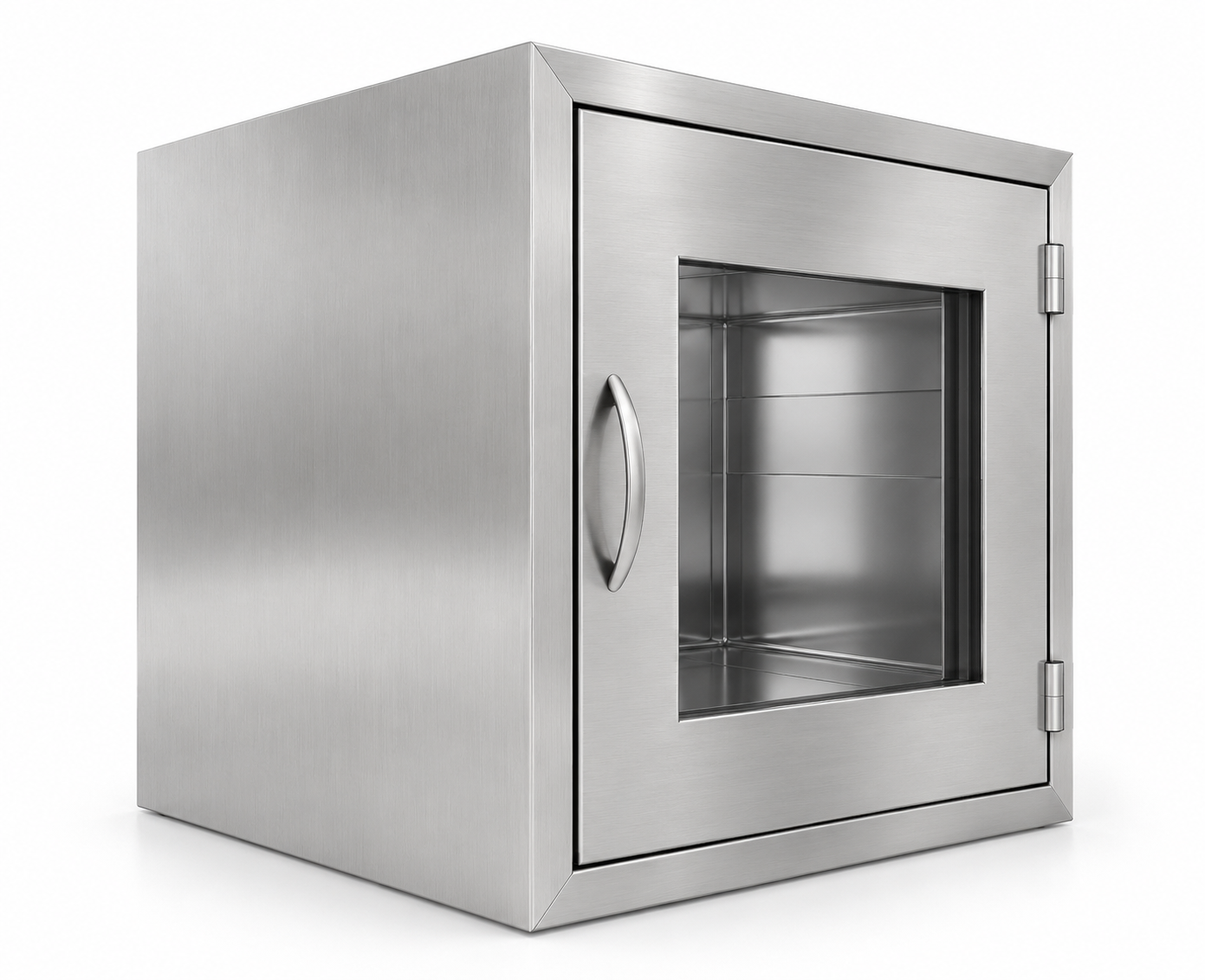
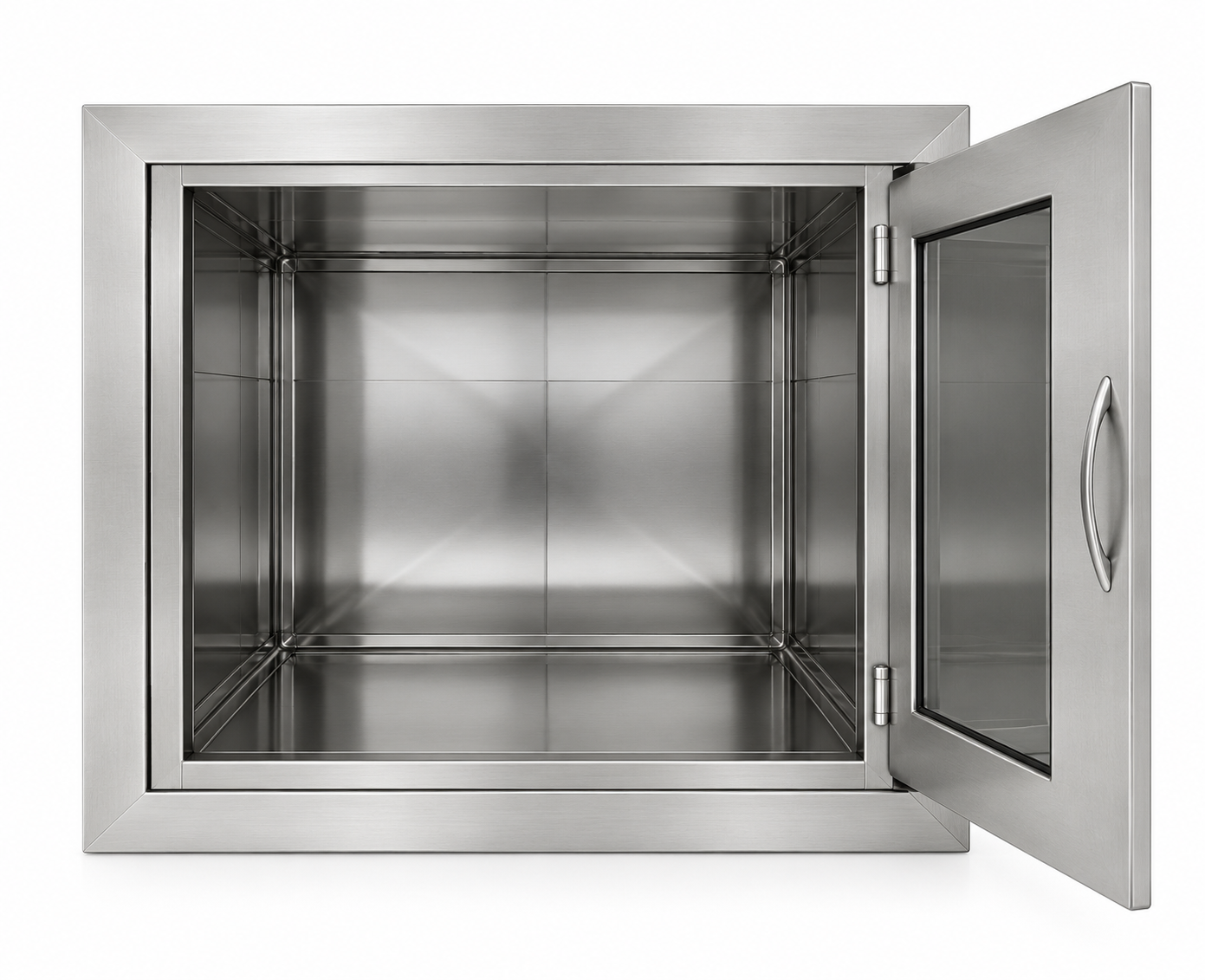
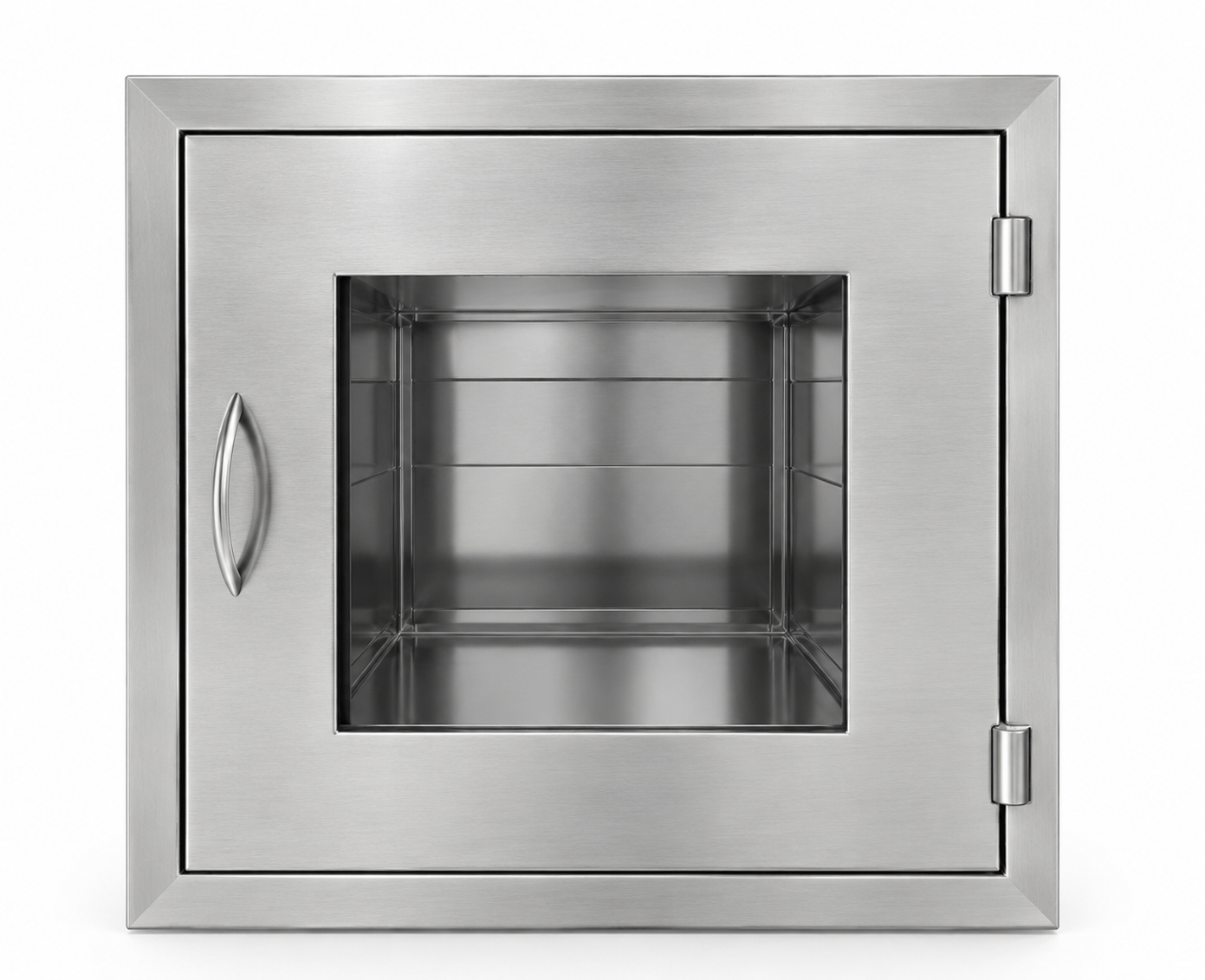
Pair with Supporting CSSD & Endoscopy Furniture: Complement the washing sink with stainless steel storage racks, instrument trolleys, and pass boxes to keep sterile and non-sterile workflows completely separated.
Frequently Asked Questions (FAQs)
1. Why do some endoscope washing sinks combine square and round basins? Combining square and round basins gives technicians functional flexibility—square basins accommodate long, coiled flexible endoscopes during soaking, while round basins work efficiently for concentrated rinsing or cleaning small detachable valves and accessories.
2. What is the benefit of having a side drainboard on an endoscope sink? An integrated side drainboard provides a hygienic, sloped staging surface for placing endoscope trays, leak testers, and freshly rinsed instruments so water drains directly back into the basin instead of pooling on counters or floors.
3. How many basins should a hospital choose for its endoscopy unit? Low-to-moderate volume clinics typically use a 2-basin sink (one for detergent washing, one for rinsing), whereas busy multi-room endoscopy departments prefer a 3-basin sink to dedicate separate bowls for leak testing, enzymatic washing, and final rinsing.
4. Is an open tubular frame better than a closed cabinet for endoscope sinks? An open stainless steel tubular frame is widely preferred in hospital reprocessing rooms because it allows housekeeping staff to clean and sanitize the floor underneath easily, preventing moisture buildup and meeting strict infection-control norms.