

Slop Hopper: A Complete Guide to Safe and Hygienic Waste Disposal
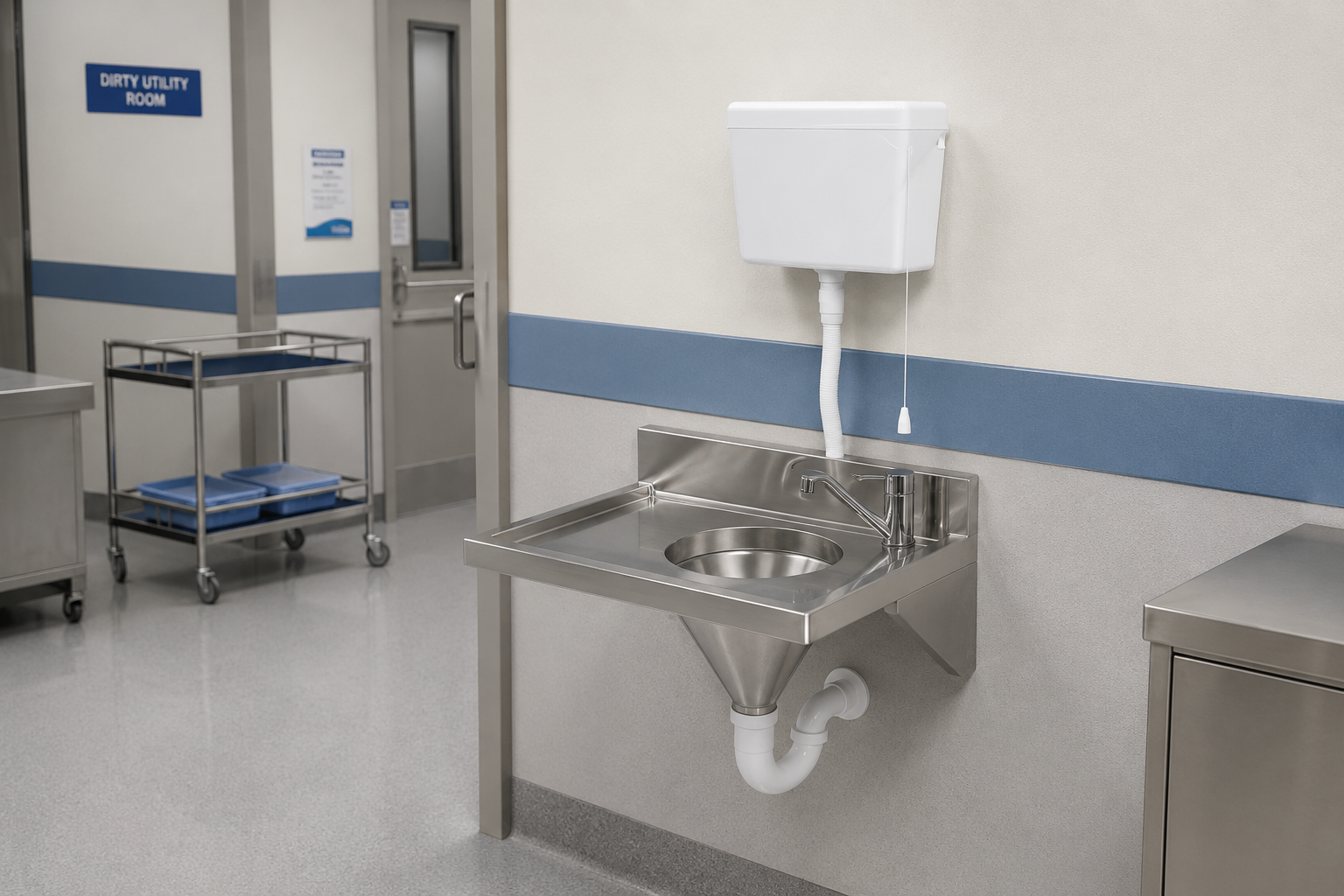
Hospitals and healthcare facilities generate liquid waste every day, making safe disposal essential for infection control. A Slop Hopper is a specialized sanitary fixture designed to dispose of contaminated liquids quickly, safely, and hygienically. It helps maintain cleanliness, protects healthcare workers, and supports compliance with healthcare hygiene standards. Whether used in a hospital ward, dirty utility room, or CSSD department, selecting the right slop hopper improves operational efficiency while reducing the risk of cross-contamination.
A Slop Hopper is a healthcare sanitation fixture designed for the safe disposal of contaminated liquids and medical waste. Commonly installed in hospitals, dirty utility rooms, and CSSD departments, it improves infection control, enhances hygiene, supports efficient waste management, and helps healthcare facilities comply with sanitation standards.
What is Slop Hopper?
A Slop Hopper is a heavy-duty sanitary sink designed specifically for disposing of contaminated liquids, body fluids, cleaning water, and waste from medical containers. Unlike standard utility sinks, it is built to handle healthcare waste safely while minimizing splashing and contamination.
Often referred to as a Hospital Slop Hopper or Medical Slop Hopper, this equipment is commonly installed in dirty utility rooms where clinical waste is handled before final disposal. Some models include an integrated flushing system, making them known as a Slop Hopper with Flush Tank, which helps clean the bowl after every use.
Why is it Important?
Proper waste disposal plays a major role in preventing healthcare-associated infections (HAIs). A slop hopper provides a dedicated disposal point for contaminated liquids, reducing the chances of spreading bacteria and viruses throughout the facility.
Healthcare workers frequently empty bedpans, urine bottles, buckets, and cleaning equipment. Using a Dirty Utility Sink designed for medical waste keeps these activities separate from handwashing or food preparation areas, improving overall hygiene.
A well-designed slop hopper also supports healthcare regulations by helping hospitals maintain cleaner working environments and safer waste management practices.
Key Features
- Stainless Steel Construction – Offers excellent durability, corrosion resistance, and easy cleaning.
- Deep Bowl Design – Reduces splashing during waste disposal.
- Integrated Flush System – Automatically rinses waste after disposal for improved hygiene.
- Smooth Welded Surface – Prevents dirt buildup and makes sanitization easier.
- Wall-Mounted or Floor-Mounted Options – Suitable for different room layouts.
- Heavy-Duty Drainage – Allows quick disposal of large volumes of liquid waste.
- Easy Maintenance – Designed for routine cleaning with minimal effort.
Benefits
- Reduces the spread of infections by providing dedicated waste disposal.
- Improves cleanliness in dirty utility rooms.
- Helps healthcare facilities meet hygiene and sanitation standards.
- Saves staff time with faster waste disposal.
- Supports efficient housekeeping operations.
- Durable stainless steel construction ensures a long service life.
- Reduces maintenance costs compared to conventional sinks.
- Creates a safer working environment for healthcare professionals.
Applications
A Hospital Slop Hopper is widely used in healthcare environments where contaminated liquid waste is generated.
Common applications include:
- Hospitals
- Medical clinics
- Nursing homes
- Rehabilitation centres
- Healthcare laboratories
- Isolation wards
- Emergency departments
- Dirty utility rooms
- CSSD Slop Hopper installations
- Infection control departments
It also forms an important part of Dirty Utility Room Equipment, where waste handling and cleaning activities are performed separately from patient care areas.
How to Choose the Right Slop Hopper
When selecting a slop hopper, consider the following factors:
- Choose high-quality 304 or 316 stainless steel for maximum durability.
- Select a model with a flush tank if frequent cleaning is required.
- Ensure the bowl size matches your daily waste disposal volume.
- Check compatibility with your plumbing system.
- Look for smooth welded construction for easier cleaning.
- Purchase from a manufacturer experienced in hospital stainless steel equipment.
Choosing the correct model helps improve efficiency while lowering long-term maintenance costs.
Common Mistakes to Avoid
- Buying household utility sinks instead of medical-grade slop hoppers.
- Ignoring healthcare sanitation requirements.
- Choosing incorrect dimensions for the available space.
- Selecting low-quality materials that corrode quickly.
- Forgetting to check drainage compatibility.
- Overlooking future maintenance and cleaning requirements.
Avoiding these mistakes helps ensure better performance and a longer equipment lifespan.
Conclusion
A Slop Hopper is an essential component of modern healthcare facilities because it provides safe, hygienic, and efficient disposal of contaminated liquid waste. Whether installed in a dirty utility room, hospital ward, or CSSD department, it supports infection prevention, improves staff safety, and simplifies daily cleaning operations. Choosing the right model with durable stainless steel construction and appropriate flushing features ensures reliable performance for years. If you need guidance selecting the right solution for your healthcare facility, consult an experienced manufacturer who understands hospital sanitation requirements.
Frequently Asked Questions
What is a Slop Hopper?
A Slop Hopper is a specialized sanitary fixture used in hospitals and healthcare facilities to dispose of contaminated liquids, body fluids, and medical waste safely. It is designed to improve hygiene, reduce contamination, and support infection control procedures.
What are the benefits of using a Hospital Slop Hopper?
A Hospital Slop Hopper improves hygiene, reduces infection risks, simplifies waste disposal, supports healthcare compliance, and provides a durable solution for managing contaminated liquid waste in medical environments.
Where is a Medical Slop Hopper commonly used?
A Medical Slop Hopper is commonly installed in hospitals, clinics, nursing homes, dirty utility rooms, CSSD departments, emergency wards, rehabilitation centres, and other healthcare facilities where liquid medical waste requires safe disposal.
How do I choose the right Slop Hopper?
Choose a model made from high-quality stainless steel, ensure it matches your plumbing layout, select the appropriate size, consider a flush tank option, and purchase from a manufacturer experienced in healthcare equipment.
Is a Slop Hopper with Flush Tank better?
Yes. A Slop Hopper with Flush Tank automatically rinses the bowl after use, reducing manual cleaning, improving hygiene, minimizing odours, and lowering the risk of contamination in busy healthcare environments.
What material is best for a Slop Hopper?
Medical-grade 304 or 316 stainless steel is the preferred material because it resists corrosion, is easy to disinfect, offers excellent durability, and meets the hygiene requirements of healthcare facilities.
What is the difference between a Dirty Utility Sink and a Slop Hopper?
A Dirty Utility Sink is generally used for cleaning equipment and disposing of wastewater, while a Slop Hopper is specifically engineered for the hygienic disposal of contaminated medical liquids, bedpan contents, and clinical waste.