

Portable Sink: The Complete Guide to Mobile Hygiene Solutions
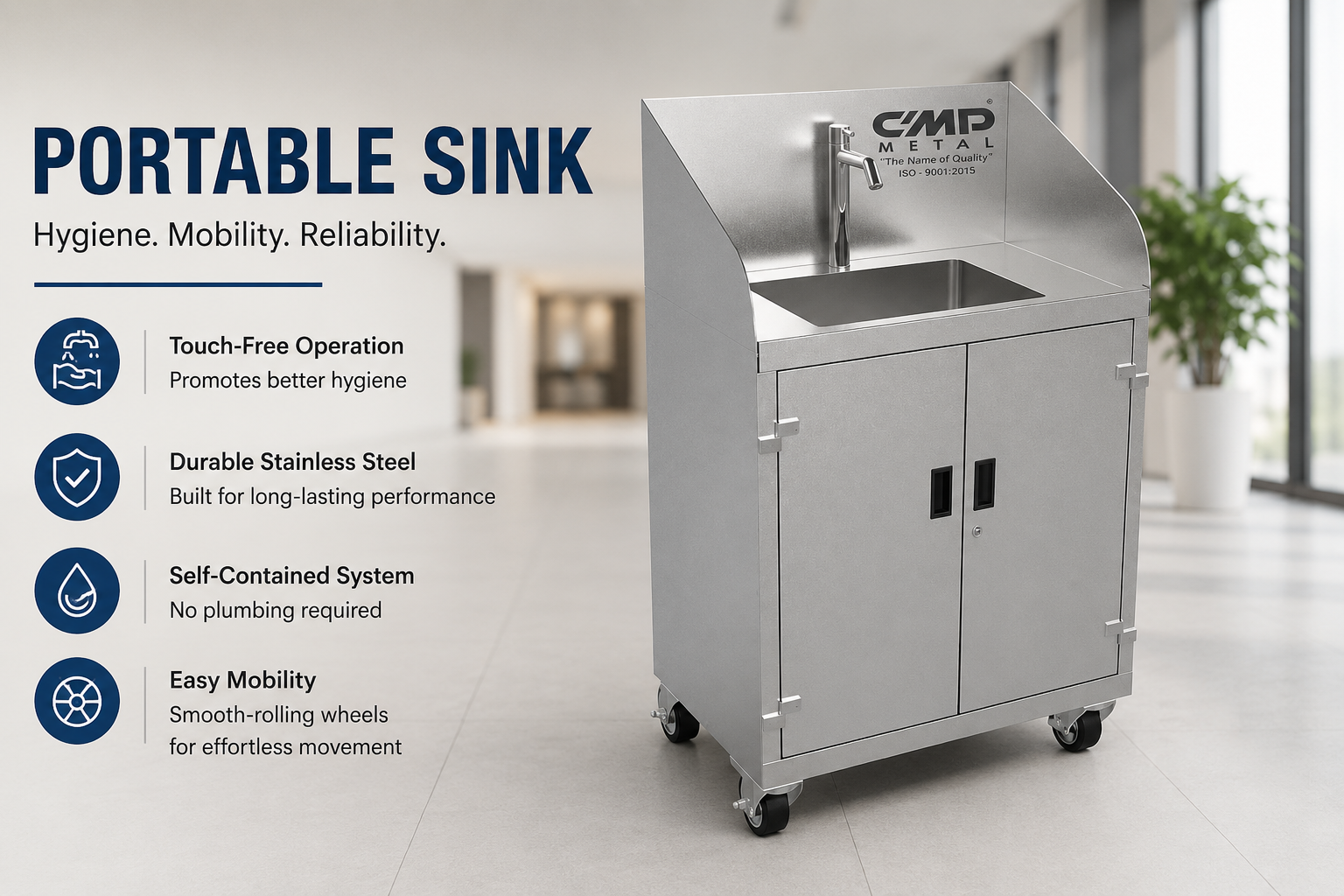
Access to proper handwashing facilities is no longer a luxury—it’s a necessity. Whether it’s a construction site, outdoor event, healthcare facility, educational institution, or temporary workspace, maintaining hygiene standards is critical. This is where a portable sink becomes an ideal solution.
Traditional plumbing systems are not always available in every location. Installing permanent sinks can be expensive, time-consuming, and impractical for temporary setups. A portable sink solves these challenges by providing a convenient and flexible handwashing station wherever it is needed.
As hygiene regulations become stricter and awareness about cleanliness continues to grow, portable handwashing solutions have become increasingly important across various industries.
Why Portable Sink Solutions Are Becoming Essential
Organizations across healthcare, pharmaceutical, food processing, construction, and public facilities face a common challenge—providing reliable handwashing facilities where permanent plumbing is unavailable.
Without proper sanitation infrastructure, businesses may struggle with:
- Limited access to clean water
- Compliance with hygiene regulations
- High installation costs
- Temporary worksite requirements
- Maintaining workplace cleanliness
A well-designed portable hand wash station helps solve these issues while ensuring hygiene and convenience.
What Is a Portable Sink?
A portable sink is a self-contained handwashing unit that operates without requiring permanent plumbing connections. These units are designed to provide access to clean water and proper sanitation in locations where traditional sinks cannot be installed.
Most portable sinks include:
- Fresh water storage tank
- Wastewater collection tank
- Sink basin
- Faucet system
- Soap dispenser
- Paper towel holder
- Mobility wheels for easy movement
A modern portable wash basin provides a complete handwashing solution while remaining easy to transport and maintain.
Types of Portable Sink Solutions
1. Basic Portable Hand Wash Station
Ideal for:
- Schools
- Offices
- Community centers
- Retail stores
These units are compact, affordable, and easy to maintain.
2. Mobile Hand Wash Sink
A mobile hand wash sink is designed for environments where flexibility and movement are essential.
Common applications include:
- Construction sites
- Outdoor events
- Food service operations
- Temporary facilities
3. Healthcare Portable Sink
Healthcare facilities require strict hygiene control. These models often feature touch-free operation and stainless-steel construction.
Suitable for:
- Hospitals
- Clinics
- Laboratories
- Medical camps
4. Industrial Portable Sink
Industrial-grade units are built for heavy-duty use in manufacturing facilities, pharmaceutical plants, and production environments.
Key Features of a High-Quality Portable Sink
Not all portable sinks offer the same level of performance. When evaluating options, look for the following features:
Large Water Capacity
Higher-capacity tanks reduce the need for frequent refilling and wastewater disposal.
Durable Construction
Stainless steel construction provides:
- Corrosion resistance
- Long service life
- Easy cleaning
- Professional appearance
Touch-Free Operation
Foot-operated or sensor-based systems reduce cross-contamination and improve hygiene.
Easy Mobility
A quality mobile hand wash sink should be easy to move and position whenever required.
Simple Maintenance
Accessible tanks and removable components make routine cleaning much easier.
Benefits of Using a Portable Sink
Improved Hygiene Standards
Proper handwashing reduces the spread of germs and contamination in workplaces and public environments.
Cost-Effective Installation
Since no permanent plumbing is required, organizations save significantly on installation costs.
Flexible Placement
Portable sinks can be positioned exactly where sanitation is needed.
Quick Setup
Most units can be operational within minutes.
Regulatory Compliance
Many industries require accessible handwashing facilities to comply with safety and hygiene standards.
Portable Sink vs Traditional Sink
| Feature | Portable Sink | Traditional Sink |
|---|---|---|
| Plumbing Required | No | Yes |
| Mobility | High | None |
| Installation Time | Minutes | Days or Weeks |
| Initial Cost | Lower | Higher |
| Flexibility | Excellent | Limited |
| Relocation | Easy | Difficult |
How to Choose the Right Portable Sink
Step 1: Determine the Application
Identify where the sink will be used, such as healthcare facilities, laboratories, construction sites, or educational institutions.
Step 2: Estimate User Volume
Consider how many people will use the sink daily to determine appropriate tank capacity.
Step 3: Select the Right Material
Stainless steel is often preferred due to its durability, hygiene, and long lifespan.
Step 4: Evaluate Mobility Needs
If the sink needs to be relocated frequently, prioritize lightweight designs and quality wheels.
Step 5: Review Water Storage Capacity
Ensure the fresh water and wastewater tanks can support expected usage.
Step 6: Check Hygiene Features
Features such as touch-free faucets, soap dispensers, and easy-clean surfaces improve user experience.
Step 7: Choose a Reliable Portable Sink Manufacturer
Selecting an experienced portable sink manufacturer ensures better quality, support, and long-term reliability.
If you’re looking for a professionally designed stainless steel portable sink solution, you can explore this Portable Sink that is suitable for hospitals, pharmaceutical facilities, laboratories, industrial applications, and other hygiene-critical environments.
Common Mistakes to Avoid
- Choosing solely based on price
- Ignoring tank capacity requirements
- Overlooking maintenance needs
- Selecting low-quality materials
- Not considering future expansion requirements
- Purchasing from inexperienced suppliers
Expert Tips for Better Performance
- Clean tanks regularly to maintain hygiene.
- Inspect faucets and fittings periodically.
- Replace worn components promptly.
- Keep soap and paper towel supplies stocked.
- Position the sink in high-visibility areas.
- Perform routine sanitation checks.
Industries That Commonly Use Portable Sinks
- Healthcare facilities
- Hospitals and clinics
- Pharmaceutical manufacturing plants
- Laboratories
- Food processing units
- Construction sites
- Educational institutions
- Industrial facilities
- Outdoor events
- Disaster relief operations
Frequently Asked Questions
What is a portable sink?
A portable sink is a self-contained handwashing station that operates without permanent plumbing connections and can be moved easily between locations.
Where can a portable hand wash station be used?
Portable hand wash stations are commonly used in hospitals, schools, laboratories, construction sites, food facilities, and outdoor events.
How does a mobile hand wash sink work?
It stores clean water in an internal tank and collects wastewater in a separate tank, allowing operation without plumbing infrastructure.
Are portable sinks suitable for healthcare facilities?
Yes. Many portable sinks are specifically designed for healthcare environments and support infection-control protocols.
How often should a portable wash basin be cleaned?
Daily cleaning is recommended, especially in high-traffic or healthcare environments.
What should I look for in a portable sink manufacturer?
Look for product quality, industry experience, stainless-steel construction, customization options, and after-sales support.
Do portable sinks require electricity?
Some models operate manually, while others use electricity for pumps, sensors, or water heating systems.
Conclusion
A portable sink provides a practical, flexible, and cost-effective solution for maintaining hygiene wherever permanent plumbing is unavailable. Whether you need a portable hand wash station for a healthcare facility, a portable wash basin for an event, or a mobile hand wash sink for a construction site, choosing the right solution can significantly improve sanitation standards and operational efficiency.
By understanding the available types, features, benefits, and buying considerations, organizations can make informed decisions and ensure reliable handwashing facilities for employees, visitors, and the public.