

Instrument Washing Sink: Complete Guide for Hospitals & Healthcare Facilities
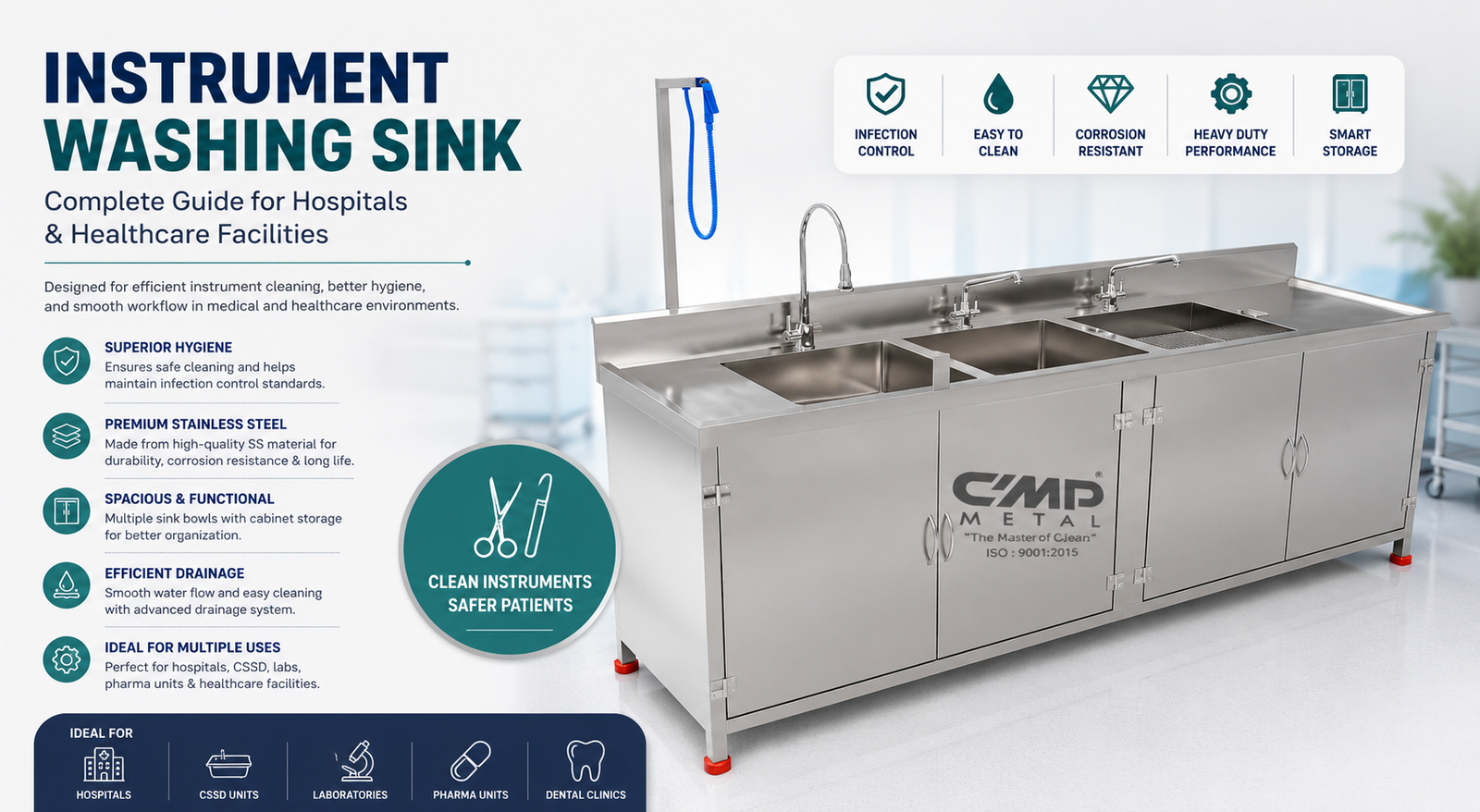
In hospitals, laboratories, CSSD departments, and pharmaceutical facilities, cleanliness is not optional — it is critical. Medical instruments must be cleaned properly before sterilization to reduce contamination risks and maintain patient safety. This is where an Instrument Washing Sink becomes an essential part of the workflow.
An efficient washing system improves hygiene standards, speeds up instrument cleaning, and supports infection control protocols. Whether it is a small clinic or a large hospital, choosing the right instrument cleaning sink hospital setup can directly affect operational efficiency and safety.
Today’s healthcare environments demand durable, hygienic, and easy-to-maintain Washing Sinks that can handle constant use while meeting strict sanitation requirements. From stainless steel designs to advanced sink systems with storage cabinets, modern solutions are built for functionality and long-term reliability.
Why Instrument Washing Sinks Matter in Healthcare
Healthcare professionals deal with surgical tools, medical trays, forceps, scissors, and other reusable equipment daily. These instruments often carry biological contaminants after use. Improper washing can lead to:
- Cross-contamination
- Infection risks
- Reduced instrument lifespan
- Delayed sterilization processes
- Non-compliance with hygiene regulations
A professionally designed instrument cleaning sink helps healthcare teams maintain proper cleaning workflows before sterilization and disinfection.
In environments such as operation theatres, diagnostic labs, and CSSD units, proper washing stations are part of standard infection prevention practices.
Common Problems Users Face
Many healthcare facilities struggle with outdated or poorly designed sink systems. Some common pain points include:
1. Poor Hygiene Maintenance
Traditional sinks may develop rust, bacterial buildup, or water stagnation over time.
2. Insufficient Workspace
Small or compact sinks create difficulty while handling large surgical instruments.
3. Water Splash Issues
Improper sink depth and drainage systems often lead to water splashing around the workspace.
4. Difficult Cleaning Process
Hard-to-reach corners and poor finishing make cleaning the sink itself more challenging.
5. Lack of Storage
Facilities often need organized storage for detergents, brushes, disinfectants, and accessories.
This is why many hospitals now prefer an Instrument washing sink with cabinet for better organization and workflow management.
What Is an Instrument Washing Sink?
An Instrument Washing Sink is a specially designed stainless steel sink system used for washing, rinsing, and pre-cleaning medical or laboratory instruments before sterilization.
These sinks are commonly installed in:
- Hospitals
- CSSD departments
- Pathology laboratories
- Pharmaceutical industries
- Research facilities
- IVF labs
- Dental clinics
Unlike regular utility sinks, medical-grade sinks are designed with hygienic construction, corrosion resistance, smooth finishing, and better drainage systems.
Types of Instrument Washing Sinks
1. Single Bowl Instrument Cleaning Sink
Best for:
- Small clinics
- Dental setups
- Compact laboratories
Features:
- Space-saving design
- Easy maintenance
- Cost-effective
2. Double Bowl Washing Sinks
Best for:
- Hospitals
- Medium-scale healthcare facilities
Features:
- Separate washing and rinsing areas
- Better workflow
- Improved hygiene control
3. Triple Bowl Instrument Cleaning Sink Hospital Setup
Best for:
- Large hospitals
- CSSD departments
Features:
- Multi-stage cleaning process
- Segregation of dirty and clean instruments
- High operational efficiency
4. Instrument Washing Sink with Cabinet
Best for:
- Organized healthcare environments
- High-volume facilities
Features:
- Built-in storage
- Better space utilization
- Easy access to cleaning supplies
Important Features to Look For
Stainless Steel Construction
Medical-grade stainless steel offers:
- Corrosion resistance
- Long lifespan
- Easy sanitization
- Smooth surface finishing
304-grade stainless steel is widely preferred in healthcare applications.
Deep Bowl Design
A deeper bowl minimizes water splashing and makes it easier to clean larger instruments.
Seamless Welded Construction
Seamless joints reduce bacterial accumulation and improve hygiene standards.
Ergonomic Design
Proper height and workspace design reduce strain on healthcare workers during repetitive cleaning tasks.
Drainage Efficiency
Efficient drainage systems help prevent water stagnation and contamination.
Storage Cabinet Integration
An integrated cabinet improves organization and keeps essential cleaning materials within reach.
Benefits of Using an Instrument Washing Sink
Improved Infection Control
Proper washing stations support hospital hygiene protocols and reduce contamination risks.
Better Workflow Efficiency
Dedicated cleaning zones improve staff productivity and reduce cleaning delays.
Longer Instrument Lifespan
Proper pre-cleaning helps preserve delicate surgical instruments.
Easy Maintenance
Modern Washing Sinks are designed for quick cleaning and low maintenance.
Professional Healthcare Environment
Well-designed cleaning stations improve the overall operational setup of medical facilities.
Instrument Washing Sink vs Regular Utility Sink
| Feature | Instrument Washing Sink | Regular Utility Sink |
|---|---|---|
| Material Quality | Medical-grade stainless steel | Standard steel or ceramic |
| Hygiene Design | Seamless & sanitary | General-purpose |
| Drainage | Advanced drainage system | Basic drainage |
| Durability | Heavy-duty usage | Moderate usage |
| Infection Control | High priority | Limited |
| Storage Options | Cabinet integration available | Usually unavailable |
Step-by-Step Buying Guide
Step 1: Understand Usage Volume
Estimate how many instruments are cleaned daily.
- Small clinics → Single bowl
- Hospitals → Double or triple bowl
Step 2: Check Material Quality
Always choose corrosion-resistant stainless steel for long-term durability.
Step 3: Evaluate Space Availability
Measure installation space carefully before selecting dimensions.
Step 4: Consider Storage Needs
If organization is important, select an Instrument washing sink with cabinet.
Step 5: Verify Hygiene Standards
Choose sinks with:
- Rounded corners
- Smooth welds
- Easy-clean surfaces
Step 6: Focus on Drainage Design
Proper drainage prevents water accumulation and improves cleanliness.
Common Mistakes to Avoid
- Buying based only on price
- Ignoring stainless steel grade
- Choosing incorrect bowl size
- Overlooking storage requirements
- Poor installation planning
Expert Tips for Better Performance
- Clean sinks regularly using non-corrosive cleaners
- Avoid harsh chemicals that damage stainless steel
- Inspect drainage systems frequently
- Train staff on proper cleaning procedures
- Use separate cleaning and rinsing areas whenever possible
Facilities involved in quality instruments & equipments for die sinking or precision industrial cleaning also prefer stainless steel sink systems because of their durability and resistance to chemical exposure.
Frequently Asked Questions (FAQs)
1. What is an Instrument Washing Sink used for?
An Instrument Washing Sink is used to clean medical and surgical instruments before sterilization. It helps maintain hygiene and infection control standards.
2. Why are stainless steel Washing Sinks preferred in hospitals?
Stainless steel sinks are corrosion-resistant, easy to sanitize, durable, and suitable for high-hygiene healthcare environments.
3. What is the benefit of an Instrument washing sink with cabinet?
A cabinet provides organized storage for cleaning accessories, detergents, and tools while improving workspace efficiency.
4. How many bowls should an instrument cleaning sink hospital setup have?
It depends on facility size and workflow. Small clinics may use single bowls, while hospitals often require double or triple bowl systems.
5. How often should instrument washing sinks be cleaned?
They should be cleaned daily and sanitized regularly to maintain proper hygiene standards.
6. Can these sinks be used in laboratories?
Yes, instrument cleaning sinks are commonly used in laboratories, research centers, and pharmaceutical facilities.
7. What material is best for instrument cleaning sinks?
304-grade stainless steel is widely considered the best choice because of its durability and hygienic properties.
Conclusion
An Instrument Washing Sink plays a major role in maintaining cleanliness, workflow efficiency, and infection control in healthcare facilities. From hospitals and CSSD departments to laboratories and pharmaceutical units, choosing the right sink system can improve both operational performance and hygiene standards.
Modern instrument cleaning sink hospital solutions are designed with durability, sanitation, and user convenience in mind. Whether you need a compact setup or an advanced Instrument washing sink with cabinet, investing in the right system helps create a safer and more organized healthcare environment.